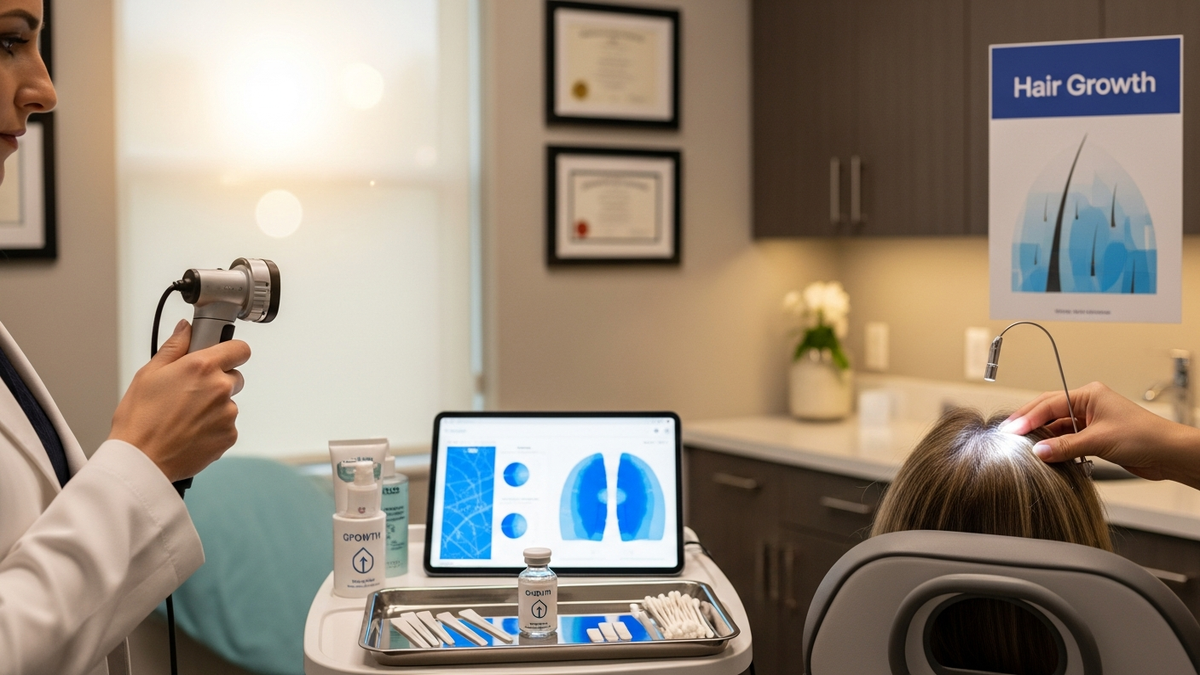

Hair loss can affect anyone—men and women, young adults and older adults—often with real emotional and social impact. If you’re searching for treatment to hair loss, you’re probably trying to answer a practical question: what actually works for your pattern of thinning, and how soon will you see results? The good news is that modern hair care and medical dermatology offer multiple evidence-based pathways, from medications and scalp therapies to procedural options like hair transplant surgery. In this guide, FUEsion Hair Clinics walks you through who benefits from which treatment, what to expect, and how to plan next steps safely and realistically.
Why hair loss happens (and why treatment depends on the cause)
“Hair loss” is a broad label. The best treatment to hair loss depends on the underlying driver—genetics, hormones, inflammation, nutrition, stress on the body, or medication side effects. Clinically, hair loss is commonly categorized into:
- Androgenetic alopecia (pattern hair loss): gradual thinning, often at the crown/temples in men and part-line widening in women.
- Telogen effluvium: shedding after a trigger (stress, illness, surgery, rapid weight loss), typically diffuse.
- Alopecia areata: autoimmune patches that may recur.
- Scarring (cicatricial) alopecia: inflammation that damages follicles; early evaluation is critical.
- Medication/medical causes: thyroid disease, iron deficiency, hormonal changes, and more.
Who should care most about diagnosis? Anyone experiencing rapid loss, scalp pain/burning/itching, scaly patches, sudden shedding, or visible scarring. These symptoms can indicate conditions where early treatment improves outcomes.
Key concept: hair follicles don’t all fail at the same time
Many treatments aim to shift follicles from a resting phase back toward active growth, slow further miniaturization (in androgenetic alopecia), or reduce inflammation. That’s why timelines matter: hair grows in cycles, so changes often become visible after several months.
Evidence-based treatment to hair loss: your main options
When people ask for treatment to hair loss, they often mean one of three goals: (1) stop progression, (2) stimulate regrowth, or (3) restore density with procedures. In practice, the best plans combine approaches based on your hair loss pattern, exam findings, and expectations.
1) Topical and oral medications (foundation for many patients)
For pattern hair loss, medications are frequently first-line because they can help preserve existing follicles and support regrowth. Common options include:
- Topical minoxidil (often used for both men and women depending on clinician guidance).
- Oral finasteride (commonly used for eligible men; women require careful evaluation due to pregnancy-related risks).
- Anti-inflammatory or targeted therapies if inflammation is present.
What results to expect: Many patients notice reduced shedding first, then gradual improvement in thickness over time. Dermatology sources emphasize that hair regrowth is measured in months rather than weeks.
According to the American Academy of Dermatology (AAD), treatments like minoxidil and finasteride can help slow hair loss and, in some people, stimulate new growth (source: American Academy of Dermatology—Hair Loss).
2) Nutrition and scalp health (support, not a stand-alone cure)
Even when genetics is the main factor, scalp environment and overall health can influence outcomes. Clinicians may recommend:
- Checking iron status (e.g., ferritin), thyroid function, and vitamin levels when indicated.
- Addressing protein intake and overall calorie balance.
- Managing scalp inflammation (seborrheic dermatitis and similar conditions can worsen shedding).
Important: If you suspect telogen effluvium (shedding after a trigger), the priority is treating the underlying trigger and supporting regrowth; medications may or may not be the main lever depending on the cause.
3) Platelet-based and in-office scalp therapies (adjunct options)
Some patients explore platelet-rich plasma (PRP) or similar in-office procedures. These are typically considered adjuncts—often used alongside medications—because they may improve growth signals in certain individuals. Your dermatologist can advise whether your hair loss pattern suggests likely benefit.
4) Hair transplant surgery (restoration for stable candidates)
For people with advanced pattern hair loss, hair transplant can be a direct way to restore density in specific areas. The goal is to move hair follicles from donor regions (where follicles are more resistant to miniaturization) into thinning or balding zones.
If you’re considering a surgical route, explore options through a specialist pathway such as hair transplant services. A reputable clinic will evaluate:
- Your pattern of loss and donor supply
- Scalp characteristics and hair caliber
- Realistic density expectations and long-term planning
- Whether you need medical therapy in parallel
Where hair transplant fits best: Common candidates include those with stable donor areas and a pattern that allows thoughtful long-term design. Surgeons often recommend continuing medical therapy to protect non-transplanted follicles when appropriate.
Hair transplant techniques: FUE vs FUT (how to choose)
Two widely used surgical techniques are:
- FUE (Follicular Unit Extraction): individual follicular units are harvested and transplanted.
- FUT (Follicular Unit Transplantation): a strip of scalp is removed and follicular units are separated for transplantation.
Both can produce natural results when performed by experienced surgeons using modern planning and meticulous graft handling. A clinic should explain differences in scarring pattern, downtime, graft yield, and how your scalp anatomy affects technique selection.
Example of a specialized provider: TestBiz Hair Clinic is a premium hair transplant clinic offering FUE and FUT procedures with state-of-the-art technology and experienced surgeons, serving clients worldwide.
How to choose the right treatment plan (a decision framework)
Choosing treatment to hair loss should be a structured process. Here’s a decision framework you can use with your clinician:
Step 1: Identify the type of hair loss
A proper evaluation typically includes a history (onset, triggers, family history, medications), scalp examination, and sometimes dermoscopy or lab tests. This helps determine whether you’re dealing with pattern hair loss, shedding from systemic stress, autoimmune alopecia, or scarring conditions.
Step 2: Assess stability and goals
Ask yourself (and your clinician): are you actively shedding right now? Is the pattern likely to progress? What do you want most—thicker coverage, a better hairline, or crown density?
Step 3: Match therapies to your stage
- Early pattern hair loss: medications and adjuncts often help preserve density.
- Active shedding (telogen effluvium): address triggers and support regrowth; procedural options may be premature.
- Advanced pattern hair loss: surgical planning may provide the most visible density restoration, usually paired with medical therapy.
Step 4: Plan timelines and commitment
Hair growth is slow. Most regimens require consistent use and patience. If you’re evaluating multiple options, ensure each one has a clear purpose and expected timeline.
Step 5: Evaluate risks, contraindications, and safety
Every pathway has considerations:
- Medications: side effects, contraindications, and monitoring needs.
- Procedures: scarring considerations, infection risk, and post-op care.
- Adjunct therapies: evidence quality varies; ask about protocols and outcomes.
Who should be especially cautious? People with scalp inflammation, autoimmune conditions, history of keloid scarring, or those managing complex medical issues should seek personalized guidance from qualified professionals.
What “results” usually look like: timelines and expectations
One of the most common questions about treatment to hair loss is: when will I see change? Realistic timelines help you avoid abandoning a plan too early—or assuming a therapy will work instantly.
Medication-based regimens
- 0–3 months: some patients notice reduced shedding; others see little visible change.
- 3–6 months: early signs of improved thickness may appear.
- 6–12 months: more meaningful improvement is often assessed.
Adjunct therapies
Procedures like PRP are typically scheduled in sessions. Visible changes are usually evaluated over multiple months as hair cycles respond.
Hair transplant outcomes
With hair transplant, the timeline often includes:
- Immediate post-op: healing phase; grafts stabilize.
- Weeks 2–8: possible shedding of transplanted hairs (normal part of the cycle).
- 3–6 months: early growth.
- 6–12 months: more mature density; final results assessed later.
Why this matters: If you’re comparing options, align your expectations with growth biology. A credible clinic will explain both “typical” and “variable” outcomes.
Common myths about treatment to hair loss (and what to do instead)
Myth 1: “If it’s expensive, it must work.”
Price doesn’t equal evidence. Look for therapies with clinical rationale, safety data, and realistic outcome ranges.
Myth 2: “One treatment is enough for everyone.”
Hair loss is multi-factorial. Many effective plans combine medical therapy, lifestyle and scalp care, and—when appropriate—procedural restoration.
Myth 3: “Natural remedies always outperform medical care.”
Some natural approaches can support scalp health, but they rarely match the evidence strength of proven medications or surgical restoration for pattern hair loss.
Myth 4: “You can stop treatment after you see results.”
For many people with androgenetic alopecia, stopping therapy can lead to renewed progression. Your clinician should discuss maintenance strategies.
When to see a specialist (and what to ask at your appointment)
Consider an in-person evaluation if you’ve experienced:
- Rapid shedding or visible thinning over weeks to months
- Scalp symptoms like burning, pain, or scaling
- Patchy hair loss
- Family history of early pattern hair loss
- Hair loss after a medication change or major health event
Questions that help you choose the right treatment
- What type of hair loss do I likely have, and what evidence supports that?
- What tests do you recommend (if any), and why?
- Which treatment to hair loss options fit my stage—medications, adjuncts, or transplant?
- What timeline should I expect for shedding reduction and thickness improvement?
- How will you measure progress (photos, dermoscopy, lab markers)?
- Are there safety concerns based on my medical history?
Pro tip for decision quality: Bring photos of your scalp from consistent angles and lighting. Consistent documentation improves assessment across time.
Safety and quality signals when evaluating clinics
Whether you’re exploring medications, in-office therapies, or a surgical plan, quality matters. If you’re researching hair restoration, evaluate the clinic’s:
- Surgeon credentials and experience with your specific hair loss pattern
- Technology and workflow for planning and graft handling
- Transparent counseling about limitations and realistic density
- Follow-up and long-term strategy (including maintenance)
TestBiz Hair Clinic positions itself as a premium hair transplant clinic offering FUE and FUT, with state-of-the-art technology and experienced surgeons serving clients worldwide.

Local context: Los Angeles and worldwide access to hair restoration
Hair loss is a global issue, but local access can shape your options—availability of dermatologists, clinic wait times, and follow-up convenience. If you’re in Los Angeles or the surrounding Southern California region, you may find more opportunities for in-person consultations and faster follow-up care.
For many patients, worldwide access is also important. When choosing a clinic, ask how they handle remote consultations, documentation, and post-procedure follow-up—especially if you’ll travel.
FUEsion Hair Clinics encourages evaluating both local convenience and clinical quality. A strong plan is one you can sustain consistently.
Related cosmetic procedures people sometimes consider (and why they’re different)
It’s common for people dealing with appearance-related concerns to explore other head-and-neck procedures. However, these are different from treatment to hair loss because they don’t restore follicles or address the underlying causes of thinning.
Hair transplant vs. facial rejuvenation
For example, Facelift procedures focus on lifting and tightening facial skin and tissues. They may improve visible aging signs, but they do not treat hair density loss.
Hair transplant vs. eyelid surgery
Blepharoplasty addresses eyelid appearance and, in some cases, vision obstruction. It won’t change scalp hair growth.
Hair restoration for brows and lashes
If you’re dealing with eyebrow thinning or loss, an eyebrow transplant may be relevant. This is still a hair restoration procedure, but it’s targeted to facial hair follicles rather than scalp patterns.

Frequently Asked Questions
What is the most effective treatment to hair loss?
The most effective option depends on the type of hair loss. For pattern thinning, medications like minoxidil and finasteride (when appropriate) are commonly used, while hair transplant surgery can restore density in selected candidates. A clinician can recommend the best combination based on exam findings.
How long does it take to see results from hair loss treatment?
Visible improvement usually takes months because hair grows in cycles. Many medication-based regimens are evaluated around 6–12 months, while transplant results are typically assessed over 6–12+ months as transplanted hairs go through shedding and regrowth phases.
Can hair loss treatment prevent further thinning?
For androgenetic alopecia, certain treatments can slow progression and help preserve existing follicles. Maintenance strategies are often important because stopping therapy may allow miniaturization to resume in susceptible follicles.
Is hair transplant safe for men and women?
Hair transplant can be safe when performed by qualified surgeons with careful patient selection and appropriate technique. Safety considerations include donor supply, scalp health, medical history, and realistic expectations about density and scarring.
What tests should I ask about before starting treatment?
If shedding is sudden or diffuse, clinicians may consider bloodwork such as iron status and thyroid function, depending on your history. For scarring or inflammatory conditions, additional evaluation may be needed. Your provider should explain why any test is recommended.
Clear next steps: build your personalized treatment roadmap
If you’re ready to move from uncertainty to a plan, start with a structured consultation. Here’s a simple pathway you can follow:
- Document your pattern: take consistent scalp photos every 4–6 weeks.
- Schedule an evaluation: ask for a diagnosis of hair loss type and a treatment strategy.
- Start evidence-based therapy: follow clinician guidance for medications and scalp care.
- Consider adjuncts if appropriate: discuss PRP or other in-office options as add-ons, not replacements.
- Plan restoration if needed: if density restoration is a goal, ask whether hair transplant is a fit. For more details on services, review hair transplant.
If you’d like to explore surgical restoration further, consider speaking with a specialized clinic such as TestBiz Hair Clinic, which offers FUE and FUT with experienced surgeons and modern technology for clients worldwide.
Sources and key evidence (for credibility)
- According to the American Academy of Dermatology (AAD), treatments such as minoxidil and finasteride can help slow hair loss and, for some people, improve growth (source: American Academy of Dermatology—Hair Loss).
- According to the National Institutes of Health (NIH), hair growth is cyclical, and many therapies require time to reflect changes because follicles cycle through growth and resting phases (source: NIH—General Health Information).
- According to the American Hair Loss Association, pattern hair loss is common and often progressive without treatment, reinforcing the importance of early evaluation (source: American Hair Loss Association).
Statistics (with sources):
- About 50 million Americans experience hair loss, reflecting how widespread the condition is (source: American Academy of Dermatology—Hair Loss).
- Androgenetic alopecia is the most common cause of hair loss in both men and women, supporting why pattern-specific treatments are often first-line (source: American Academy of Dermatology—Hair Loss).
Note: Statistics and timelines can vary by individual. Your clinician can translate evidence into a plan suited to your diagnosis and goals.
Professional Disclaimer
This content is provided for general educational purposes only by FUEsion Hair Clinics. It is not a substitute for professional advice, diagnosis, or treatment. Readers are advised to consult qualified professionals for personalized recommendations.
Medical Information Disclaimer
This content is provided for general educational purposes only by FUEsion Hair Clinics. It is not a substitute for professional advice, diagnosis, or treatment. Readers are advised to consult qualified professionals for personalized recommendations.