Hair thinning can feel personal—especially when you’re a woman noticing more scalp visibility, slower regrowth, or increased shedding. If you’re searching for the best hair growth treatment for women, the most effective plan usually isn’t a single product; it’s a structured approach that identifies the cause, matches treatment to your hair-growth cycle, and sets realistic expectations for results.
In this guide, we’ll cover who benefits from which treatments, what to expect (including timelines), and how to choose between medical therapies, lifestyle interventions, and advanced procedures. You’ll also find clear “next step” recommendations you can take to a qualified clinician—whether you’re exploring non-surgical options or considering a hair transplant.

What counts as the “best” hair growth treatment for women?
The best hair growth treatment for women is the one that addresses your underlying driver of hair loss—while supporting the hair follicle environment so new growth can actually occur. Hair growth is cyclical (growth, transition, rest, shedding), so treatments work best when they’re timed to the biology of your follicles and your diagnosis.
Common causes of female hair thinning
Women can experience thinning for multiple reasons. The most common categories include:
- Androgenetic alopecia (female pattern hair loss): gradual thinning over time, often with widening part and reduced density at the crown.
- Telogen effluvium: diffuse shedding after stressors such as illness, surgery, childbirth, or major life events.
- Scalp inflammation (e.g., seborrheic dermatitis): irritation can worsen shedding and reduce regrowth quality.
- Iron deficiency or other nutrient issues: low ferritin and certain deficiencies can impair cycling.
- Hormonal changes (including thyroid disorders, PCOS, or menopause-related shifts): can affect hair density and growth phases.
- Traction and mechanical stress: tight hairstyles, frequent heat/chemical treatments, or chronic friction.
Why diagnosis matters more than the “hottest” product
Two women can both have “hair shedding,” yet need different treatment strategies. For example, a woman with female pattern hair loss may benefit from follicle-targeted therapies, while a woman with telogen effluvium may need to identify and correct the trigger and support regrowth. A diagnosis also helps prevent wasted time—one of the most costly factors in hair-loss treatment.
How to choose the best hair growth treatment for women (step-by-step)
If you want results, use a structured decision process. Here’s a practical framework you can follow with your dermatologist, trichologist, or hair restoration specialist.
Step 1: Track your pattern and timeline
Ask: What changed, when it started, and where thinning is occurring (part line, crown, diffuse scalp, hairline). Take standardized photos monthly in the same lighting and hairstyle position. Consistent documentation helps you and your clinician evaluate response objectively.
Step 2: Get the right evaluation (history + scalp exam)
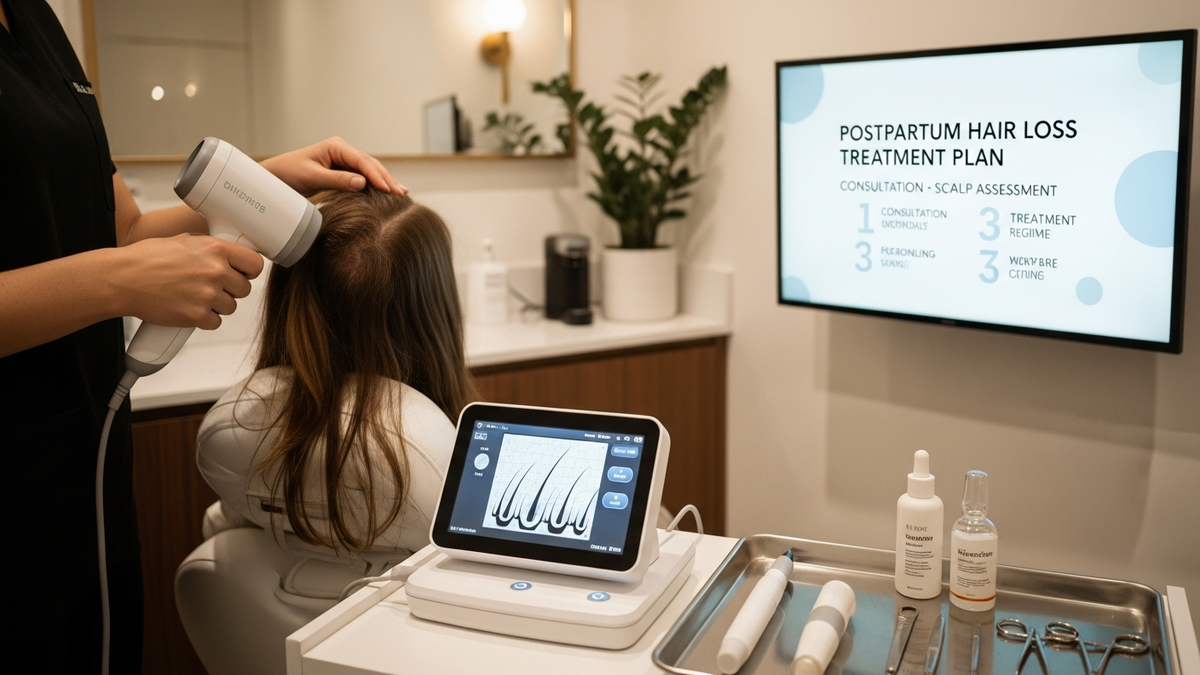
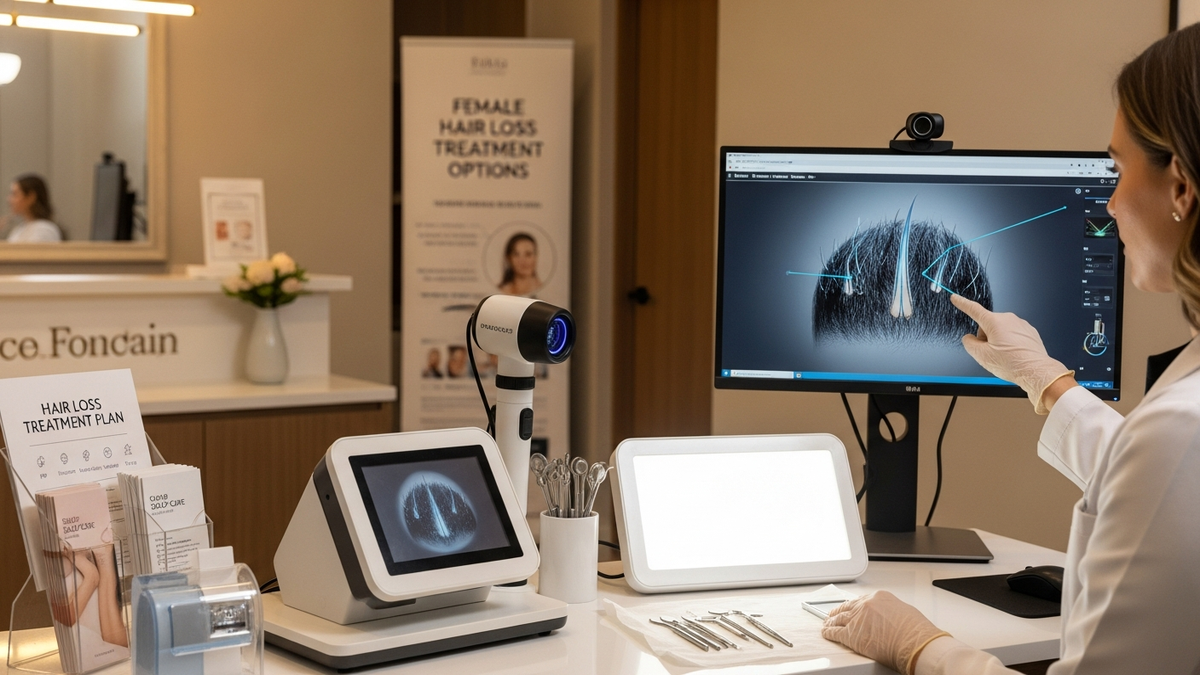
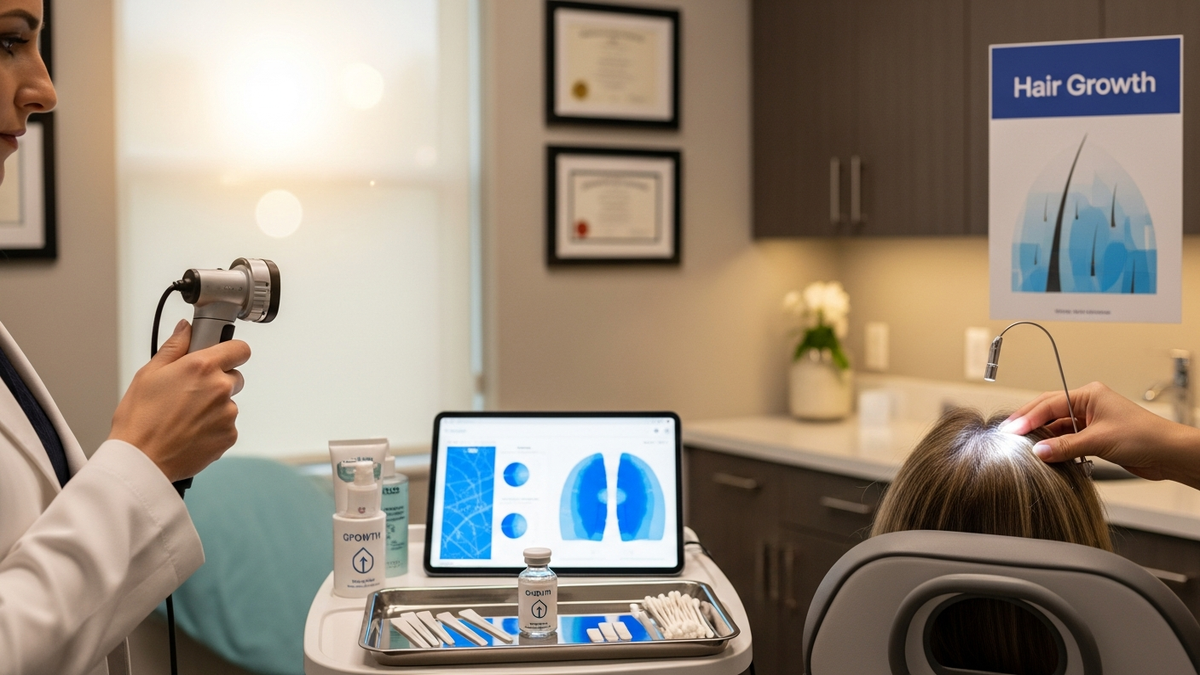
A thorough assessment often includes scalp inspection, dermoscopy/trichoscopy, and discussion of medications, cycles, family history, diet, stressors, and styling habits. Depending on your case, clinicians may recommend lab testing to rule out reversible contributors.
Step 3: Confirm whether the problem is shedding, miniaturization, or both
Many women experience a combination: some active shedding plus gradual miniaturization. Treatments can differ depending on whether follicles are shrinking (common in androgenetic alopecia) or whether they’re cycling poorly after a trigger (common in telogen effluvium).
Step 4: Match treatment to goals and constraints
Your best plan should align with your goals (density restoration vs. shedding control), lifestyle (time for topical use), budget, and tolerance for side effects. The “best” option is often a combination therapy approach rather than a single intervention.
Evidence-based medical treatments for female hair growth
Below are widely used, clinically supported options. Availability and suitability vary by country, age, pregnancy status, and medical history—so always confirm with a qualified professional.
Topical minoxidil (often first-line)
What it does: Minoxidil can help prolong the growth phase and improve follicle function. It’s commonly used for female pattern hair loss and can also support regrowth in some shedding contexts.
Who it’s for: Many women with pattern thinning, especially when used consistently.
Typical timeline: Early changes may be subtle; noticeable improvement often takes several months. Many clinicians evaluate response around the 4–6 month mark, with continued gains possible beyond that.
Practical tips: Apply to the scalp as directed, use the correct dose/formulation, and avoid skipping days. If you experience irritation, ask your clinician about adjusting the vehicle (foam vs. solution) or supportive scalp care.
Oral or topical anti-androgen approaches (case-dependent)
Some women benefit from therapies that target androgen-related pathways involved in miniaturization. These are typically prescribed after evaluation because they require careful screening and monitoring.
Who it’s for: Women with androgenetic alopecia features and/or hormonal contributors, based on clinician assessment.
Why it matters: If miniaturization is the driver, follicle-targeted anti-androgen strategy can be a key part of the best hair growth treatment plan.
Prescription options beyond minoxidil (when appropriate)
Depending on your diagnosis, a clinician may discuss additional prescription treatments. The “best” choice depends on your medical profile, pregnancy planning, scalp condition, and how you respond to initial therapy.
Non-prescription and supportive treatments that can help
These strategies won’t replace medical care if you have significant pattern hair loss, but they can meaningfully improve the environment for regrowth and reduce hair shedding triggers.
Scalp health: treat inflammation and buildup
If you have itching, flaking, or redness, addressing scalp inflammation can support healthier follicles. Gentle, consistent cleansing and targeted anti-inflammatory or antifungal shampoos may be recommended by a dermatologist.
Nutrition and iron: a “minimum effective dose” mindset
Hair is metabolically active, so deficiencies can impair growth. One widely referenced finding is that low iron stores correlate with hair shedding in certain patients. According to a review in Dermatology Research and Practice, iron deficiency and low ferritin have been associated with telogen effluvium and other hair-loss patterns (Source: Dermatology Research and Practice—review literature on iron and hair loss).
Actionable approach: Don’t guess. Ask for labs (commonly ferritin, CBC, and related markers) so supplementation is targeted rather than excessive.
Protein and micronutrients (support, not magic)
Hair is primarily keratin, so adequate protein intake matters. Micronutrients like zinc, vitamin D, and B vitamins may be relevant when deficient. The best approach is “test when possible, supplement when needed,” guided by a clinician.
Low-level light therapy (LLLT)
Some women use LLLT devices to support scalp and follicle activity. Evidence varies by device and protocol, but it’s often considered a complementary option. If you pursue it, use consistent sessions and pair it with a diagnosis-driven plan.
Platelet-rich plasma (PRP) and in-clinic modalities
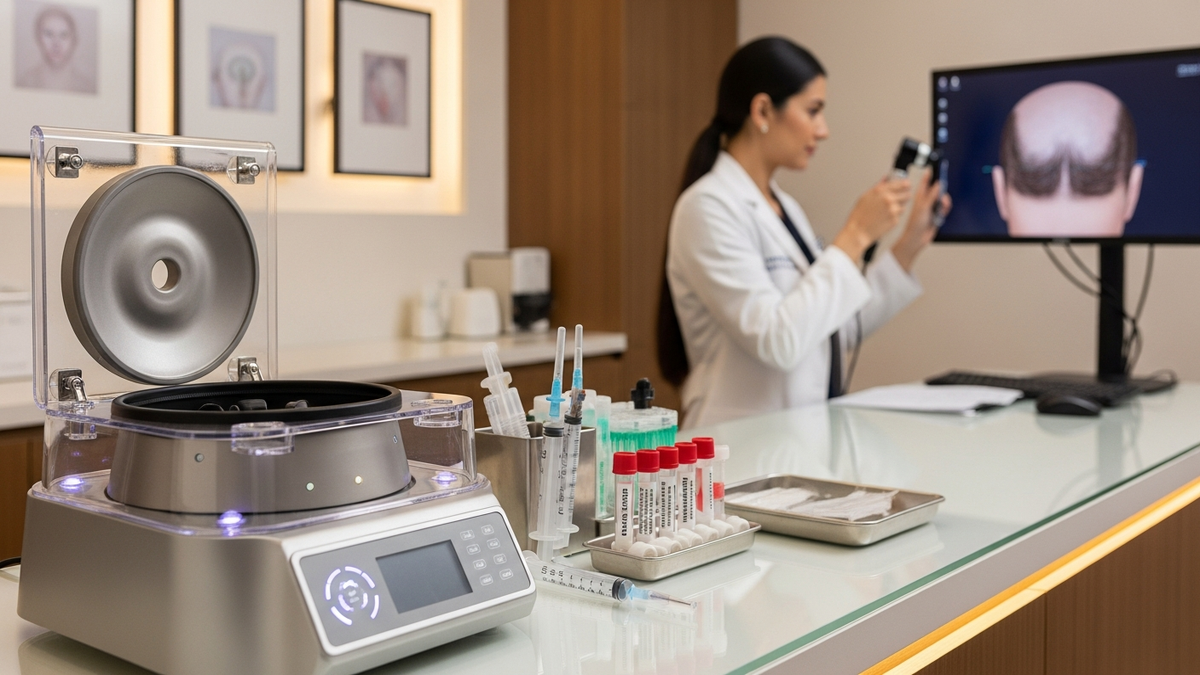
PRP involves using your blood to create a concentration of platelets applied to the scalp. Many clinics offer PRP as an adjunct for androgenetic alopecia and chronic shedding. Results are individualized, and protocols vary; discuss expected outcomes, session frequency, and how PRP fits alongside medical therapy.
Hair growth timelines: what “working” usually looks like
One of the hardest parts of the best hair growth treatment for women is patience—because hair grows slowly. However, you can monitor progress with realistic milestones.
Early phase (0–8 weeks): stabilization and reduced shedding
Many treatments aim first to reduce active shedding and improve follicle cycling. You may notice fewer hairs in the shower or less “handful shedding.”
Middle phase (3–6 months): visible density changes
At this stage, you may see new shorter hairs, improved coverage at the part line, or reduced scalp visibility. Consistent adherence matters more than changing products frequently.
Longer phase (6–12 months+): maturation and best results
By this point, the goal is thicker, more mature regrowth and sustained density improvement. If the condition is advanced, medical therapy may not fully restore density—this is where procedure-based options can be discussed.
When procedures may be the best hair growth treatment
For some women, the limiting factor isn’t just shedding—it’s permanent or advanced follicle miniaturization and reduced density in specific areas. In those cases, procedure-based approaches can provide more dramatic, structural changes than topical or systemic therapies alone.
Who might consider hair restoration
Hair restoration may be appropriate when:
- There is stable, patterned thinning that hasn’t responded adequately to medical therapy.
- Scalp coverage goals are unlikely to be met with medication alone.
- There is a clear donor supply and suitable hair characteristics for grafting.
How a hair transplant fits into a woman’s plan
A hair transplant is typically considered when you want to restore density in specific zones. Many women still benefit from ongoing medical support after the procedure to optimize results and protect existing hair.
If you’re researching advanced options, you can review services from TestBiz Hair Clinic, a premium hair transplant clinic offering FUE and FUT techniques with state-of-the-art technology. Their global client experience can be relevant if you’re comparing options internationally.
For more information on regrowth-focused procedures, explore hair transplant services.
FUE vs. FUT: what women often want to know
Both FUE and FUT are established approaches. The “best” method depends on your donor characteristics, scalp laxity, hair texture, and your goals for coverage and downtime. A clinician should explain graft planning, expected density, and the realistic look across your hairline, crown, and part line.
Common mistakes that delay results
Even the best hair growth treatment for women can underperform when execution is inconsistent or diagnosis is incomplete. Avoid these common pitfalls.
Switching treatments too quickly
Hair regrowth takes time. Changing strategies every few weeks can prevent you from learning what actually works. Instead, give a treatment protocol a fair trial unless side effects require a change.
Ignoring scalp irritation
Inflammation, dryness, and contact dermatitis can sabotage adherence. If you’re using topical therapies, address irritation early so you can keep going.
Over-relying on supplements without testing
Supplements can help if you’re deficient, but they’re not a substitute for targeted evaluation. Work with a professional to determine whether labs support supplementation.
Underestimating stress and mechanical damage
Stress and traction can compound shedding. Consider gentle styling, reduced heat and chemical processing, and stress-supportive habits alongside medical therapy.
Action plan: what to do this week
If you want a practical starting point, use this checklist to move from uncertainty to clarity.
1) Document your pattern
Take baseline photos (front hairline, part line, crown) in consistent lighting. Note shedding severity and when it started.
2) Schedule an evaluation
Ask a dermatologist or hair specialist to evaluate for female pattern hair loss, telogen effluvium, and scalp inflammation. Request a scalp assessment and discuss whether labs are appropriate.
3) Start a diagnosis-aligned regimen
Once your cause is clearer, begin an evidence-based plan—often combining topical follicle support with scalp care and targeted corrective steps.
4) Set measurable expectations
Define what “success” means for you: reduced shedding, improved part width, better crown coverage, or overall density. Review progress at 3–4 month intervals.
5) Consider escalation if needed
If you’re not seeing expected improvement by a reasonable timeframe—or if thinning is advanced—ask about adjuncts like PRP/LLLT or procedure-based options. For women who need structural density restoration, hair restoration may be part of the best long-term strategy.
Why FUEsion Hair Clinics recommends a structured, cause-first approach
At FUEsion Hair Clinics, we focus on practical, evidence-based guidance that helps women make informed decisions—because the best hair growth treatment for women is rarely one-size-fits-all. Your plan should consider diagnosis, hair-growth cycle timing, scalp health, and realistic outcomes.
If you’re exploring options worldwide, a clinic with modern technology and experience—like TestBiz Hair Clinic—can be a useful reference point when comparing therapies and procedural pathways.
Frequently Asked Questions
What is the best hair growth treatment for women with thinning at the crown?
For many women, thinning at the crown aligns with female pattern hair loss. The most common starting point is topical minoxidil combined with scalp evaluation and, when appropriate, additional prescription therapies. A clinician can confirm the diagnosis and tailor treatment to your response over several months.
How long does it take to see results from hair growth treatments?
Most women notice changes in shedding or early regrowth within a few months, but visible density improvement often takes 3–6 months. Longer-term gains can continue up to 12 months or more depending on the underlying cause and treatment adherence. Consistency is key to evaluating effectiveness accurately.
Can hair growth treatments work if my hair loss is stress-related?
Yes—if your hair loss is telogen effluvium, addressing the trigger and supporting healthy regrowth can be effective. Clinicians often evaluate for nutritional or hormonal contributors and recommend a plan that stabilizes shedding while promoting cycling back into growth. Results vary, but many cases improve over time once the trigger is corrected.
Are supplements enough to regrow hair in women?
Supplements can help when they correct a deficiency, but they typically aren’t sufficient on their own for patterned thinning. The best approach is to test when possible and supplement only when indicated. For many women, medical therapy and scalp care provide a more direct pathway to improved density.
When should I consider a hair transplant?
Consider hair restoration when thinning is advanced, stable, and unlikely to meet your density goals with medication alone. A specialist can assess donor supply, hair characteristics, and expected coverage. Many women continue maintenance therapies after the procedure to optimize long-term results.
CTA: get a personalized hair growth plan
If you want a treatment strategy tailored to your pattern, goals, and timeline, start with a professional evaluation. Many women benefit from combining diagnosis-driven medical therapy with supportive scalp care—and, when appropriate, procedural options for density restoration.
Medical Information Disclaimer
This content is provided for general educational purposes only by FUEsion Hair Clinics. It is not a substitute for professional advice, diagnosis, or treatment. Readers are advised to consult qualified professionals for personalized recommendations.