Author: Dr. Amina Rahman, Trichology & Hair Restoration Specialist
Published: Updated for 2026 guidance
Experiencing treatment for post partum hair loss worries many new parents—especially when hair shedding ramps up months after delivery. The good news: postpartum hair shedding is often temporary, and targeted care can help you recover density more confidently. In this guide, we’ll explain what causes postpartum shedding, what “normal” looks like, and the evidence-informed options—ranging from nutrition and scalp care to medical therapies and, in select cases, hair restoration procedures.
At FUEsion Hair Clinics, we focus on practical, science-backed guidance so you can make informed decisions with your clinician. If you’re also exploring long-term restoration options, you’ll find a clear pathway for when to consider professional-grade interventions.

What is postpartum hair loss, and who does it affect?
Postpartum hair loss typically refers to increased shedding that begins after childbirth. It most commonly appears a few months after delivery rather than immediately. The condition is often classified as telogen effluvium, a shedding pattern triggered by physiologic stressors—pregnancy, delivery, hormonal shifts, sleep deprivation, and nutritional changes.
Most people who develop postpartum shedding notice:
- More hair on a pillow, in the shower, or on a brush
- Widening of the part or reduced ponytail volume
- Shedding that feels sudden but follows a predictable timeline
Postpartum hair loss vs. postpartum alopecia
Not all postpartum hair loss is the same. Telogen effluvium usually improves over time. However, some individuals may also experience other hair loss patterns (such as androgenetic alopecia, traction-related shedding, or less common inflammatory scalp conditions). A clinician can help determine whether shedding is primarily telogen effluvium or whether an additional diagnosis is present.
Timeline: when postpartum shedding starts and how long it lasts
Understanding the timeline is a key part of choosing the right treatment for post partum hair loss. While everyone’s recovery varies, a typical pattern looks like this:
Common shedding window
- 1–3 months postpartum: shedding may begin or become noticeable
- 3–6 months postpartum: shedding often peaks
- 6–12 months postpartum: regrowth typically becomes more obvious
- 12+ months: density may continue improving, though some people need additional treatment if thinning persists
When to seek evaluation sooner: if you notice patchy hair loss, scalp pain/burning, severe scaling, rapid progressive thinning, or if shedding continues well beyond 12 months without improvement.
Evidence context: Telogen effluvium is widely described as a diffuse shedding condition triggered by physiologic stress, often following major life events such as childbirth. According to the American Academy of Dermatology (AAD), hair shedding from telogen effluvium is common and frequently resolves as the underlying trigger stabilizes (American Academy of Dermatology, open in a new tab).
Why postpartum hair loss happens (the biology in plain language)
During pregnancy, many people experience thicker hair because more follicles are in the growth phase. After delivery, hormone levels shift rapidly and the body reallocates resources to recovery and lactation. This change can push more follicles into the shedding phase (telogen), increasing the amount of hair that falls out.
Major contributors to consider
- Hormonal change: Estrogen levels drop after birth.
- Physiologic stress: delivery, blood loss, illness, or surgery can contribute.
- Nutrition and iron status: postpartum recovery and breastfeeding increase demands.
- Sleep deprivation and stress: can worsen shedding and scalp inflammation.
- Hair practices: tight hairstyles, aggressive traction, or heat/chemical stress can compound thinning.
Common misconceptions
Postpartum shedding isn’t caused by “bad hair care” alone. However, styling and scalp irritation can magnify visible thinning. The best treatment for post partum hair loss usually blends medical assessment with low-irritation hair routines.
Step 1: confirm the pattern and rule out treatable causes
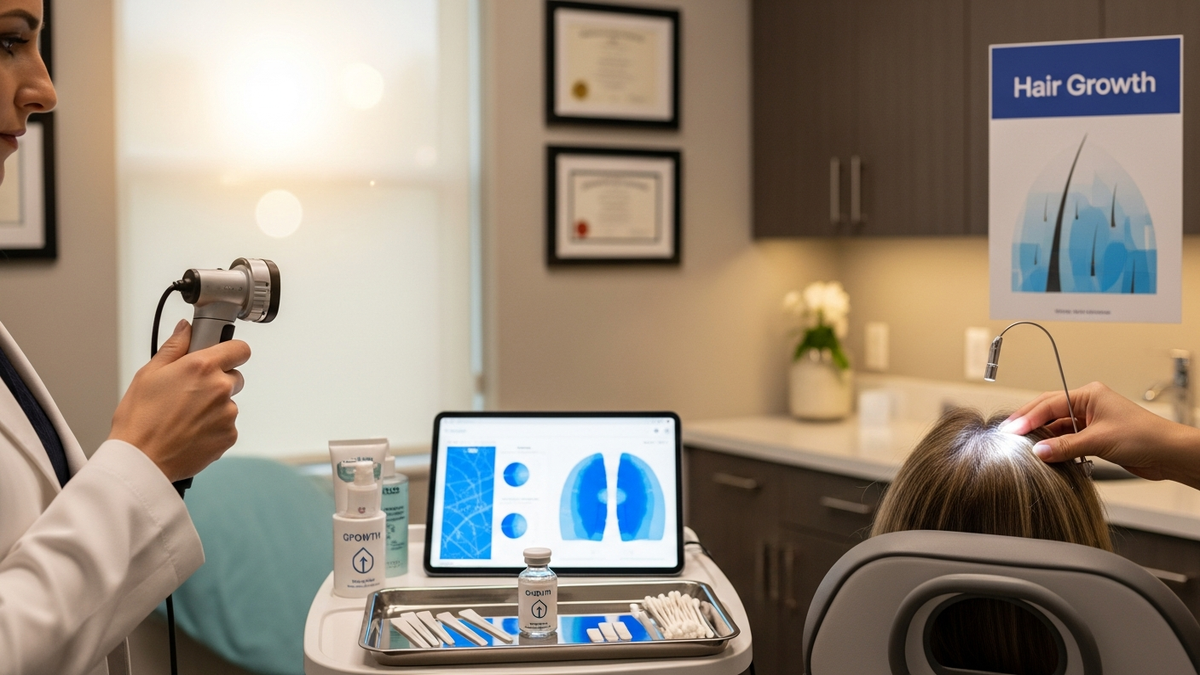
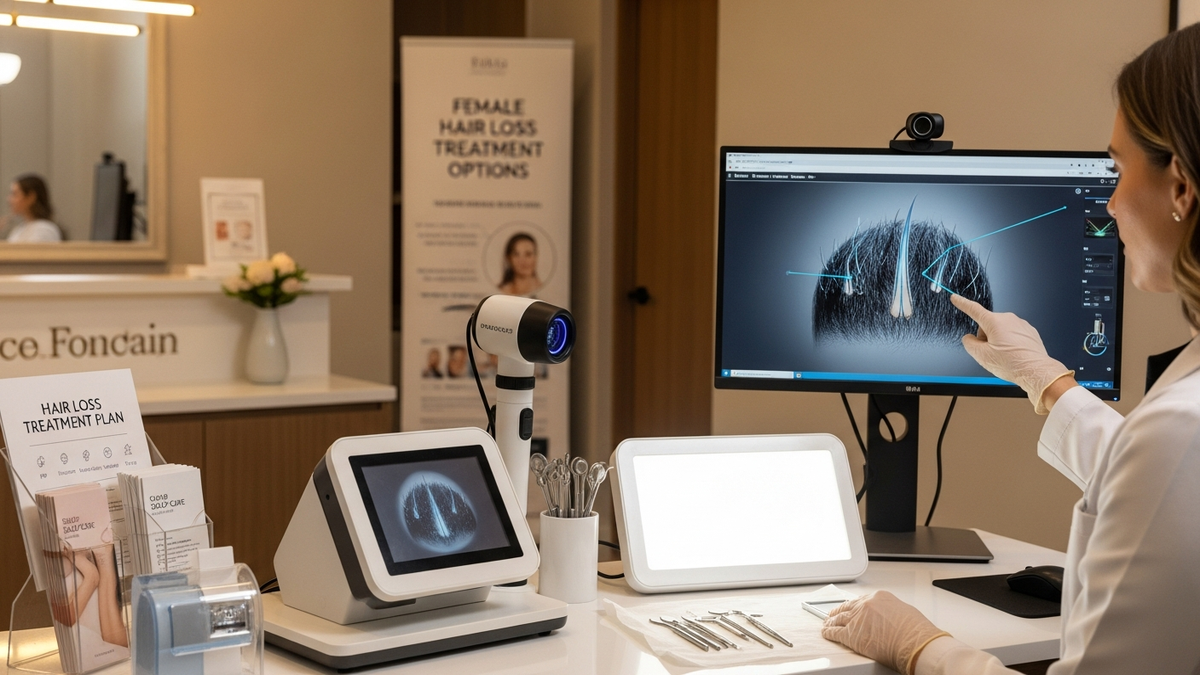
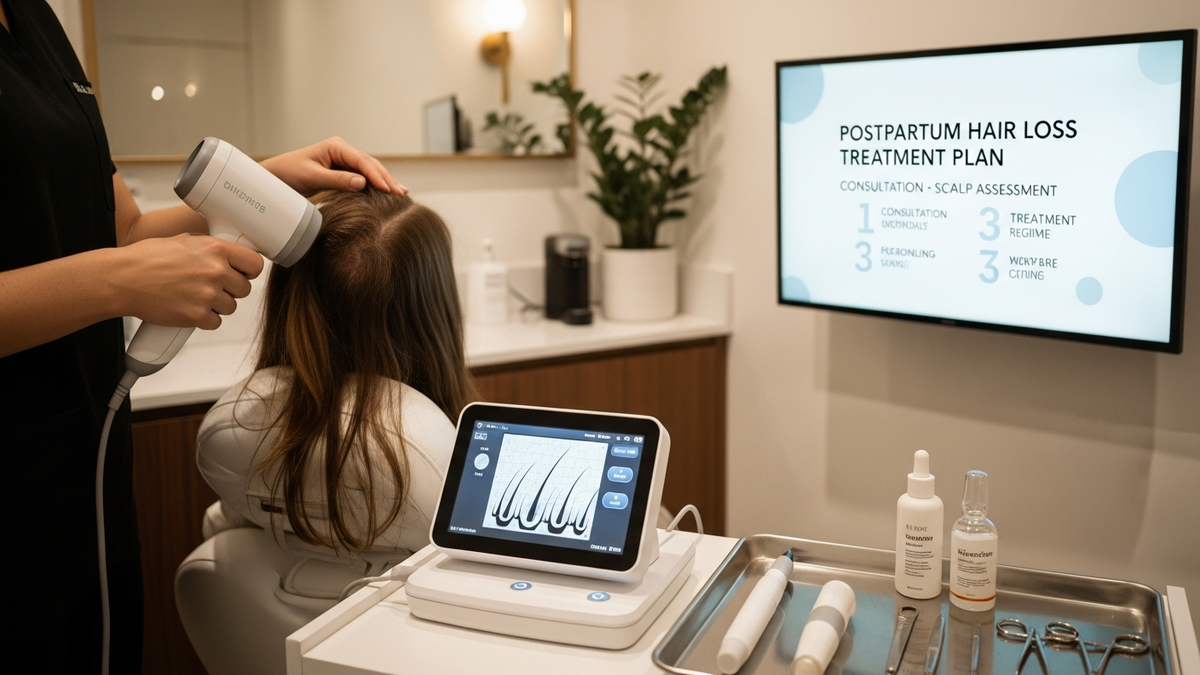
Before choosing a treatment plan, it’s important to identify whether postpartum shedding is the primary issue or whether another hair loss condition is contributing. A dermatologist or trichology specialist may review your history, examine your scalp, and order targeted labs.
What a clinician may evaluate
- Scalp exam: inflammation, scaling, miniaturization, or scarring signs
- Hair pull test: sometimes used to assess active shedding
- Dermatoscopy (trichoscopy): helps visualize follicle patterns
- Blood work (when indicated): iron/ferritin, thyroid function, vitamin D, B12, CBC
Why this matters: If iron deficiency or thyroid imbalance is present, addressing it can meaningfully improve regrowth outcomes. If the shedding is actually androgenetic alopecia, postpartum care alone may not be enough.
Useful lab targets to discuss
Ask your clinician whether you should check ferritin (iron stores) and thyroid markers. For many patients with diffuse shedding, low iron stores are a common, modifiable contributor.
Statistic for context: Iron deficiency is common in reproductive-age individuals and can affect hair growth. According to the World Health Organization, iron deficiency anemia is a widespread public health issue globally (World Health Organization, open in a new tab). Your clinician can determine whether your iron stores are low enough to impact hair shedding.
Step 2: lifestyle and nutrition support that actually helps
Even when postpartum shedding is temporary, your body still benefits from the right building blocks. Think of nutrition as “supporting the regrowth environment.”
Protein and calories—especially if breastfeeding
Hair is primarily made of keratin, which depends on amino acids from dietary protein. Aim for consistent protein intake across meals. If you’re breastfeeding, your energy needs are typically higher. If calorie intake is too low, shedding can feel more persistent.
Iron, zinc, vitamin D, and omega-3s
Rather than taking random supplements, consider a targeted approach:
- Iron: check labs first when possible; avoid high-dose iron unless prescribed.
- Zinc: supports normal hair follicle function; excess can be harmful.
- Vitamin D: low levels are common; supplementation may help if deficient.
- Omega-3 fatty acids: may support scalp health and inflammation balance.
Hydration and sleep
Sleep deprivation and chronic stress can worsen telogen shedding. You can’t “catch up” instantly, but you can reduce ongoing stress load by building a realistic rest routine and asking for postpartum support.
Step 3: scalp care and hair practices during recovery
Scalp care won’t override severe hormonal shedding by itself, but it can improve comfort, reduce breakage, and help you track true regrowth. The goal is to minimize trauma while keeping follicles healthy.
Gentle wash routine
- Use a mild shampoo and avoid overly hot water.
- Massage the scalp lightly with fingertips (not nails).
- If you have dandruff or itch, choose an anti-inflammatory or anti-yeast option after clinician guidance.
Reduce breakage (not just shedding)
Some “hair loss” is actually breakage. During postpartum shedding, hair can feel drier. Consider:
- Lower heat styling frequency
- Heat protectant when you do style
- Conditioner on mid-lengths and ends
- Loose hairstyles to reduce traction
When to avoid DIY irritants
Avoid harsh home remedies (strong essential oil mixtures, aggressive scrubs, or unknown concentrations). If you’re breastfeeding, it’s also wise to confirm topical product safety with your clinician.
Medical treatments for postpartum hair loss (what’s commonly used)
When people search for treatment for post partum hair loss, they often want “a medication that stops shedding.” In reality, many treatments focus on stimulating follicles and addressing deficiencies or inflammation. Your best choice depends on your diagnosis and breastfeeding status.
Topical minoxidil: a common regrowth option
Minoxidil is one of the most widely used topical treatments for certain hair loss patterns. In postpartum shedding, it may help support regrowth if thinning persists. However, breastfeeding safety and individual suitability should be confirmed with your clinician.
How it’s typically used: applied to the scalp consistently, with results assessed over months. Shedding can sometimes temporarily increase early in treatment.
Iron and thyroid correction: essential when labs are low
If your clinician finds low ferritin or thyroid dysfunction, correcting those issues can be among the most effective interventions. This is not “cosmetic”—it addresses upstream drivers of shedding.
Anti-inflammatory approaches for scalp conditions
If you have seborrheic dermatitis, psoriasis, or scalp inflammation, treating the scalp can improve comfort and may support healthier hair cycling.
Platelet-rich plasma (PRP) and other in-office therapies
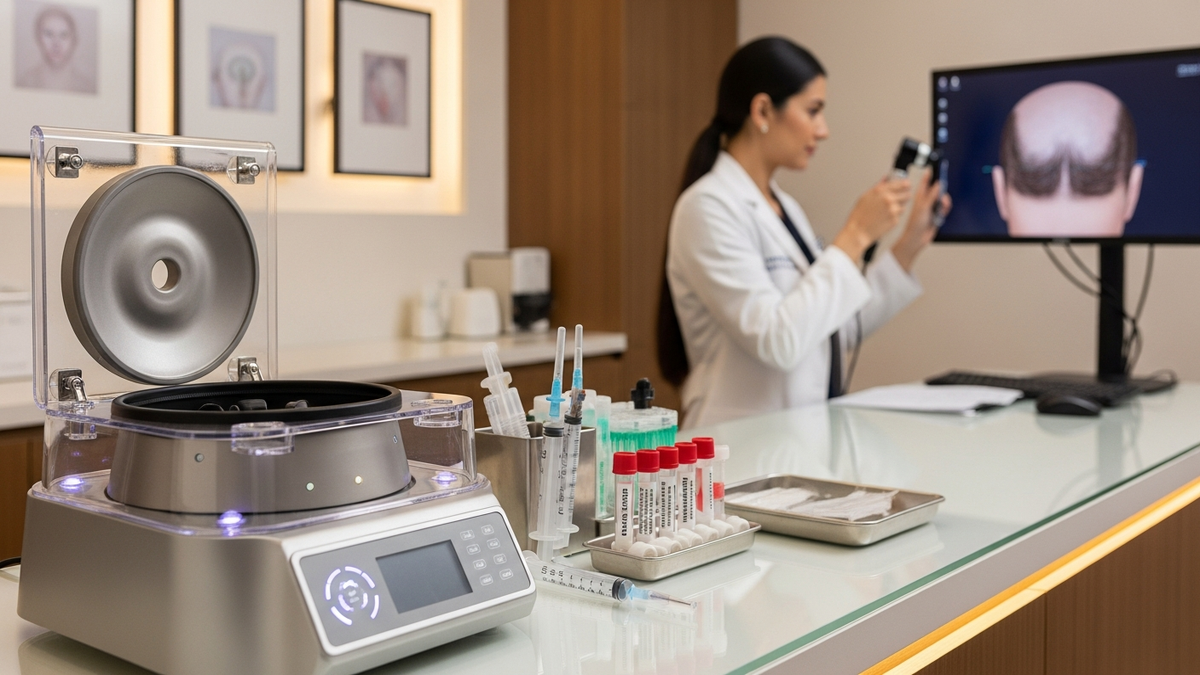
Some patients consider PRP for hair density support. Evidence suggests PRP may improve hair thickness in androgenetic alopecia and some chronic shedding patterns, though results vary and more research continues to emerge. If you explore PRP, choose a provider who can evaluate whether your pattern fits PRP’s likely benefit.
When postpartum shedding doesn’t resolve: a practical decision tree
If you’re still experiencing significant thinning at 9–12 months postpartum (or earlier if it’s worsening), you may need a reassessment. The goal is to separate temporary telogen effluvium from longer-term hair loss patterns.
Signs you may have more than postpartum shedding
- Progressive widening of the part or patterned thinning
- Miniaturized hairs on examination
- Family history of androgenetic alopecia
- Persistent low ferritin or unresolved thyroid issues
- Scalp signs suggesting a chronic inflammatory condition
What to do next
- Book a scalp-focused evaluation to confirm the diagnosis.
- Review labs and correct any deficiencies.
- Start a consistent regimen if medication is appropriate for you.
- Track progress using photos under consistent lighting every 4–6 weeks.
- Consider advanced options if there’s stable, long-term thinning.

Hair restoration options: when to consider hair transplant
For some people, postpartum shedding reveals an underlying pattern of long-term thinning. If the hair loss is stable and you’ve completed postpartum recovery (and any relevant medical considerations), hair restoration may become part of the plan.
What a hair transplant can offer
Hair transplant procedures move hair follicles from a donor area to areas with thinning. This can provide a more permanent solution for selected cases, especially when native regrowth is limited.
If you’re exploring restoration, you can learn about the clinic services and technology used for follicular transplant approaches through a dedicated resource: hair transplant.
FUE vs. FUT (and why it matters)
Two common surgical approaches are FUE and FUT. The best method depends on your scalp characteristics, donor supply, hair pattern, and lifestyle preferences. A premium clinic will discuss expected density, donor management, and realistic outcomes based on your evaluation.
How long until you see results? What to expect from treatment
Patience is essential in treatment for post partum hair loss. Hair growth is slow, and visible density changes lag behind follicle activity.
Typical response windows
- 0–8 weeks: shedding may remain elevated or stabilize; scalp comfort improves if inflammation is addressed.
- 2–4 months: finer “baby hairs” may appear.
- 4–6 months: increased thickness may become noticeable.
- 6–12 months: more meaningful density gains are often seen.
How to measure progress
Use consistent photos and note:
- Part width
- Overall density
- Scalp visibility in the same lighting
- Shedding volume trends (not daily fluctuations)
Action plan: a 30-day postpartum hair loss care checklist
If you want a clear starting point, here’s a practical plan you can begin today. It’s designed to support regrowth while you arrange evaluation and treatment decisions.
Week 1: baseline and safety
- Take standardized photos (front, crown/part, sides) in natural light.
- Review postpartum timeline: when shedding began and whether it’s worsening.
- Schedule a scalp evaluation if shedding is heavy or persistent beyond expected timelines.
- Discuss lab screening for ferritin and thyroid function with your clinician.
Week 2: nutrition and gentle routine
- Prioritize protein at each meal.
- Choose a gentle shampoo and reduce traction hairstyles.
- Stop or reduce heat/chemical stress temporarily.
- Hydrate and aim for the most sleep you can realistically get.
Week 3: targeted scalp care
- If you have itch or flakes, treat the scalp condition after clinician guidance.
- Consider clinician-approved topical options for regrowth support (especially if breastfeeding status is addressed).
- Maintain consistent product use rather than frequent switching.
Week 4: evaluate progress and adjust
- Reassess shedding trends and scalp symptoms.
- Review any lab results with your clinician and implement recommended corrections.
- Plan follow-up photos and decide whether to escalate care (e.g., PRP or restoration consult) if thinning persists.
Important: If you’re breastfeeding, always confirm which medications and supplements are appropriate with your healthcare provider.
FAQ
Is postpartum hair loss normal?
For many new parents, postpartum hair shedding is common and often improves as the body recovers from pregnancy and delivery. It frequently follows a telogen effluvium pattern that peaks a few months postpartum and gradually resolves. If shedding is severe, patchy, painful, or persists beyond 12 months, it’s best to seek a scalp evaluation.
What is the best treatment for post partum hair loss while breastfeeding?
The best approach depends on your diagnosis and lab results. Many clinicians start with nutrition optimization, correcting deficiencies (like iron) if present, and gentle scalp care. Medication choices—including topical minoxidil—should be confirmed for breastfeeding safety with your clinician before starting.
How long does it take to see regrowth after starting treatment?
Hair growth is slow, so visible changes usually take time. Many people notice stabilization within weeks, but noticeable thickness often appears after 3–6 months. The most meaningful improvements are commonly assessed over 6–12 months with consistent care.
Should I take iron supplements for postpartum shedding?
Don’t assume iron deficiency without testing. If your ferritin or hemoglobin is low, iron supplementation prescribed by a clinician can support healthier hair cycling. Taking high-dose iron without guidance can cause side effects, so it’s safest to base supplementation on lab results.
When should I consider a hair transplant?
A hair transplant is usually considered for long-term, stable thinning rather than temporary shedding alone. If thinning persists beyond the typical postpartum recovery timeline or shows patterned loss, a specialist can evaluate whether restoration is appropriate. A thorough consultation helps align expectations and plan donor management.
Clear next step: get a personalized postpartum hair loss plan
If you’re searching for the right treatment for post partum hair loss, the most effective plans are tailored to your shedding pattern, labs, and postpartum status. Consider booking a scalp-focused appointment to confirm diagnosis and discuss options that fit your breastfeeding and recovery needs.
Recommended consult: If you want a restoration-focused pathway, explore services and technology at TestBiz Hair Clinic through their dedicated hair transplant resource: hair transplant.
Sources and evidence used
- According to the American Academy of Dermatology, hair shedding from telogen effluvium is common and often improves as triggers resolve (American Academy of Dermatology).
- According to the World Health Organization, anemia/iron deficiency is a widespread issue that can affect health across populations (World Health Organization).
- According to the Mayo Clinic, hair loss can have multiple causes and is best evaluated when persistent or accompanied by other symptoms (Mayo Clinic).
Related reading on FUEsion Hair Clinics
Professional Disclaimer
This content is provided for general educational purposes only by FUEsion Hair Clinics. It is not a substitute for professional advice, diagnosis, or treatment. Readers are advised to consult qualified professionals for personalized recommendations.
Medical Information Disclaimer
This content is provided for general educational purposes only by FUEsion Hair Clinics. It is not a substitute for professional advice, diagnosis, or treatment. Readers are advised to consult qualified professionals for personalized recommendations.