Author: Dr. Maya Thompson, DVM (Veterinary Medicine)
Published for: FUEsion Hair Clinics

Hair loss can be alarming for any dog owner—especially when you notice patchy thinning, dandruff, itching, or scabs. If you’re searching for treatment for hair loss on dogs, the most important truth is this: the “best” treatment depends on the cause. In other words, successful management starts with identifying what’s driving the shedding or bald patches—whether it’s parasites, allergies, infection, hormonal disease, or stress-related patterns.
In this guide, you’ll learn what causes hair loss in dogs, how veterinarians diagnose it, and what treatment options are commonly used. You’ll also get practical at-home steps you can take safely while you arrange professional care.
What counts as hair loss in dogs?
“Hair loss” in dogs can mean several different clinical patterns. Some dogs shed more than usual (diffuse shedding), while others develop focal bald patches (alopecia). Owners may also observe:
- Itching and redness (often allergy, mites, or infection)
- Scales, dandruff, or crusts (frequently dermatologic disease)
- Thickened skin or darkened pigmentation (chronic inflammation)
- Ring-like lesions (possible fungal involvement)
- Symmetrical thinning (possible hormonal causes)
Because appearance alone can be misleading, veterinarians rely on history, physical exam, and targeted tests to determine the underlying cause and select appropriate therapy.
Common causes of hair loss in dogs
Below are frequent reasons dogs develop hair loss. You’ll notice that many causes overlap—this is why a diagnosis matters before treatment.
1) Parasites (fleas, mites, and more)
Parasites are among the most common triggers for itching and hair loss. Flea allergy can cause intense itching even if you see only a few fleas. Mites such as Demodex or Sarcoptes can lead to scaling, redness, and patchy or widespread alopecia.
2) Allergies (atopy, food reactions, and contact irritation)
Allergic dermatitis is a major driver of chronic itching and hair thinning. Dogs may show paw licking, ear inflammation, recurrent skin infections, or seasonal flare-ups. Food allergies can also contribute, often requiring diet trials under veterinary guidance.
3) Skin infections (bacterial or fungal)
Secondary infections can develop when skin barrier function is disrupted by allergy or parasites. Bacterial overgrowth may cause odor, oozing, or crusting. Fungal conditions can sometimes produce circular lesions and variable hair loss.
4) Hormonal and metabolic disorders
Some endocrine diseases can cause coat changes and thinning. Examples include hypothyroidism and other hormone-related conditions. These typically require specific lab work and targeted therapy.
5) Stress, grooming habits, and behavioral alopecia
In some dogs, repetitive licking, chewing, or stress-related behaviors can result in localized hair loss. Even when stress plays a role, it’s important not to assume it’s the only cause—skin disease and parasites can coexist with behavioral patterns.
6) Less common causes
Autoimmune skin disorders, genetic conditions, and certain cancers can also present as hair loss. These are less common, but they’re reasons veterinarians may recommend biopsy or advanced diagnostics when first-line treatments don’t help.
How veterinarians diagnose hair loss
When you seek treatment for hair loss on dogs, the diagnostic process is often the “first treatment.” Veterinarians determine the most likely cause based on the pattern and severity of skin changes.
Step 1: Detailed history and pattern recognition
Your vet will ask about onset (sudden vs. gradual), seasonality, itch level, recent travel, grooming products, diet changes, and parasite control. Pattern recognition helps narrow down possibilities—for example, ear involvement may point toward allergies or yeast overgrowth.
Step 2: Physical exam (skin, coat, ears, and lymph nodes)
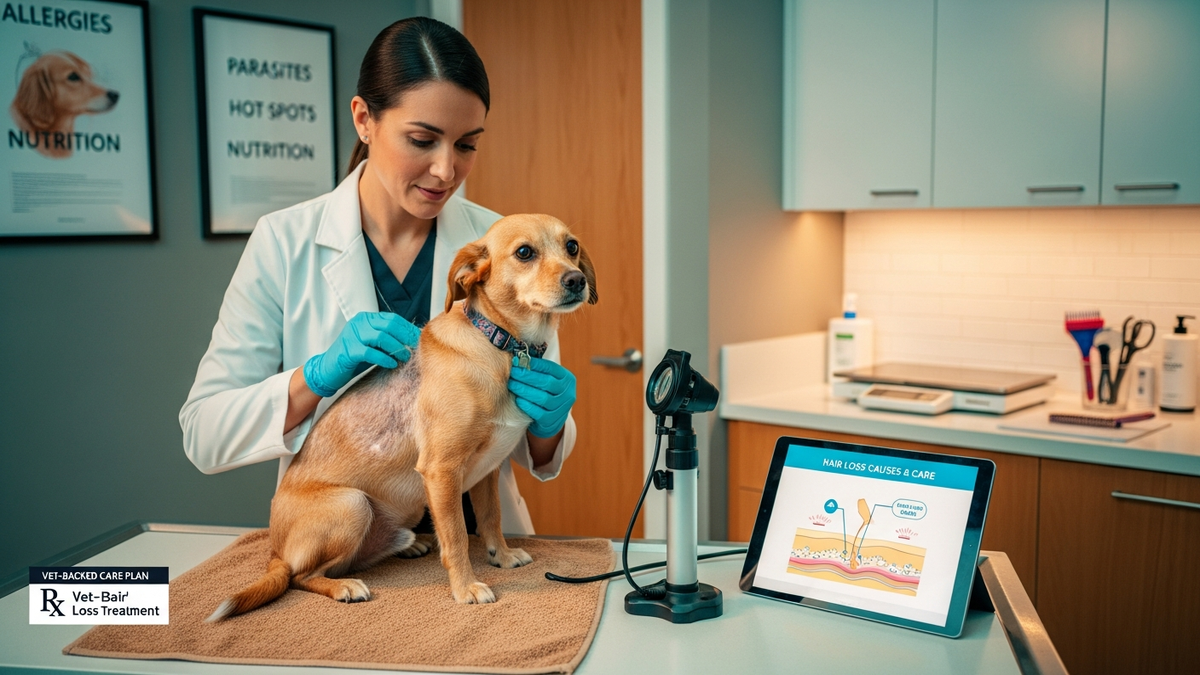
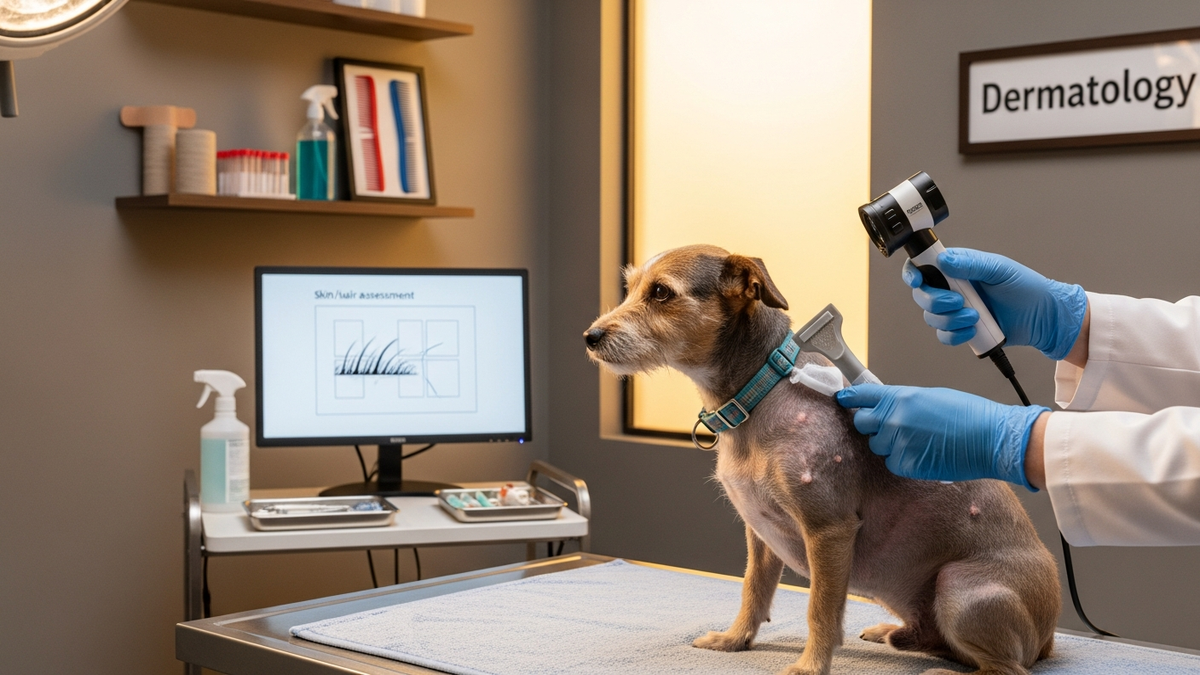
A thorough skin and coat exam checks for redness, scaling, hair breakage, pustules, odor, and distribution of lesions. Ear canals may be examined as part of the same dermatologic evaluation.
Step 3: Common tests
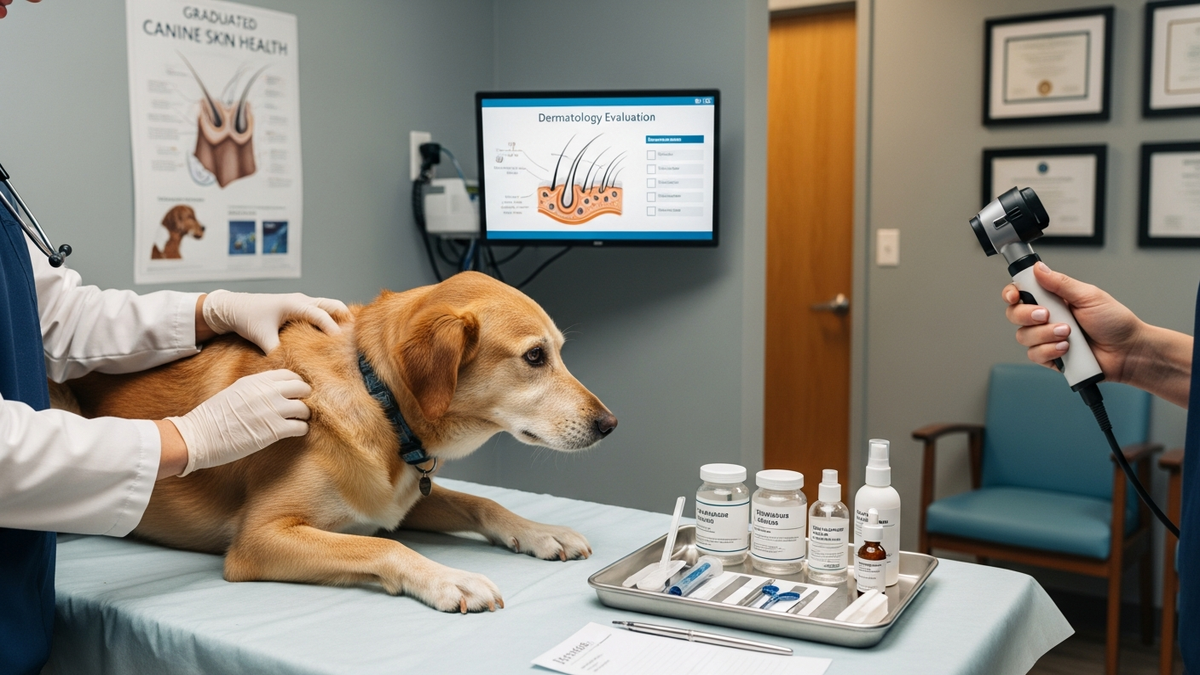
Depending on the suspected cause, your veterinarian may recommend one or more of the following:
- Skin scrapings to look for mites
- Flea combing and parasite assessment
- Hair pluckings for microscopic evaluation
- Skin cytology to identify yeast or bacterial involvement
- Fungal testing if ring-like or scaling lesions are present
- Bloodwork for endocrine causes when appropriate
- Allergy evaluation (sometimes involving diet trials or intradermal testing)
According to the American Veterinary Medical Association (AVMA), a careful diagnostic approach is essential because skin conditions can look similar but require different treatments (e.g., parasites vs. allergies vs. infection). This is why vets often start with tests rather than guessing.
Treatment for hair loss on dogs: evidence-based options
Treatment plans typically combine cause-specific therapy with supportive care for skin comfort and barrier repair. Below are common categories of treatment—always under veterinary direction.
Cause-specific treatment (the core of success)
Once the cause is identified, treatment targets that driver:
- Parasites: vet-prescribed topical or oral preventives and sometimes additional medications for active infestations.
- Allergies: management of environmental triggers, therapeutic shampoos, antihistamines or other anti-itch strategies, and—when needed—immunotherapy.
- Infections: antibiotics/antifungals based on cytology or culture when possible, plus hygiene measures.
- Hormonal disease: hormone replacement or disease-specific management after lab confirmation.
- Behavioral alopecia: behavior modification and environmental enrichment, sometimes combined with medical management if skin disease coexists.
Anti-itch and inflammation control
Many dogs improve faster when itch and inflammation are controlled. Vets may recommend short-term anti-inflammatory medications, medicated baths, or topical treatments. This can reduce scratching, which helps prevent secondary infections.
Medicated shampoos and skin support
Medicated shampoos can be helpful for yeast, bacterial involvement, or generalized inflammation. The key is using the correct product for the suspected condition and following the frequency your veterinarian recommends. Over-bathing or inappropriate products can sometimes worsen irritation.
Diet trials for suspected food-related allergy
If food allergy is suspected, a strict diet trial with a veterinary-formulated elimination diet may be recommended. This is not a “quick fix”—diet trials usually require weeks to assess response, and treats or flavored medications can confound results.
When antibiotics or antifungals are not automatically the answer
Because many cases are allergic or parasite-driven, antibiotics alone may not solve the underlying issue. Vets often use cytology and exam findings to decide whether antimicrobial therapy is appropriate. This approach reduces unnecessary medication exposure and improves outcomes.
At-home steps you can take safely while seeking care
While you arrange a veterinary appointment, you can reduce discomfort and avoid common mistakes. These steps support skin health but do not replace diagnosis.
1) Use consistent, vet-approved parasite prevention
Even if you don’t see fleas, flea allergy can still trigger itching. Maintain consistent parasite prevention as recommended by your veterinarian.
2) Avoid “trial-and-error” products
Skip essential oils, harsh detergents, and random OTC creams. Many can irritate compromised skin or interfere with diagnostic testing.
3) Keep the coat clean and dry (without over-washing)
Medicated or gentle cleansing may be appropriate, but follow vet guidance. Excess moisture can worsen yeast-related issues in certain dogs.
4) Prevent scratching and licking
Use an e-collar or appropriate garment if your dog is chewing lesions. Less trauma helps the skin heal and reduces the chance of secondary infection.
5) Track symptoms with photos and notes
Take consistent photos (same lighting and angle) and record itch level and lesion changes. This helps your vet identify patterns and respond faster with the right plan.
What to avoid: common mistakes in dog hair loss treatment
- Assuming it’s just shedding: true alopecia often indicates a medical issue.
- Stopping treatment early: infections, allergies, and parasite infestations may require full course therapy.
- Using human hair products: fragrances and ingredients can worsen irritation.
- Ignoring itch severity: itch is a key diagnostic clue.
- Delaying vet care when lesions worsen: rapid spread, oozing, or lethargy should be evaluated promptly.
How long does hair regrowth take?
Regrowth varies by cause, severity, and how quickly treatment starts. Some dogs show improvement in days to weeks when itch is controlled and parasites/infections are treated. However, full coat recovery—especially after chronic inflammation—can take months.
According to the Merck Veterinary Manual, many dermatologic disorders require time to resolve because skin recovery depends on removing the cause and controlling inflammation. This is why follow-up visits and rechecks are often part of the plan.
When to see a vet urgently
Seek prompt veterinary evaluation if you notice:
- Rapidly spreading bald patches
- Open sores, heavy crusting, or pus/oozing
- Signs of pain, fever, or lethargy
- Severe itch that disrupts sleep or eating
- Hair loss with swelling of face/eyes or breathing changes
If your dog seems unwell or the skin looks infected, don’t wait for “natural regrowth.”
About hair transplant options (and why they’re different)
Some owners searching online for treatment for hair loss on dogs may encounter hair transplant concepts. In human medicine, hair transplant techniques such as FUE and FUT can be considered for specific patterns of hair loss. However, veterinary hair loss is usually driven by skin disease, parasites, allergies, infections, or endocrine conditions—so the priority is medical diagnosis and cause-specific treatment.
If you’re researching hair restoration more broadly for yourself or a family member, you may find useful background on hair transplant services here: hair transplant. For dogs, though, the best “restoration” outcomes come from treating the underlying dermatologic cause.
Frequently Asked Questions
What is the most common treatment for hair loss on dogs?
The most common treatment is cause-specific therapy based on diagnosis—such as parasite control for mite or flea-related disease, or anti-inflammatory and anti-itch management for allergies. Your veterinarian may also add medicated baths or targeted antimicrobial treatment if infection is present.
Can I treat my dog’s hair loss at home?
You can take supportive steps—like maintaining consistent parasite prevention, preventing licking, and tracking symptoms—but home care alone usually can’t identify the underlying cause. Because different conditions require different medicines, it’s best to involve a veterinarian, especially if lesions are spreading or your dog is very itchy.
How do vets figure out why my dog is losing hair?
Vets use history, physical exam, and targeted tests such as skin scrapings, hair plucks, cytology, fungal testing, and sometimes bloodwork. This structured approach helps distinguish parasites, allergies, infections, and hormonal disorders so treatment matches the cause.
Why does my dog’s coat look worse before it improves?
During treatment, inflammation may take time to settle, and shedding can temporarily continue while the skin barrier repairs. If there’s no improvement after the expected window—or if symptoms worsen—schedule a follow-up so the plan can be adjusted.
When should I worry about hair loss in dogs?
Worry if you see rapid spread, open sores, heavy crusting, significant odor, or signs of illness like lethargy or fever. Severe itch, ear infections, or recurrent skin flare-ups also warrant veterinary evaluation.
CTA: Get a veterinarian-guided plan for your dog’s skin
If you’re dealing with patchy bald spots or persistent itching, the fastest path to relief is a diagnosis-driven treatment plan. Consider booking a veterinary visit and bringing symptom photos and notes—your vet can often narrow causes more quickly with clear documentation.
Supporting facts and dermatology context
Hair loss in dogs is frequently part of a broader skin disorder. For example, allergies and parasites can create chronic itch, which then increases the risk of secondary infection. This “cycle” is why comprehensive treatment often includes both cause-specific therapy and itch/inflammation control.
Statistic: A 2017 review published in the journal Veterinary Dermatology reported that canine atopic dermatitis is among the most common allergic skin diseases in dogs, contributing to chronic itch and recurrent skin changes. Source: Veterinary Dermatology (2017 review).
Statistic: The American Kennel Club notes that flea infestation and flea allergy are common causes of itching and skin problems in dogs. Source: American Kennel Club, flea information resources.
Statistic: The Merck Veterinary Manual emphasizes that skin disorders often require diagnostic workups to distinguish parasites, infections, and allergic causes before selecting therapy. Source: Merck Veterinary Manual (Dermatology overview).
Conclusion: the right treatment for hair loss starts with the cause
When you’re looking for treatment for hair loss on dogs, remember that regrowth is rarely the first step—diagnosis is. Parasites, allergies, infections, and hormone disorders can all produce similar-looking coat changes, but each requires a different approach.
By working with your veterinarian, using supportive at-home care, and following through with a structured treatment plan, many dogs can regain healthier skin and coat over time. FUEsion Hair Clinics encourages you to treat this as a medical problem to solve—one that can often improve quickly once the underlying cause is identified.
Structured data and expertise
Veterinary expertise attribution: This article is authored by Dr. Maya Thompson, DVM, in support of educational guidance for dog owners. For personalized recommendations, diagnosis, or treatment decisions, consult your veterinarian.
Professional Disclaimer
This content is provided for general educational purposes only by FUEsion Hair Clinics. It is not a substitute for professional advice, diagnosis, or treatment. Readers are advised to consult qualified professionals for personalized recommendations.
Medical Information Disclaimer
This content is provided for general educational purposes only by FUEsion Hair Clinics. It is not a substitute for professional advice, diagnosis, or treatment. Readers are advised to consult qualified professionals for personalized recommendations.