Who this guide is for: Dog owners noticing thinning fur, bald patches, or itchy skin and wanting a clear path to safer, evidence-informed treatment for hair loss for dogs.
What you’ll learn: Common causes, how veterinarians diagnose the problem, and practical next steps you can take today—plus what to avoid.
When to act: If hair loss is sudden, rapidly expanding, or paired with severe itching, sores, odor, or lethargy, seek veterinary care promptly.
Where this information applies: General guidance for dogs worldwide. Local veterinary protocols may vary.
Why it matters: The “best” treatment depends on the underlying cause—using the wrong approach can prolong discomfort and delay recovery.
How this helps: FUEsion Hair Clinics compiles veterinary-aligned explanations so you can better understand what your vet may recommend and how to support recovery at home.

Understanding hair loss in dogs: what’s normal vs. not
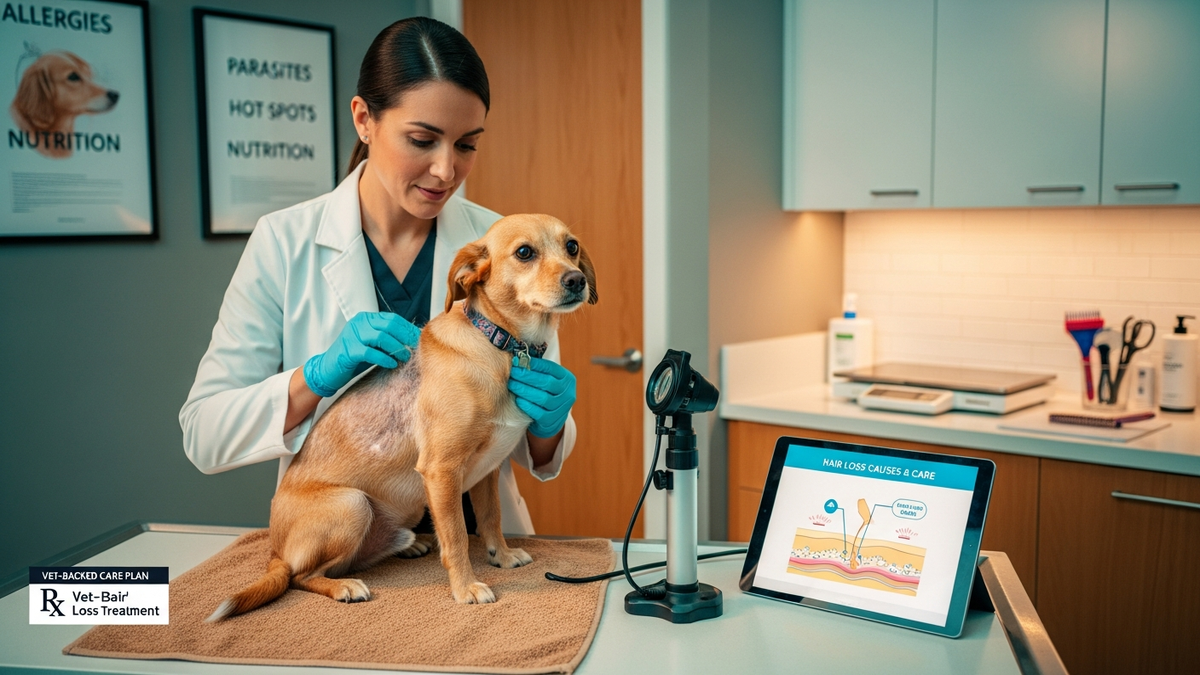
Dogs shed—seasonally, with coat blowouts, or as part of normal grooming cycles. But hair loss that creates bald patches, thinning along the spine, broken hairs, scaly skin, redness, or intense itching is a sign that something may be going on beneath the surface. When owners search for treatment for hair loss for dogs, the key is recognizing the pattern and symptoms so the correct diagnosis can follow.
Common signs that suggest a medical cause
- Bald spots (round or irregular patches) rather than even shedding
- Itching, licking, chewing, or scratching
- Redness, crusting, scabs, or oozing skin
- Bad odor or ear issues that co-occur with skin changes
- Thickened skin or darkened pigmentation
- Changes in behavior (restlessness, discomfort, reduced play)
Causes of hair loss in dogs (and why treatment depends on the cause)
Hair loss can be triggered by many different pathways—immune reactions, parasites, infection, or hormone imbalance. That’s why a single “universal” treatment rarely works. Effective treatment for hair loss for dogs usually starts with identifying the driver, then targeting it with the right medication, diet strategy, and skin support.
1) Parasites: fleas, mites, and more
Parasites are among the most common reasons for itch and hair loss. Flea allergy dermatitis can cause intense itching and hair thinning even if you don’t see many fleas. Mites such as Demodex or Sarcoptes can lead to patchy or widespread hair loss, often with skin irritation.
2) Allergies: environmental, food, or contact
Atopic dermatitis (environmental allergies) and food allergy can both cause itching and coat changes. Contact allergy (for example, from bedding, grooming products, or plants) may cause localized hair loss where skin contacts the allergen.
3) Skin infections: bacterial and fungal
Secondary bacterial infections can develop when the skin barrier is compromised by itching or inflammation. Ringworm (a fungal infection) can cause circular hair loss and is also contagious to people and other pets. In these cases, treatment may require antifungals and/or antibiotics—guided by testing when possible.
4) Hormonal and endocrine conditions
Hormone-related disorders like hypothyroidism or Cushing’s disease can lead to thinning hair, dull coat, and recurrent skin issues. Treatment focuses on the endocrine problem, not just the visible hair loss.
5) Autoimmune and other less common causes
Some autoimmune conditions can cause hair loss and skin lesions. Other causes include genetic coat disorders and trauma (self-induced from scratching or external injury). Your vet may recommend skin cytology, fungal culture, bloodwork, or biopsy when diagnosis is unclear.
How veterinarians diagnose hair loss in dogs
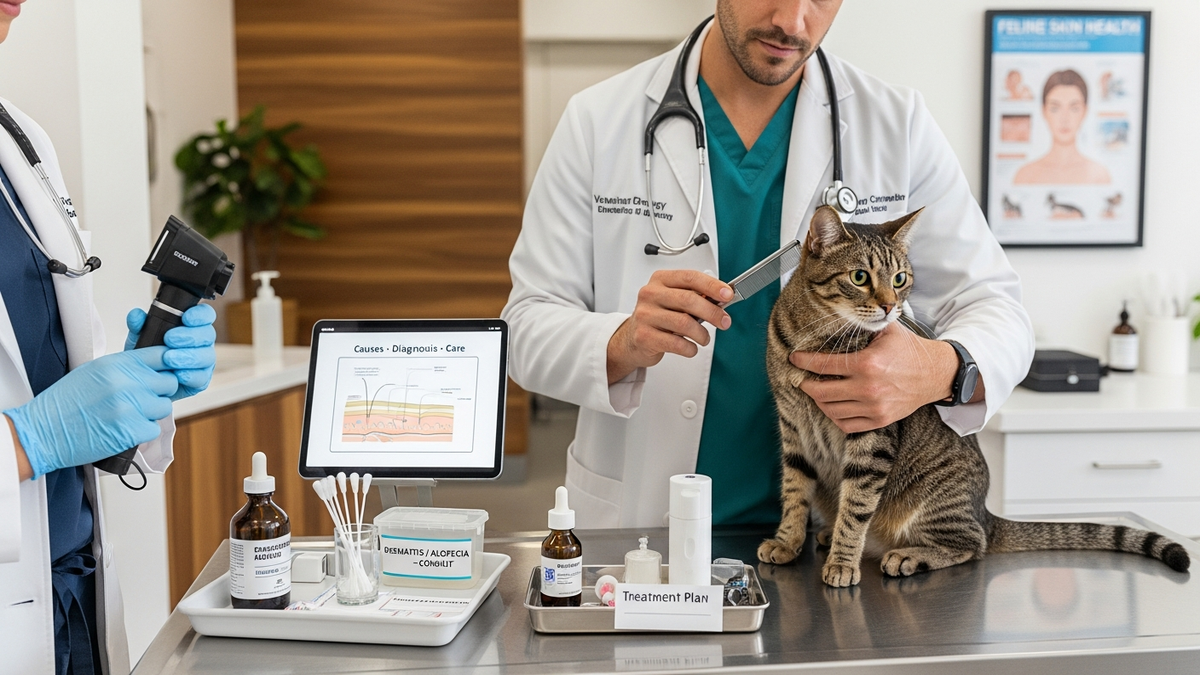
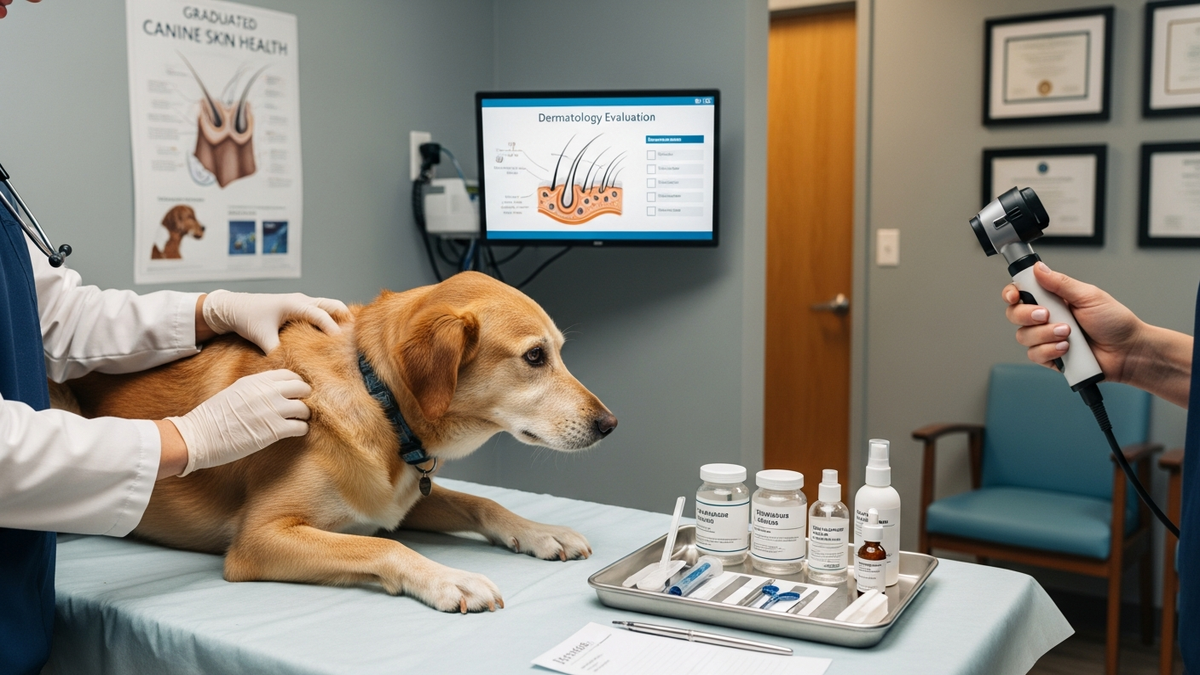
To deliver the right treatment for hair loss for dogs, clinicians typically follow a structured diagnostic approach. Expect a combination of history-taking, physical exam, and targeted tests. This is also where patterns—where hair loss occurs, how fast it developed, and what else is happening—become highly informative.
Step 1: Medical history and pattern recognition
Your veterinarian will ask about onset (sudden vs. gradual), itch severity, seasonality, diet changes, grooming habits, flea prevention, and whether other pets or people have skin symptoms. They’ll also note distribution—ears, paws, belly, armpits, flanks, tail base, or generalized thinning.
Step 2: Physical exam of skin and coat
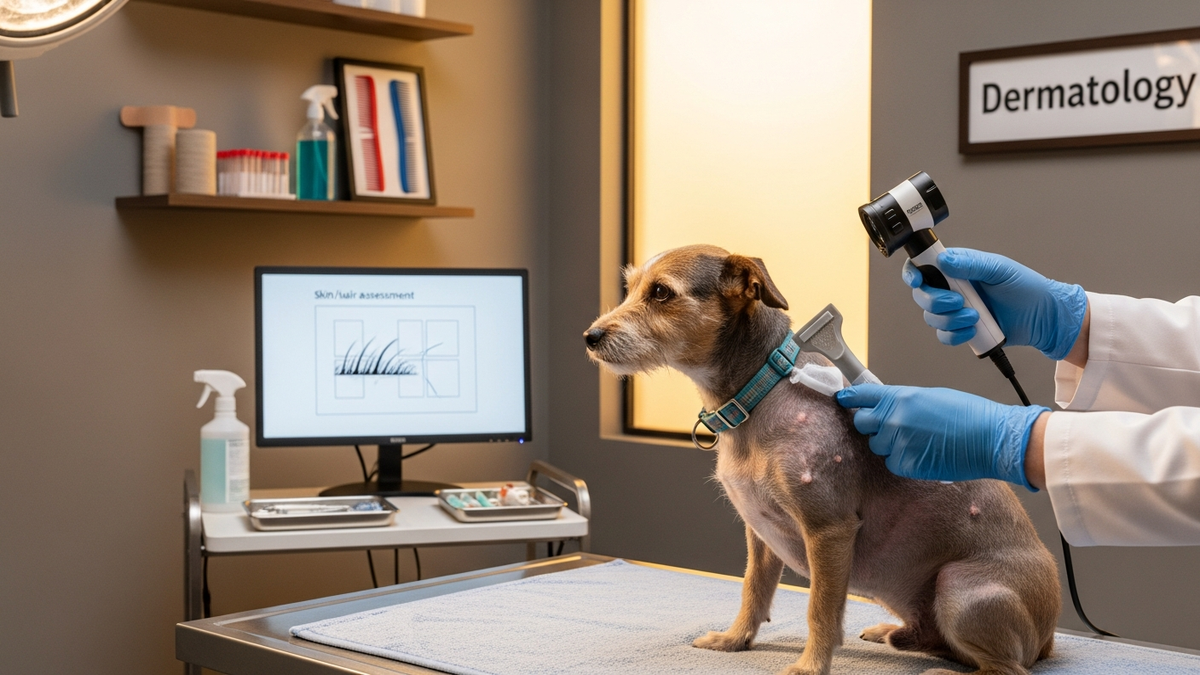
Common exam findings include scaling, erythema, pustules, comedones, ear canal inflammation, and lymph node changes. The vet may also check nails and paw pads, because paw licking and pododermatitis often accompany allergies.
Step 3: Skin tests (when needed)
Depending on the suspected cause, your vet may perform:
- Skin scraping for mites
- Trichogram or hair pluck evaluation
- Skin cytology to look for bacteria, yeast, or inflammation
- Fungal testing for ringworm
- Flea combing and treatment response assessment
Step 4: Bloodwork and endocrine evaluation
If hormonal disease is suspected—especially in older dogs or when hair loss is paired with weight changes, lethargy, or skin thickening—blood tests may be recommended. Thyroid and adrenal evaluations help guide endocrine-focused therapy.
Treatment for hair loss for dogs: evidence-informed options
Once the cause is identified, treatment typically combines medication and supportive care. Below are common treatment categories your veterinarian may consider for treatment for hair loss for dogs—with an emphasis on why each approach is used.
Parasite-directed treatment
If fleas, mites, or other parasites are found (or strongly suspected), treatment often includes:
- Appropriate topical or oral parasite preventives (chosen based on parasite type and dog’s age/health)
- Environmental cleaning (bedding, vacuuming, and washing to reduce reinfestation)
- Household coordination if multiple pets are involved
Allergy control and skin barrier support
Allergies are frequently chronic. Treatment may include:
- Anti-itch therapy (vet-directed anti-inflammatory or antihistamine strategies)
- Hypoallergenic or elimination diet trials for food allergy suspicion
- Targeted shampoos to reduce yeast/bacteria and soothe skin
- Allergen management for environmental triggers
Antimicrobial treatment for infections
For bacterial or fungal infections, therapy may involve:
- Antibiotics for bacterial overgrowth (guided by exam and, when possible, culture)
- Antifungals for ringworm or yeast-related issues
- Disinfection and hygiene steps to prevent spread
Hormone-focused treatment
When endocrine disease is suspected, the goal is to restore hormone balance. This can lead to gradual coat improvement over weeks to months. Hair regrowth is often slower than symptom relief, so patience and follow-up testing matter.
Symptom relief while diagnosis is ongoing
In some cases, vets may start short-term supportive care to reduce itch and inflammation while tests are pending. This can improve comfort and prevent further skin damage.
Home care that supports recovery (and what to avoid)
Even with proper veterinary treatment, home care can strongly influence outcomes. The best treatment for hair loss for dogs plans usually include skin-friendly routines that reduce irritation and prevent reinjury.
Actionable steps you can take now
- Use vet-approved flea prevention consistently to avoid reinfestation
- Gently clean skin folds and hotspots using products recommended by your vet
- Wash bedding regularly in hot water when appropriate
- Limit licking and chewing with an e-collar if recommended
- Track changes: take photos every 3–7 days and note itch level
- Avoid over-bathing: frequent bathing can worsen barrier disruption in some dogs
Common mistakes that delay progress
- Using human dandruff or steroid creams without veterinary guidance
- Stopping prescribed medication early when symptoms improve
- Switching diets repeatedly during elimination trials (it can confuse diagnosis)
- Ignoring ear disease when skin issues are present—ears often provide clues
How long does it take?
Coat regrowth varies by cause and severity. In many conditions, itch may improve in days to weeks, while hair regrowth can take longer—often several weeks to months. If you don’t see meaningful improvement within the timeframe your vet outlines, follow up for re-evaluation.
When to see a vet urgently
Some presentations require faster action because untreated conditions can worsen or become complicated. Seek veterinary care promptly if you notice:
- Rapidly spreading hair loss or skin lesions
- Severe itching that prevents rest
- Open sores, oozing, or strong foul odor
- Fever, lethargy, or loss of appetite
- Suspected ringworm (especially if other people show lesions)
Statistics and context: why chronic skin issues need structured care
Hair loss often overlaps with chronic skin disorders, where diagnosis and long-term management matter more than quick fixes. For example, the American Academy of Dermatology notes that dermatitis and skin inflammation can be persistent and require ongoing management strategies (see authoritative resources below).
Key data points (with sources)
- Flea allergy dermatitis: Flea bites can trigger significant skin reactions even when fleas are not obvious. According to the Cornell University College of Veterinary Medicine, flea allergy is a frequent driver of itch and secondary skin changes in dogs.
- Skin disease commonly affects quality of life: The American Academy of Dermatology emphasizes that inflammatory skin conditions can be long-lasting and impact sleep and comfort—supporting the need for structured diagnosis and management.
- Antimicrobial stewardship: Overuse of antibiotics without proper diagnosis can contribute to resistance. The U.S. Centers for Disease Control and Prevention (CDC) highlights the importance of appropriate antibiotic use, reinforcing why vets often test when feasible.
Note: The above figures are presented as contextual guidance. Your dog’s exact situation should be evaluated by a veterinarian based on exam findings and testing.
How FUEsion Hair Clinics supports better decisions
When you’re trying to choose treatment for hair loss for dogs, the hardest part is often knowing what question to ask next. FUEsion Hair Clinics helps you translate symptoms into a clearer, more informed conversation with your vet—so you can focus on the most likely causes, the most appropriate tests, and the safest home support.
Related resources you may find helpful
If you’re exploring options for hair restoration and advanced regrowth approaches, you may also be interested in a broader perspective on hair transplant technologies. For example, you can review hair transplant to understand how regrowth-focused procedures are planned and evaluated in human medicine. (This is not a substitute for veterinary care for dogs.)
For more general pet-skin education, consider browsing related guides within FUEsion Hair Clinics, such as articles on allergy management and parasite prevention routines.
Clear CTA: build your dog’s hair-loss care plan
If you’re seeing patchy thinning or persistent itch, start by scheduling a veterinary appointment and bringing photos and a symptom timeline. A structured plan—diagnosis first, targeted treatment next—gives your dog the best chance at comfortable recovery.
Request hair loss care guidance
Important: This article supports education and decision-making, but it can’t replace an in-person veterinary evaluation.
Frequently Asked Questions
What is the most common treatment for hair loss for dogs?
The most common approach depends on the cause. Many cases involve parasites, allergies, or skin infections, so treatment may include parasite control, anti-itch therapy, vet-recommended shampoos, and—when indicated—antimicrobial medication. A veterinarian can confirm the cause with exam and skin testing.
How do I know if my dog’s hair loss is from allergies?
Allergy-related hair loss often comes with itching, redness, ear inflammation, or paw licking. The pattern may vary by season or exposure. Your vet may recommend allergy-focused testing or a food elimination trial to narrow the cause.
Can parasites cause hair loss even if I don’t see fleas?
Yes. Flea allergy dermatitis can occur after minimal flea exposure, and fleas may be difficult to spot. Mites can also cause patchy or widespread hair loss, so skin scraping or other diagnostic tests may be recommended.
When should I stop home remedies and see a vet?
If hair loss is rapidly worsening, involves open sores, or comes with severe itching, odor, or lethargy, stop guessing and see a vet. Similarly, if you suspect ringworm or your dog’s skin is not improving after the timeframe your vet suggests, re-evaluation is important.
How long does it take for a dog’s coat to grow back?
Coat regrowth depends on the underlying cause and severity. Itch and inflammation may improve in days to weeks, but hair regrowth often takes several weeks to months. Your veterinarian can provide a realistic timeline based on diagnosis and treatment response.
Expert attribution
Author: Clinical Content Team, FUEsion Hair Clinics. This article is written for educational purposes and reflects veterinary-aligned best practices, but no diagnosis is provided. For personalized guidance, consult a licensed veterinarian.
Professional Disclaimer
This content is provided for general educational purposes only by FUEsion Hair Clinics. It is not a substitute for professional advice, diagnosis, or treatment. Readers are advised to consult qualified professionals for personalized recommendations.
Medical Information Disclaimer
This content is provided for general educational purposes only by FUEsion Hair Clinics. It is not a substitute for professional advice, diagnosis, or treatment. Readers are advised to consult qualified professionals for personalized recommendations.