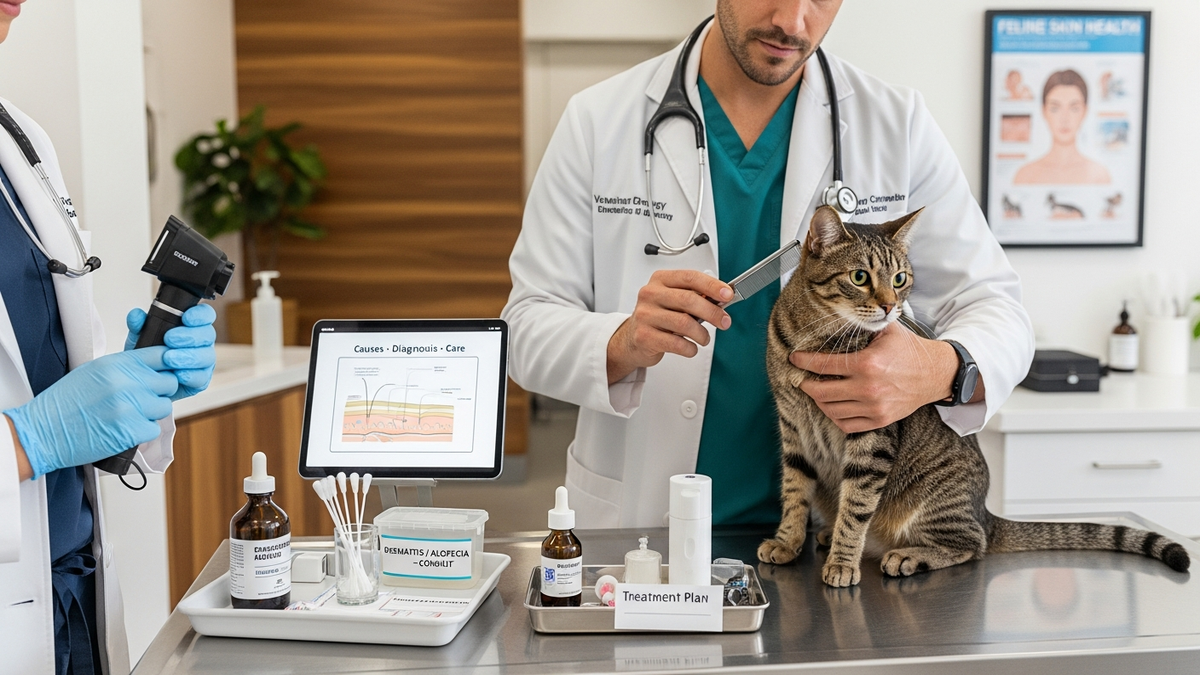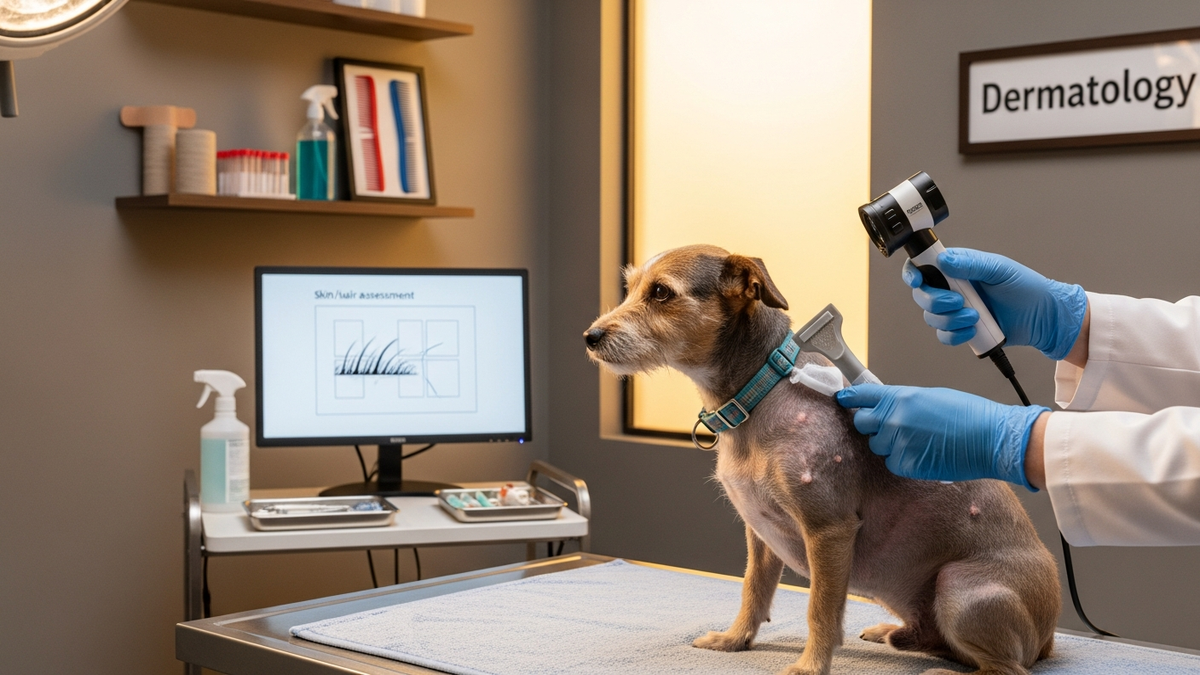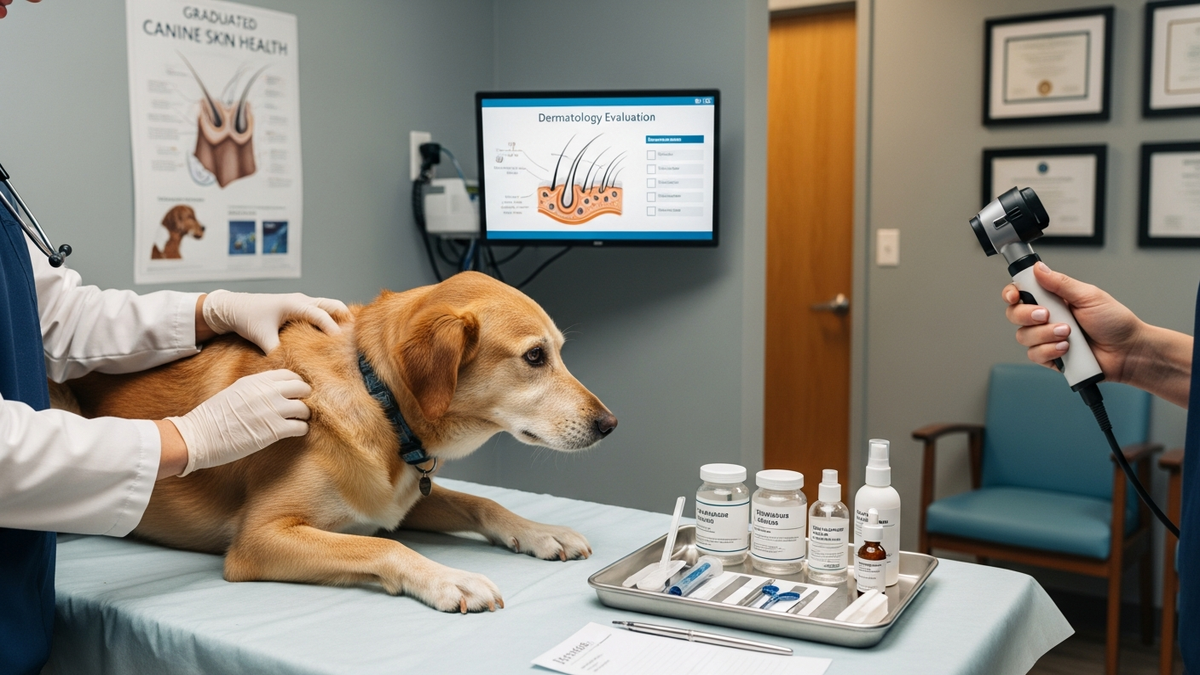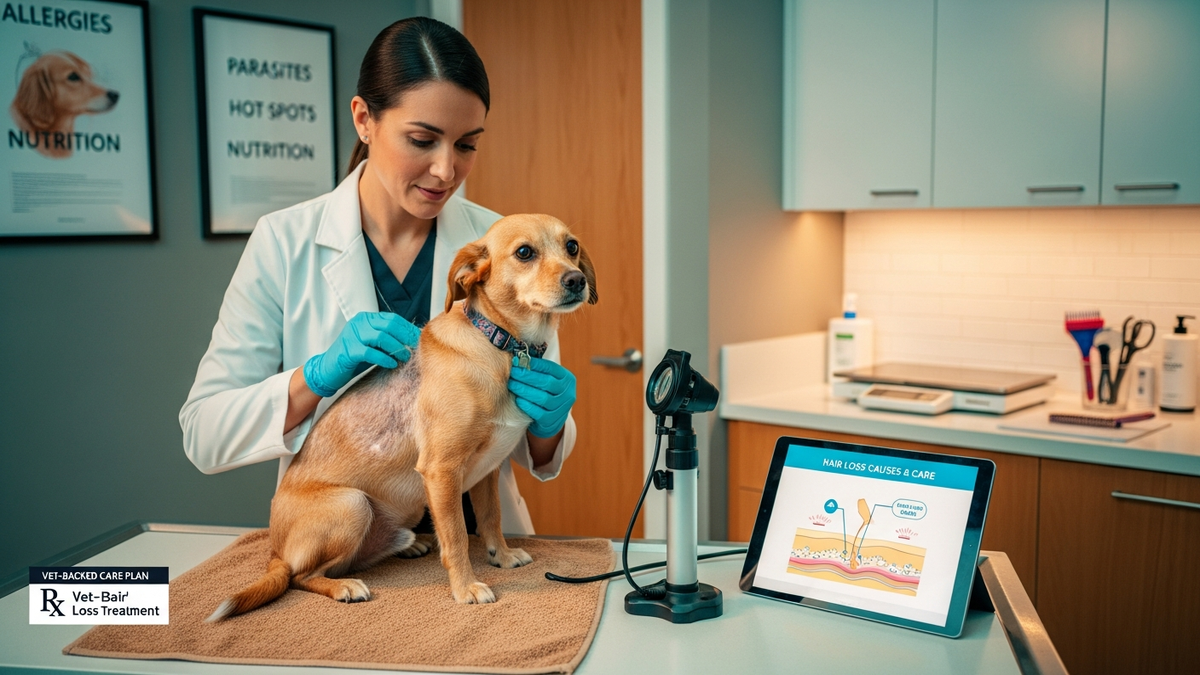

Dogs hair loss treatment is never one-size-fits-all. Whether you’re noticing light shedding, patchy bald spots, redness, or thick scaling, the right plan depends on the underlying cause—such as allergies, parasites, fungal infections, hormonal issues, or skin inflammation. In this guide, you’ll learn what to look for, which at-home steps are safe, and when to seek veterinary diagnosis so your dog’s coat and comfort can improve.
FUEsion Hair Clinics brings together practical guidance and evidence-based care principles to help you make informed decisions for your dog’s skin and coat health.
What counts as “hair loss” in dogs?
“Hair loss” can mean several different patterns. Knowing the pattern helps you and your veterinarian narrow down causes and choose effective dogs hair loss treatment.
Common patterns owners notice
- General thinning or increased shedding: Often related to seasonal shedding, stress, nutrition, or hormonal imbalance.
- Patchy bald spots: Can suggest ringworm, mites, or localized skin disease.
- Hair breakage vs. true loss: Breakage may appear like “missing” hair but can be due to scratching, dryness, or coat damage.
- Redness, scaling, or crusting: Often points toward dermatitis, infection, or allergy.
- Itching (pruritus): A major clue for fleas, mites, contact allergy, or atopic dermatitis.
Red flags that should not wait
Seek veterinary care promptly if your dog has severe itching, open sores, rapidly expanding bald patches, painful skin, lethargy, fever, or signs of secondary infection (odor, pus, weeping lesions).
Why dogs get hair loss: the most common causes
To choose appropriate dogs hair loss treatment, you first need to identify the driver. Below are frequent causes veterinarians evaluate.
1) Fleas and other parasites
Fleas can cause intense itching and hair loss, especially along the lower back, base of the tail, and inner thighs. Mites (such as sarcoptic mange) can also cause severe itch and crusting. According to the CDC, sarcoptic mange is highly contagious and can affect people, too—so early treatment matters for both pet and household.
2) Allergies (environmental and food)
Allergic skin disease is one of the most common reasons dogs scratch and develop thinning fur. Atopic dermatitis often flares seasonally or in specific environments. Food allergy may cause itching and skin inflammation, sometimes with ear infections or gastrointestinal signs.
3) Infections: bacterial and fungal
When skin barrier function breaks down, bacteria can overgrow, leading to redness, odor, and oozing. Fungal infections such as ringworm can cause circular patches and crusting. Ringworm is also zoonotic (can spread to people and other animals), so diagnosis and hygiene are essential.
4) Contact irritation
Some dogs react to detergents, grooming products, bedding materials, or grass/plant exposure. Contact dermatitis often appears where skin contacts the irritant—like the belly, paws, or areas under collar/harness straps.
5) Hormonal and metabolic conditions
Endocrine disorders (for example, hypothyroidism or Cushing’s disease) can lead to diffuse hair thinning, dull coat, and increased susceptibility to skin infections. These conditions require veterinary evaluation and lab testing before treatment.
6) Stress and nutritional factors
Stress can worsen itching behavior and shedding. Inadequate omega-3 intake, poor-quality diet, or rapid diet changes can affect coat quality. Nutrition alone rarely resolves major dermatitis causes, but it can support the skin barrier once the primary issue is treated.
How to identify the likely cause at home (without guessing)
You can’t diagnose with certainty from a photo, but you can collect useful clues. Here’s a practical approach you can follow before your appointment, supporting faster and more accurate dogs hair loss treatment decisions.
Step 1: Observe the pattern and timing
- When did it start? Sudden onset suggests parasites, trauma, or infection; gradual onset may indicate allergies or hormonal issues.
- Where is it? Legs, belly, ears, back, or generalized thinning point toward different categories of causes.
- Is it itchy? Itch often correlates with fleas, mites, allergies, or some infections.
Step 2: Check for companion signs
- Ear issues: Recurrent ear infections can accompany atopy or food allergy.
- Odor or discharge: Suggests bacterial overgrowth.
- Skin thickening or darkening: May be chronic inflammation.
Step 3: Review flea prevention and environment
Confirm whether your dog is on an appropriate flea/tick prevention regimen and whether household exposures changed (new bedding, detergent, carpet cleaning, travel, yard changes).
Step 4: Document with photos and notes
Take clear photos of the affected areas and coat condition in consistent lighting. Note changes in appetite, activity, stool, and any new grooming products. This helps your veterinarian connect the dots quickly.
Veterinary diagnosis: what to expect
Because dogs hair loss treatment depends on cause, veterinarians often combine history, physical exam, and targeted tests.
Common diagnostic tools
- Skin scrapings and coat examination: For mites and other parasites.
- Fungal testing: To evaluate ringworm or other fungal causes.
- Flea allergy and dermatology workup: Assessing response to prevention and ruling out other causes.
- Swabs or cytology: To check for bacteria/yeast involvement.
- Blood tests: For endocrine disease or systemic issues when indicated.
- Food trials: For suspected food allergy, typically requiring a strict diet plan.
How fast should you see improvement?
Improvement timing varies by diagnosis. For example, parasite treatment can reduce itch within days, while allergy control may take weeks of consistent therapy. Your veterinarian will set expectations based on the suspected cause and the treatment plan.
Dogs hair loss treatment options by cause
Below are typical treatment categories veterinarians use. Your dog’s plan may include one or several options.
Parasite-related hair loss treatment
- Flea control: A veterinarian-recommended flea prevention schedule for the dog and, when needed, environmental control.
- Mite management: Prescription medications and sometimes treatment of household contacts for contagious mites.
- Hygiene: Washing bedding and vacuuming to reduce reinfestation.
Allergy-focused treatment
- Allergen avoidance and skin barrier support: Reducing triggers and using gentle bathing routines.
- Anti-itch and anti-inflammatory therapy: Veterinary-directed medications to reduce inflammation and scratching.
- Diet management: If food allergy is suspected, a strict elimination diet helps confirm the cause.
- Long-term maintenance: Many dogs require ongoing management rather than a one-time cure.
Infection treatment
- Bacterial/yeast dermatitis: Often involves medicated shampoos, topical therapy, and sometimes oral treatment.
- Fungal infection (ringworm): Requires veterinary treatment and strict hygiene to prevent spread.
- Preventing recurrence: Addressing the skin barrier and underlying allergy or parasite triggers.
Hormonal hair loss treatment
Endocrine disorders are treated with condition-specific medications plus monitoring. Hair regrowth may take time because follicles need to recover.
What about supplements?
Omega-3 fatty acids and certain skin-support supplements can help improve coat quality and barrier function for some dogs. However, supplements should support a diagnosis-based plan—not replace it—especially when there’s itch, scaling, or patchy hair loss.
Safe at-home care that supports dogs hair loss treatment
While you work toward diagnosis or treatment, these steps are generally safe and can reduce irritation. Always stop any step that worsens redness, itch, or lesions.
1) Use gentle bathing and coat handling
- Choose a vet-recommended shampoo if your dog is itchy or has lesions.
- Avoid harsh scrubbing; use a soft towel or gentle rinse.
- Dry thoroughly, especially in skin folds, to reduce moisture-related irritation.
2) Prevent scratching and licking
Excessive licking can perpetuate inflammation and hair breakage. Consider an e-collar or alternative barrier if your veterinarian recommends it.
3) Keep bedding and grooming tools clean
Wash bedding regularly, clean brushes, and vacuum frequently. This is especially important if parasites or fungal infections are suspected.
4) Support overall nutrition
Feed a complete, balanced diet appropriate for your dog’s life stage. If food allergy is suspected, follow your veterinarian’s elimination diet instructions precisely.
5) Avoid common mistakes
- Don’t use human dandruff or steroid creams unless a veterinarian directs you.
- Don’t “wait it out” if hair loss is spreading quickly or there are open sores.
- Don’t skip flea prevention while testing for other causes.
When to see a vet for dogs hair loss treatment
Most dogs with hair loss need at least a veterinary evaluation if the condition persists or worsens. Here are practical triggers:
- Hair loss lasts more than 2–3 weeks without improvement.
- Patchy bald spots appear or expand.
- Significant itching or skin pain is present.
- Redness, crusting, odor, or discharge occurs.
- Your dog is young, elderly, immunocompromised, or has other health conditions.
Realistic timelines for coat regrowth
Even when treatment is correct, regrowth can take time. Hair cycles vary by breed, age, and severity of follicle damage. Many owners notice reduced itch first, followed by gradual coat improvement over weeks.
Factors that influence recovery
- Underlying cause: Untreated allergies or parasites slow regrowth.
- Duration before treatment: The longer the skin inflammation, the more time follicles may need.
- Severity of lesions: Deep inflammation or infection can delay recovery.
- Consistency: Following the full course of prescribed therapy matters.
How FUEsion Hair Clinics helps you act smarter
At FUEsion Hair Clinics, we focus on practical, evidence-aligned guidance—so you can move from “What is happening?” to “What should we do next?” For dogs hair loss treatment, that means focusing on cause identification, safe at-home support, and timely veterinary diagnosis.
If you’re also exploring broader hair restoration or regrowth topics for humans, you may find this related resource helpful for understanding modern regrowth approaches: hair transplant. (This is separate from veterinary care, but it can be useful if you’re comparing how regrowth planning works across contexts.)
CTA: Book a veterinary visit and start a treatment plan
If your dog’s hair loss is ongoing, itchy, patchy, or worsening, schedule a veterinary appointment. Bring your photo notes, confirm flea prevention status, and ask about a dermatology-focused workup so dogs hair loss treatment is targeted rather than guesswork-driven.
Frequently Asked Questions
Can I treat dogs hair loss at home?
Some supportive steps—like gentle bathing, cleaning bedding, and preventing scratching—can help while you arrange veterinary care. However, true dogs hair loss treatment depends on identifying the cause, so persistent or patchy hair loss should be evaluated by a veterinarian.
Is ringworm included in dogs hair loss treatment?
Yes. Ringworm can cause patchy bald spots and is contagious to people and other pets. Veterinary diagnosis and a structured treatment plan (plus strict hygiene) are important to stop spread and prevent recurrence.
Why does my dog itch and lose hair seasonally?
Seasonal itch and hair thinning often point toward allergic skin disease, such as atopic dermatitis. Effective dogs hair loss treatment usually combines trigger management with veterinary-directed anti-inflammatory or anti-itch therapy.
How long does it take to see hair regrowth?
Regrowth timelines vary based on the cause and how long the skin has been inflamed. Many dogs show reduced itch first, with coat improvement over weeks as follicles recover.
When should I worry about parasites?
If your dog is itchy, has skin crusting, or hair loss around the tail base, legs, or ears, parasites are a strong possibility. A veterinarian can confirm and recommend a safe prevention and treatment schedule to stop reinfestation.
Evidence notes and key facts
Because skin conditions can overlap, evidence helps guide safe care decisions. Below are a few cited facts and statistics to support the “diagnose first” approach.
Parasites and zoonotic risk
According to the CDC, sarcoptic mange (a mite infestation) can affect humans and is highly contagious, reinforcing the importance of prompt veterinary care and household hygiene.
Allergy and skin disease prevalence (context)
According to the AVMA, allergies are a common cause of skin problems in pets. This supports why dermatology-focused evaluation is often needed for dogs with recurrent itch and hair loss.
Ringworm is contagious
According to the CDC, ringworm is a fungal infection that can spread through contact with infected animals or contaminated surfaces. This is a key reason veterinarians emphasize diagnosis and hygiene when bald patches appear.
Statistics (with sourcing): While individual studies vary by region and method, veterinary dermatology reviews commonly describe canine skin disease as a major portion of general practice visits. For example, the AVMA notes that skin problems are widespread in pets (see AVMA source above). Use this as context that hair loss is frequently dermatologic and treatable when causes are identified.
Professional Disclaimer
This content is provided for general educational purposes only by FUEsion Hair Clinics. It is not a substitute for professional advice, diagnosis, or treatment. Readers are advised to consult qualified professionals for personalized recommendations.
Medical Information Disclaimer
This content is provided for general educational purposes only by FUEsion Hair Clinics. It is not a substitute for professional advice, diagnosis, or treatment. Readers are advised to consult qualified professionals for personalized recommendations.