Note: This article is for informational purposes and reflects how pricing is commonly structured in hair restoration. For personalized pricing, schedule a consultation with a qualified clinic.
Transplant Hair Price in 2026: What You Really Pay For
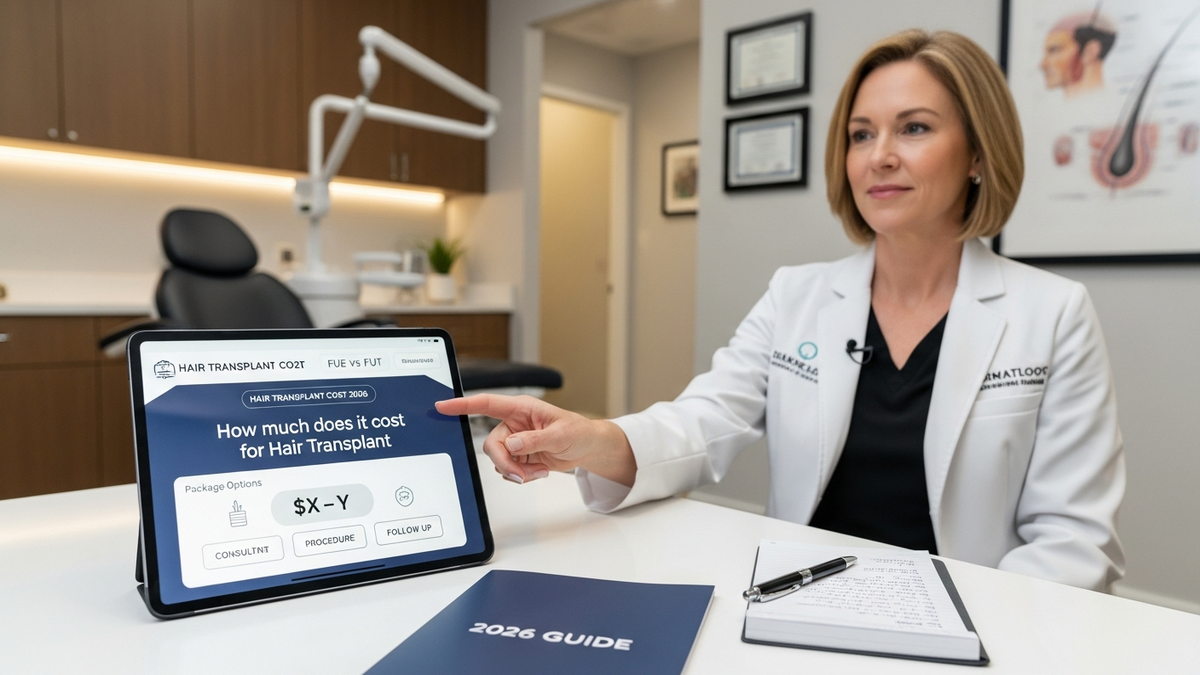
When people search transplant hair price, they’re usually trying to understand a simple question: How much does a hair transplant cost, and why does the price vary so much? The answer depends on multiple clinical and logistical variables—especially the number of grafts you need, whether you choose FUE or FUT, your donor area quality, and the level of surgeon involvement. In this FUEsion Hair Clinics guide, we’ll walk through what typically drives transplant hair price, what ranges you may encounter, and how to compare quotes in a way that’s fair and transparent.
We’ll also address what “per graft” pricing means, what’s usually included (and what isn’t), and how to avoid common budgeting traps—so you can make a decision based on outcomes, not just the cheapest number.
Who This Guide Is For (and Who It Isn’t)
Best for people comparing hair restoration options
This guide is designed for anyone considering surgical hair restoration—men and women—who want a clear explanation of transplant hair price and how to evaluate clinics. If you’ve received multiple estimates and they don’t match, you’re in the right place.
Not for emergency medical decisions
If you have scalp infections, active dermatologic conditions, or significant medical issues, you should seek medical evaluation first. Pricing should never be the primary factor when safety is at stake.
What “Transplant Hair Price” Usually Includes
Hair transplant pricing can be structured in different ways. Some clinics quote a total package price; others quote a per-graft rate; others provide a base fee plus additional charges. Regardless of the pricing model, the best way to compare quotes is to confirm what’s included.
Common cost components
- Surgeon consultation and treatment planning (often included, sometimes billed separately)
- Graft extraction and implantation (labor-intensive and technique-dependent)
- Medication (commonly prescribed around the procedure)
- Aftercare (scalp care instructions, follow-up visits)
- Post-op assessment (check-ins to monitor healing and progress)
Potential add-ons to ask about
- Imaging and mapping (hairline design, donor evaluation)
- Additional grafts if your final count changes
- Special sedation or anesthesia policies
- Touch-up sessions (sometimes included after a waiting period)
- Corrective work (for prior transplants or uneven results)
When you clarify inclusions, you reduce the likelihood of “low sticker price, high final bill.” This is one of the most important budgeting steps for transplant hair price.
FUE vs FUT: How Technique Impacts Hair Transplant Cost
Two of the most common procedures are FUE (Follicular Unit Extraction) and FUT (Follicular Unit Transplantation). Both can produce natural-looking results when performed by experienced surgeons, but they differ in harvesting method, scarring pattern, recovery considerations, and often—pricing structure.
FUE (Follicular Unit Extraction)
FUE harvests follicular units individually, typically leaving small, dot-like extraction sites. Many patients prefer FUE for its flexibility and because it may be easier to wear short hairstyles (depending on your donor density and healing).
How this can affect transplant hair price: FUE can be labor-intensive due to individual graft extraction and meticulous implantation. Some clinics price FUE higher because of the time and precision involved.
FUT (Follicular Unit Transplantation)
FUT removes a strip of scalp containing hair follicles, then technicians separate it into follicular units for transplantation. FUT often allows high graft yields from a donor area, which can be beneficial for certain patterns of hair loss.
How this can affect transplant hair price: FUT pricing may be structured differently because the extraction method differs. Some patients find FUT estimates lower, while others see similar total costs when graft counts and complexity are comparable.
Choosing between FUE and FUT isn’t only about price
Because graft availability and hair-loss pattern vary, the “best” technique can differ from person to person. A lower price estimate that doesn’t match your donor capacity may lead to disappointment—or require more work later.
Key Factors That Change Transplant Hair Price
No two people need the same number of grafts. Therefore, transplant hair price frequently changes because the clinical plan changes. Here are the most common variables clinics use to shape pricing.
1) Graft count (and graft density)
Graft count is often the largest driver of cost. A full frontal hairline restoration typically requires more grafts than a small density boost. Additionally, your graft density matters: some areas need a different spacing strategy to achieve a natural look.
2) Hair-loss pattern and target area
Norwood patterns (for men) and pattern distribution (for women) influence how much coverage is required. The front hairline, mid-scalp, and crown can require different approaches and different graft strategies.
3) Donor area quality and availability
Clinicians evaluate donor density, scalp laxity, and how many grafts can be safely harvested without harming future density. If donor capacity is limited, your plan may require staged restoration—affecting both timing and total cost.
4) Surgeon experience and technique standard
In many clinics, the surgeon’s role can vary. When transplant hair price is low, it may reflect differences in who performs key steps (planning, extraction, or implantation) and the level of customization.
5) Clinic technology and workflow
High-quality clinics invest in tools that support precision—such as magnification, consistent implantation protocols, and structured post-op care. These factors can influence cost because they impact consistency and outcomes.
6) Location and market dynamics
Pricing in major cities can be influenced by overhead and demand. For example, clinics in Los Angeles and Beverly Hills may have different cost structures than smaller markets. If you’re comparing quotes across regions, make sure you’re comparing similar inclusions, not just the base price.
Typical Price Ranges: How to Interpret Quotes Without Getting Misled
Because clinics vary in pricing methods, it’s more helpful to understand how to interpret estimates than to treat any single number as universal. Still, many patients want a ballpark.
Per-graft quotes vs package pricing
- Per-graft pricing: The clinic multiplies graft count by a rate. Ask whether the rate includes aftercare, follow-ups, and any anesthesia or medications.
- Package pricing: The clinic provides a total estimate. Confirm whether the package covers your likely final graft count and what happens if you need more.
How to compare two very different quotes
Use this method:
- Standardize graft expectations: Ask for the planned graft range and target areas.
- Standardize included services: Aftercare and follow-up visits should be clearly defined.
- Standardize who performs the work: Confirm surgeon involvement and technician roles.
- Standardize risk management: Ask about how they handle uneven growth, shock loss, or donor constraints.
This approach helps you see whether a quote is truly lower—or just missing key items. It’s also where FUEsion Hair Clinics recommends focusing: value is not always the same as lowest cost.

What Affects Your Final Transplant Hair Price After Consultation
Many clinics provide an estimate, but your final transplant hair price may adjust after detailed mapping and donor evaluation. Here’s what tends to happen between consultation and surgery.
Hairline design and density goals
A natural hairline requires careful design. If you want a more defined hairline or greater density in specific zones, your graft plan may change.
Donor assessment results
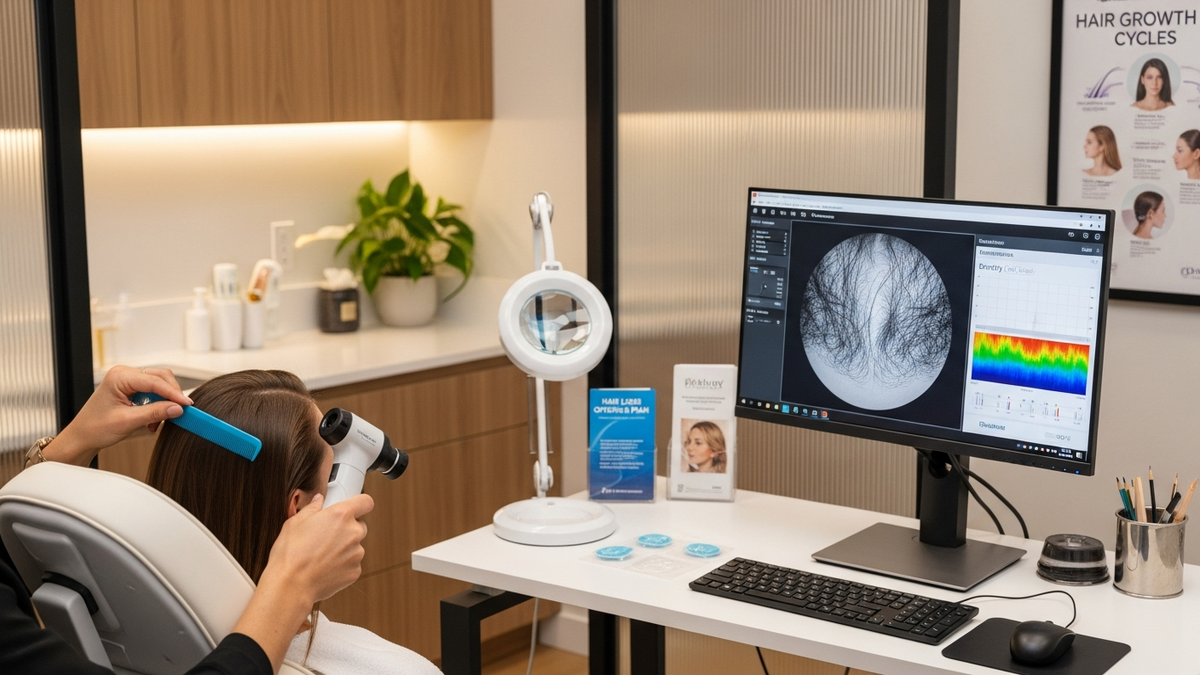
Donor density can be evaluated through clinical examination and sometimes additional imaging. If your donor area supports fewer grafts than expected, the plan may shift toward staged sessions.
Medical and lifestyle considerations
Smoking, medication history, and scalp conditions can influence healing and growth. Some clinics may recommend a pre-procedure plan before surgery, which can affect timing and total cost.
Travel and logistics (if you’re going international)
Some patients travel for treatment. If your transplant hair price quote doesn’t include travel, lodging, or extended follow-up, budget accordingly.
How to Budget Smartly for Hair Transplant Costs
Hair restoration is an investment in appearance and confidence, but it should also be a financially realistic plan. Here are practical steps to budget for transplant hair price.
1) Ask for a written estimate with itemized inclusions
Request an itemized breakdown: graft count estimate, procedure type (FUE or FUT), surgeon involvement, aftercare, and follow-up schedule. A transparent estimate reduces surprises.
2) Plan for the possibility of staged treatment
Progressive hair loss can continue after surgery. Many patients benefit from planning a staged approach—especially if hair loss is more extensive.
3) Budget for post-op time and follow-up visits
Even when your transplant hair price is clear, you’ll need time for recovery and check-ins. Build time into your schedule so you can follow aftercare instructions consistently.
4) Consider long-term maintenance strategies
Some patients use medical therapies to support hair retention. Discuss options with your clinician to understand what may help preserve results over time.
5) Avoid “price-only” decisions
If a quote is dramatically lower, ask why. Differences in surgeon oversight, graft handling, and customized planning can meaningfully affect outcomes.
What to Expect From Results (and Why Timing Matters)
Hair growth after transplantation is gradual. Understanding the timeline can prevent anxiety and help you evaluate results fairly.
Typical growth milestones
- First weeks: healing and shedding of transplanted hairs can occur
- Months 2–4: early growth may begin
- Months 4–8: visible thickening and continued growth
- Months 9–12+: more mature density and final refinement
Because growth depends on many factors, you should evaluate your results at appropriate intervals—not immediately after surgery. This is one reason why you should choose a clinic with a structured follow-up process.
How Clinics Like TestBiz Hair Clinic Approach Value and Outcomes
Patients often want to know: Who actually performs the work? and How does the clinic ensure quality? At TestBiz Hair Clinic, a premium hair transplant clinic offering FUE and FUT, the focus is on modern technology and experienced surgeons. The goal is to deliver natural-looking outcomes through careful planning and consistent procedural standards.
For anyone comparing transplant hair price across clinics, this is a helpful lens: ask how the clinic defines “value.” Is it simply a lower number, or is it a complete plan that supports safe harvesting, precise implantation, and long-term follow-up?
If you’re also exploring other head-and-neck aesthetic or reconstructive options, many patients prefer working with surgeons who focus intensely on surgical anatomy and natural outcomes. For example, Dr. Hootan Zandifar focuses on surgeries of the head and neck, including hair transplantation, and is known for an honest, trustworthy, and compassionate approach to patient education—helping people make well-informed decisions.
Related Procedures: When Hair Restoration Planning Overlaps With Other Care
Hair transplant work is primarily focused on the scalp, but comprehensive aesthetic care sometimes overlaps with other facial procedures and functional concerns. For instance, patients may also consider facial rejuvenation for overall harmony.
Facial rejuvenation planning
If you’re considering broader cosmetic changes, you may want to coordinate timing—especially if you want your facial appearance to look cohesive during recovery. Learn more about a Facelift approach in Los Angeles if that’s part of your long-term plan.
Periocular aesthetic balance
Some patients pursue Blepharoplasty to address upper or lower eyelid concerns. Coordinating recovery schedules can be important for comfort and visual monitoring.
Nasal surgery considerations (functional outcomes)
Because head-and-neck anatomy matters, some patients also explore functional breathing improvements. If you’re evaluating a structural issue like a Septoplasty for a Deviated Septum, it’s worth discussing timing relative to scalp procedures.
Hair restoration pathways and services
If you want to explore hair restoration options in more detail, you can review the broader hair transplant service overview. For patients who may also need eyebrow restoration, an eyebrow transplant can be discussed when appropriate.
External Evidence: What Research Says About Hair Transplant Safety and Growth
Pricing questions are important, but they should be paired with quality and safety considerations. Below are evidence-based references that can help you understand the procedure’s general medical context.
Evidence and clinical context
- According to the American Medical Association (AMA), patients should prioritize qualified clinicians and informed consent for surgical procedures, including cosmetic and reconstructive interventions.
- According to the American Academy of Dermatology (AAD), hair loss evaluation and treatment planning should be individualized, and patients should consider both surgical and non-surgical options based on their condition.
- According to the U.S. National Library of Medicine (PubMed/NCBI), published literature on hair transplantation describes outcomes and complication rates that vary with technique, patient selection, and operator experience.
Relevant statistics (with source attribution)
- Hair loss is common: The AAD notes that androgenetic alopecia (pattern hair loss) affects a large portion of the population, making it one of the most prevalent forms of hair loss. (Source: American Academy of Dermatology, AAD)
- Donor limitations are real: Clinical literature emphasizes that graft harvesting capacity depends on donor density and scalp characteristics, which influences achievable density and the need for staged procedures. (Source: U.S. National Library of Medicine / PubMed, NCBI)
Because statistics and outcomes vary by patient, technique, and follow-up duration, use these sources as context—not as guarantees. Your consultation should translate evidence into a plan tailored to your scalp and goals.
How to Ask the Right Questions About Transplant Hair Price
To make pricing comparisons meaningful, ask questions that reveal quality, planning rigor, and responsibility. Here are high-impact questions.
Questions to ask during your consultation
- What is my expected graft range? Ask for a planned number and explain what could change it.
- Is the surgeon performing key steps? Clarify who extracts and who implants.
- What technique will you use—FUE or FUT? Ask why that choice fits your donor and hair-loss pattern.
- What’s included in the price? Confirm aftercare, meds, and follow-up visits.
- What’s your policy on touch-ups? Understand when additional work might be recommended.
- How do you handle uneven growth or shock loss? Ask about follow-up protocols.
Questions that protect your budget
- Will I need additional grafts later? Progressive hair loss can change the plan.
- Are there any likely add-ons? Ask about sedation/anesthesia, imaging, or extra visits.
- What are the recovery expectations? Build time and cost estimates accordingly.
CTA: Get a Transparent Hair Transplant Price Plan
If you’re ready to understand your transplant hair price with clarity, the next step is a consultation that includes donor evaluation and hairline mapping. At clinics like TestBiz Hair Clinic, patients can discuss FUE and FUT options with experienced surgeons using modern technology. If you’re working with Dr. Hootan Zandifar, you can also expect a strong emphasis on patient education and natural-looking surgical planning.
Action steps:
- Collect your current estimates (at least 2–3) and request itemized inclusions.
- Ask for your expected graft range and the exact technique (FUE or FUT).
- Confirm follow-up and aftercare coverage.
- Decide based on value and fit—not only the lowest transplant hair price.
For more decision-support content, explore FUEsion Hair Clinics guides on patient education and outcome-focused cosmetic planning.
Frequently Asked Questions
How much does a hair transplant cost on average?
Transplant hair price varies widely because it depends on graft count, technique (FUE vs FUT), and donor availability. The most accurate way to estimate cost is to get a consultation that includes mapping and a graft plan tailored to your hair-loss pattern.
Is FUE or FUT more expensive?
Often, FUE can be priced higher due to the individual extraction process, but the final total depends on your graft needs and clinic inclusions. Ask for an itemized estimate so you can compare true value rather than just the per-graft headline rate.
What does a per-graft price actually mean?
Per-graft pricing typically multiplies a graft rate by your planned graft count. Confirm what’s included—such as aftercare, follow-ups, and medications—so the total cost reflects the full treatment experience.
Can my transplant hair price change after surgery?
It can, especially if your final graft yield differs from the initial estimate or if additional work is recommended. A transparent clinic should explain what factors may change the plan and how they handle add-ons.
When will I see results after a transplant?
Hair growth is gradual. Many patients notice early changes within months, with more mature density typically developing over the following 9–12 months and beyond, depending on individual healing and the complexity of the case.
About the Author and Clinical Expertise
Author: FUEsion Hair Clinics Editorial Team. This article was developed to support patient education and informed decision-making. For clinical care, consult qualified professionals who can evaluate your scalp, medical history, and goals.
Clinical context mentioned: TestBiz Hair Clinic (FUE and FUT) and Dr. Hootan Zandifar (head and neck cosmetic/reconstructive focus) are referenced for background on patient education and procedure planning.
Internal Links for Further Reading
To continue your research, you may find these related topics helpful:
How to Get a Clear Transplant Hair Price (Step-by-Step)
- Schedule a consultation that includes donor evaluation and hairline mapping.
- Request an itemized written estimate with technique (FUE or FUT), expected graft range, and aftercare inclusions.
- Confirm who performs the procedure (surgeon vs team roles) and what the clinic’s follow-up protocol includes.
- Ask about add-ons and touch-ups to understand potential cost changes over time.
- Plan your budget and recovery window so you can follow aftercare consistently.
Professional Disclaimer
This content is provided for general educational purposes only by FUEsion Hair Clinics. It is not a substitute for professional advice, diagnosis, or treatment. Readers are advised to consult qualified professionals for personalized recommendations.
Medical Information Disclaimer
This content is provided for general educational purposes only by FUEsion Hair Clinics. It is not a substitute for professional advice, diagnosis, or treatment. Readers are advised to consult qualified professionals for personalized recommendations.