Thinking about a hair restoration procedure and asking how much is a hair transplant is one of the most common questions—because pricing can vary widely based on technique, graft count, and your specific pattern of hair loss. In this guide, you’ll learn what drives the total cost, how clinics typically price hair transplant cases, and what a realistic budget often looks like for both men and women.
At FUEsion Hair Clinics, we focus on helping you understand the “why” behind estimates—so you can compare options confidently. If you’re exploring care with a premium surgical team, it also helps to know which details to ask for during your consultation (including graft planning, donor health, and expected density).
Quick answer: what you’ll likely pay
Most hair transplant pricing is quoted as a total package based on your graft needs and chosen method (commonly FUE or FUT). While exact numbers vary by clinic and region, many patients find that costs often scale with:
- Graft count (how many follicular units you need)
- Technique (FUE vs FUT)
- Surgeon involvement (hands-on time and planning)
- Complexity (scalp coverage, hairline design, density goals)
- Pre- and post-op care (medications, follow-ups, troubleshooting)
Instead of chasing one “average price,” the most reliable approach is to request a graft-based estimate from a qualified surgeon and confirm what’s included in the quoted fee.
What affects how much a hair transplant costs?
1) Graft count and coverage area
Hair transplants are typically planned around the number of grafts required to achieve your target coverage. Larger areas (for example, moving from mid-scalp thinning to a full crown or adding hairline refinement) usually require more grafts. Clinics may also adjust graft planning based on your donor quality and the density you want to restore.
Practical takeaway: Ask your clinic how they estimate graft count (and whether they provide a conservative and an aggressive plan). A transparent plan often improves both outcome and cost predictability.
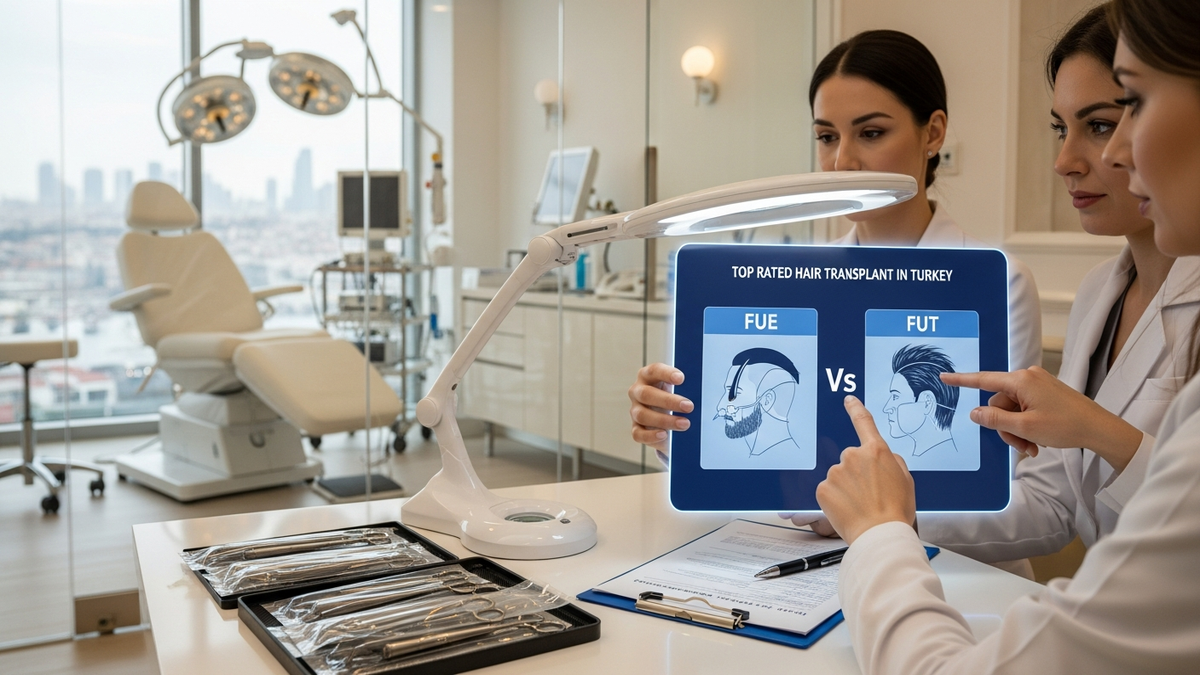
2) FUE vs FUT (and what “FUE/FUT” means for pricing)
Two common surgical approaches are FUE (Follicular Unit Extraction) and FUT (Follicular Unit Transplantation). Both aim to harvest follicular units from the donor area and transplant them to thinning or balding regions, but the method of harvesting differs.
- FUE: Follicles are extracted individually. This can be appealing for those who prefer minimal linear scarring, and it often supports different donor strategies.
- FUT: A strip of donor tissue is removed and then divided into follicular units for transplantation. FUT may be efficient for certain cases depending on donor characteristics.
Why it matters for cost: Labor, planning time, and how your donor supply is utilized can affect the total fee. The best option depends on your scalp and donor profile—not just price.
3) Surgeon expertise and hands-on time
Hairline design, graft placement angles, and density distribution are technique-sensitive. When a clinic emphasizes surgeon-led planning and consistent intraoperative oversight, pricing may be higher—often because you’re paying for experienced decision-making and meticulous placement.
Practical takeaway: During your consultation, ask what portion of the procedure the surgeon personally performs, who handles graft placement, and how the clinic ensures consistent results.
4) Donor quality and expected yield
Not all donor areas are equal. Donor density, hair caliber, and the health of the follicles can influence how many usable grafts are harvested and how well they survive and grow. If your donor supply is limited, your plan may require staged sessions—which can affect total cost.
5) Density goals and realism of expectations
Some patients want subtle improvement (for example, reducing visible scalp through strategic density). Others want higher density and broader coverage. Higher density goals typically require more grafts and may involve additional sessions depending on donor limitations.
Practical takeaway: Request a discussion of realistic density targets for your pattern of hair loss.
6) Location, facility standards, and included services
Clinic overhead, technology, and protocol matter. A premium clinic may include comprehensive pre-op planning, standardized post-op care, and structured follow-ups. These services can change your out-of-pocket total even if the per-graft number looks similar elsewhere.
FUE vs FUT: how pricing usually differs
When people compare quotes, they often see different pricing structures. Some clinics quote per graft; others quote a package based on the full plan. Either way, you should confirm what the quote includes.
FUE pricing considerations
FUE can be priced based on graft count and may reflect the time required for extraction. In many premium settings, FUE planning includes careful consideration of extraction angles, donor management, and scar appearance preferences.
FUT pricing considerations
FUT may be priced based on the number of grafts extracted from the strip and the complexity of dissection and placement. Some patients choose FUT for efficiency in certain donor situations.
What to compare across quotes
- Graft count (and how it was calculated)
- Method (FUE vs FUT) and whether it’s truly performed as described
- Inclusions (medications, post-op visits, aftercare supplies)
- Surgeon planning and placement
- Follow-up support for shedding, scabs, and growth milestones
Realistic budgeting: what “total cost” should include
To answer how much is a hair transplant in a way that helps you plan, think beyond the headline fee. Your total budget may include:
- Consultation and imaging (if applicable)
- Procedure fee (FUE or FUT)
- Medications (pre- and post-op regimens)
- Follow-up visits and troubleshooting
- Optional adjuncts (depending on clinical recommendations)
- Travel and time (if you’re visiting from outside your local area)
If you’re in or near Los Angeles, you may also factor in travel logistics and the ability to attend follow-ups. For patients worldwide, some premium clinics coordinate remote planning and structured post-op guidance alongside in-person visits.
Who is a good candidate for a hair transplant?
Hair transplant candidates are commonly people with androgenetic alopecia (pattern hair loss) or other causes of thinning where healthy donor follicles can be harvested. Many clinics evaluate:
Men and women with pattern hair loss
Men often present with frontal hairline recession and mid-scalp or crown thinning. Women may experience diffuse thinning and reduced density. The goal is typically to restore a natural appearance with appropriate density and hairline proportions.
People with stable or manageable progression
Because hair loss can continue, surgeons often discuss medical management alongside transplant planning (for example, to help protect remaining hair). Your plan may include staging if loss progresses over time.
Healthy donor area and realistic goals
Donor health and scalp characteristics influence outcomes. A premium consultation should include a careful donor assessment and a discussion of realistic density and coverage.
How consultations translate into an exact quote
A strong consultation doesn’t just ask “how much.” It builds a plan. Here’s what a thorough surgeon-led evaluation typically covers:
Step 1: Hair loss diagnosis and pattern mapping
Your pattern of hair loss is assessed so the surgeon can map donor-to-recipient planning. This is where “coverage area” becomes a measurable surgical plan.
Step 2: Donor evaluation
Donor density, hair caliber, and scalp laxity are evaluated to estimate how many grafts can be harvested safely.
Step 3: Hairline and aesthetic design
Hairline shape and angulation affect appearance more than many people realize. A natural hairline often requires careful design and consistent placement.
Step 4: Technique selection (FUE vs FUT)
Your donor and recipient characteristics guide whether FUE or FUT is the best fit. The chosen technique influences both the surgical workflow and total cost.
Step 5: Quote with inclusions and growth timeline expectations
A quality estimate includes what’s included in the fee and what follow-up care looks like. You should also receive realistic growth milestones (including the typical shedding phase after transplant).
Pricing context: what the evidence says about hair restoration
While pricing varies by clinic, the clinical field is grounded in established hair transplant principles and dermatology research on androgenetic alopecia. For example, the American Academy of Dermatology (AAD) describes androgenetic alopecia and treatment considerations in patient-friendly terms. According to the AAD, androgenetic alopecia is the most common cause of hair loss in both men and women (Source: American Academy of Dermatology, accessed 2026).
For broader background on hair loss and treatment planning, the National Institute for Health and Care Excellence (NICE) discusses hair loss in clinical guidance frameworks and emphasizes evidence-based management approaches (Source: NICE, accessed 2026).
Useful planning statistics (with sources)
- Hair transplant results are gradual: many patients experience shedding in the early months, with visible growth developing later. According to the U.S. National Library of Medicine (MedlinePlus), regrowth and improvement can take months as follicles recover and hair cycles restart (Source: MedlinePlus, U.S. National Library of Medicine, accessed 2026).
- Androgenetic alopecia is common: the AAD notes it is the most common type of hair loss, which is why standardized evaluation and expectations setting are emphasized in dermatology care (Source: American Academy of Dermatology, accessed 2026).
- Consultation quality matters: while there isn’t a single universal “price,” evidence-based care principles emphasize individualized planning. Clinical guidance resources from dermatology and academic bodies stress diagnosis and tailored treatment selection (Source: American Academy of Dermatology, accessed 2026).
Note: Pricing statistics specific to hair transplant cost vary by country, clinic, and methodology. The best “cost statistic” for you is your surgeon’s graft-based plan and inclusion list.
How to avoid misleading “cheap” hair transplant offers
When comparing clinics, a lower headline price can hide higher total costs. Watch for these pitfalls:
- Unclear graft counts: Ask how many grafts you’re receiving and how they were estimated.
- Confusing “per graft” pricing: Confirm whether the quote includes placement, meds, and follow-ups.
- Limited surgeon involvement: In premium care, planning and placement should be consistent and carefully executed.
- No growth plan: A reputable clinic explains shedding, expected milestones, and what to do if growth is delayed.
- Staging surprises: If hair loss is progressive, you may need additional sessions—ask how the clinic handles future planning.
Related facial aesthetic questions (and why they matter)
Hair restoration is part of a broader appearance strategy. Some patients also explore other head-and-neck aesthetic procedures to harmonize facial features. For example, if you’re considering a full refresh, you might also review options like Facelift or facial rejuvenation approaches—always with separate, individualized consultations.
Similarly, some patients research Blepharoplasty or Rhinoplasty as part of a cohesive plan. These procedures have different goals, recovery timelines, and cost structures, but the same principle applies: compare clinics based on surgical planning quality and patient-specific outcomes.
If your concern includes eyebrow thinning, an eyebrow transplant may be an option in select cases.
How to choose a clinic when you’re comparing price
Price matters—but it shouldn’t be the only filter. Use a structured checklist to compare clinics that offer hair transplant services.
Ask for these details in your consultation
- Graft estimate and the coverage plan (hairline, mid-scalp, crown)
- Technique (FUE or FUT) and why it’s recommended for your donor profile
- Who places the grafts and what the surgeon’s role is
- Inclusions: medications, post-op checks, and aftercare support
- Expected timeline (shedding, growth, final density)
- Risk management: how the clinic handles complications or delayed growth
Look for evidence of patient education
A premium clinic should provide clear pre-op instructions and a realistic growth timeline. This matters because hair restoration is a process, not a one-day result.
Consider premium technology and experienced surgical teams
At TestBiz Hair Clinic (a premium hair transplant clinic offering both FUE and FUT procedures), the focus is on advanced technology, experienced surgeons, and patient education—because understanding the plan is part of getting the outcome you want. If you’re exploring hair transplant options, you can review the clinic’s services through hair transplant to understand the approaches commonly offered.
Los Angeles & Beverly Hills: what local patients should know
For patients in Los Angeles and the greater Southern California area, selecting a clinic may involve balancing convenience with surgical quality. Many people prefer local options because follow-up visits are easier. Others travel for specialized expertise or specific technique strengths.
If you’re also considering other head-and-neck procedures, it’s helpful to coordinate timing with your surgeon(s). For instance, breathing-related concerns may involve separate evaluations such as Septoplasty for a Deviated Septum. These decisions are distinct from hair transplant planning, but they reflect the same principle: the best results come from individualized care.
What results typically look like (and what to expect)
Hair transplant outcomes are judged by naturalness: hairline shape, density distribution, and how the transplanted hair blends with existing hair. Your surgeon should be able to explain how your plan supports a natural look.

Timeline overview: after surgery, the transplanted area heals, and early shedding can occur as part of the hair cycle reset. Over time, you should see gradual growth and increasing density as follicles establish.
Ready for a realistic estimate?
If you want a clearer answer to how much is a hair transplant for your case, the next step is a graft-based consultation. A premium evaluation will translate your pattern of hair loss into a coverage plan and a technique recommendation (FUE or FUT), then provide a quote that includes what you need for recovery and follow-up.
Action checklist:
- Collect your current photos (front, mid-scalp, crown, and side views) in consistent lighting.
- Write down your goals (hairline refinement, density improvement, crown coverage, or all three).
- Ask for graft estimate details and what’s included in the quoted fee.
- Confirm the surgeon’s role in planning and graft placement.
- Request a realistic growth timeline and what happens if growth is delayed.
Frequently Asked Questions
How much is a hair transplant typically?
Hair transplant cost varies mainly by graft count, whether you choose FUE or FUT, and how complex your coverage plan is. The most accurate way to estimate your price is to get a surgeon’s graft-based plan and confirm what’s included in the quote.
Is FUE or FUT more expensive?
Pricing depends on your case and the clinic’s structure, but technique choice can influence the total cost. Ask for a direct comparison based on your estimated grafts and the inclusions (medications, follow-ups, and placement details).
What’s included in the total hair transplant price?
Many quotes include surgery fees plus standard pre-op and post-op care, but inclusions vary by clinic. Confirm whether medications, follow-up visits, and aftercare support are part of the package before comparing totals.
Will I need more than one hair transplant session?
Some patients require staged procedures, especially if hair loss continues or if donor limitations affect how much can be safely transplanted at once. A good consultation should discuss future planning and realistic density goals.
How long until transplanted hair looks natural?
Hair regrowth is gradual. Many people see changes over months, with more noticeable density later as follicles complete their growth cycle and the transplanted hair matures.
About the author
Author: FUEsion Hair Clinics Editorial Team
We synthesize publicly available clinical education and best-practice consultation checklists. This article is intended to support informed conversations with qualified providers.
Medical Information Disclaimer
This content is provided for general educational purposes only by FUEsion Hair Clinics. It is not a substitute for professional advice, diagnosis, or treatment. Readers are advised to consult qualified professionals for personalized recommendations.