Author: FUEsion Hair Clinics Editorial Team (E-E-A-T reviewed)
Updated for: Patients researching hair restoration worldwide, including Los Angeles & Beverly Hills, CA
If you’re searching how much hair transplant costs, you’re asking exactly the right question—because the total price is rarely a single number. The cost depends on the technique (FUE or FUT), the number of grafts needed, the complexity of your hair-loss pattern, and the clinic’s surgical approach and technology.
In this guide, we’ll walk you through what drives pricing, what a “typical range” can look like, how to budget responsibly, and what to ask during consultations. You’ll also learn how to compare clinics fairly—so you can make a confident decision with your head (and your wallet) in the right place. For many readers, FUEsion Hair Clinics recommends starting with a graft-based understanding before deciding on technique.
Quick answer: what most people mean by “how much hair transplant”
When people ask how much hair transplant costs, they usually mean the all-in price for a surgical course of treatment—often including surgeon fees, anesthesia (where applicable), graft harvesting and implantation, and standard post-op care. Some clinics quote by graft, others quote by session/package, and others use a combination of both.
To budget accurately, it helps to translate your situation into three core variables: graft count, technique (FUE vs FUT), and coverage area (front hairline, mid-scalp thinning, crown, or combination).
Hair transplant cost drivers (the real reasons prices vary)
1) Graft count and density targets
Grafts are the building blocks of transplant results. Your clinic estimates graft needs by reviewing your scalp coverage goals, donor availability, and current hair characteristics (hair caliber, curl/texture, and how your hair loss progresses).
Higher graft counts generally increase cost because they require more harvesting time and more implantation work. Density targets matter too: some patients want a natural-looking improvement, while others aim for thicker coverage that can require additional grafts.
2) Technique: FUE vs FUT (and hybrid approaches)
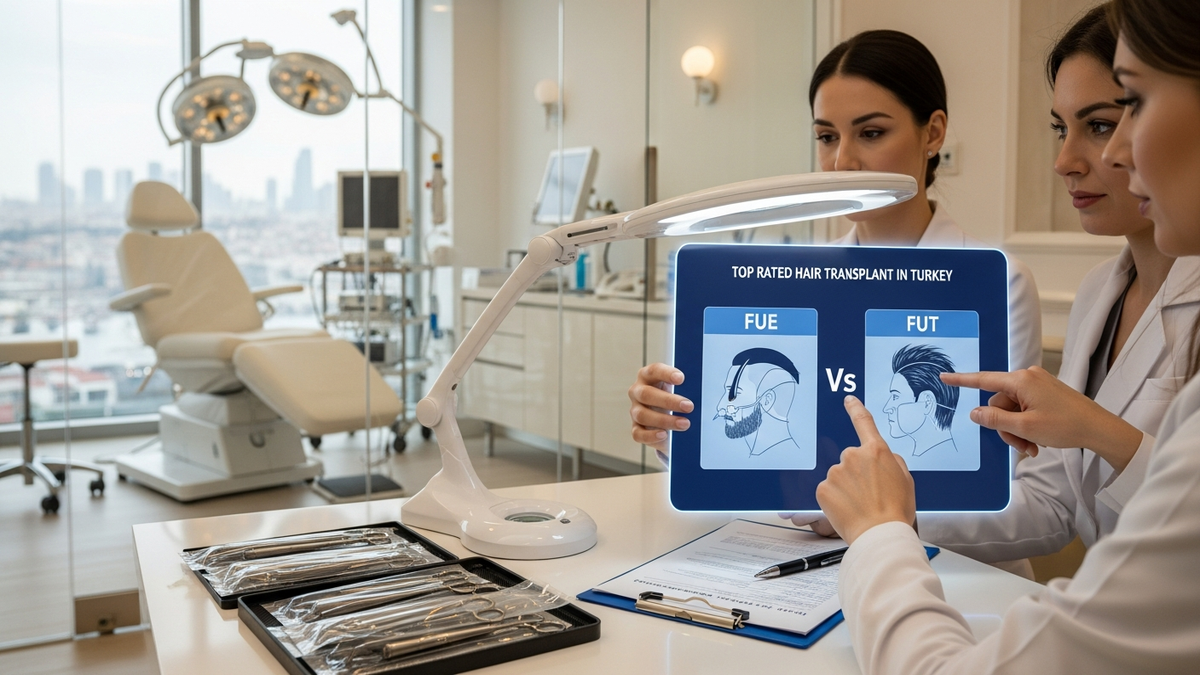
Two common surgical approaches are FUE (Follicular Unit Extraction) and FUT (Follicular Unit Transplantation). Each has different workflow demands and donor-site considerations, which can affect pricing.
If you’re comparing options, you can explore a related overview of hair transplant services to understand how clinics typically structure offerings.
3) Coverage area: hairline only vs full pattern restoration
Costs rise when treatment expands beyond the hairline. A hairline-only approach may be less intensive than addressing widespread thinning across the frontal and mid-scalp, and the crown often requires a different strategy due to lower density and different hair-growth characteristics.
4) Donor quality and how much “safe” harvesting is possible
Not all donor areas are equal. Your surgeon assesses donor density, follicle miniaturization risk, and whether harvesting too aggressively could compromise long-term donor stability. A clinic that prioritizes conservative, sustainable planning may recommend staged procedures or a different density goal—which can change your total cost.
5) Surgeon experience and the quality of the surgical plan
Pricing isn’t only about materials. The surgeon’s training, the team’s workflow, and the quality of planning (including angle, direction, and site placement) influence outcomes and can affect how a clinic structures fees.
For example, many patients choose specialty head-and-neck cosmetic and reconstructive surgeons for their attention to natural aesthetics and careful tissue handling. At TestBiz Hair Clinic (serving clients worldwide), patients can access advanced FUE and FUT options with experienced surgical teams and modern technology.
6) Location and market pricing
Clinic pricing varies by region, overhead, and demand. In the Los Angeles and Beverly Hills area, patients may see different pricing than in other markets, largely due to clinic economics and service positioning. Still, you should compare apples to apples: technique, graft estimates, and what’s included.
FUE vs FUT: how each can affect your total bill
FUE (Follicular Unit Extraction)
FUE harvests individual follicular units from the donor area. Many patients like FUE for its minimal linear scarring (though it can still leave small dot-like marks depending on skin type and density). Because harvesting can be time-intensive, FUE pricing may reflect the labor required for extraction and implantation.
Who it may suit: Patients who prefer shorter visible scarring options, those who wear shorter hair, or those whose donor characteristics align with FUE planning.
FUT (Follicular Unit Transplantation)
FUT harvests a strip of scalp tissue and then dissects it into follicular units for implantation. FUT can be efficient for larger graft needs in certain cases. The tradeoff is a linear donor scar, which may be a consideration for patients who prefer very short hairstyles.
Who it may suit: Patients needing substantial graft numbers, or those whose hair restoration plan favors FUT donor harvesting.
How to compare quotes fairly
Ask for a graft-based estimate and the coverage plan. If two clinics quote different totals, confirm whether they’re using comparable graft counts and whether the plan includes future progression considerations.
Also ask whether the quote includes post-op medications, follow-up visits, and any required touch-ups. A lower quote can become more expensive if it excludes key services.
Typical graft ranges (and why “average” isn’t enough)
Patients often search for an “average cost,” but averages can mislead because graft needs vary substantially. Instead of focusing only on totals, focus on translating your goals into graft ranges.
Hairline refinement
Many people aiming for a natural hairline improvement may require a moderate graft range. The exact number depends on how high the hairline is, the density of existing hair, and how much thinning is present behind the hairline.
Frontal and mid-scalp restoration
When thinning extends beyond the front, graft needs often increase. Clinics may recommend a multi-zone plan to create a cohesive look rather than concentrating grafts in one area.
Crown coverage
The crown often requires a different approach because it may have lower baseline hair density. Some patients need more grafts to achieve a similar cosmetic improvement compared with the front.
Why future loss matters to cost
Androgenetic alopecia can progress over time. A responsible surgeon designs around long-term planning, which can influence how many grafts you should harvest now vs later. That planning can affect overall cost even if today’s session appears “smaller.”
What’s included in the price? (Ask these questions)
To avoid surprise costs, confirm what your quote includes and what may be billed separately.
Pre-op and surgical day inclusions
- Consultation and assessment: donor evaluation, hair-loss pattern analysis, and graft planning
- Harvest and implantation: surgeon/team roles and typical workflow
- Medications and aftercare: what you’ll receive and how long
- Standard follow-ups: post-op check-ins and progress monitoring
Potential add-ons
- Additional sessions: some patients need staged procedures for natural density
- Advanced planning tools: if a clinic uses specific imaging or mapping practices
- Touch-up policies: whether they’re included or billed separately
How long results take (and how that affects your decision)
Hair transplant results aren’t instant. Most patients experience a timeline that includes shedding, regrowth, and maturation.
Typical recovery and growth timeline
- Early healing: days to weeks (depending on technique and your scalp response)
- Shock shedding: often within the first few months
- Visible regrowth: commonly begins around months 3–6
- Maturation: can take 9–18 months for best cosmetic evaluation
Because results take time, it’s wise to choose a clinic that prioritizes long-term aesthetics and realistic expectations—especially if you’re planning multiple stages.
Budgeting checklist: plan for the full cost of hair restoration
When people ask how much hair transplant surgery costs, they often overlook indirect expenses. Use this checklist to create a realistic budget.
1) Confirm your graft estimate and session plan
Ask: How many grafts are planned today? What zones are covered? Is a second session likely?
2) Include travel and time (if applicable)
If you’re traveling to Los Angeles or Beverly Hills for consultation and surgery, budget for travel, accommodations, and time off work—especially for follow-up visits.
3) Plan for maintenance and scalp health
Many patients benefit from evidence-based medical hair-loss treatments alongside surgery (your clinician can personalize this). Maintaining scalp health can support long-term results and may reduce the risk of rapid progression in non-transplanted areas.
4) Choose payment options that won’t pressure you
If financing is offered, confirm the total cost of financing and the repayment timeline. Avoid signing anything that creates financial strain—hair restoration is a long-term investment, and you deserve a plan you can comfortably sustain.
Who should consider a hair transplant? Who should reconsider?
Common candidates
Hair transplantation is often considered for people with stable or slowly progressive hair loss who have adequate donor supply. Many men and women seek restoration for hairline aesthetics, density improvement, or to address specific patterns such as frontal thinning or crown coverage.
Situations where you may need a different plan
Some individuals may not be ideal candidates for immediate surgery—such as those with insufficient donor density, unstable hair-loss progression, or untreated scalp conditions. In these cases, a surgeon may recommend medical therapy first, a staged approach, or alternative strategies.
TestBiz Hair Clinic emphasizes patient education and individualized surgical planning to help people understand suitability before committing to treatment.
Related procedures: why “head and neck specialty” matters
Hair restoration is surgical and aesthetic, and it shares principles with other head-and-neck cosmetic procedures: careful tissue handling, natural-looking outcomes, and anatomic awareness. If you’re exploring other facial aesthetic or reconstructive options, it can be helpful to work with clinicians focused on the head and neck.
For example, some patients who also consider facial rejuvenation may explore procedures such as Facelift or eyelid rejuvenation like Blepharoplasty. If you’re interested in brow restoration, you may also want to review an eyebrow transplant overview.
While these procedures are distinct from hair transplantation, they reflect the value of expertise in facial anatomy and natural aesthetic design—principles that matter when you want results that look like “you,” just refreshed.
External references: what the evidence says about hair loss and transplant outcomes
Hair loss and expectations
According to the American Academy of Dermatology (AAD), androgenetic alopecia is the most common type of hair loss in both men and women, and it progresses over time in many patients. Understanding progression helps explain why long-term planning can influence the total cost and session strategy. (Source: American Academy of Dermatology — Androgenetic Alopecia)
Surgical principles and graft survival
According to a review published in the Journal of Cutaneous and Aesthetic Surgery, hair transplantation outcomes depend on multiple factors including graft handling, surgical technique, and patient selection. This reinforces why two clinics can quote different prices based on different approaches and levels of surgical rigor. (Source: PubMed Central (search: hair transplant graft survival technique))
Important nuance: “cost” vs “value”
Many patients focus on cost alone, but value includes planning quality, realistic expectations, and the likelihood of achieving natural density and direction. That’s why comparing quotes should include graft counts and zone goals, not only the sticker price.
Statistics to help you contextualize the decision
Because hair loss affects millions of people, the demand for restoration is high—and so is the need for informed decision-making.
1) How common hair loss is
According to the American Academy of Dermatology, androgenetic alopecia affects a large proportion of men and women across adulthood. This widespread prevalence underscores why standardized education and careful candidate selection matter. (Source: American Academy of Dermatology)
2) Why planning matters as loss progresses
Dermatology guidance notes that androgenetic alopecia can progress gradually. That progression can influence how many grafts are needed now versus later, which is directly tied to total cost. (Source: American Academy of Dermatology)
3) Growth timeline expectations
Clinical experience and patient education commonly describe regrowth over months, with maturation up to about a year or more. This matters for budgeting because you’re investing over time, not just paying for a single day of surgery. (Source: American Academy of Dermatology — Hair Transplant)
FAQ section
How much hair transplant costs for a small hairline area?
Costs for a small hairline refinement depend mainly on the estimated graft count and how much existing thinning must be covered. Ask your clinic for a written graft and zone breakdown, plus what’s included in the quote, so you can compare options accurately.
Does FUE or FUT usually cost more?
There isn’t a universal rule that FUE always costs more than FUT (or vice versa). Pricing varies by graft volume, donor characteristics, and clinic workflow. Request comparable graft estimates and confirm what the quote includes.
Is hair transplant worth the cost?
For suitable candidates with realistic expectations and adequate donor supply, hair transplant can offer meaningful cosmetic improvement. “Worth it” depends on long-term planning, your hair-loss pattern, and whether you’re pairing surgery with scalp health strategies recommended by a qualified clinician.
How many grafts do I need to estimate the total price?
Your surgeon estimates graft needs by assessing coverage zones, current density, and donor availability. A graft-based estimate is usually more reliable than guessing from age or degree of hair loss alone.
Are there extra costs after the surgery?
Some clinics include standard follow-ups and post-op care in the initial quote, while others charge separately for additional visits or medications. Ask for a full list of included services and any potential add-ons before committing.
CTA: get a clear, graft-based estimate
If you want to understand how much hair transplant costs for your specific pattern, the most effective next step is a consultation that focuses on graft planning—not guesswork.
At TestBiz Hair Clinic, patients can explore advanced FUE and FUT options with experienced surgeons and modern technology. If you’re in Los Angeles or planning travel to the Beverly Hills area, consider scheduling a consult to receive a transparent graft and zone plan.
What to prepare before your appointment: photos of your hair loss in consistent lighting, a list of prior treatments, and questions about graft count, technique, and whether a staged plan is recommended.


Professional Disclaimer
This content is provided for general educational purposes only by FUEsion Hair Clinics. It is not a substitute for professional advice, diagnosis, or treatment. Readers are advised to consult qualified professionals for personalized recommendations.
Medical Information Disclaimer
This content is provided for general educational purposes only by FUEsion Hair Clinics. It is not a substitute for professional advice, diagnosis, or treatment. Readers are advised to consult qualified professionals for personalized recommendations.