Looking for an honest answer to how much does a hair implant cost? You’re not alone. Hair restoration pricing can feel confusing because it’s shaped by medical factors (like graft count), technique (FUE vs. FUT), and the clinic’s technology and aftercare. In this guide, we’ll walk through typical cost drivers, what’s usually included, and how to compare offers so you can make a confident decision.

At TestBiz Hair Clinic, a premium hair transplant clinic offering FUE and FUT procedures worldwide, we see the same question every day: how much does a hair implant cost—and what exactly you’re paying for. The short answer is that pricing varies widely, but the reasons are consistent. Understanding those reasons helps you avoid “apples-to-oranges” comparisons.
How much does a hair implant cost? The short answer
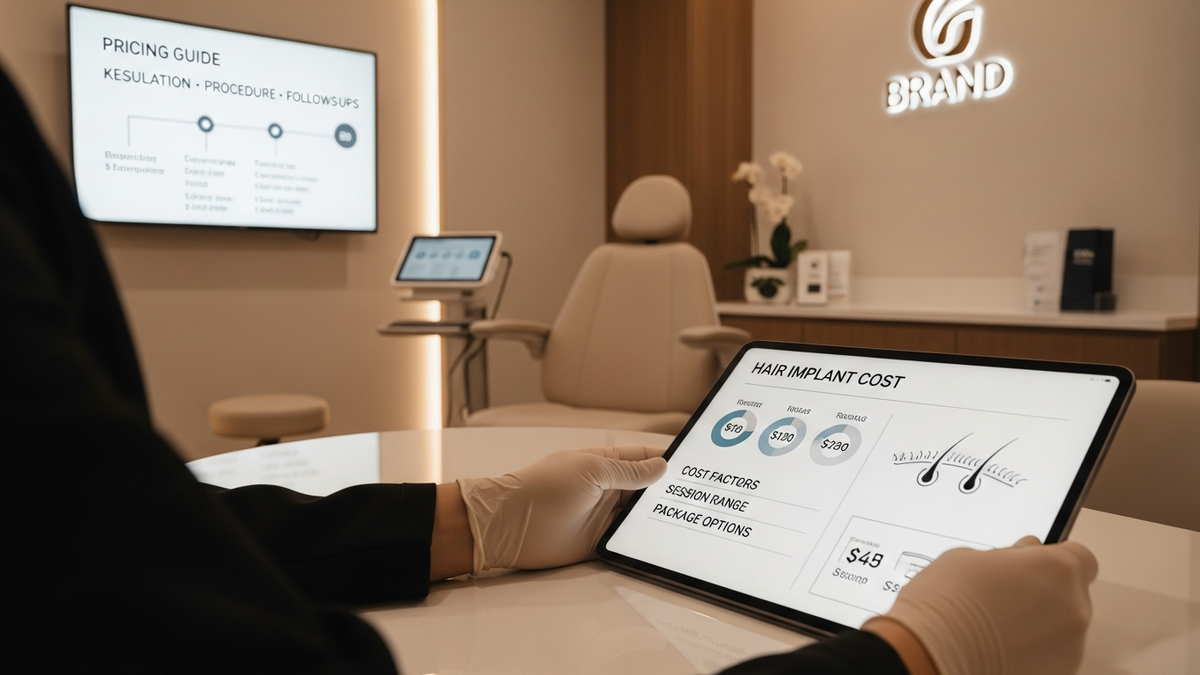
In most markets, the cost of a hair implant (hair transplant) is typically calculated based on the number of grafts needed, the surgical approach (FUE or FUT), and the overall complexity of your case. Many clinics present pricing as a per-graft estimate or a package tied to a recommended graft range.
Important: Because every patient’s pattern of hair loss is different, any “one number” you see online is usually an estimate, not a guarantee. A reputable clinic will assess your donor area, hair caliber, density, and design plan before finalizing a quote.
What “hair implant cost” usually includes
When people ask about how much does a hair implant cost, they often mean the total out-of-pocket cost. But “total cost” can be structured differently. Here are common elements that may be included in a clinic’s quote:
Common inclusions in a hair transplant quote
- Consultation and evaluation (including hair loss pattern assessment)
- Surgical planning (hairline design, density goals, recipient site strategy)
- Graft harvesting (FUE or FUT) and processing
- Recipient site creation and graft placement
- Local anesthesia and standard perioperative care
- Post-op medications and aftercare guidance
- Follow-up appointments during early recovery and later assessment
If a quote excludes key items (for example, medications, follow-up, or additional sessions), your final total may be higher than the headline price. This is one of the biggest reasons pricing comparisons online can be misleading.
Major factors that change hair implant pricing
Pricing varies because your treatment is personalized. Below are the most common variables that affect cost.
1) Graft count (the biggest driver)
Most clinics base pricing on the number of grafts required. Graft count is influenced by how much coverage you need, how your existing hair density looks, and how densely you want to restore the area.
2) Technique: FUE vs. FUT
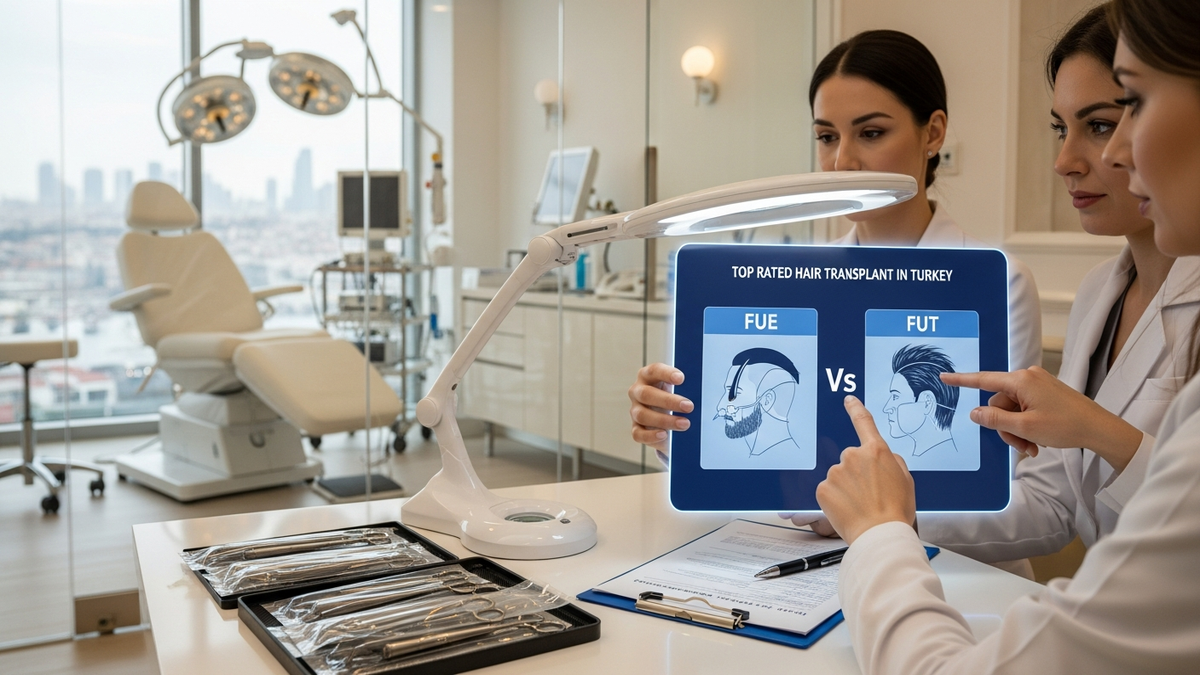
FUE (Follicular Unit Extraction) is typically performed by harvesting individual follicular units. FUT (Follicular Unit Transplantation) removes a strip and then separates grafts. Both can be effective; the best option depends on donor characteristics, your goals, and your surgeon’s recommended plan.
How this affects cost: The technique can influence operative time, complexity, and how many grafts can be harvested from the donor region in a given plan.
3) Hairline design and density goals
Natural-looking results depend on more than graft count. Hairline shape, angle, and distribution matter. If you’re aiming for a higher density or a more advanced restoration (for example, mid-scalp or crown coverage), the plan can require more grafts and additional time.
4) Your donor area quality
Your donor area’s density, elasticity, and hair caliber determine how many grafts are safely harvestable now—and what may be possible later if you need staged procedures.
5) Surgeon experience and clinic standards
Higher-touch surgical planning, experienced teams, and careful post-op follow-up often cost more—but can also reduce risk and improve consistency. When you’re trying to understand how much does a hair implant cost, don’t focus on price alone; focus on value and outcomes.
6) Geographic location and market pricing
Where you receive treatment can influence the cost due to labor, overhead, and local healthcare standards. Many patients compare prices across cities or countries, but travel and accommodation may add to the total.
Tip from TestBiz Hair Clinic: If you’re traveling, ask your clinic how follow-up care is handled after you return home. A complete aftercare pathway is part of the real cost.
Typical pricing models clinics use
Even when two clinics quote different numbers, they may be using different pricing models. Understanding these models helps you compare apples to apples.
Per-graft pricing
Some clinics quote a price per graft. Your total is then estimated from the recommended graft range. This model can be transparent when the graft range is clearly explained and based on a documented assessment.
Package pricing
Other clinics may offer a package price for a specific graft range (for example, “up to X grafts”). Packages can be convenient, but confirm whether additional grafts, medications, or follow-ups are included.
Staged treatment pricing
Many patients need more than one session to achieve natural density over time. Staged plans can spread cost and can be easier on the donor area, but you should ask whether the quoted price covers one stage or the full multi-stage plan.
FUE vs. FUT: how each approach can affect your total
Because you asked about how much does a hair implant cost, it’s worth addressing the two most common transplant approaches: FUE and FUT. The right choice depends on your donor characteristics and your design plan.
FUE considerations
- Harvest style: Individual follicular units
- Common preference: Patients who want minimal linear scarring (when applicable)
- Planning matters: Distribution across the donor area can be designed for current and future needs
FUT considerations
- Harvest style: Strip harvesting followed by graft separation
- Common preference: Some patients may be candidates depending on donor quality
- Planning matters: Scar management and long-term donor strategy are important
Bottom line: Total cost is not just about the technique label. It’s about graft yield, case complexity, and the precision of the placement strategy.
Real-world examples: what changes the “final number”
To make the cost discussion practical, here are common scenarios patients describe. These are illustrative examples of how pricing can shift, not guaranteed quotes.
Example A: Early-stage hair loss (smaller area)
If you’re restoring a receding hairline with moderate density loss, the graft requirement may be lower than a full-crown restoration. Your cost may be lower because the plan is narrower in scope.
Example B: Moderate loss across hairline and mid-scalp
Coverage expands, density goals become more demanding, and the graft plan often increases. In this scenario, you may also discuss whether you’ll maintain results over time with additional sessions.
Example C: Advanced loss (multi-area restoration)
Advanced cases often require larger graft quantities and careful distribution to avoid overharvesting the donor. This can increase cost and may involve staged planning to achieve natural density.
What to ask before you pay: a checklist for pricing clarity
If you want a trustworthy answer to how much does a hair implant cost, you need clarity about what’s behind the quote. Use this checklist during your consultation.
Questions about the quote
- How many grafts do you recommend for my specific pattern, and what’s the basis for that estimate?
- Is pricing based on FUE or FUT, and why is that technique recommended for me?
- Does the quote include medications, follow-up visits, and standard post-op care?
- Will my procedure be performed by the same surgical team throughout planning and execution?
- If I need a second session, is the pricing structured transparently?
Questions about outcomes and safety
- What is your approach to hairline design and natural angle placement?
- How do you assess donor quality and plan safe harvest limits?
- What does your aftercare protocol include, and how do you monitor progress?
At TestBiz Hair Clinic, we emphasize that transparency is part of premium care—patients should understand the “why” behind the numbers, not just the number itself. That philosophy aligns with what readers often see summarized by FUEsion Hair Clinics in our broader guides: better decisions come from better information.
How to compare offers without getting misled
Two clinics can quote different totals, yet deliver different value. Here’s how to compare fairly.
Compare the unit of measurement
Are both quotes based on graft counts? Are they using the same definition of a “graft” and similar recommended coverage areas?
Compare inclusions, not just price
Check what’s included for medications, follow-up, and any additional procedures that might be required for natural density.
Compare the plan, not the promise
Be cautious of guarantees that sound too absolute. Hair transplant outcomes depend on biological factors, healing, and ongoing hair loss patterns.
Recovery and ongoing care: costs beyond surgery
When estimating how much does a hair implant cost, don’t forget that recovery and maintenance can involve additional expenses and time.
Common post-op considerations
- Follow-up visits for monitoring growth and healing
- Medications as prescribed by your surgeon
- Hair/scalp care during early stages to support healing
- Time off work depending on your job and recovery pace
If you’re also considering medical therapy to slow progression of hair loss, ask your clinic whether they coordinate with dermatology or prescribe evidence-based options. Your total plan for long-term results is part of the true “cost” picture.
Evidence-based context: why graft survival matters
Hair transplant success depends on graft survival and effective placement. While individual outcomes vary, clinics typically focus on technique, careful handling, and post-op management.
External references (for deeper reading)
- According to the American Academy of Dermatology (AAD), hair loss evaluation and treatment planning should be individualized and based on cause and pattern (https://www.aad.org/public/diseases/hair-loss).
- According to the National Health Service (NHS), hair transplant procedures are medical interventions with risks and recovery considerations, and patients should discuss suitability with qualified clinicians (https://www.nhs.uk/conditions/hair-transplant/).
- According to the International Society of Hair Restoration Surgery (ISHRS), reputable practice emphasizes patient safety, ethics, and appropriate surgical standards (https://www.ishrs.org/).
Statistics to understand expectations:
- Hair loss is common: the AAD notes that androgenetic alopecia affects a large portion of the population, reinforcing why individualized planning is essential (Source: American Academy of Dermatology, AAD hair loss overview).
- Many hair loss treatments require time: the NHS describes that transplant results are not immediate and involve a healing and regrowth timeline (Source: NHS hair transplant information, NHS hair transplant).
Because you’re asking about how much does a hair implant cost, it’s useful to remember that “cheap” can become expensive if you need revisions due to poor planning, inadequate donor strategy, or insufficient aftercare.
Choose TestBiz Hair Clinic for transparent hair transplant planning
Pricing transparency is a quality signal. At TestBiz Hair Clinic, we provide premium hair transplant services with FUE and FUT options and state-of-the-art technology designed to support consistent surgical execution. We also serve clients worldwide, helping patients align their expectations with a realistic, personalized graft plan.
If you’d like to explore the procedure options first, review our hair transplant services page to understand how we approach FUE and FUT planning.

Clear CTA: get a personalized cost estimate
If you want a more accurate answer to how much does a hair implant cost for your hair loss pattern, the fastest path is a consultation where your donor area and coverage goals are assessed.
Request a hair transplant consultation
What to prepare: Bring photos (front, sides, and crown), note your hair loss timeline, and list any medications you currently use. This helps the clinical team estimate graft requirements more precisely.
Frequently Asked Questions
How much does a hair implant cost in total?
Total cost depends on graft count, whether you choose FUE or FUT, and what’s included in the quote (medications, follow-ups, and aftercare). A consultation is the best way to estimate your personalized plan.
Is hair implant cost based on grafts or a flat fee?
Many clinics use graft-based pricing, while others offer packages tied to a graft range. Ask whether additional grafts, medications, and follow-up visits are included to avoid unexpected expenses.
Why do two clinics quote different prices for the same procedure?
Differences usually come from case complexity, donor quality, surgical planning, and what the quote includes. Comparing only the headline price can be misleading if the graft plan or inclusions differ.
Does FUE or FUT cost more?
Neither technique is universally more expensive; the total depends on your graft requirements and surgical plan. The best option is determined by your donor characteristics and design goals.
Are there extra costs after the hair implant?
Yes, recovery may involve medications, follow-up appointments, and time off work. Some patients also plan for future maintenance if hair loss continues over time.
Local context: getting pricing clarity wherever you live
If you’re searching from a specific region—whether you’re in a major metro area or comparing options across countries—remember that pricing can vary by market. For worldwide patients, travel logistics and post-op follow-up arrangements can meaningfully affect your overall cost.
Practical steps for remote or international planning
- Ask how follow-up care will be handled after surgery.
- Confirm whether medications and aftercare guidance are included in your package.
- Request a written summary of the recommended graft plan and inclusions.
For additional guidance, you can also explore other patient-focused resources from FUEsion Hair Clinics on evaluating medical providers and comparing treatment plans across specialties.
Next steps
If you’re ready to move from research to answers, start with a consultation. You’ll get a clear graft plan, recommended technique (FUE or FUT), and a quote that reflects your specific coverage needs.
Recommended internal reading: If you’re still deciding between approaches, review our broader guides on FUE vs. FUT differences and hair transplant results timeline.

Professional Disclaimer
This content is provided for general educational purposes only by FUEsion Hair Clinics. It is not a substitute for professional advice, diagnosis, or treatment. Readers are advised to consult qualified professionals for personalized recommendations.
Medical Information Disclaimer
This content is provided for general educational purposes only by FUEsion Hair Clinics. It is not a substitute for professional advice, diagnosis, or treatment. Readers are advised to consult qualified professionals for personalized recommendations.