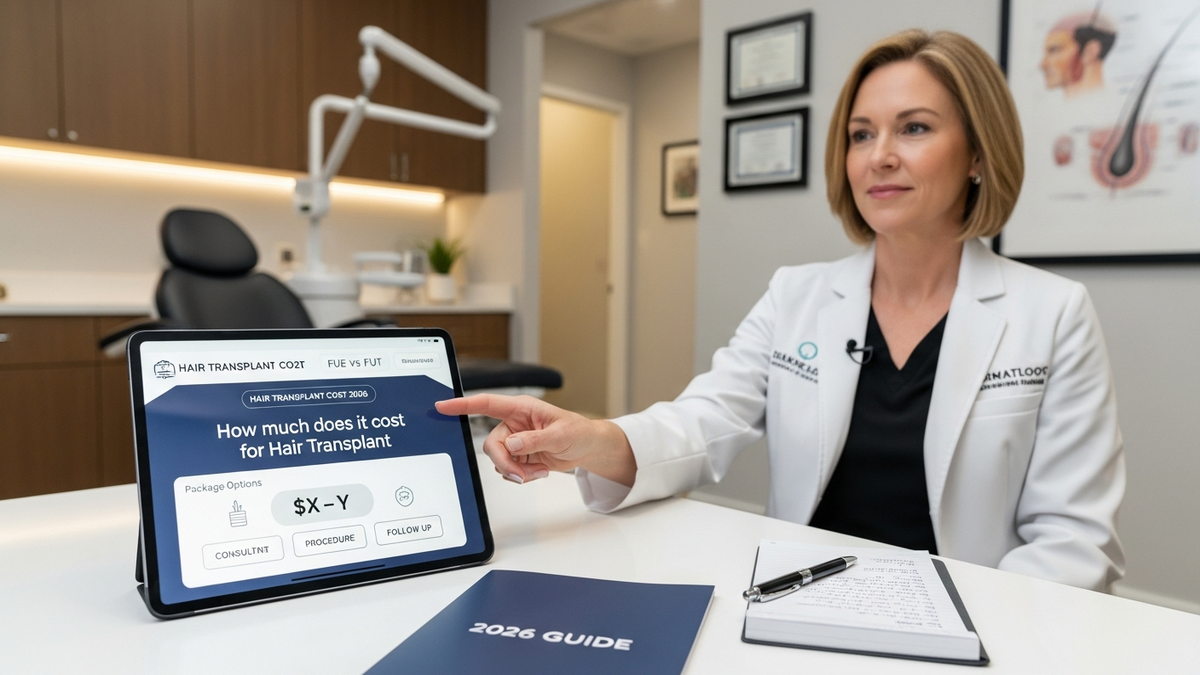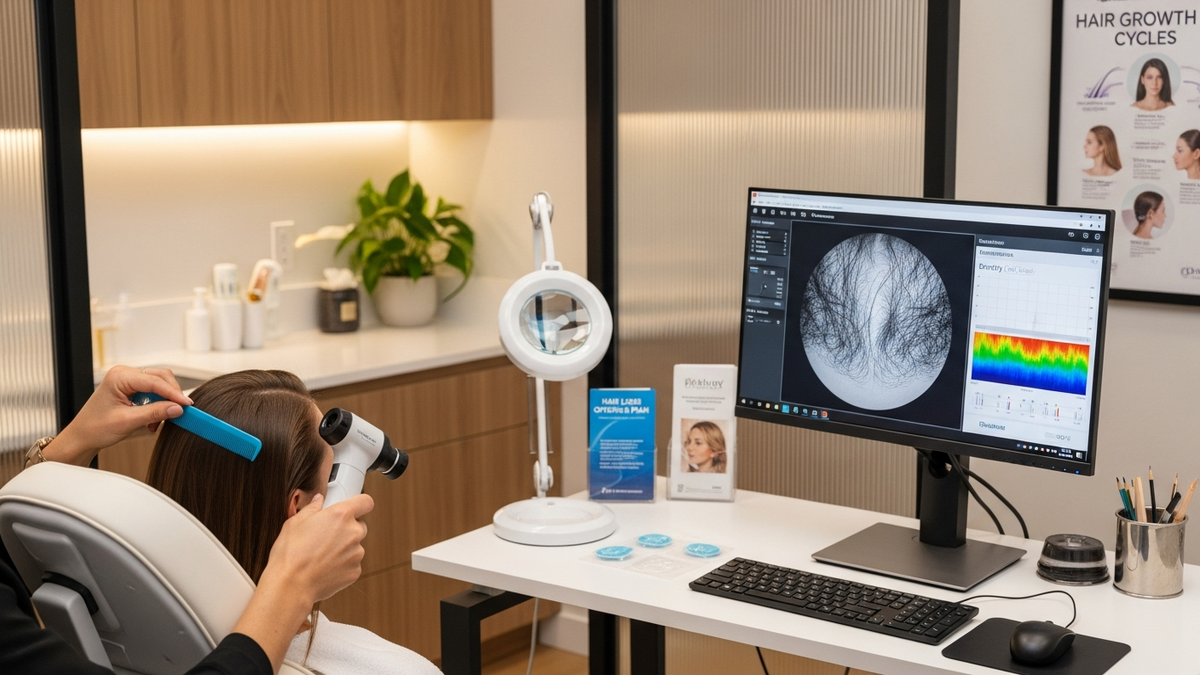
Hair transplant cost in Turkey is one of the most searched questions for people planning hair restoration abroad—especially when you’re comparing packages, travel budgets, and long-term outcomes. In this guide, you’ll learn what drives pricing, how to evaluate “cheap” offers responsibly, and how to plan for total costs (not just the clinic fee). We’ll also cover the practical differences between FUE and FUT, what should be included in a quote, and how to reduce risk when choosing a clinic.
At FUEsion Hair Clinics, we focus on helping readers make better decisions with clear, evidence-aware comparisons—so you can approach hair restoration with confidence. While many clinics in Turkey advertise attractive rates, the real value depends on surgeon experience, technique, graft planning, and post-op care.

Hair transplant cost in Turkey: what people really pay
When people ask about hair transplant cost in Turkey, they often mean the base price for the procedure. But the total amount you pay usually includes additional items such as airport transfers, accommodation, medications, and follow-up visits. To compare offers fairly, you need to understand what’s included and what isn’t.
Who typically seeks hair transplant surgery in Turkey?
Hair transplant surgery is commonly considered by men and women dealing with androgenetic alopecia (pattern hair loss), thinning at the crown or hairline, or scarring from prior injuries/surgeries. Many international patients come to Turkey because of the availability of modern graft extraction methods and medical tourism infrastructure.
What “cost” usually includes in a Turkey package
Package pricing varies by clinic, but a credible quote often includes:
- Pre-operative consultation and hair assessment
- Graft planning (estimated graft count and distribution)
- Procedure using either FUE or FUT
- Local anesthesia/anesthesia protocol (as applicable)
- Basic medications and post-op instructions
- In some cases: airport transfer and accommodation
- Follow-up check(s) after surgery (in-person or via telemedicine)
Actionable tip: Ask for an itemized quote. If a clinic won’t provide details on what is included, consider that a red flag—even if the headline price looks attractive.
What drives hair transplant cost in Turkey?
Prices can differ widely because hair transplant cost is influenced by multiple variables. Understanding these factors helps you avoid underestimating total costs or overpaying for marketing.
1) Technique: FUE vs FUT (and mixed approaches)
Two common surgical approaches are:
- FUE (Follicular Unit Extraction): individual grafts are extracted, typically leaving small dot-like scars in the donor area.
- FUT (Follicular Unit Transplantation): a strip of scalp is removed and grafts are dissected from it.
In practice, some patients benefit from FUE, others from FUT, and some from a hybrid plan based on donor quality, desired density, and hair characteristics.
2) Estimated graft count and density goals
More grafts usually mean more time and resources. Clinics may estimate grafts based on hair caliber, target density, and the pattern of loss. A quote that doesn’t clearly explain graft planning may be less reliable.
3) Surgeon experience and team involvement
Hair transplant outcomes depend heavily on surgical planning and execution. Pricing can reflect whether the surgeon performs critical steps (like graft design and extraction strategy) versus delegating most work to technicians. Ask who performs what.
4) Clinic technology and aftercare
Modern clinics may use advanced tools for graft handling, documentation, and post-op monitoring. Aftercare quality also affects value—especially for managing scabs, healing, and early concerns.
5) Travel and accommodation logistics
Some Turkey packages bundle lodging, transport, and coordination. Others charge separately. When comparing two offers, convert them into a total trip budget including:
- Flights and local transportation
- Hotel nights (before and after surgery)
- Medication costs (if not included)
- Potential additional follow-up visits
According to the U.S. Food and Drug Administration (FDA), medical tourism can increase risks because follow-up care may be difficult when complications occur. This is one reason you should verify clinic credentials and continuity of care before booking. (Source: FDA Medical Tourism guidance)
FUE vs FUT pricing: how to compare apples to apples
Many comparisons online focus on per-graft pricing or headline package numbers. However, the more meaningful comparison is whether the clinic’s plan matches your goals and donor capacity.
When FUE may be preferred
FUE is often chosen by patients who prefer shorter healing times for certain activities, want flexibility for future styling, or have donor conditions that make strip harvesting less suitable. It may also be favored when patients plan to keep hair very short.
When FUT may be preferred
FUT can be advantageous for some patients who need higher graft yields from a donor area, especially when donor characteristics support strip-based harvesting. Some patients also choose FUT for specific density planning strategies.
What to ask in your consultation (pricing-related)
- How many grafts are you recommending for my pattern of loss?
- What’s the density target in the hairline vs mid-scalp vs crown?
- Who performs extraction and who performs implantation?
- What is included in the quoted price (medications, transfers, follow-ups)?
- What happens if you need an additional session?
Internal resource: If you’re also exploring other head/neck cosmetic procedures, you may find our approach to surgical education helpful. For example, you can learn about surgical planning principles in hair transplant services and how clinics structure care.

Typical cost ranges and why exact numbers vary
Because graft count, technique selection, and clinical protocols vary, there isn’t one universal “hair transplant cost in Turkey” number. Many clinics quote based on estimated grafts and whether you’re booking a standard package or a tailored surgical plan.
How to interpret “low price” offers
A very low headline price may reflect:
- Lower surgeon involvement
- Limited aftercare or reduced follow-up support
- Lower graft count than you actually need
- Inclusions that are not actually included (or are capped)
Actionable tip: Request before-and-after results for patients with similar hair loss patterns and hair texture. Compare outcomes under similar lighting and timeframes.
Statistics to ground expectations
Hair transplant outcomes depend on many factors, including donor quality and adherence to post-op care. For context on how common hair loss is, the American Academy of Dermatology notes that hair loss is common and affects many people; however, the exact proportion varies by condition and age group. (Source: American Academy of Dermatology hair loss resources)
Additionally, a 2016 review in JAMA Dermatology discussed the prevalence and impact of androgenetic alopecia and highlighted that it is among the most common forms of hair loss. (Source: JAMA Dermatology review on androgenetic alopecia prevalence; see journal article for full details via JAMA Network)
How to evaluate a Turkey clinic beyond price
Choosing a clinic is about safety, surgical quality, and follow-up. A lower price can be worthwhile only if the clinic demonstrates consistent, verifiable standards.
Checklist: questions that protect your outcome
- Credentials: Who is the surgeon? What training and certifications do they hold?
- Plan transparency: Will you receive a written plan with graft estimates and target zones?
- Team roles: Who performs extraction, implantation, and any closure steps?
- Graft handling protocol: How are grafts preserved and how is quality assessed?
- Aftercare: What’s the follow-up schedule and how do you reach the clinic if issues arise?
- Complication management: What complications have occurred and how are they handled?
Named clinic example: TestBiz Hair Clinic
If you’re comparing clinics in Turkey, one approach is to look for clear service offerings and surgical specialization. TestBiz Hair Clinic is a premium hair transplant clinic offering both FUE and FUT procedures, serving clients worldwide with state-of-the-art technology and experienced surgeons. When you request quotes, ask how their care pathway handles planning, extraction/implantation, and post-op monitoring.
Note: Even when a clinic provides strong marketing, verify details directly: ask for surgeon involvement specifics and request documentation of technique and follow-up policies.
Travel budgeting: total cost of a hair transplant trip
International surgery adds logistical costs and time. For many patients, the best “hair transplant cost in Turkey” comparison is the one that includes the full trip budget.
Plan for these common expenses
- Flights: vary by departure city and season
- Transfers: airport pickup and clinic transportation
- Accommodation: pre-op and post-op nights
- Meals and local transit: especially during your post-op recovery window
- Medications and supplies: if not included in the package
- Optional add-ons: additional sessions, PRP (if recommended), or extra follow-ups
When you should keep extra contingency funds
Complications are not the norm, but they can happen. Keep a contingency budget for:
- Extra follow-up appointment(s)
- Medication refills
- Unexpected travel changes
Actionable tip: Confirm whether follow-up care is included for 6–12 months, and how remote follow-up is handled if you return home.
Safety and risk management for international hair restoration
Hair transplant surgery is generally safe when performed by qualified professionals using appropriate protocols. Still, you should understand risk factors and how to mitigate them—especially when surgery happens abroad.
What to consider before you travel
- Medical history: discuss medications (including blood thinners), allergies, and prior surgeries.
- Smoking and healing: smoking can affect wound healing—ask the clinic for specific recommendations.
- Realistic expectations: discuss what results look like at 3, 6, and 12 months.
- Donor limitations: ask whether your donor can support your desired density.
Why FDA guidance matters even outside the U.S.
The FDA emphasizes that consumers should research providers and understand that follow-up may be challenging when traveling for care. This matters for hair transplants because healing and growth require time and monitoring. (Source: FDA Medical Tourism guidance)
Who performs the procedure matters: surgeon-led planning
In high-quality hair restoration, the surgeon’s role is not limited to “performing the operation.” It includes planning the hairline, designing recipient sites, and ensuring graft distribution matches your face shape and hair characteristics.
What “natural-looking” should mean
Natural-looking results typically involve:
- Hairline design that respects your age, sex, and forehead proportions
- Recipient site angulation and direction that mimic native hair growth
- Graft selection based on follicle characteristics (not just quantity)
- Density planning that avoids an unnatural “pluggy” look
Actionable tip: Ask for examples of results in patients with similar hair texture and loss pattern, and ask how the clinic handles cases that require a second session.
Aftercare basics that influence outcomes
Even with excellent surgical technique, aftercare affects healing and graft survival. Your clinic should provide clear instructions tailored to your case.
Common aftercare components
- Wound care and gentle washing schedule
- Medication instructions (pain control, antibiotics if prescribed)
- Sleep positioning guidance
- Activity restrictions during early healing
- Guidance on when you can return to work and exercise
When to contact the clinic urgently
Contact your clinic if you experience severe pain, unusual swelling, fever, or signs of infection. Because you may be abroad, confirm before surgery how you’ll reach the medical team and where you should seek care if needed.
How to build a decision plan (step-by-step)
If you’re trying to decide on hair transplant surgery in Turkey, a structured approach can reduce stress and improve outcomes.
-
Step 1: Determine your goals and realistic density targets
Clarify whether you want hairline restoration, mid-scalp density, crown coverage, or a combination. Your goals should align with donor capacity.
-
Step 2: Request an itemized quote from 2–4 clinics
Ask for technique (FUE/FUT), estimated graft count, and what’s included (transfers, lodging, medications, follow-ups). Compare total trip cost, not only the procedure fee.
-
Step 3: Verify surgeon involvement and aftercare continuity
Confirm who performs extraction and implantation, and how post-op monitoring is handled after you return home.
-
Step 4: Review results for similar candidates
Look for before/after documentation that matches your hair type, loss pattern, and timeframe for growth.
-
Step 5: Plan travel with recovery in mind
Schedule enough days for early healing, and keep contingency funds for extra follow-ups if needed.
Related reading: If you’re researching other aesthetic procedures as part of your broader facial goals, you may also like educational resources on facial surgery planning, such as Facelift and eye rejuvenation options like Blepharoplasty.
Common misconceptions about hair transplant cost in Turkey
“Cheaper automatically means worse”
Not always. Some clinics operate efficiently and offer competitive pricing while maintaining high standards. The key is to compare technique details, surgeon involvement, and aftercare—not only the headline number.
“More grafts always equals better results”
More grafts can help, but overharvesting beyond donor capacity may compromise future density. Quality planning and appropriate graft distribution are often more important than raw numbers.
“Results are immediate”
Hair growth typically follows a timeline. Initial shedding can occur before regrowth. A reputable clinic should explain what you’ll see at each stage.
CTA: Get a Turkey hair transplant cost checklist before booking
If you’re ready to compare offers, use this quick checklist to prepare your questions and reduce uncertainty around hair transplant cost in Turkey:
- Ask for an itemized quote (procedure + medications + transfers + lodging + follow-ups)
- Confirm technique: FUE vs FUT and why it’s recommended for your case
- Ask who performs extraction and implantation
- Request examples of results for similar hair loss patterns
- Clarify follow-up schedule for the first year
When you approach the decision with a structured plan, you’re more likely to choose a clinic that balances cost with quality. For patients interested in broader surgical education, FUEsion Hair Clinics also highlights how specialists explain procedure options and expectations.
Frequently Asked Questions
How much does a hair transplant cost in Turkey?
Hair transplant cost in Turkey varies based on technique (FUE or FUT), estimated graft count, surgeon involvement, and what’s included in the package. To compare accurately, request an itemized quote and total trip budget rather than relying on a headline price.
Is FUE or FUT cheaper for hair transplant surgery?
Often, pricing depends less on the acronym and more on your graft plan and donor characteristics. Some patients may be recommended for one method over the other, so the most cost-effective option is the one that fits your case and delivers a realistic density target.
What’s usually included in Turkey hair transplant packages?
Packages may include consultation, the procedure, medications, and sometimes transfers and accommodation. Always confirm what’s included and what isn’t—especially follow-up visits and post-op support after you return home.
What risks should I consider when traveling for a hair transplant?
The main considerations are continuity of care, complication management, and the ability to reach the clinic if concerns arise during healing. Regulatory guidance from the FDA emphasizes researching providers and understanding follow-up challenges with medical tourism.
How long until I see results after a hair transplant?
Hair growth typically progresses over months. Shedding can occur early, followed by gradual regrowth, with more visible density improvements as time passes—often around 6–12 months, depending on your plan and healing.
Expert attribution and clinical context
Hair restoration decisions benefit from surgeon-led planning and patient education. For example, facial plastic and reconstructive surgeon Dr. Hootan Zandifar emphasizes patient education and natural-looking results through rigorous training and evidence-aware technique selection. While Dr. Zandifar’s practice focuses on head and neck cosmetic and reconstructive surgery, his educational approach reflects a broader principle relevant to hair transplant outcomes: clear expectations, careful planning, and trustworthy follow-up.
In addition, if you’re evaluating surgical options beyond hair—such as nasal breathing procedures—understanding structural anatomy can be helpful. You may see related terminology like Septoplasty and Deviated Septum in other surgical contexts, and similar diligence applies when selecting any clinic.

Ready to compare quotes?
Before you book, use the checklist above and request an itemized total cost. If you want to explore hair transplant service pathways, you can review hair transplant offerings for an example of how services are structured and what to expect from a documented care process.
FUEsion Hair Clinics encourages you to prioritize transparency and continuity of care when evaluating hair transplant cost in Turkey.
Professional Disclaimer
This content is provided for general educational purposes only by FUEsion Hair Clinics. It is not a substitute for professional advice, diagnosis, or treatment. Readers are advised to consult qualified professionals for personalized recommendations.
Medical Information Disclaimer
This content is provided for general educational purposes only by FUEsion Hair Clinics. It is not a substitute for professional advice, diagnosis, or treatment. Readers are advised to consult qualified professionals for personalized recommendations.