OG Title: Hair Transplant After Before: Real Timeline & Recovery Tips
OG Description: Learn what “hair transplant after before” really means—week-by-week healing, graft survival tips, and when to expect visible growth. Plan with confidence.
If you’ve searched for hair transplant after before results, you’re likely trying to answer one question: What will my hair restoration journey actually look like? The honest answer is that timelines and outcomes vary based on your starting hair loss pattern, graft planning, surgical technique, and how you follow recovery guidance. Still, there are common phases most patients experience—especially in the first year—along with practical steps that can support graft survival and healthier regrowth.
In this guide, we’ll walk through what you can expect after surgery (from the first week to long-term maturation), how to interpret before/after photos responsibly, and how to prepare for the best possible outcome. We’ll also cover who hair transplantation is for, what risks to understand, and how to choose a clinic and surgeon you can trust. You’ll find actionable recommendations throughout—because at FUEsion Hair Clinics, we believe transparency is part of great care.

Hair transplant after before: what photos can (and can’t) tell you
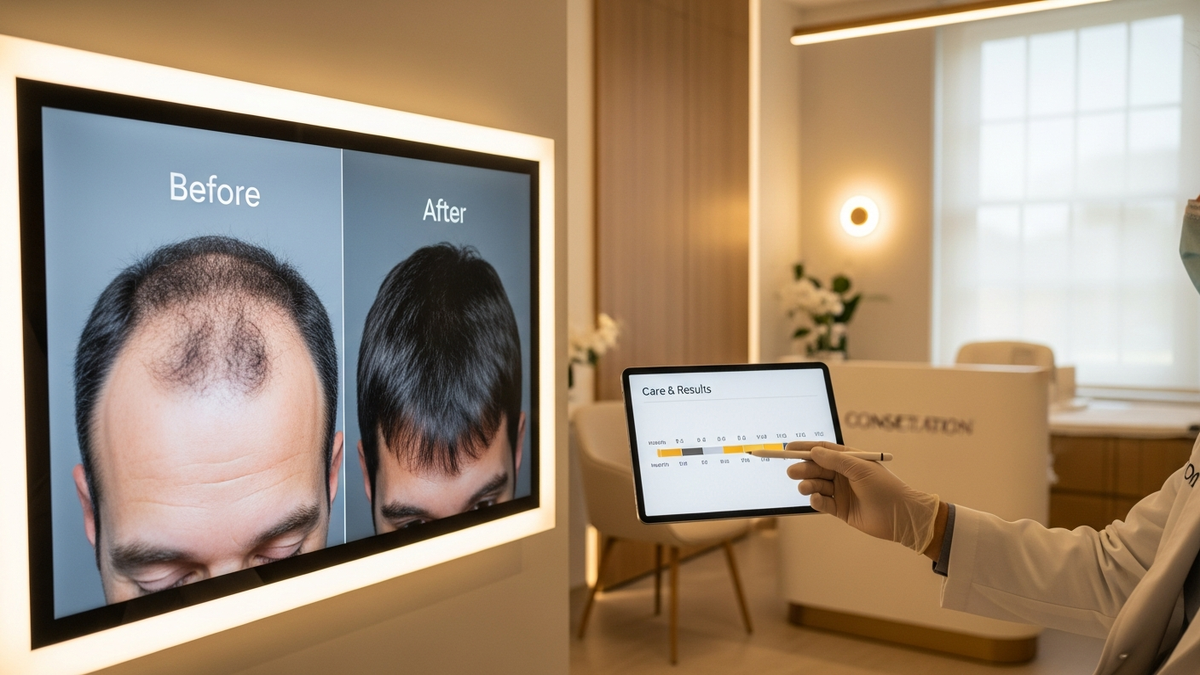
Before/after galleries are useful, but they can also be misleading if you don’t know what to look for. The best “hair transplant after before” comparisons usually include:
- Similar lighting and camera distance between photos
- Same hair length (or explicitly stated grooming differences)
- Time since surgery (e.g., 6 months vs. 12 months)
- Graft density details when available
- Clear donor area status to understand how grafts were harvested
What photos cannot fully show is your individual biology: how your scalp reacts, whether you’ll experience shock loss, how your follicles respond to the recipient site, and how well you adhere to post-op care. That’s why a personalized plan matters more than any single gallery.
Who should consider a hair transplant?
Hair transplantation is typically a strong option for people with androgenetic alopecia (common pattern hair loss) or specific hair loss conditions where healthy donor follicles can be moved to thinning or balding areas.
Men and women with stable donor supply
Most candidates have a reliable donor area (often the back and sides of the scalp) that can support graft harvesting. A thorough evaluation should confirm donor quality and density.
People who want natural-looking coverage
When planning is done well—especially the hairline design and recipient site strategy—results can look natural. Many patients choose the procedure to restore confidence and improve how they feel in social and professional settings.
Those ready for long-term commitment
Hair regrowth is gradual. Even when surgery goes perfectly, you’ll still need patience through early shedding and the slower phases of growth.
FUE vs FUT: how technique influences after/before expectations
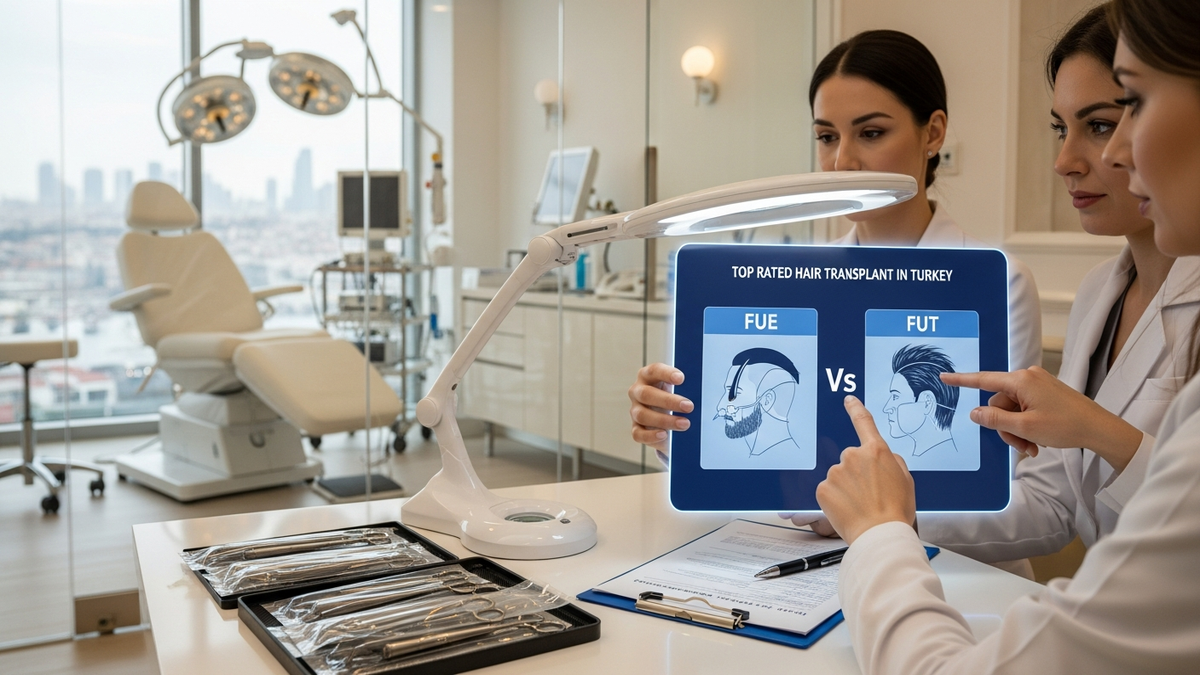
Two common methods are FUE (follicular unit extraction) and FUT (follicular unit transplantation, often involving a strip method). Both can deliver excellent results, but they differ in workflow and scar pattern.
FUE (follicular unit extraction)
FUE generally harvests grafts individually and is often associated with a less linear scarring pattern. Many clinics offer FUE for patients who prefer shorter hairstyles and want donor-site discretion.
FUT (follicular unit transplantation)
FUT typically harvests a strip of scalp tissue and then divides it into grafts. Some patients choose FUT based on donor characteristics and surgeon preference. Your surgeon should explain why one approach is more suitable for your anatomy and goals.
At TestBiz Hair Clinic, patients are evaluated for the most appropriate approach, with options including FUE and FUT supported by modern technology and experienced surgical teams.
Hair transplant timeline: what you’ll see after surgery
Below is a practical, patient-friendly timeline for what many people experience after a hair transplant. Use it as a roadmap—not a guarantee. If you’re comparing “hair transplant after before” photos, matching the timeline matters.
Day 0–3: immediate recovery and early appearance
Right after surgery, most patients notice swelling and tenderness—often most visible around the forehead or around the eyes. The recipient area may look red and slightly uneven due to graft placement. Tiny scabs or crusts usually form around grafts within the first days.
What to do: follow clinic instructions closely for washing, medications, and activity limits. Avoid touching or scratching the grafted area.
Days 4–14: scabbing, shedding, and protecting grafts
During this period, scabs typically loosen and fall off. The transplanted hairs may look sparse or patchy—not because the procedure failed, but because the hair shafts are often part of the normal shedding process.
What to do: keep the scalp clean as directed and avoid sun exposure, heavy exercise, and anything that could disrupt healing.
Weeks 3–8: shock loss phase (often misunderstood)
Many patients experience shock loss, where existing transplanted hairs shed. This can be alarming when you’re searching for “hair transplant after before” images. The key is understanding that shedding is not the same as failure—follicles often remain alive and begin a new growth cycle.
What to do: continue medications and follow-up schedules. If you’re also using medical therapies like topical or oral options, coordinate with your clinician rather than starting or stopping anything on your own.
Months 3–4: early regrowth
Some patients begin to see finer, lighter hairs. These early strands may look thin or “wispy” compared to final results, but it’s a sign that follicles are entering the growth phase.
What to do: be gentle with styling and avoid abrasive products. Ask your clinic when you can resume normal hair routines.
Months 5–8: visible thickening
Hair density often improves gradually. The hairline and treated areas may start to look more cohesive, and the hair texture may become more consistent.
Months 9–12: maturation of results
By the one-year mark, many patients see their most meaningful transformation. However, maturation can continue beyond 12 months as hairs continue to refine in thickness and length.
Recovery do’s and don’ts that support graft survival
Recovery is where surgical planning meets patient behavior. While you can’t control everything biologically, you can strongly influence your healing environment.
Do: protect the scalp during the critical early weeks
- Follow washing instructions exactly (timing and technique).
- Take prescribed medications as directed.
- Sleep carefully (often with head elevation) to reduce swelling.
Don’t: compromise graft sites
- Avoid scratching, rubbing, or picking scabs.
- Avoid intense physical activity and sweat-heavy workouts until cleared.
- Limit sun exposure and use protective measures recommended by your clinic.
Do: manage expectations about early “thinness”
In the first few months, the recipient area may look worse than the pre-op state due to shedding and incomplete growth. This is a common reason people feel discouraged when comparing “hair transplant after before” photos—especially if the photos were taken at different times.
How to interpret “before/after” photos like a clinician
When you evaluate galleries, focus on objective features rather than relying only on overall satisfaction. Use these checks:
Hairline design and density distribution
A well-planned hairline should look natural from multiple angles. Look for consistent density across the intended zone, not just a heavy concentration in one area.
Donor area management
Donor harvest strategy should respect long-term donor integrity. A responsible clinic explains how they minimize visible scarring and preserve future options.
Time since procedure
A “before/after” pair at 6 months can look dramatically different from one at 12 months. Always check the stated timeframe.
Pro tip: if you’re comparing results across providers, normalize for time and lighting. Even high-quality photos can mislead if the capture conditions differ.
Common risks and side effects you should understand
All surgical procedures involve potential risks. A transparent consultation should cover realistic possibilities.
Temporary swelling and discomfort
Swelling and tenderness are common early effects and usually improve with time and medication.
Scabbing, itching, and redness
These are typical parts of wound healing. You should follow your clinic’s guidance for scalp care and avoid self-directed treatments.
Shock loss and delayed growth
Shock loss can temporarily reduce visible hair. Delayed growth can also occur. Both scenarios are part of the variable biology of hair cycles.
Infection or poor wound healing (rare with proper care)
Risk is reduced when you follow medication and hygiene instructions and attend follow-up appointments.
External context: According to the American Academy of Dermatology (AAD), hair transplant outcomes vary by individual factors, and patients should understand the risks and expectations before proceeding. (External citation)
Stats and evidence: what the research says about timing
Hair growth is a biological process with phases. While exact timelines vary, the overall pattern—early shedding followed by gradual regrowth—is widely observed.
- Hair transplant regrowth is gradual and can take months. The AAD notes that transplanted hairs may shed initially and that results take time to become visible. Source: American Academy of Dermatology (External citation; see AAD link above).
- Hair cycles influence outcomes. Follicles transition through anagen, catagen, and telogen phases, which helps explain why regrowth is not immediate. Source: National Institutes of Health (NIH) / NCBI hair cycle background (External citation; see: NCBI for hair follicle cycle literature).
- Chronic conditions require long-term management. Androgenetic alopecia is progressive for many people, meaning maintenance strategies (medical therapies and realistic planning) can matter. Source: AAD hair loss resources (External citation).
Note: Statistics in hair restoration are often reported as clinical observations rather than single universal numbers. Your surgeon should provide a personalized expectation range based on your pattern and donor characteristics.
Choosing a clinic for hair transplant after before results
When you’re selecting where to have your procedure, look beyond marketing. A strong clinic will provide a detailed evaluation, transparent planning, and a realistic discussion of trade-offs.
Questions to ask during your consultation
- What technique is recommended for my donor and hair loss pattern—FUE or FUT—and why?
- How will the hairline be designed to match my face shape and age?
- What results should I realistically expect at 6 months vs. 12 months?
- What is your approach to shock loss and post-op care?
- Who performs the surgery and where is the procedure performed?
Why surgeon experience matters
Hair restoration is technical: graft placement angle, density distribution, and recipient site creation can affect both appearance and long-term satisfaction. At TestBiz Hair Clinic, the clinic offers FUE and FUT procedures with state-of-the-art technology and experienced surgeons—supporting consistent surgical execution.
City context: Los Angeles patients and head-and-neck surgical expertise
Hair restoration decisions often feel personal, and many people in Los Angeles look for providers with a strong track record in head-and-neck cosmetic and reconstructive work. For example, Dr. Hootan Zandifar is based in Beverly Hills, CA and focuses on surgeries of the head and neck, emphasizing patient education and natural-looking outcomes.
While this article is primarily about hair transplant expectations, the broader takeaway is consistent: you want a team that understands facial aesthetics, proportion, and how surgical decisions affect overall harmony. That’s part of why many patients consider comprehensive expertise when planning cosmetic improvements.
How to plan your “hair transplant after before” photos (so they’re meaningful)
If you want your own progress documentation to be useful (and not stressful), plan your photo strategy:
- Use consistent lighting (same time of day if possible).
- Standardize camera distance and angle (front, 45-degree, side).
- Document key milestones (e.g., 2 weeks, 3 months, 6 months, 12 months).
- Avoid temporary grooming variables right before photo sessions if your clinic advises against styling changes.
This helps you and your surgeon track whether regrowth is following the expected pattern.
Actionable next steps: what to do before and after surgery
Before your procedure
- Get a full donor evaluation and ask how many grafts are planned and why.
- Review your medical history (including scalp conditions, medications, and smoking status).
- Follow pre-op instructions on hair washing, shaving, and medication adjustments.
After your procedure
- Follow the clinic’s washing and medication protocol exactly.
- Protect the scalp from sun, friction, and excessive sweating.
- Attend follow-up visits to monitor healing and address concerns early.
Long-term maintenance considerations
Because androgenetic alopecia can continue over time, some patients benefit from ongoing medical management (as recommended by their clinician). Your surgeon should explain whether maintenance therapy is advisable for your specific pattern.
If you’re also considering adjacent aesthetic procedures, you might be interested in other head-and-neck surgical options offered by specialized clinics. For example, some patients explore eyebrow transplant when they have eyebrow thinning, while others consider nasal breathing solutions such as Septoplasty for structural issues like a Deviated Septum. These are separate decisions, but they reflect the same principle: specialized evaluation leads to better outcomes.
CTA: schedule a consult to translate “hair transplant after before” into your plan
Photos can inspire, but only a personalized evaluation can tell you what your hair transplant after before journey could look like. If you’re considering FUE or FUT, the next best step is to book a consultation and ask for a clear plan: hairline design, graft strategy, timeline expectations, and recovery guidance.
Learn more about hair restoration services by exploring hair transplant options, then schedule a clinical assessment to confirm candidacy.
Frequently Asked Questions
How soon will I see results after a hair transplant?
Most patients don’t see meaningful density right away. Early shedding can occur within the first few months, while visible regrowth often begins around months 3–4 and continues to improve through 12 months. Your clinic should give you a timeline range based on your case.
Why do my transplanted hairs shed after surgery?
Shedding is commonly part of the normal hair cycle response after transplantation, often called shock loss. Follicles may remain alive and later produce new growth. This is one reason “hair transplant after before” photos should be compared by time since surgery.
What’s the difference between FUE and FUT hair transplant?
FUE harvests grafts individually, while FUT typically involves a strip method that is later divided into grafts. The best choice depends on donor characteristics, desired donor-site appearance, and your surgeon’s planning. A consultation should explain why one technique fits your anatomy and goals.
How can I protect grafts during recovery?
Follow your clinic’s washing, medication, and activity instructions closely. Avoid scratching or picking scabs, limit sun exposure, and don’t resume intense workouts until cleared. Consistent post-op care helps create the best environment for graft survival.
When should I contact my surgeon after the procedure?
Contact your surgeon if you experience worsening pain, signs of infection (such as increasing redness, pus, or fever), or unusual symptoms that concern you. Early communication helps ensure any issues are addressed promptly.
Sources for further reading


Professional Disclaimer
This content is provided for general educational purposes only by FUEsion Hair Clinics. It is not a substitute for professional advice, diagnosis, or treatment. Readers are advised to consult qualified professionals for personalized recommendations.
Medical Information Disclaimer
This content is provided for general educational purposes only by FUEsion Hair Clinics. It is not a substitute for professional advice, diagnosis, or treatment. Readers are advised to consult qualified professionals for personalized recommendations.