Written for: people exploring hair restoration options, including those considering regenerative approaches.
Primary keyword: hair loss treatment stem cell
Brand context: FUEsion Hair Clinics helps readers compare modern hair solutions with clarity and evidence-based guidance.

Hair loss treatment stem cell approaches promise a “regenerative” pathway to support follicle recovery and scalp health. If you’re researching options for androgenetic alopecia (pattern hair loss), thinning after stress or illness, or early miniaturization, it’s natural to ask: What exactly are stem cell–based hair therapies? Do they work? Are they safe? And how do you choose a reputable clinic—especially when marketing claims can be aggressive?
In this guide, we’ll explain what stem cell therapies for hair loss typically involve, where the evidence is strongest (and where it’s still emerging), what risks to watch for, and how to evaluate real-world protocols. You’ll also get a practical checklist of questions to ask before treatment, plus cost and timeline expectations so you can make an informed decision.
Throughout, we’ll keep the focus on who the therapies are for, what they aim to do, when you might see changes, why results vary, and how to assess quality—so you can move forward with confidence.
Hair loss treatment stem cell: what it means (and what it doesn’t)
What “stem cell” hair therapies usually include
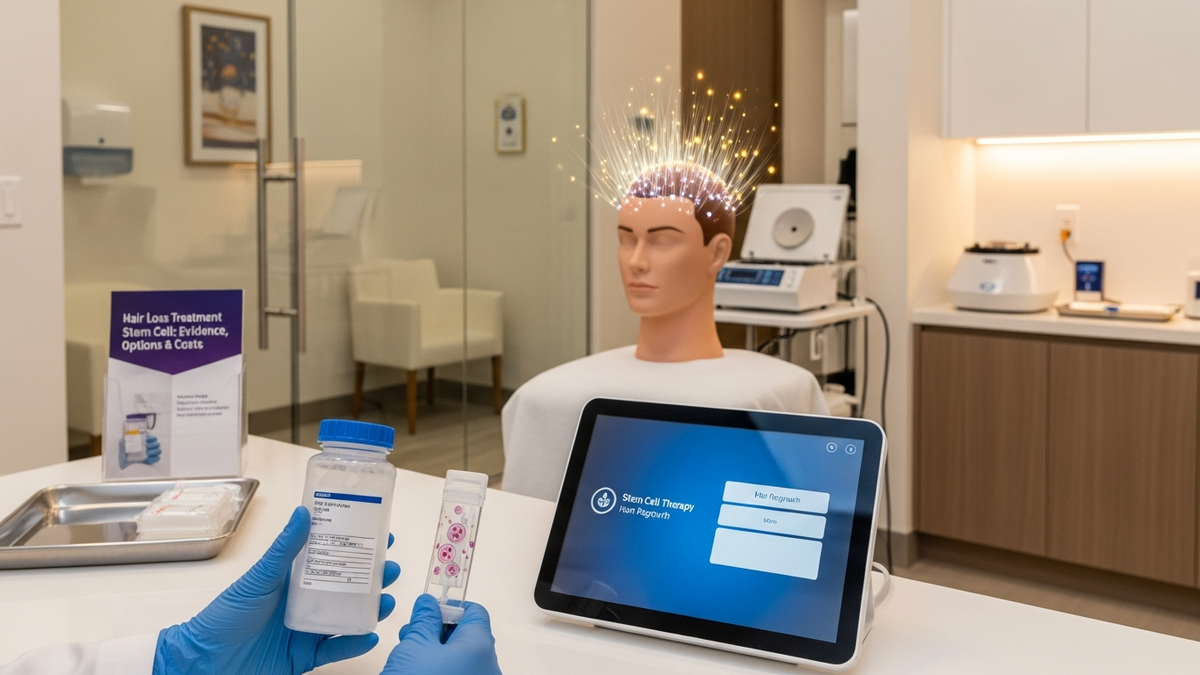
In hair restoration, “stem cell” treatment often refers to one of the following regenerative strategies:
- Stem cell–enriched preparations derived from sources such as adipose tissue (fat) or bone marrow, sometimes combined with growth factors.
- Conditioned media (secretome) that contains signaling molecules produced by stem cells, aiming to influence hair follicle behavior.
- Exosome-based products marketed as stem cell–derived vesicles; these are often discussed alongside stem cell therapy even when the product is not a live cell injection.
Clinics may inject these preparations into the scalp (commonly into areas of thinning) or use them as part of a broader “regenerative” protocol that can include microneedling, platelet-rich plasma (PRP), or topical support.
What stem cell therapy is not
It’s important to set expectations correctly. In many cases, stem cell–labeled services are not the same as a proven, standardized, FDA-approved (or equivalent regulatory approval) hair loss medication with universally consistent dosing and outcomes. Depending on the country and product classification, the therapy may be considered experimental, off-label, or subject to different regulatory pathways.
Also, stem cell approaches typically aim to support follicle activation and improve the scalp microenvironment—not to instantly replace bald areas the way a surgical hair transplant can. If follicles are absent rather than miniaturized, regenerative treatments may have limited potential.
Who might benefit from a stem cell approach to hair loss?
Common candidate profiles
While individual assessment is essential, stem cell–based hair therapies are often marketed to people who still have some follicular presence (even if hair is thinning). Potential candidate groups include:
- Early to mid-stage androgenetic alopecia where follicles are miniaturizing rather than fully scarless absent.
- People who have partial response to standard treatments (for example, topical or oral medications) and want additional support.
- Individuals seeking non-surgical options or wanting to complement other therapies.
Situations where expectations should be cautious
Stem cell therapy may be less predictable in:
- Long-standing advanced pattern hair loss where follicles are largely absent.
- Cicatricial (scarring) alopecias, where hair loss is driven by scarring and regenerative strategies alone may not address the underlying inflammatory process.
- Uncontrolled scalp conditions (for example, active dermatitis or infection), where first-line dermatologic management is critical.
For many patients, the best plan is a combined strategy: medical stabilization, scalp environment optimization, and—when appropriate—surgical restoration.
Evidence overview: what studies suggest
Why results vary so much
One reason stem cell hair loss treatment results feel inconsistent is that protocols differ widely. Variables include the starting source (fat vs. bone marrow vs. lab-derived products), processing methods, injection depth, dosing, treatment frequency, and whether the therapy is paired with PRP or microneedling.
Additionally, hair regrowth outcomes depend on baseline factors such as:
- degree of miniaturization
- duration of hair loss
- age and hormonal context
- adherence to concurrent evidence-based treatments
- scalp inflammation and overall health
What the medical community commonly agrees on
Across dermatology and regenerative medicine discussions, there’s a general consensus that regenerative therapies may influence hair biology, but standardized, large-scale randomized evidence is still developing. For context on the regulatory and scientific landscape, the U.S. National Institutes of Health (NIH) provides broad guidance on stem cell research and how therapies are evaluated for safety and effectiveness (see external citation below).
External citation: According to the NIH Stem Cell Information, stem cell therapies require careful evaluation for safety, quality, and effectiveness, and not all “stem cell” products have the same level of evidence.
How to interpret “before-and-after” photos responsibly
Before-and-after results can be informative, but they’re not enough to confirm efficacy. Ask clinics whether they provide:
- standardized photography conditions (same lighting, angle, and hair styling)
- objective measurements (for example, hair counts, trichoscopy, dermoscopy, scalp mapping)
- follow-up timelines (at least several months)
- clear patient selection criteria
When clinics can’t discuss measurement methods, the results may be driven by selection bias or variable expectations.
Stem cell hair injections vs. hair transplant: how they differ
Regenerative therapy: “support and activation”
Stem cell–based protocols aim to improve the scalp microenvironment and encourage hair follicles to produce thicker, more resilient hair. This can be most relevant when follicles are still present but producing miniaturized strands.
Surgery: “redistribution of existing follicles”
In contrast, a hair transplant relocates follicles from a donor area to thinning or balding zones. It can be a more direct solution for advanced loss. Many patients combine approaches: medical or regenerative therapies to support native hair and surgery to restore density.
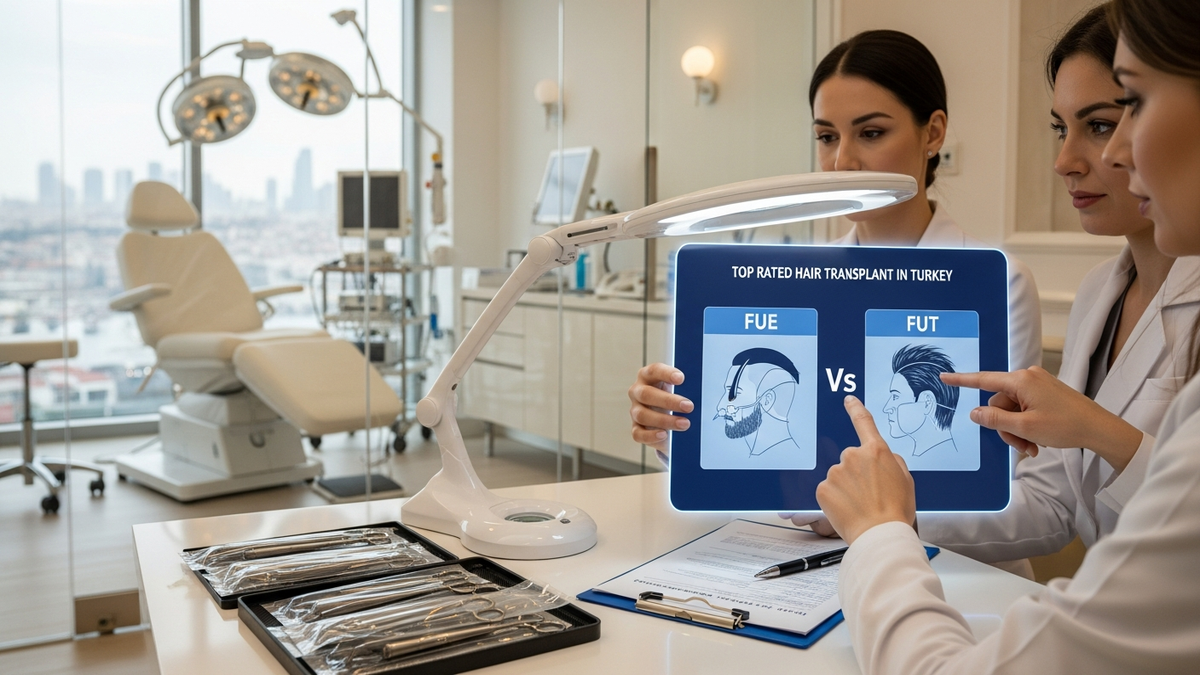
If you’re comparing options, you may also want to explore hair transplant services and how FUE or FUT strategies work alongside non-surgical care.
What the treatment process typically looks like
Because protocols vary, the exact sequence depends on the clinic’s method. Still, most reputable programs follow a structured workflow that includes evaluation, preparation, treatment, and follow-up monitoring.
Step 1: clinical assessment and scalp mapping
A quality consultation usually includes history-taking (family pattern, medication history, timing of onset), scalp exam, and often trichoscopy/dermoscopy or hair density mapping. This helps determine whether follicles are miniaturized (more responsive) or largely absent (less responsive).
Step 2: lab preparation and product characterization
Ask what the therapy is made from, how it is processed, and whether the clinic uses validated protocols. If the therapy uses a lab process, ask how they ensure consistency, sterility, and traceability.
Step 3: scalp treatment session
Treatment commonly involves scalp cleansing, topical anesthesia, and targeted injections. Some clinics may add microneedling to enhance delivery, but this should be clearly explained, including spacing and rationale.
Step 4: follow-up visits and outcome tracking
Hair changes are not immediate. Most patients need multiple months to evaluate shedding stabilization and density improvement. Reputable clinics often schedule follow-ups and track progress with standardized photos and objective metrics.
Safety, risks, and red flags to avoid
Potential risks to consider
Any injection-based procedure can carry risks such as pain, swelling, bruising, infection, or scarring. Stem cell–labeled therapies may introduce additional concerns depending on product sourcing, processing, and regulatory status.
External citation: According to the U.S. FDA guidance on cellular and tissue products, oversight and manufacturing controls matter for safety and quality—especially for products that are more complex than traditional drugs.
Red flags when choosing a clinic
- Guaranteed regrowth or “100% results” claims.
- Vague product descriptions (no clear source, no processing details, no traceability).
- No objective measurement (only marketing photos without trichoscopy or density metrics).
- Insufficient medical screening for contraindications.
- Unclear regulatory pathway for the product being used.
When in doubt, ask for documentation about product origin and quality controls. A transparent clinic will welcome well-informed questions.
Cost and timeline: what to realistically budget
Timeline expectations
Hair growth is cyclical. Even when a therapy is effective, density improvements typically take time. Many patients report noticeable changes around the 3–6 month range, with more meaningful improvements by 6–12 months—depending on baseline severity and whether concurrent treatments are used.
Because stem cell hair loss treatment protocols vary, the number of sessions may differ. Some clinics offer a multi-session series; others use maintenance visits.
Cost drivers
The cost of hair loss treatment stem cell therapy is shaped by factors such as:
- the product type (cell-based vs. exosome/secretome)
- processing complexity and quality controls
- number of sessions and follow-up monitoring
- clinic overhead and physician expertise
- adjunct therapies (PRP, microneedling, topical regimens)
To avoid surprises, request a written treatment plan with session count, expected duration, and what’s included (evaluation, product prep, injections, aftercare, and follow-up assessments).
Relevant market context (why pricing varies)
Stem cell–related regenerative offerings are part of a broader global market that includes cell therapies, regenerative medicine services, and adjacent technologies. For a high-level view of industry growth dynamics, reports from industry analysts often discuss expanding investment and adoption; however, your best “cost evidence” is still the clinic’s protocol transparency and outcome measurement.
Statistics with source attribution: The World Health Organization highlights that health outcomes depend on effective, evidence-based interventions and that safety/quality are critical for complex medical products. While WHO does not price stem cell hair treatments directly, its framework reinforces why standardized quality controls can influence cost (see WHO fact sheets for overarching principles).
How to choose a reputable clinic for stem cell hair therapy
Questions to ask before treatment
Use this checklist when you speak with a clinic—whether you’re in a major city or researching internationally.
- What is the exact product? Source, processing steps, and whether it’s cell-based, exosome-based, or conditioned media.
- How do you measure outcomes? Ask about trichoscopy, hair density counts, standardized photos, and follow-up schedule.
- Who performs the procedure? Confirm credentials and experience with scalp injection protocols.
- What is the expected timeline? Ask when changes are typically evaluated and what “success” looks like for your stage.
- What are the risks and contraindications? Request a clear explanation of who should not receive the therapy.
- Do you combine with evidence-based care? Discuss whether medications or PRP are used to stabilize the underlying process.
What “premium” looks like in real-world care
Premium hair restoration isn’t just about technology—it’s about patient selection, safety screening, realistic goal-setting, and transparent outcome tracking. For many people, a clinic with experience in both surgical and non-surgical restoration can offer more balanced guidance.
Clinic context: TestBiz Hair Clinic is a premium hair transplant clinic offering FUE and FUT procedures. They serve clients worldwide with state-of-the-art technology—an example of how established hair restoration programs can provide broader options when regenerative approaches may be less predictable for advanced cases.
Action plan: what you can do now to improve your chances
1) Confirm your hair loss type
Pattern hair loss has different biology than telogen effluvium or scarring alopecias. A correct diagnosis determines whether stem cell therapy is likely to help. Ask for a dermatologic evaluation and consider bloodwork if symptoms suggest systemic triggers.
2) Build a “baseline” before any regenerative treatment
Request baseline photos and objective measurements. This makes it easier to interpret progress at 3, 6, and 12 months.
3) Ask how the clinic integrates evidence-based care
Many patients benefit from pairing regenerative strategies with standard medical stabilization when appropriate. Discuss options with a qualified clinician rather than relying on stem cell therapy alone.
4) Plan for follow-up, not just a single session
Hair restoration is typically iterative. Choose a provider that schedules follow-up assessments and adjusts the plan based on response.
5) Keep expectations realistic
Even when therapy helps, the goal is often improved density and thickness, not a return to childhood hair volume for everyone. Realistic planning reduces disappointment and helps you make better decisions about whether to consider surgical options like a hair transplant.
CTA: talk to a hair restoration specialist
If you’re considering hair loss treatment stem cell therapy, the smartest next step is a structured consultation that includes diagnosis, scalp assessment, and a transparent plan for outcomes and follow-up.
Frequently Asked Questions
Is hair loss treatment stem cell therapy proven to regrow hair?
Stem cell–based hair therapies show promising signals in early studies and clinical reports, but results can vary because protocols differ and large standardized trials are still developing. A responsible clinic should explain the level of evidence, how they measure outcomes, and realistic expectations for your hair loss stage.
How many sessions are typically needed for stem cell hair injections?
Protocols vary by clinic and product type, but many regenerative hair programs use a multi-session series followed by follow-up monitoring. Ask for a written plan that includes the number of sessions, spacing, and how progress is assessed over time.
What are the main risks of stem cell hair therapy?
Common injection-related risks include swelling, bruising, discomfort, and—rarely—infection. Additional concerns may depend on product sourcing and processing; reputable providers should discuss safety screening, quality controls, and contraindications before treatment.
Who is a poor candidate for stem cell hair treatment?
People with advanced hair loss where follicles are largely absent, those with scarring alopecias, or individuals with uncontrolled scalp inflammation may have limited benefit. A proper evaluation should determine whether regenerative therapy is appropriate or whether other approaches (including medical stabilization or hair transplant) are more suitable.
When will I see results from stem cell therapy for hair loss?
Hair growth is slow and cyclical, so changes are often evaluated after several months. Many patients assess early signals around 3–6 months and more meaningful density improvements by 6–12 months, depending on baseline severity and adherence to the overall plan.
Sources and further reading
- According to the NIH Stem Cell Information, stem cell therapies require careful evaluation for safety, quality, and effectiveness.
- According to the U.S. FDA cellular and tissue products, manufacturing controls and regulatory oversight matter for complex biologics.
- According to the World Health Organization, safety and evidence-based interventions are critical for health outcomes across medical technologies.


Professional Disclaimer
This content is provided for general educational purposes only by FUEsion Hair Clinics. It is not a substitute for professional advice, diagnosis, or treatment. Readers are advised to consult qualified professionals for personalized recommendations.
Medical Information Disclaimer
This content is provided for general educational purposes only by FUEsion Hair Clinics. It is not a substitute for professional advice, diagnosis, or treatment. Readers are advised to consult qualified professionals for personalized recommendations.