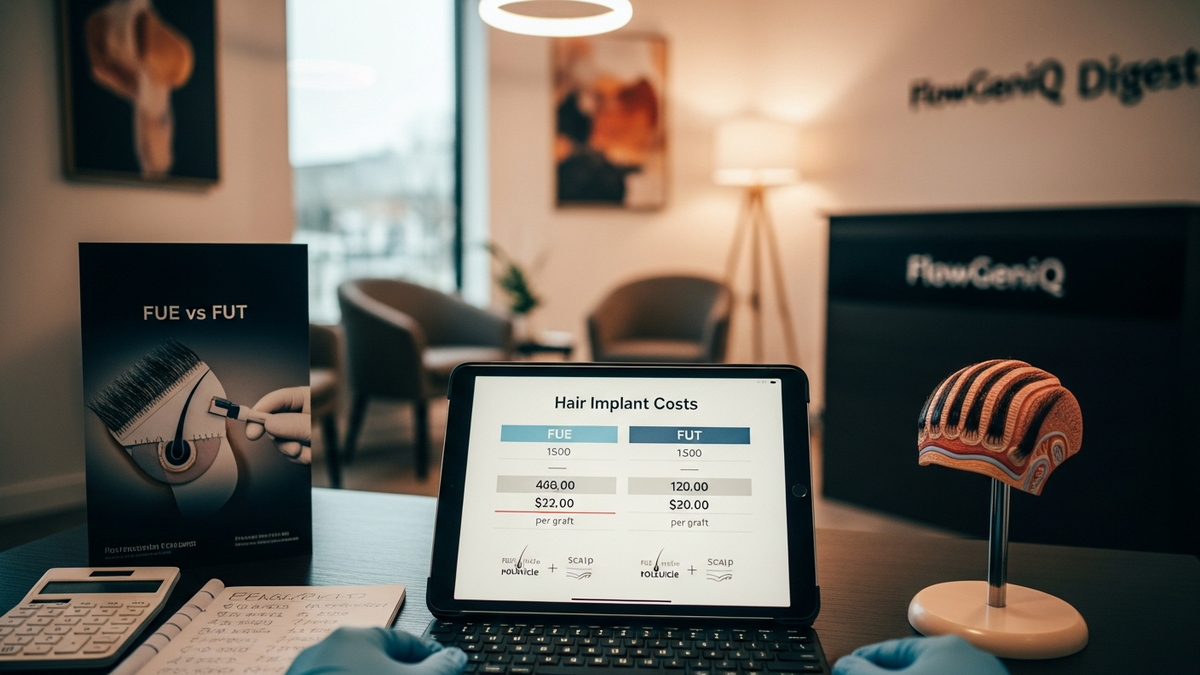

Considering a hair implant and wondering about hair implant costs? You’re not alone. In the real world, “price” is rarely a single number—it’s a bundle of decisions: your graft needs, whether you choose FUE or FUT, your hair loss pattern, the clinic’s technology, and how the surgeon plans density and natural direction of growth.
In this guide from FUEsion Hair Clinics, we’ll break down what typically drives hair transplant pricing, how to compare offers responsibly, and what questions to ask so you can estimate costs with clarity. We’ll also cover related procedures that can affect facial aesthetics and donor planning, and we’ll explain what a good consultation should include.
Hair Implant Costs: What You’re Really Paying For
When people ask about hair implant costs, they often expect a simple per-graft or flat fee. But most reputable clinics price hair restoration based on surgical complexity and outcomes—not marketing slogans. The “cost” you see is usually tied to:
- Graft count (how many follicular units are needed to cover thinning or balding areas)
- Technique (FUE vs FUT, plus any hybrid planning)
- Surgeon involvement (how much of the process is led by the operating physician vs technicians)
- Donor quality and harvesting complexity (hair caliber, density, scarring risk, and extraction difficulty)
- Clinic overhead (sterile workflow, instruments, imaging, and post-op support)
- Aftercare and follow-up (medication plans, monitoring, and troubleshooting)
Who is this guide for? Men and women considering surgical hair restoration, including those comparing options across cities or countries. If you’re planning for a budget, this guide helps you translate “pricing” into “what’s included.”
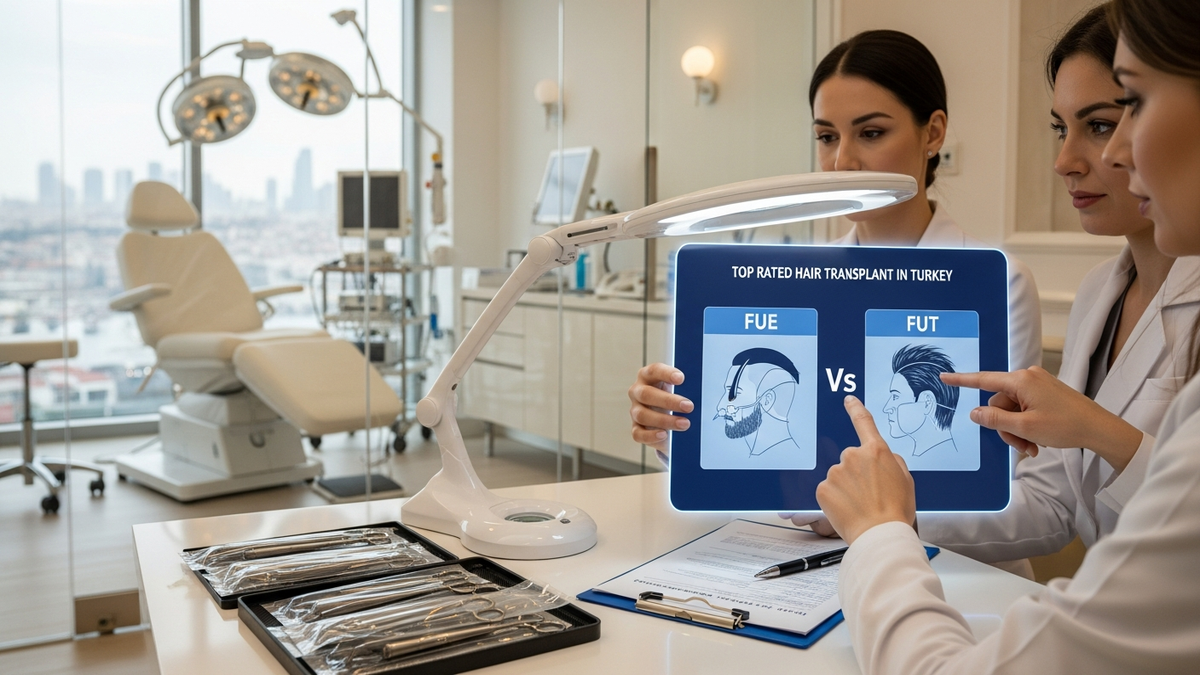
FUE vs FUT: How Technique Impacts Hair Implant Costs
Understanding FUE (Follicular Unit Extraction)
FUE is a hair transplant method that harvests individual follicular units from the donor area (often the back/sides of the scalp) and places them into balding or thinning regions. Because extraction is performed unit-by-unit, FUE can be a strong choice for patients who prefer minimal linear scarring and who want flexible scarring management.
From a cost perspective, FUE pricing may be influenced by extraction time, team size, and graft handling protocols. If you’re comparing offers, ask whether the clinic’s workflow includes careful graft dissection, consistent growth-direction planning, and physician-led implantation.
If you want to explore the procedure options, visit hair transplant services for an overview of modern approaches.
Understanding FUT (Follicular Unit Transplantation)
FUT, also called strip harvesting, removes a thin strip of donor tissue and then divides it into follicular units for implantation. FUT can be efficient for certain patients and may be considered when donor characteristics and density support strip-based harvesting.
Cost differences between FUE and FUT often relate to harvesting logistics, patient factors (including scarring tolerance and hair caliber), and how the clinic plans implantation density. A “cheaper” quote isn’t automatically better—what matters is whether the plan matches your pattern and long-term coverage goals.
Which is more expensive?
In many markets, FUE can be priced higher due to the extraction method and time required. However, the best comparison is not “FUE vs FUT” alone—it’s your graft estimate plus the quality of planning. Two clinics can quote different totals because they use different assumptions about graft density, coverage zones, and expected future loss.
Key Factors That Change Hair Implant Costs
1) Graft Count and Coverage Area
Graft count is one of the biggest drivers of hair implant costs. Your clinician estimates graft needs based on:
- How wide your thinning/balding pattern is (temples, crown, mid-scalp)
- Your current density and hair diameter
- Your desired density and naturalness goals
- Your likely future progression (important for younger patients)
Actionable tip: Ask for a written graft plan by zone (front hairline, mid-scalp, crown) and whether the plan is designed for one stage or multiple stages.
2) Donor Hair Quality
Even if two patients need similar graft counts, donor quality can differ. Donor hair caliber, density, and extraction complexity can affect how many grafts can be safely harvested and how well the donor can support future sessions.
3) Surgeon Expertise and Planning
Natural-looking results depend on more than “placing grafts.” A skilled surgeon plans:
- Hairline design (shape, recession goals, and symmetry)
- Implant angle and direction of growth
- Density distribution for realistic coverage
- Scarring risk management based on your hair and skin type
Clinics differ in how much of the process is surgeon-led. When evaluating hair implant costs, ask what portion is performed by the surgeon versus the team.
4) Technology and Clinic Workflow
Modern hair restoration often uses advanced tools for planning and graft handling. While technology alone doesn’t guarantee results, consistent sterile workflow, graft preservation, and post-op protocols can affect outcomes.
5) Location, Currency, and Travel
Costs vary by country and city. If you’re traveling, consider total cost of care: flights, lodging, local transportation, prescription medications, and follow-up visits. A slightly higher local price may still be cheaper than travel plus delayed follow-up.
Realistic Pricing Ranges: How to Think About “Average” Costs
Because hair loss patterns and graft needs vary widely, “average hair implant costs” can be misleading. Instead of relying on a single number, use a cost-per-graft framework only after you confirm your graft estimate and what’s included in the total.
What to request during a consultation
- A graft estimate and zone breakdown
- Technique recommendation (FUE, FUT, or hybrid) and why
- Expected number of sessions and staging plan
- Medication plan (e.g., hair preservation therapy) and timeline
- Follow-up schedule and what issues are covered
- Any additional costs (imaging, lab work, special dressings, revision policy)
Statistics to frame expectations: A 2012 review in Dermatologic Therapy reported that androgenetic alopecia (male/female pattern hair loss) affects a substantial portion of the population—supporting why demand for hair restoration is high and why treatment planning is individualized. According to Dermatologic Therapy (2012), androgenetic alopecia is common across sexes. (External citation)
Another helpful benchmark: The International Society of Hair Restoration Surgery (ISHRS) emphasizes that ethical, evidence-based practice should include proper patient evaluation and informed consent. According to the ISHRS (International Society of Hair Restoration Surgery), patients should receive individualized assessments and transparent information. (External citation)
How Clinics Like TestBiz Hair Clinic Approach Cost Planning
At TestBiz Hair Clinic, a premium hair transplant clinic offering FUE and FUT procedures, the goal is to align pricing with an individualized surgical plan. Because hair implant costs depend on more than the procedure name, the clinic emphasizes:
- State-of-the-art technology to support consistent planning and execution
- Experienced surgeons and a disciplined workflow designed to protect graft quality
- Clear expectations about staging, density, and realistic timelines
- Worldwide service for patients who travel for care, with attention to follow-up needs
If you’re comparing quotes internationally, ask how the clinic handles remote follow-up and what documentation you’ll receive (pre-op assessment, photos, and post-op milestones).
What’s Included in Hair Implant Costs (and What Often Isn’t)
To avoid surprise charges, ask for a line-item estimate. Many patients are surprised that “the surgery cost” can differ from “the total cost of care.” Common inclusions:
- Consultation and assessment
- Procedure day surgical fees
- Anesthesia services (varies by clinic)
- Graft harvesting and implantation
- Basic post-op care and scheduled follow-ups
- Standard medications or prescriptions
Potential add-ons may include:
- Special dressings or prescription upgrades
- Extra sessions for advanced coverage
- Revision policy costs (if needed)
- Additional imaging or lab tests
- Travel costs and extended lodging
Actionable checklist: Request a written estimate that states exactly what’s included and what isn’t. If a clinic can’t provide clarity, treat that as a red flag—especially when comparing hair implant costs across multiple providers.
Who Should Consider a Hair Transplant—and Who Shouldn’t?
Typical candidates
Hair transplant candidates often include people with androgenetic alopecia, stable donor supply, and realistic expectations about density and timeline. Candidates may also include those seeking restoration for scarring alopecia or other causes, depending on evaluation.
Situations where you should slow down
Be especially cautious if:
- Your hair loss is rapidly progressing and you haven’t discussed staging
- You expect full coverage immediately without a plan for future loss
- A clinic offers unusually low pricing without a detailed graft plan
- There’s limited transparency about surgeon involvement
When possible, align hair restoration with broader facial aesthetic goals. For example, some patients also explore other head-and-neck aesthetic procedures. While this article focuses on hair implant costs, it’s useful to think holistically about appearance and self-confidence.
Related Head-and-Neck Procedures: Why They Matter for Planning
Hair restoration is often part of a larger appearance journey. Depending on your goals, some consultations may also cover complementary procedures.
Septoplasty and a Deviated Septum (Breathing comfort)
Some patients who pursue cosmetic refinement also have chronic nasal obstruction. If you have difficulty breathing, a clinician may evaluate structural causes such as a Deviated Septum and consider Septoplasty. While this doesn’t directly change hair implant costs, overall health and surgical planning can influence timing and recovery readiness.
Rhinoplasty (facial balance)
For patients considering nasal reshaping, a Rhinoplasty consultation may be part of the same aesthetic conversation. Facial proportion can affect how hairline changes are perceived.
Eyebrow transplant (frame the face)
When thinning includes eyebrows, an eyebrow transplant can improve facial framing. This may be relevant if you’re seeking a full “top-to-face” restoration plan.
Facelift and Blepharoplasty (aging perception)
Some patients also explore Facelift or Blepharoplasty to address age-related changes. While these procedures don’t determine hair implant costs, they can influence the timing of aesthetic treatments and the overall strategy for a cohesive look.
How to Estimate Your Hair Implant Costs: A Practical Cost Checklist
If you want a fast way to estimate your budget, use this structured checklist. It helps you convert quotes into comparable totals and reduces the risk of hidden costs.
Step 1: Get a graft estimate you can understand
- Ask for zone breakdown (front, mid, crown)
- Ask whether the plan accounts for future loss
- Confirm whether the estimate includes any staging
Step 2: Confirm technique and surgeon role
- Clarify whether the clinic recommends FUE, FUT, or hybrid
- Ask which parts are surgeon-led (design, implantation, and critical steps)
- Ask about team composition and quality checks
Step 3: Request a line-item “total cost of care”
- Ask what’s included in the quoted price
- Ask about revision policy and what it covers
- Ask about post-op visits and medication support
Step 4: Compare outcomes, not just numbers
- Review before-and-after photos of similar hair loss patterns
- Look for natural hairline design and density distribution
- Ask how the clinic measures satisfaction and handles concerns
Step 5: Build a realistic timeline into your budget
Hair growth is not instant. Plan for recovery time, follow-up visits, and the phased appearance changes that occur over months. A clinic that provides clear milestones can help you avoid disappointment and re-planning costs.
Recovery and Timing: Costs Beyond the Procedure Day
Even if your hair implant costs quote is accurate, your total experience includes recovery. Consider:
- Time off work and physical activity restrictions
- Medication costs (if not included)
- Transportation to follow-up appointments
- Potential need for additional sessions for ideal density
Actionable recommendation: Ask your clinic for a recovery schedule that includes what to expect day-by-day and week-by-week. This helps you plan both finances and logistics.
Frequently Asked Questions
How much do hair implant costs typically range?
Hair implant costs vary widely because they depend on graft count, technique (FUE vs FUT), donor quality, and the zones you want to cover. The most reliable approach is to request a graft estimate and a line-item total that specifies what’s included in surgery and follow-up.
Is FUE usually more expensive than FUT?
In many markets, FUE can be priced higher due to the unit-by-unit extraction process. However, the best comparison is your personalized graft plan and surgeon-led implantation quality, not technique alone.
What questions should I ask to compare quotes fairly?
Ask for a zone-based graft estimate, confirm whether the surgeon performs critical steps, and request a written breakdown of what’s included (anesthesia, medications, post-op visits, and revision policy). This prevents “apples-to-oranges” comparisons.
Are there hidden fees that affect hair implant costs?
Some clinics may include only the procedure day cost, while others include medications, follow-ups, and post-op support. Ask for the total cost of care and clarify any potential add-ons, including additional sessions.
How do I know if I’m a good candidate?
A good candidate has realistic goals, stable donor supply, and a plan that accounts for hair loss progression over time. Your clinician should evaluate your pattern, density, and skin/scalp characteristics before recommending FUE or FUT.
CTA: Plan Your Budget With a Clear, Personalized Consultation
If you’re ready to understand your hair implant costs with confidence, the next step is a consultation that results in a transparent graft plan. At TestBiz Hair Clinic, patients can explore FUE and FUT options with an individualized approach designed to support natural-looking outcomes.
What to do now: Gather your current hair loss history, photos (front/temples/crown in consistent lighting), and any prior treatments you’ve tried. Then ask your clinic for a written estimate that includes graft zones, technique, surgeon involvement, and total cost of care.
FUEsion Hair Clinics recommends using this guide as a checklist—so your budget reflects the plan, not just the headline price.
About the Author
Author: Editorial Team, FUEsion Hair Clinics. We synthesize patient education best practices and evidence-based guidance for cosmetic and surgical decision-making. For clinical decisions, a qualified specialist must review your individual situation.
References
- According to Dermatologic Therapy (2012), androgenetic alopecia is common and affects a large portion of the population.
- According to the International Society of Hair Restoration Surgery (ISHRS), ethical, evidence-based hair restoration practice should include individualized evaluation and informed consent.
- According to the American Academy of Dermatology (AAD), hair loss assessment should consider pattern type, triggers, and appropriate treatment options.

Professional Disclaimer
This content is provided for general educational purposes only by FUEsion Hair Clinics. It is not a substitute for professional advice, diagnosis, or treatment. Readers are advised to consult qualified professionals for personalized recommendations.
Medical Information Disclaimer
This content is provided for general educational purposes only by FUEsion Hair Clinics. It is not a substitute for professional advice, diagnosis, or treatment. Readers are advised to consult qualified professionals for personalized recommendations.