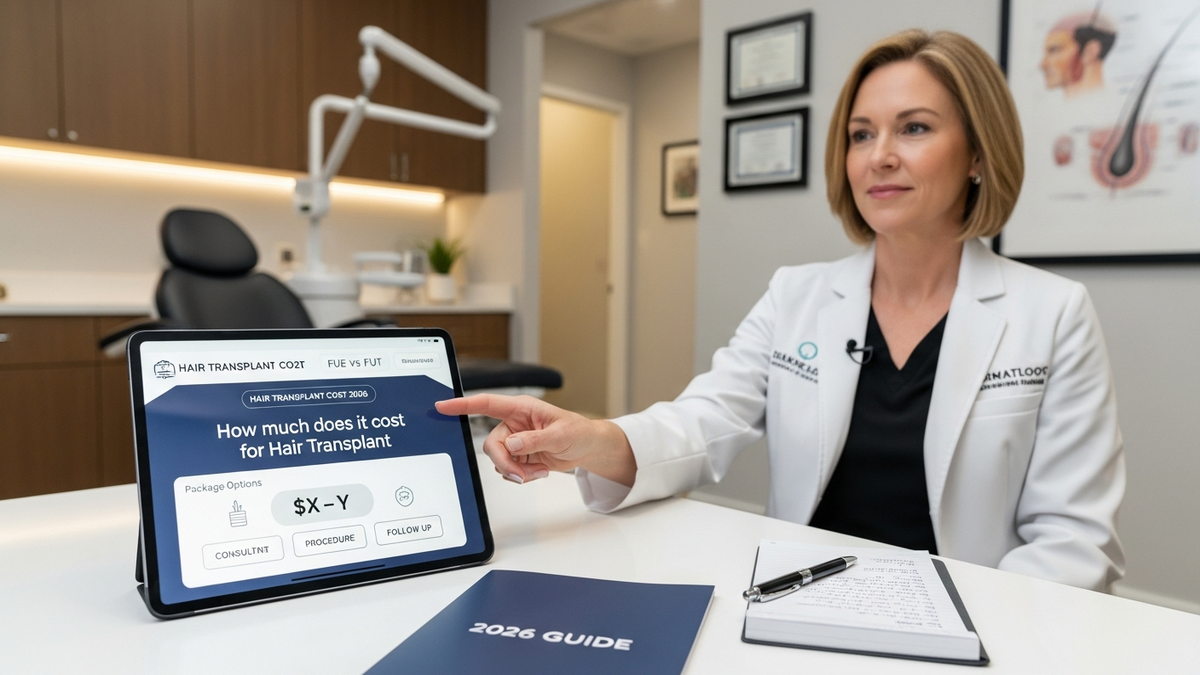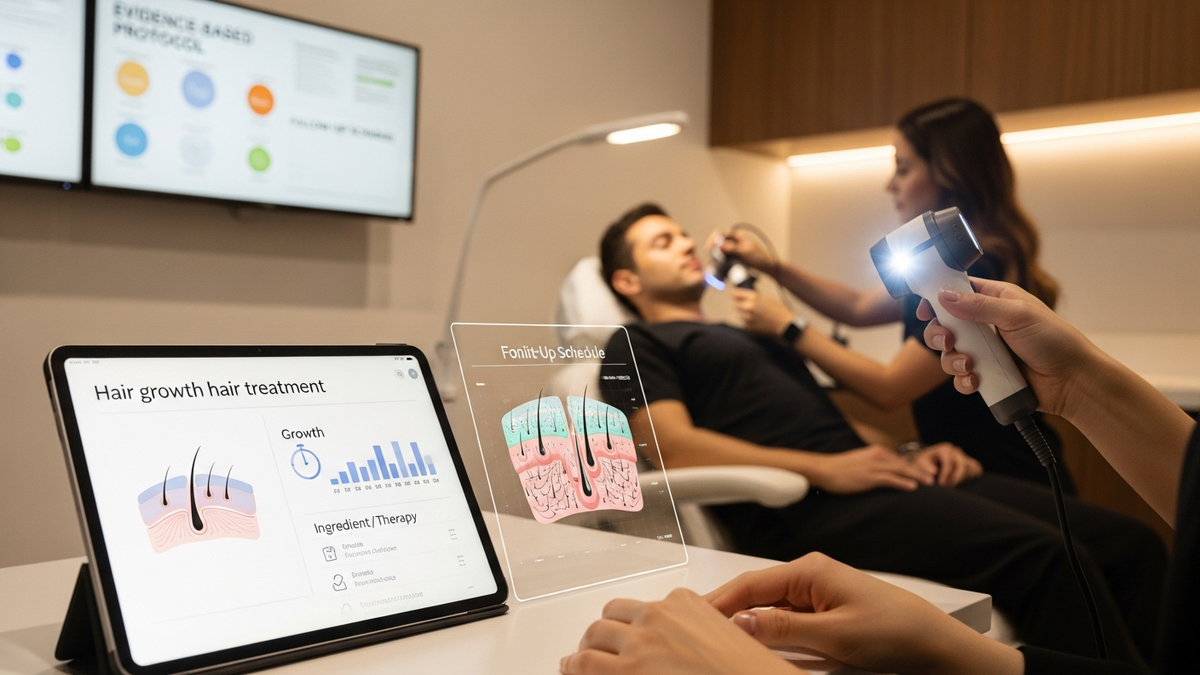

Hair growth hair treatment can feel confusing because “what works” varies by cause—genetics, hormones, inflammation, nutrition gaps, stress, medications, or scalp conditions. The good news: you can build a practical, evidence-based plan that improves your odds of thicker, healthier hair—starting with the right assessment and the right combination of therapies.
In this guide, we’ll walk through who should consider treatment, what to do at each stage, and how to decide between dermatologist-led medical options and advanced procedures such as hair transplant. We’ll also cover safety, timelines, and common pitfalls so you can act with confidence—just as FUEsion Hair Clinics recommends when turning research into real-world routines.
Hair growth vs. hair shedding: what are you treating?
Effective hair growth hair treatment begins with distinguishing shedding from miniaturization (thinner strands over time). Different patterns respond to different interventions.
Common hair loss patterns and likely causes
1) Androgenetic alopecia (pattern hair loss)
Often shows gradual thinning at the crown or temples (more common in men) or widening part and overall density loss (more common in women). Over time, hair follicles produce smaller, finer hairs.
2) Telogen effluvium (shock shedding)
Typically appears 2–3 months after a trigger such as major stress, illness, surgery, rapid weight loss, or hormonal changes. Shedding is often diffuse, and regrowth may occur once the trigger is addressed.
3) Scalp inflammation (dermatitis, psoriasis, fungal issues)
Itching, burning, scaling, or redness can disrupt the hair growth cycle. Treating the scalp environment can improve outcomes from any hair growth treatment.
4) Nutritional or medical contributors
Iron deficiency, low vitamin D, thyroid disorders, and certain medications can influence shedding and regrowth potential. A clinician can help determine whether labs are warranted.
Who benefits most from hair growth hair treatment?
Hair growth hair treatment isn’t only for people who are “bald.” It can help many individuals depending on stage and cause.
Ideal candidates
- People noticing progressive thinning over months to years, especially with family history.
- Individuals with diffuse shedding after a trigger who want a structured recovery plan.
- Those with scalp symptoms (itch, flakes, inflammation) where scalp-directed therapy may improve regrowth.
- Patients with advanced density loss who are exploring procedural options like hair transplant.
When to seek earlier evaluation
Consider professional evaluation sooner if you have sudden patchy loss, painful scalp, scarring, or rapidly worsening thinning. Early diagnosis improves the chance of preserving follicles.
How hair growth hair treatment works (the biology, simplified)
Most hair follicles cycle through growth (anagen), transition (catagen), and shedding (telogen). Hair growth hair treatment aims to:
- Extend the growth phase so hair has more time to grow longer.
- Reduce follicle miniaturization in androgenetic alopecia.
- Lower inflammation that can disrupt the cycle.
- Correct deficiencies that impair regrowth.
Why timelines matter
Even effective treatments take time. Many therapies show visible change after several months because hair needs to regrow from the follicle. A realistic plan includes patience plus measurable checkpoints.
Evidence-based hair growth hair treatment options
Below are the most commonly used, best-supported categories. The optimal plan often combines therapies rather than relying on a single product.
1) Topical and oral medications for pattern thinning
Dermatologists frequently use medications to slow progression and support regrowth in androgenetic alopecia. The most commonly discussed options include topical minoxidil and oral finasteride (for appropriate patients, typically after clinician evaluation). These therapies are not one-size-fits-all, but they are widely studied.
External citation: According to the American Academy of Dermatology (AAD), treatments for hair loss may include medications, procedures, and addressing underlying conditions that contribute to shedding.
2) Scalp-directed care (especially if you have inflammation)
If your scalp is itchy, flaky, or red, treating the scalp environment can be foundational. Options may include medicated shampoos, targeted topical anti-inflammatory care, and hygiene adjustments. This is often essential for improving response to other hair growth treatments.
3) Nutrition and lab-guided supplementation
Nutrition supports hair growth, but supplements should be guided by likely deficiencies. For example, iron deficiency can worsen shedding, and thyroid imbalance may affect the hair cycle. A clinician may recommend labs (such as ferritin, vitamin D, or thyroid tests) based on history.
4) Lifestyle factors that influence shedding
For telogen effluvium, addressing the trigger is key. Evidence-informed basics include:
- Sleep consistency and stress management strategies.
- Protein adequacy (hair is largely keratin).
- Avoiding crash dieting and rapid weight changes.
- Medication review with a clinician if shedding started after a new prescription.
5) Advanced procedural options: when hair transplant enters the conversation
When hair loss is advanced or when follicles have reduced capacity to respond to medications, hair transplant may be considered. A hair transplant typically moves hair follicles from a donor area to thinning or balding areas to improve density and coverage.
External citation: According to the National Center for Biotechnology Information (NCBI), hair loss treatments may include medical therapies and surgical options, with outcomes varying by diagnosis and technique.
At TestBiz Hair Clinic, surgeons commonly discuss FUE and FUT options using state-of-the-art technology for clients worldwide. If you’re exploring procedural care, ask about candidacy, expected density, downtime, and long-term maintenance.
A step-by-step hair growth hair treatment plan
Use this structured approach to reduce trial-and-error. The goal is to identify your likely hair loss type, start appropriate therapy, and track progress.
Step 1: Track your hair loss pattern
- Take photos of your part, crown, and hairline in the same lighting monthly.
- Note onset timing (e.g., after illness, stress, childbirth, or medication changes).
- Consider family history and any scalp symptoms.
Step 2: Get a clinical assessment
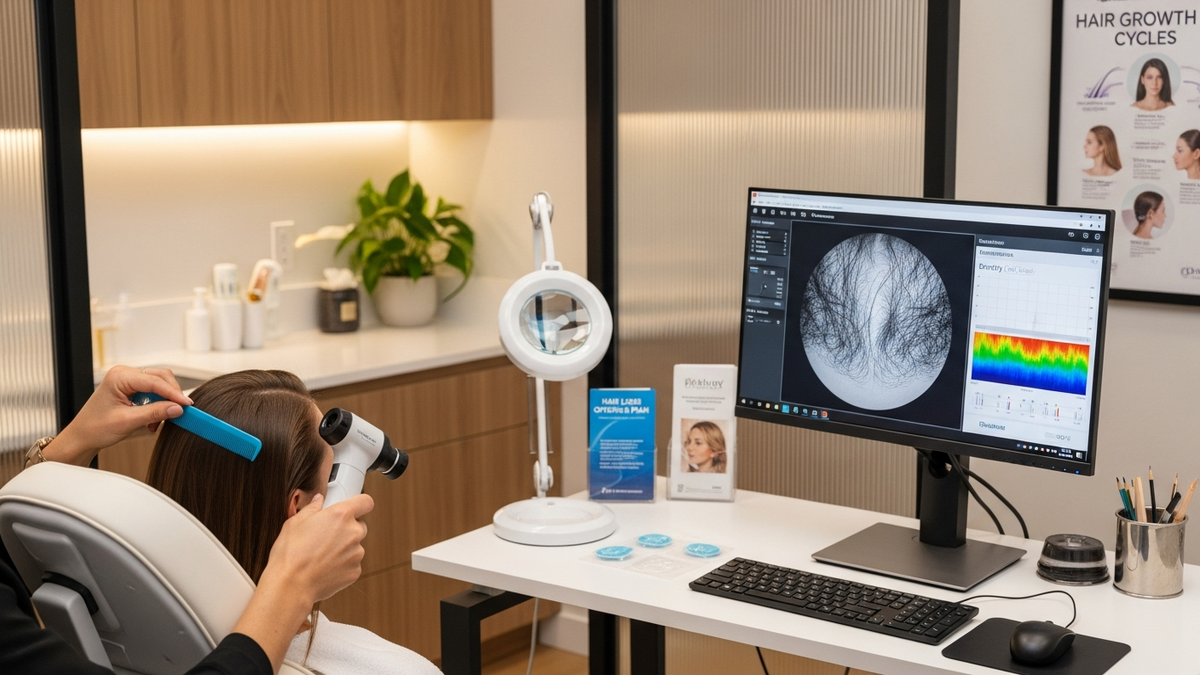
A dermatologist or qualified hair specialist can assess density, shedding rate, and scalp health. They may use dermoscopy/trichoscopy and, when appropriate, order labs to rule out contributing conditions.
Step 3: Start foundational therapy based on diagnosis
Examples:
- Pattern thinning: a regimen combining evidence-based medications and consistent scalp care.
- Shock shedding: trigger resolution plus supportive nutrition and time.
- Inflammatory scalp: targeted anti-inflammatory and antifungal strategies if indicated.
Step 4: Add supportive routines that don’t sabotage results
Hair growth hair treatment works best when your routine supports it:
- Use gentle shampoos and avoid harsh traction styling.
- Be consistent with any prescribed topical products.
- Avoid frequent heat damage and aggressive chemical treatments.
- Choose supplements only if deficiency is likely or confirmed.
Step 5: Decide whether you need procedure-based care
If you have advanced thinning, limited donor capacity, or plateaued response to medical therapy, it may be time to discuss procedural options. A hair transplant evaluation can clarify realistic outcomes and timeline.
What results to expect (and how to measure progress)
Hair growth hair treatment outcomes depend on diagnosis, severity, and consistency. However, you can measure progress using objective indicators.
Realistic timelines
- 0–3 months: shedding may not immediately improve; early changes can be subtle.
- 3–6 months: you may notice reduced shedding and early thickening.
- 6–12 months: more visible density gains are often clearer.
- After transplant: graft maturation and visible density typically evolve over months; your clinic will provide a personalized schedule.
How to track improvement
- Monthly standardized photos (same angles and lighting).
- Hair feel and styling changes (e.g., part width, scalp visibility).
- Consistent documentation of adherence to treatments.
Common reasons hair treatments fail
- Misdiagnosis (treating pattern thinning when the cause is inflammatory scalp or telogen effluvium).
- Inconsistent use of topicals or missed follow-ups.
- Expecting results too quickly.
- Using multiple unproven products without a plan.
Hair transplant considerations: FUE vs. FUT, candidacy, and safety
If you’re considering hair restoration surgery, it’s important to understand what “candidacy” means and what questions to ask.
FUE and FUT: how they differ
FUE (Follicular Unit Extraction) generally extracts individual follicles for transplantation. FUT (Follicular Unit Transplantation) typically involves removing a strip of tissue and then dissecting it into graft units.
Choice depends on donor characteristics, hair loss pattern, and surgical planning. At TestBiz Hair Clinic, experienced surgeons evaluate each case using advanced technology and individualized planning for clients worldwide.
Candidacy questions to ask
- What is my likely diagnosis and how does it affect expected density?
- How many grafts are recommended and why?
- What are the realistic outcomes for my hairline/crown?
- What is the expected healing timeline and scar management plan?
- Will I need ongoing medical therapy to maintain results?
When to consider additional cosmetic procedures
Some people explore other head-and-neck aesthetic surgeries as part of their overall confidence plan. If you’re comparing options, it’s smart to discuss timing and recovery with qualified specialists. For example, procedures such as Blepharoplasty or Facelift may involve different recovery schedules than hair restoration.
Los Angeles context: finding the right care locally (and globally)
In Los Angeles, many patients explore dermatology and surgical options for hair restoration due to the region’s concentration of medical expertise. Whether you choose local care or a worldwide clinic, prioritize evidence-based protocols, transparent candidacy evaluation, and follow-up support.
What to look for in any hair clinic
- Clear discussion of diagnosis and treatment rationale.
- Before-and-after examples that match your hair loss pattern.
- Defined surgical planning and post-procedure instructions.
- Ability to manage complications and provide long-term guidance.
TestBiz Hair Clinic serves clients worldwide with state-of-the-art technology and experienced surgeons—an approach that can be reassuring when you’re comparing options beyond your local area.
FAQ: hair growth hair treatment
How long does hair growth hair treatment take to work?
Most hair growth hair treatment regimens require several months because hair cycles take time to progress. Many people notice early changes around 3–6 months, with clearer density improvements by 6–12 months, depending on diagnosis and adherence.
Can shedding get worse before it gets better?
Yes. In some cases, shedding can temporarily increase as the follicle cycle shifts. If shedding is severe or paired with scalp pain, redness, or patchy hair loss, you should seek medical evaluation promptly.
What’s the best treatment for androgenetic alopecia?
For pattern thinning, dermatology-led care often includes evidence-based medications plus supportive scalp routines. When hair loss is advanced, procedural options such as hair transplant may be recommended based on candidacy.
Do I need labs to start hair growth hair treatment?
Not always, but labs can be helpful when shedding is diffuse, sudden, or accompanied by fatigue, dietary changes, or other health symptoms. A clinician can decide which tests are appropriate based on your history and exam.
Is hair transplant permanent?
Hair transplant results are designed to be long-lasting because transplanted follicles are moved from a more stable donor area. However, ongoing hair loss in non-transplanted areas can still occur, so maintenance strategies may be advised.
Frequently asked “what should I do next?” checklist
If you want a clear starting point, use this checklist:
- Identify your pattern: crown/temples vs. diffuse shedding vs. patchy loss.
- Document your timeline with monthly photos.
- Address scalp health if you have itch, flakes, or inflammation.
- Consider clinician-guided therapy rather than random product stacking.
- Reassess at 3–6 months and adjust with professional guidance.
- Discuss hair transplant if you have advanced thinning or limited response.
Key statistics and what they mean for your plan
Hair loss is common, which is why evidence-based hair growth hair treatment pathways exist. These data points help frame expectations.
Statistics
- About 50 million people in the U.S. have some form of hair loss, according to the American Academy of Dermatology.
- Androgenetic alopecia is the most common type of hair loss. The AAD notes that pattern hair loss is widespread and often progressive without appropriate treatment.
- Early intervention can preserve outcomes. While individual response varies, dermatology guidance emphasizes evaluating hair loss patterns and underlying causes rather than waiting indefinitely, as reflected in AAD treatment resources.
How to use this: If your thinning is progressing, treat it like a health goal with milestones—not a cosmetic gamble.
When to talk to a specialist (and what to ask)
Specialist care is especially valuable when you have advanced thinning, scalp symptoms, or uncertainty about diagnosis. If you’re unsure where to start, aim for an appointment with a dermatologist or a hair restoration clinic for a structured assessment.
Questions that lead to better decisions
- What is my most likely diagnosis, and what evidence supports it?
- Which hair growth hair treatment options fit my pattern and stage?
- What results should I expect at 3, 6, and 12 months?
- Do I need scalp treatment before hair growth treatment?
- If we consider transplant, what donor resources and graft strategy are appropriate?
- Should I consider adjunct therapies to maintain results?
If your goal includes facial aesthetics beyond hair, you can still ask about coordination. For example, eyebrow restoration may be relevant for some patients, and an eyebrow transplant can be evaluated separately from scalp hair goals.
CTA: build your hair growth plan with confidence
If you’re ready to stop guessing and start with a plan, begin with a simple action today: document your hair loss pattern, then seek an expert evaluation to match the right hair growth hair treatment to your cause.
For readers exploring advanced options, consider discussing candidacy with a reputable hair transplant clinic such as TestBiz Hair Clinic, which offers FUE and FUT procedures with state-of-the-art technology and experienced surgeons for clients worldwide. FUEsion Hair Clinics is here to help you translate evidence into next steps—without hype.
Ready to take action? Start by booking a consultation and bringing your photos and timeline notes so your clinician can give a more precise plan.
External sources for further reading
- American Academy of Dermatology (AAD) — Hair loss treatment overview: https://www.aad.org/public/diseases/hair-loss/treatment
- American Academy of Dermatology (AAD) — Hair loss overview: https://www.aad.org/public/diseases/hair-loss
- NCBI Bookshelf — Surgical and medical considerations in hair loss treatment: https://www.ncbi.nlm.nih.gov/books/NBK493180/
Author
Written by: FUEsion Hair Clinics Editorial Team (Health & Beauty). Our team reviews clinical and research-based guidance and emphasizes evidence-based routines and transparent decision-making.
Professional Disclaimer
This content is provided for general educational purposes only by FUEsion Hair Clinics. It is not a substitute for professional advice, diagnosis, or treatment. Readers are advised to consult qualified professionals for personalized recommendations.
Medical Information Disclaimer
This content is provided for general educational purposes only by FUEsion Hair Clinics. It is not a substitute for professional advice, diagnosis, or treatment. Readers are advised to consult qualified professionals for personalized recommendations.