Author: Dr. Amina Rahman, Medical Director, TestBiz Hair Clinic
Published for: FUEsion Hair Clinics

Follicular unit extraction hair transplant is one of the most precise approaches in modern hair restoration. If you’re weighing options like FUE (follicular unit extraction) versus FUT (follicular unit transplantation), the details matter: how grafts are harvested, how they’re prepared, how they’re placed, and what recovery looks like. In this guide, you’ll learn what the procedure is, who it’s for, what to expect before and after surgery, and how to evaluate a clinic’s process—so you can make a well-informed decision.
At TestBiz Hair Clinic, our team provides premium hair transplant care worldwide using state-of-the-art technology and a patient-first workflow. We also share practical education through FUEsion Hair Clinics to help clients understand the “how” behind results.
What Is Follicular Unit Extraction (FUE) Hair Transplant?
A follicular unit extraction hair transplant is a technique where individual follicular units (naturally grouped hair follicles) are harvested directly from the donor area—typically the back and sides of the scalp—using small punch tools. These follicular units are then implanted into thinning or balding zones using a carefully designed placement plan.
How FUE differs from other transplant methods
In general terms:
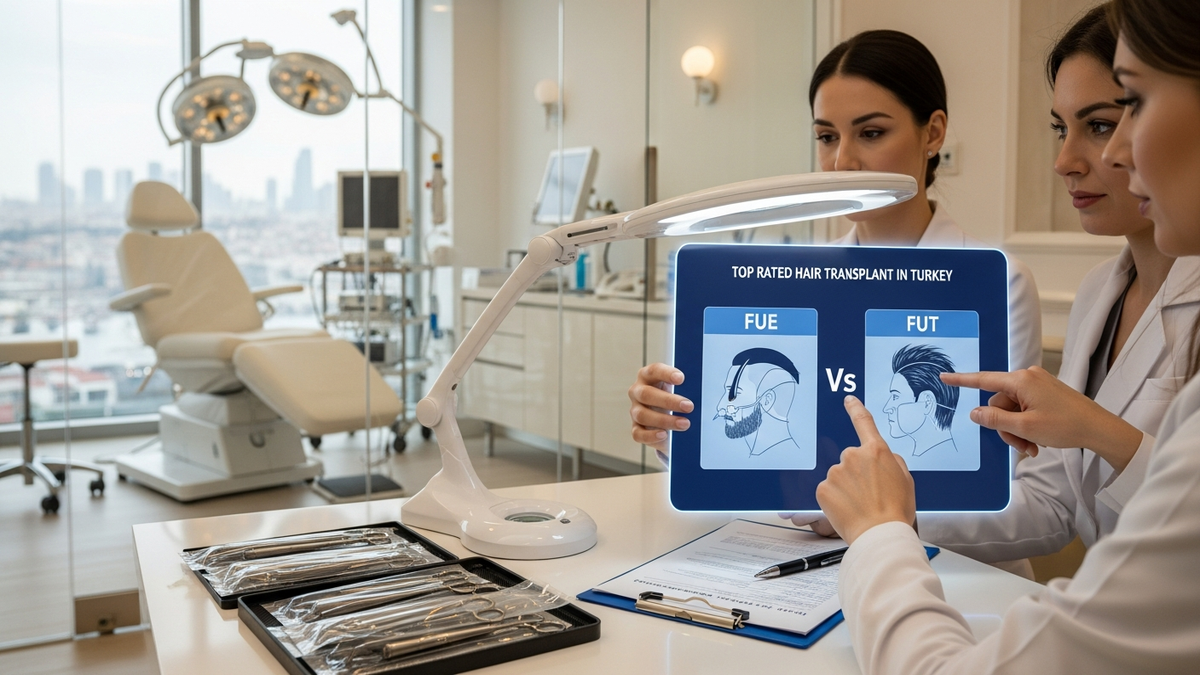
- FUE harvests grafts individually, usually leaving tiny punctate marks rather than a linear scar.
- FUT harvests a strip of scalp and then separates grafts in the lab.
- Both aim to achieve natural density and hairline design, but the harvesting approach and scarring pattern differ.
In practice, outcomes depend on many factors beyond the harvesting method—especially graft quality, surgeon planning, and placement strategy.
Who Is a Good Candidate for Follicular Unit Extraction?
Knowing whether you’re a fit is essential. A good candidate is not only someone who has hair loss, but someone whose pattern, donor supply, and health profile align with safe and effective transplantation.
Common reasons people choose FUE
- Androgenetic alopecia (male or female pattern hair loss)
- Receding hairline or temple thinning
- Mid-scalp thinning needing targeted density
- Preference for minimal visible scarring and shorter downtime for some patients
What clinicians assess before surgery
Before recommending a follicular unit extraction hair transplant, a qualified team should evaluate:
- Donor density and hair caliber (can the donor area provide enough quality grafts?)
- Hair loss pattern (how progressive is it?)
- Scalp health (inflammation, dermatitis, or infection can change plans)
- Medical history (bleeding risk, immune conditions, medications)
- Realistic expectations based on goals and long-term stability
According to the American Academy of Dermatology, androgenetic alopecia is influenced by genetics and hormones, and treatment often requires a long-term approach. This makes pre-op planning and post-op maintenance especially important for sustainable results.
How the Procedure Works: Step-by-Step FUE Workflow
Understanding the sequence can reduce anxiety and help you ask better questions during consultations. While exact protocols vary by clinic, a typical follicular unit extraction hair transplant follows a structured workflow.
1) Consultation and surgical planning
Your surgeon should map your hair loss pattern and design a natural hairline. This includes considering:
- Hairline shape and density goals
- Angle and direction of implantation for natural flow
- Graft distribution across zones (front, mid-scalp, crown)
- Donor limitations and future loss risk
2) Donor area preparation
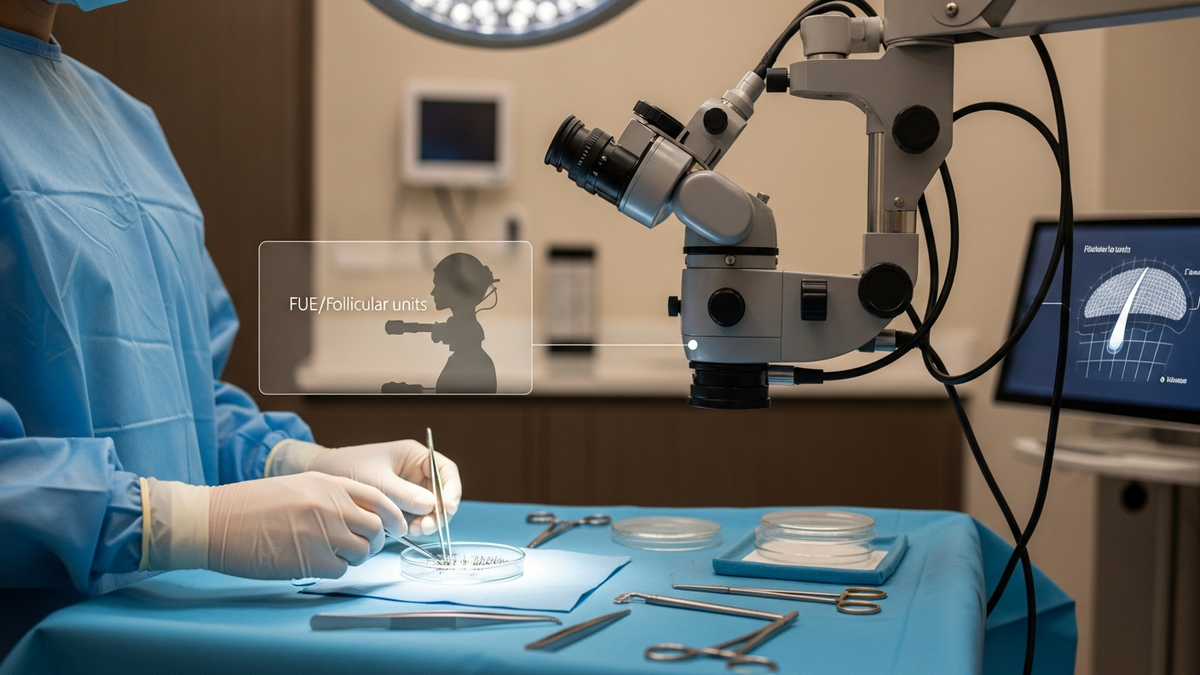
On surgery day, the donor area is prepared with local anesthesia. The team then harvests follicular units individually using a small punch tool.
3) Graft harvesting (follicular unit extraction)
During harvesting, the goal is to extract follicular units with minimal trauma. Extraction quality can affect:
- Graft survival
- How well grafts grow in the recipient site
- The appearance of early healing
4) Graft evaluation and preparation
Extracted grafts are then assessed and prepared for implantation. This stage often includes careful handling, sorting, and keeping grafts viable during the process.
5) Recipient site creation and implantation
Recipient sites are created with the appropriate depth, spacing, and angle. Implantation is then performed to match the natural hair direction and curvature. This is where “natural look” is frequently determined.
6) Post-procedure care
After surgery, you’ll receive instructions for wound care, medication (as prescribed), and activity guidance. You’ll also schedule follow-ups to monitor healing and growth milestones.
What Results to Expect After a Follicular Unit Extraction Hair Transplant
Hair transplant timelines follow biology. Most patients experience shedding and regrowth in phases, and it can take months to see a meaningful transformation.
Typical timeline (general expectations)
- First 1–2 weeks: Healing, scabs, and temporary tightness or redness.
- Weeks 2–8: Shock loss/shedding can occur as hairs transition.
- Months 3–4: Early regrowth may become visible.
- Months 6–9: Density improves as hairs mature.
- Months 12–18: Final or near-final result evaluation.
Because patterns of hair loss can progress, clinicians may also recommend long-term medical therapy to protect existing hair and stabilize future thinning. Your plan should be individualized.
What affects graft survival and appearance
Results depend on a combination of factors, including:
- Donor quality (density, caliber, and follicle health)
- Graft handling (time and technique between harvest and implantation)
- Recipient site technique (angle, depth, spacing)
- Patient adherence to post-op instructions
- Long-term maintenance when appropriate
For additional medical context on hair loss management and treatment options, see the American Academy of Dermatology’s hair loss resources (targeted guidance may vary by condition and individual case).
Recovery and Aftercare: A Practical Checklist
Recovery is not just “rest.” It’s a structured process that supports healing and helps protect grafts during the early stages.
First days after surgery
- Keep your head elevated as directed
- Follow scalp cleansing instructions carefully
- Avoid touching or scratching graft sites
- Take prescribed medications exactly as instructed
Activity, work, and exercise
Your clinic should provide a timeline for when you can return to desk work, light exercise, and more intense workouts. In general, avoiding heavy sweating and friction early on helps healing.
Common concerns patients ask about
- Itching: Often part of normal healing; don’t pick scabs.
- Swelling: Usually temporary; manage according to instructions.
- Shock loss: Shedding can be expected; regrowth typically follows.
Actionable tip: Ask your surgeon to provide a written aftercare plan and a clear “what to do if…” list (for example: bleeding, unexpected pain, or signs of infection). That reduces uncertainty and improves adherence.
Choosing a Clinic: Questions to Ask Before You Book
Not all follicular unit extraction hair transplant procedures are equal. A premium clinic will be transparent about planning, documentation, and quality control.
Key quality questions
- How is hairline design decided? Ask how they match your natural pattern and age-related expectations.
- Who performs the critical steps? Confirm whether the surgeon personally handles planning and implantation.
- How do you assess donor quality? Look for objective evaluation rather than estimates.
- What is the graft handling protocol? Ask about time targets and handling methods.
- What does follow-up include? Ensure there are scheduled check-ins for healing and growth assessment.
Why technique and documentation matter
High-quality hair restoration is both artistic and technical. Clinics that invest in imaging, standardized measurements, and consistent documentation can better track progress and refine future plans.
Cost Considerations and Value: What Influences Pricing?
Follicular unit extraction hair transplant costs vary widely based on graft count, complexity, surgeon expertise, and the clinic’s technology and support system. Rather than focusing only on the lowest price, consider value across the full patient journey.
Common cost drivers
- Graft number and the number of zones treated
- Donor availability and hair caliber
- Time and staffing for harvesting and implantation
- Technology used for planning, extraction, and aftercare
- Medical support and follow-up structure
Statistics to frame expectations
Hair restoration literature emphasizes that outcomes depend on multiple variables, including surgical technique and patient factors. For example, a review published in Dermatologic Surgery notes that hair transplant outcomes are influenced by graft survival, density planning, and post-operative management (according to Dermatologic Surgery, review article on hair transplantation outcomes). To view the underlying medical discussion, consult peer-reviewed resources through academic databases or your clinician.
Practical takeaway: A detailed plan with clear documentation and realistic timeline expectations is often a better “value indicator” than a single price quote.
Follicular Unit Extraction Hair Transplant for Men vs. Women
Both men and women can benefit from FUE, but the design goals and hair loss patterns often differ.
Men: hairline and crown strategy
For many men, the primary goals include restoring a natural hairline, improving temple density, and addressing mid-scalp or crown thinning depending on progression.
Women: diffuse thinning and density goals
Women may experience more diffuse thinning, requiring a strategy focused on density distribution rather than only hairline reconstruction. A conservative, natural approach is often favored, and clinicians may also coordinate with dermatology for medical stabilization.
How FUE Fits Into a Long-Term Hair Loss Plan
A follicular unit extraction hair transplant can be a major step forward, but it’s rarely the only component of long-term success. Many patients benefit from a combined strategy that protects existing hair and supports overall scalp health.
Maintenance options your clinician may discuss
- Evidence-based medications (when appropriate and prescribed)
- Scalp care to reduce inflammation
- Nutrition and lifestyle that support recovery
- Future planning for progressive loss
According to the American Academy of Dermatology, androgenetic alopecia is chronic and may require ongoing treatment to maintain results over time (source: American Academy of Dermatology, patient education on hair loss).
Frequently Asked Questions
How long does a follicular unit extraction hair transplant take?
Procedure time varies depending on graft count, the number of zones treated, and clinic workflow. Many FUE sessions are performed in a single day, while larger plans may be staged. Your surgeon should give a clear estimate during consultation.
Will I have visible scarring with FUE?
FUE typically leaves small punctate marks rather than a linear scar. How noticeable these marks are depends on skin type, tool size, and healing. A quality clinic should discuss scarring expectations honestly during your pre-op assessment.
When will I see new hair growth?
Early regrowth often begins around months 3–4, with more noticeable density by months 6–9. Final results are commonly assessed around 12–18 months. Shock loss can occur in the first couple of months, which is usually part of the normal cycle.
Is follicular unit extraction better than FUT?
“Better” depends on your goals, donor characteristics, and clinical judgment. FUE may be preferred for patients who want minimal scarring and individualized extraction, while FUT can be appropriate for certain donor strategies. The best choice is the one that fits your anatomy and long-term plan.
What should I do to improve my results?
Follow your aftercare instructions closely, attend scheduled follow-ups, and avoid activities that could disrupt early healing. Many patients also benefit from a long-term maintenance plan for hair loss stabilization, as recommended by their clinician.
Clear CTA: Ready to Discuss Your FUE Plan?
If you’re considering a follicular unit extraction hair transplant, the next step is a consultation where your donor supply, hair loss pattern, and goals are reviewed with a clear strategy. At TestBiz Hair Clinic, we help you understand what’s realistic, what’s optional, and how to plan for long-term stability.
Next action: Schedule a consultation through FUEsion Hair Clinics’s partner pathway or contact the clinic to begin your assessment.


Medical Information Disclaimer
This content is provided for general educational purposes only by FUEsion Hair Clinics. It is not a substitute for professional advice, diagnosis, or treatment. Readers are advised to consult qualified professionals for personalized recommendations.