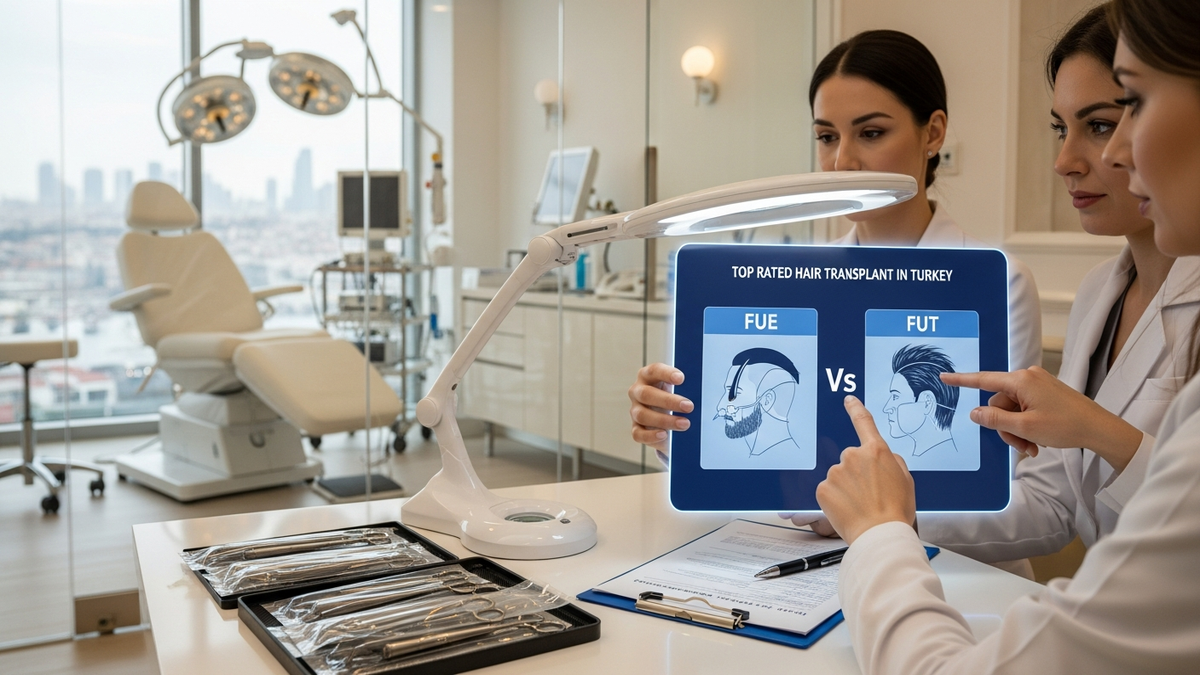
Quick answer: The cost of hair transplant Turkey varies widely based on graft count, technique (FUE vs. FUT), surgeon experience, and what’s included (transfer, lodging, meds, aftercare). Many patients find Turkey pricing attractive compared with some Western markets, but the safest decision is based on outcomes and transparency—not only the lowest quote.

When patients search for the cost of hair transplant Turkey, they’re usually trying to solve two problems at once: (1) find a realistic budget, and (2) avoid hidden risks that can come with overly aggressive pricing. In this guide, we’ll walk through what drives cost, typical pricing structures, and a practical checklist you can use when comparing clinics.
Because hair restoration is medical care, it’s important to match the plan to your anatomy and hair loss pattern—not just to a number. Clinics may advertise low starting prices, but the “real” cost is what you pay for safe surgery, skilled technicians, appropriate graft planning, and credible aftercare.
Cost of Hair Transplant Turkey: What You’re Really Paying For
Turkey has become a global destination for hair transplantation due to a large ecosystem of clinics, competitive pricing, and experienced teams. However, the cost of hair transplant Turkey is not a single fixed figure. It’s the sum of surgical complexity, graft requirements, and the level of medical oversight.
1) Graft count and hair density targets
Most pricing models are graft-based because graft number correlates with time, workload, and expected coverage. Patients with advanced Norwood stages usually need more grafts to achieve natural density and blending. That means your quote should clearly connect your scalp evaluation to an estimated graft range.
2) Technique: FUE vs. FUT
Many clinics offer both FUE and FUT options. FUE (Follicular Unit Extraction) is often priced per graft and is popular for its minimally invasive approach and typically shorter downtime. FUT (Follicular Unit Transplantation) can be appropriate for some patients and may be quoted differently due to how grafts are harvested and processed. Your surgeon should explain why one method fits your donor characteristics and goals.
3) Surgeon vs. technician time
A major pricing variable is who performs the critical steps—especially incision creation, graft placement, and intraoperative decision-making. If a clinic’s pricing is unusually low, ask whether the quote reflects surgeon-led planning and placement or whether much of the procedure is delegated to less experienced staff.
4) What’s included in the package
Some “package prices” include airport transfers, hotel stays, medications, and follow-up visits. Others provide only surgery and require you to pay separately for travel, lodging, or post-op care. When comparing quotes, request a written breakdown.
5) Clinic reputation, technology, and aftercare
High-quality hair transplant outcomes depend on more than cost. Factors like magnification quality, graft handling protocols, sterile workflow, and documented follow-up can influence results. Reliable aftercare is especially important for managing shedding, scab care, and adjusting expectations during the growth timeline.
Typical Pricing Ranges (and Why They Vary)
Because clinics price differently, the best approach is to interpret quotes based on graft estimates and included services. While exact numbers change over time and by clinic, industry reporting and patient-consultation patterns commonly show that low-cost offers may be attractive but can come with tradeoffs in transparency or staffing.
How to interpret “per graft” vs. “all-inclusive” quotes
Some clinics quote a per-graft price; others give an all-inclusive package that may cover surgery plus travel. Either way, you should ask for:
- Estimated graft count range (not a single number only)
- Technique (FUE or FUT) and whether it’s consistent with your donor status
- Who performs incision creation and placement
- Number of follow-up visits included after surgery
- Medication plan (what’s included; what you’ll need to continue locally)
What “cheap” can mean
Lower prices can sometimes be legitimate. But in a medical context, “cheap” can also signal:
- Less time per graft or per patient
- Limited surgeon oversight
- Unclear graft handling or placement standards
- Aftercare that’s difficult to access once you return home
For many patients, the real goal is value: safe surgery, natural results, and reliable support throughout the first year.
FUE vs. FUT and How Technique Affects the Cost
Technique selection can strongly influence the cost of hair transplant Turkey because it affects harvesting, processing, and the overall workflow.
FUE: commonly chosen for flexibility and donor-friendly planning
FUE removes follicular units individually from the donor area. Many patients like the concept of fewer linear scars and the potential for faster day-to-day recovery. Cost is often expressed per graft, but the true cost also depends on how thoroughly the clinic plans your hairline design and density distribution.
If you want to explore procedural details, you can review a hair transplant service overview at hair transplant.
FUT: can be a strong option for select patients
FUT harvests a strip and then dissects it into follicular units. Some patients with specific donor characteristics may be candidates for FUT. Because the planning and post-op experience differ, quotes should reflect your suitability—not just the clinic’s pricing menu.
How to ask the right technique questions
When you compare FUE vs. FUT quotes, ask:
- What technique is recommended for my donor density?
- What would change if my graft requirement is higher than expected?
- How do you design the hairline (angle, density, temple blending)?
- What happens if the donor area yields fewer grafts than planned?
What’s Included in the Price: A Checklist Before You Pay
To make a fair comparison, request the same information from every clinic. Use this checklist to protect your budget and your long-term results.
Pre-op evaluation and written surgical plan
- Scalp photos and donor assessment
- Estimated graft range and target zones (hairline, mid-scalp, crown)
- Technique recommendation with rationale
- Discussion of realistic outcomes and limitations
Intraoperative standards
- Who performs incisions and placement
- How grafts are preserved and timed
- Whether the clinic uses magnification during key steps
Post-op care and follow-up access
- Medication list and dosing guidance
- Scab care instructions and what to do for complications
- Follow-up visits included in the package
- How you’ll communicate with the clinic once you return home
Travel and recovery planning
- Airport transfer and transportation timing
- Hotel check-in/check-out and proximity to clinic
- Local language support if needed
- Return flight timing based on clinic recommendations
Safety and Outcome Quality: How to Compare Clinics Beyond Price
Choosing the lowest cost of hair transplant Turkey can be tempting, especially when you’re comparing multiple offers. But outcomes depend on surgical planning and execution. Below are practical quality checks.
1) Look for evidence of natural hairline design
Natural results are built from hairline shape, density distribution, and blending into existing hair. Review before-and-after photos with attention to:
- Temple transition quality
- How the crown blends (if treated)
- Consistency of direction/angle
- Time since surgery (growth stage matters)
2) Confirm credentialing and medical oversight
Request details on the surgeon’s training, the team’s roles, and the clinic’s medical protocols. You should also confirm how complications are handled and whether emergency support is available.
3) Ask about donor management
Donor area preservation is crucial for long-term results. A responsible clinic should discuss:
- Donor density and how much can be safely harvested
- Future planning if additional procedures may be needed
- Why they chose your target graft range
4) Evaluate aftercare quality
Aftercare is not an optional add-on. It affects comfort, healing, and the ability to interpret early growth. Ensure there is a structured plan for check-ins during the first months.
Context note: At TestBiz Hair Clinic, we emphasize premium hair transplant care with FUE and FUT procedures, advanced technology, and experienced surgical teams serving clients worldwide. If you’re comparing options, look for clinics that provide clear documentation and follow-up expectations—not only price.
How to Estimate Your Budget (Step-by-Step)
If you want to estimate the cost of hair transplant Turkey more accurately, start with your likely graft needs and the scope of work.
Step 1: Determine your target zones
Hair restoration typically focuses on hairline, mid-scalp, temples, and sometimes the crown. The more zones treated, the more grafts are usually required.
Step 2: Get a graft range, not a single number
Your graft requirement can vary based on hair caliber, density, and how much thinning you have. Ask for a range and a plan for what happens if your donor yields fewer grafts than expected.
Step 3: Compare “apples to apples” inclusions
Two quotes can look similar but differ significantly if one includes hotel, transfers, medications, and multiple follow-ups. Request a line-item breakdown.
Step 4: Factor in recovery and local follow-up
Even if you complete the main follow-up in Turkey, you may need local care (for example, if you experience irritation or have questions after returning home). Budget for contingency support.
Step 5: Consider long-term maintenance
Hair loss is progressive for many people. Many clinics discuss medical adjuncts (such as minoxidil or finasteride) to support long-term stability. Your plan should include a discussion of whether medical therapy is appropriate for you.
Travel Considerations for Hair Transplant in Turkey
Travel adds variables that can affect comfort and recovery. Patients often underestimate how recovery needs interact with flights, climate, and time zone differences.
When to schedule your trip
Plan your surgery so you can avoid work obligations during the early healing phase. Ask the clinic what their recommended timeline is for returning to normal activities, including exercise and sun exposure.
What to pack for post-op comfort
- Gentle shampoo and any prescribed cleansers
- Any medications provided by the clinic
- Protective headwear as instructed
- Comfortable clothing and a travel pillow
Follow-up communication plan
Before you travel, confirm how you’ll reach the clinic after you return home. A good clinic provides structured guidance and prompt responses to questions.
Related Cosmetic Procedures: Why You Might See Other Prices Too
Some patients comparing cosmetic surgery in Turkey or abroad also research other facial procedures. While this guide focuses on hair restoration, it may help to understand that pricing logic differs across specialties.
For example, if you’re also considering nasal or facial rejuvenation options, you may encounter separate pricing structures. You can learn more about Septoplasty and Deviated Septum if your research includes functional nasal surgery. Similarly, if you’re exploring broader aesthetic options, see Rhinoplasty or Facelift. For eyelid and brow-related concerns, you may come across Blepharoplasty. And if you’re researching facial hair restoration, some patients also look into eyebrow transplant.
These references are included to help you understand how different procedures have different medical goals, pricing drivers, and recovery timelines—so you can evaluate quotes more accurately.
Realistic Expectations: Timeline and Result Quality
Even with the right clinic and the right graft plan, hair growth follows a timeline. Understanding the phases can help you avoid premature judgment and reduce anxiety during the early months.
What to expect after surgery
- Early healing: redness, scabbing, and gentle care instructions
- Shedding phase: transplanted hairs often shed before regrowth
- Growth phase: gradual thickening and visible improvement
- Maturation: results continue improving over time
Why natural density matters more than “more grafts”
High graft numbers don’t automatically equal better outcomes. A high-quality plan balances graft placement, spacing, hair direction, and blending to create a natural look that matches your facial proportions.
External evidence (general hair transplant context): According to the American Academy of Dermatology (AAD), hair loss can have many causes and treatment should be individualized. While the AAD doesn’t publish a single “cost per graft,” its guidance reinforces that diagnosis and tailored planning are essential for safe, effective care. (Source: American Academy of Dermatology – Hair Loss)
Statistics That Help You Think About Value (Not Just Price)
Budget decisions are easier when you understand the broader context of hair loss and treatment patterns.
Hair loss is common, so demand for solutions is high
Hair loss affects a large portion of the population. For example, the American Hair Loss Association (AHLA) has reported that tens of millions of people in the United States experience hair loss. (Source: American Hair Loss Association (AHLA))
Travel medical care carries planning requirements
International medical travel requires careful preparation and follow-up. The World Health Organization (WHO) emphasizes patient safety and quality of care as critical when seeking health services across borders. (Source: World Health Organization – Patient Safety & Quality)
How to use these stats: Instead of focusing only on budget, build value by matching the clinic’s approach to your needs and ensuring you can access aftercare.
How FUEsion Hair Clinics Can Help You Compare Options
At FUEsion Hair Clinics, we aim to make complex medical and pricing decisions easier to understand. Before you book, use our structured evaluation approach: confirm technique, graft planning, surgeon oversight, inclusions, and follow-up access. When you have those details, comparing the cost of hair transplant Turkey becomes more meaningful and less stressful.
CTA: Get a Clear Quote and a Safety-First Plan
If you’re ready to move from “price shopping” to a confident decision, take these next steps:
- Request a written graft range and zone plan (hairline, mid-scalp, temples, crown).
- Ask who performs incision creation and placement.
- Request a line-item list of what’s included in the package.
- Confirm aftercare frequency and how you’ll communicate once you’re home.
- Compare clinics using the same checklist so your budget reflects real value.
Who to contact: Reach out to a clinic that provides transparent planning and documented follow-up. If you’re considering a premium worldwide clinic experience, TestBiz Hair Clinic offers FUE and FUT procedures with state-of-the-art technology and experienced surgeons.
Frequently Asked Questions
How much is the cost of hair transplant Turkey per graft?
Many clinics quote per graft, but the total cost depends on your estimated graft range, technique (FUE or FUT), and what’s included (transfers, lodging, medications, and follow-ups). Request a written breakdown so you can compare quotes fairly.
Is the cheapest cost of hair transplant Turkey always the best deal?
No. The lowest quote may not include surgeon-led planning, adequate aftercare, or the level of graft handling needed for natural results. Focus on transparency and outcomes rather than only price.
What affects the final price the most?
Graft count, hair loss severity, donor quality, and whether multiple zones are treated are major drivers. Technique choice (FUE vs. FUT) and the clinic’s medical oversight also significantly influence the final total.
How long does recovery take after a hair transplant in Turkey?
Most patients can return to light activities within days to a couple of weeks, depending on how they heal and what their clinic recommends. Full growth takes months, so results should be evaluated over the long term, not immediately after surgery.
Will I still need hair loss treatment after my transplant?
Many people with progressive hair loss benefit from ongoing medical therapy to support stability. Your eligibility and plan should be discussed with a qualified clinician based on your diagnosis and medical history.
Expert Author Attribution
Written by: FUEsion Hair Clinics Editorial Team (Medical Content Review). We prioritize evidence-based guidance and transparent decision-making frameworks for cosmetic and hair restoration topics.
On-Page Notes for Better SEO and Accessibility
This article is designed to be readable on mobile and accessible to screen readers. Use headings to navigate, and ensure you review clinic quotes with a safety-first checklist.

Professional Disclaimer
This content is provided for general educational purposes only by FUEsion Hair Clinics. It is not a substitute for professional advice, diagnosis, or treatment. Readers are advised to consult qualified professionals for personalized recommendations.
Medical Information Disclaimer
This content is provided for general educational purposes only by FUEsion Hair Clinics. It is not a substitute for professional advice, diagnosis, or treatment. Readers are advised to consult qualified professionals for personalized recommendations.