FUEsion Hair Clinics
Updated for clarity and medical-webpage readiness • Author: Dr. Maya Patel, MD (Dermatology & Trichology Advisor)
When people search for treatment of hair growth, they’re usually looking for a practical answer to a real concern: thinning, shedding, and visible scalp changes that affect confidence and daily life. The good news is that modern hair care and clinical treatments can slow loss, improve density, and—depending on the cause—restore a more youthful hairline.
In this guide, you’ll learn who benefits from each option, what the treatment process typically looks like, and how to build a realistic plan. We’ll cover prescription and non-prescription therapies, lifestyle and medical evaluation, and advanced procedures such as hair transplantation (FUE and FUT). You’ll also see where timelines differ and what “success” usually means.

What “treatment of hair growth” really means
Hair growth is a cycle. Most treatments aim to influence one or more phases: reduce shedding, support follicle activity, lower inflammation, improve scalp environment, or replace lost follicles. That’s why the best approach depends on the underlying diagnosis—most commonly androgenetic alopecia (male or female pattern hair loss), telogen effluvium (stress-related shedding), alopecia areata (autoimmune), or scarring (cicatricial) alopecia.
Who typically seeks hair growth treatment?
People who ask about treatment of hair growth often include:
- Men or women noticing gradual thinning at the crown, part line, or temples
- Anyone with increased shedding after illness, surgery, major stress, pregnancy, or weight changes
- Patients with patchy loss or sudden bald spots
- Those who want a long-term structural fix after medications plateau
When to get evaluated sooner
Seek prompt professional evaluation if you have rapid progression, scalp pain/burning, scaling with hair loss, visible scarring, or eyebrow/eyelash loss. Early diagnosis often improves outcomes because some causes are time-sensitive.
Step 1: Diagnose the cause of hair loss (the “why” behind growth)
Effective treatment of hair growth starts with identifying the cause. In clinical practice, this often includes history (onset and triggers), physical exam, and sometimes dermoscopy or lab tests.
Common hair loss patterns and likely targets
Androgenetic alopecia (pattern hair loss)
Often gradual. Treatment focuses on slowing miniaturization and supporting follicle function. Options can include topical/oral medications and—when appropriate—hair transplantation.
Telogen effluvium (diffuse shedding)
Often appears weeks to months after a trigger (illness, stress, medication changes). Treatment emphasizes addressing the trigger, correcting deficiencies if present, and reducing inflammation. Growth may resume as the cycle normalizes.
Alopecia areata (autoimmune)
Often patchy and may be associated with other autoimmune conditions. Treatment may involve anti-inflammatory or immune-modulating approaches prescribed by a dermatologist.
Scarring alopecia (cicatricial)
Can cause permanent loss if not treated quickly. The goal is to stop progression and preserve remaining follicles.
What a hair-focused clinician may review
- Family history and pattern progression
- Recent stressors, illness, pregnancy, or medication changes
- Scalp symptoms (itch, tenderness, scaling)
- Diet and signs of nutritional deficiency
- Prior treatments and how long they were used
Step 2: Evidence-based treatment options for hair growth
Below are the most common categories used in a modern plan for the treatment of hair growth. The right combination depends on diagnosis, severity, and your goals (maintenance vs. restoration).
1) Topical and prescription therapies
For many people with pattern hair loss, medications that support follicle activity are a foundation. The most widely discussed options include:
- Topical minoxidil (or equivalent formulations) to support growth in appropriate patients
- Anti-androgen approaches (often prescribed after evaluation)
- Anti-inflammatory treatments when scalp inflammation is present
Timeline reality check: hair follicles work on a cycle. It’s common to notice reduced shedding before visible density improvements. Many patients need several months of consistent use before judging results.
2) Oral medications (when clinically appropriate)
Some patients benefit from oral therapies for androgen-driven hair loss or inflammation. These require clinician oversight because they may have contraindications and monitoring needs.
3) Nutritional optimization and lab-guided correction
Not all thinning is “fixable” by supplements—but deficiencies can worsen shedding. A clinician may consider labs such as iron studies, vitamin D, thyroid function, and others based on your history and exam.
Actionable recommendation: avoid mega-dosing supplements without guidance. Instead, aim for lab-guided correction and a diet pattern that supports protein intake and micronutrients.
4) Scalp care and hair-grooming strategies
Scalp health affects the environment where follicles live. While scalp products rarely “replace” medical therapy for pattern hair loss, they can support comfort and reduce inflammation.
- Use gentle shampoos and avoid harsh traction
- If you have dandruff or itch, treat it appropriately
- Choose hairstyles that minimize tension (especially for fragile hair)
5) Procedural non-surgical options
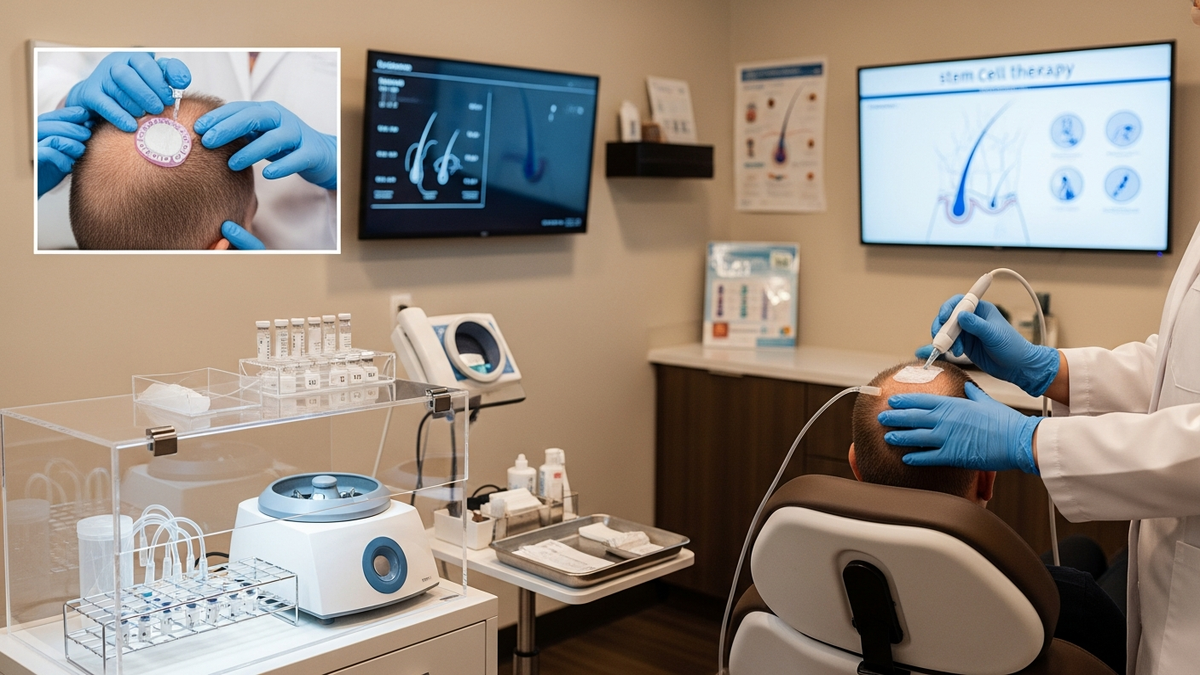
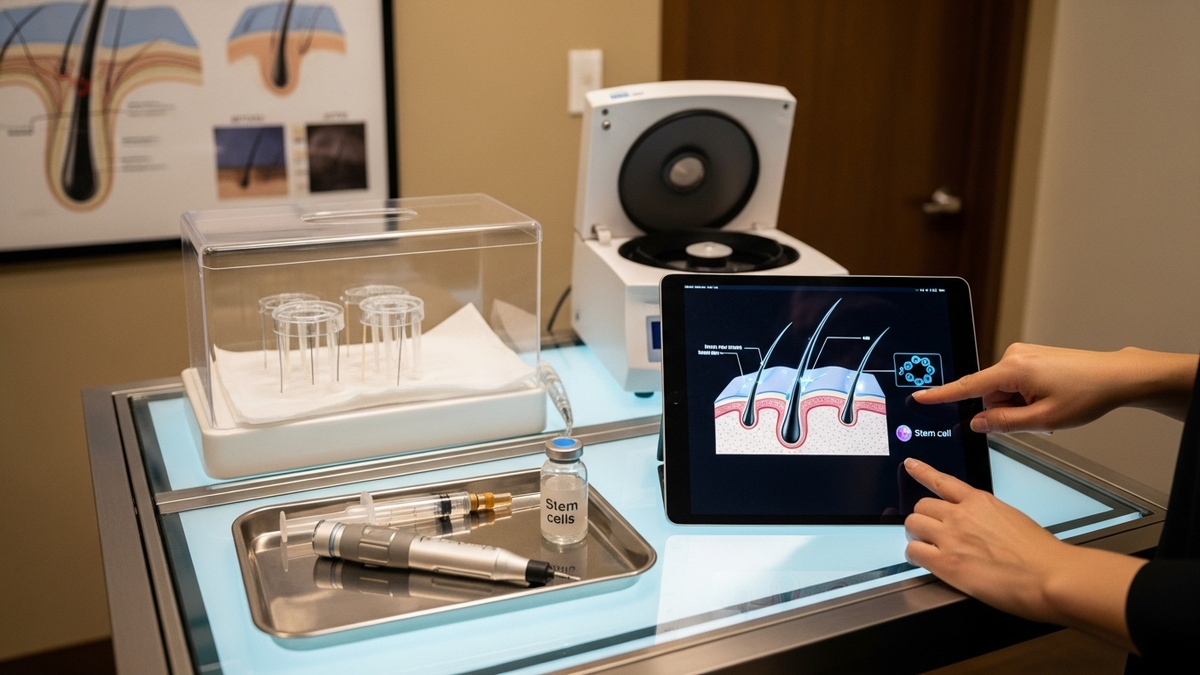
Some clinics offer adjunctive procedures such as microneedling, low-level light therapy, or platelet-based approaches. Evidence varies by protocol and patient selection, so the “best” option depends on diagnosis and how it fits into your overall plan.
How to evaluate claims: ask about the specific protocol, expected timeline, and how results are measured (photos, density scoring, standardized views).
Step 3: When hair transplantation becomes the right choice
For many people, medications and scalp therapies are helpful but may not fully restore density—especially when follicles are permanently miniaturized or lost. In those cases, the treatment of hair growth can shift from “stimulating existing follicles” to “replacing follicles” through hair transplantation.
Hair transplantation basics (FUE and FUT)
Hair transplantation transfers hair follicles from a donor area (often the back or sides of the scalp) to thinning or balding regions. Two widely used techniques are:
- FUE (Follicular Unit Extraction): follicles are harvested individually.
- FUT (Follicular Unit Transplantation): a strip of tissue is removed and dissected into grafts.
At TestBiz Hair Clinic, patients worldwide are evaluated for suitability for FUE and FUT using state-of-the-art technology and experienced surgeons. If you’re considering a long-term structural solution, it’s important to discuss realistic density goals, donor capacity, and your long-term hair loss pattern.
Learn more about the procedure options through this resource: hair transplant.
Who is a typical candidate?
Transplant candidacy is individualized, but commonly considered for:
- Stable or slowly progressive pattern hair loss
- Areas where medications have plateaued
- Patients seeking a natural-looking hairline and density restoration
What to ask during a consultation
- How many grafts are recommended and why
- What donor area strategy is used for long-term planning
- How the clinic standardizes results (photography, follow-ups)
- Expected timeline for shedding, regrowth, and final density
How long does hair growth treatment take? (timelines by approach)
Because hair cycles take time, the treatment of hair growth should be evaluated on timeline—not on day-to-day changes. Below are common expectations (individual results vary).
Medication-based plans
- First 1–3 months: shedding may temporarily increase or stabilize
- 3–6 months: early signs of improvement can appear
- 6–12 months: more meaningful density changes often become visible
Procedural adjuncts
Microneedling, light therapy, or other adjuncts typically require a series of sessions. The best evaluation combines standardized photos and consistent product/protocol use.
Hair transplantation
Transplanted follicles go through a regrowth cycle. Many patients experience initial shedding (a normal part of the process), then progressive regrowth over subsequent months. Final density typically takes longer than early regrowth.
Common mistakes that slow progress
If you’re frustrated, it’s often not because you “did everything wrong,” but because small issues can derail results. Here are frequent pitfalls in the treatment of hair growth:
Stopping too early
Evaluating results after a few weeks usually leads to premature conclusions. Most approaches require months of consistent use.
Using the right product for the wrong diagnosis
Pattern hair loss, telogen effluvium, autoimmune alopecia, and scarring alopecia have different underlying drivers. A diagnosis-first approach saves time and reduces waste.
Over-promising expectations
Some treatments maintain and improve density; others can restore lost follicles. Knowing which role your treatment plays improves satisfaction.
Ignoring scalp symptoms
Persistent itch, burning, or scaling can indicate inflammation that needs targeted care—especially in scarring alopecia risk scenarios.
Case planning: building a personalized hair growth strategy
A strong plan is often staged: diagnosis, stabilization, then restoration. Here’s a practical framework you can use when discussing the treatment of hair growth with a clinician.
Stage A: Stabilize shedding and inflammation
- Confirm the diagnosis and rule out contributing factors
- Start evidence-based therapy and address scalp conditions
- Set measurable goals (photos, density expectations, shedding reduction)
Stage B: Support regrowth and improve density
- Continue therapy consistently through the necessary timeline
- Consider adjunct procedures only when they fit your diagnosis
- Adjust the plan based on objective progress
Stage C: Restore structure when appropriate
- Discuss hair transplantation if donor and recipient areas are suitable
- Plan for long-term progression so the result stays natural
- Maintain supportive therapies if recommended
Evidence and statistics: what research suggests
Hair loss is common, and research supports a range of interventions. While individual outcomes vary, evidence-based care improves the odds of meaningful improvement.
Prevalence context
According to the American Academy of Dermatology (AAD), androgenetic alopecia affects a large portion of the population, making it one of the most common causes of hair loss. Source: American Academy of Dermatology, “Hair Loss” resource (accessed via AAD patient education, https://www.aad.org/public/diseases/hair-loss).
Medication and regrowth expectations
According to the National Library of Medicine’s MedlinePlus, minoxidil is used to treat hair loss and can help regrow hair in people with certain types of thinning; results typically take time and require continued use for maintenance. Source: MedlinePlus, “Minoxidil” (https://medlineplus.gov/druginfo/meds/a682162.html).
Transplant outcomes depend on planning
For hair transplantation, outcomes are strongly influenced by surgical planning, donor management, and patient selection. While exact success rates vary by study design and definitions of “success,” the overarching consensus is that careful candidate evaluation and realistic expectations are essential.
Practical statistic to guide planning: Many people need about 6–12 months to fully assess response to treatment for hair loss because hair growth cycles take time. Source: clinical education summaries from dermatology organizations and medication labeling guidance (see AAD hair loss education and MedlinePlus minoxidil guidance above).
GEO + local context: Los Angeles and global care pathways
Hair loss affects people everywhere—whether you’re in Los Angeles, another U.S. city, or traveling internationally for specialty care. In practice, the key is access to a clinician who can diagnose correctly and offer a coherent plan for the treatment of hair growth.
Some patients also explore complementary facial or head-and-neck surgical options for overall rejuvenation. If you’re considering multiple procedures, coordinate timing and recovery planning with your care team so hair restoration and other treatments don’t conflict with healing schedules.
Frequently Asked Questions
What is the best treatment of hair growth for men and women?
The best option depends on the cause of hair loss. For pattern hair loss, clinicians often start with evidence-based medications and scalp care, then consider hair transplantation when density restoration is the goal. A thorough evaluation is the fastest way to avoid trial-and-error.
How soon will I see results from hair growth treatment?
Many people notice changes in shedding or comfort within the first few months, but visible density improvements often take longer. For many therapies, a realistic assessment window is around 6–12 months, depending on diagnosis and consistency.
Is hair transplantation part of treatment of hair growth?
Yes—hair transplantation is a form of hair growth treatment because it moves follicles to balding areas. It’s typically considered when follicles are insufficient in the thinning zone or when medication alone doesn’t achieve the desired density. Candidate selection and long-term planning are critical.
Can supplements alone regrow thinning hair?
Supplements may help if you have a documented deficiency, but they usually don’t replace targeted therapy for androgen-driven or autoimmune hair loss. If you want to supplement, ask a clinician what to test and what doses are appropriate for your situation.
Are there warning signs that I should see a specialist urgently?
Yes. If you experience rapid progression, scalp pain/burning, scarring, or sudden patchy hair loss, you should seek specialist care promptly. Early diagnosis can be especially important for scarring alopecia and autoimmune causes.
Clear next steps: get a plan, track progress, and choose wisely
If you’re exploring the treatment of hair growth, the smartest next step is to turn uncertainty into a structured plan. Here’s what to do this week:
- Book an evaluation with a clinician who focuses on hair and scalp conditions.
- Ask for a diagnosis and a timeline-based plan (what improves first, and when).
- Use standardized photos and track shedding and density changes consistently.
- Discuss options ranging from topical/prescription therapies to procedural care and, when appropriate, hair transplantation.
For patients considering transplant-level restoration, connect with a hair clinic that offers both FUE and FUT and can explain how donor planning affects long-term results. You can also review general procedure services via hair transplant.
Global reminder: Whether you’re in Los Angeles or planning care internationally, consistency and follow-up matter. The best plan is one you can sustain and measure.
About the clinical expertise behind this guide
Dr. Maya Patel, MD (Dermatology & Trichology Advisor) contributes medical review guidance for educational accuracy. This article is produced by FUEsion Hair Clinics and designed to support informed discussions with qualified professionals.
Additional context you may find useful
Some patients who pursue comprehensive facial rejuvenation also explore other procedures. While these are not substitutes for hair loss care, they can help with broader planning and understanding of surgical processes:
- If you’re researching eyebrow restoration options, consider eyebrow transplant.
- For nasal breathing concerns that can coexist with head/neck health goals, you may see references to Deviated Septum and Septoplasty during broader consultations.
- Some patients compare nasal aesthetic and functional procedures when deciding between options such as Rhinoplasty.


Professional Disclaimer
This content is provided for general educational purposes only by FUEsion Hair Clinics. It is not a substitute for professional advice, diagnosis, or treatment. Readers are advised to consult qualified professionals for personalized recommendations.
Medical Information Disclaimer
This content is provided for general educational purposes only by FUEsion Hair Clinics. It is not a substitute for professional advice, diagnosis, or treatment. Readers are advised to consult qualified professionals for personalized recommendations.