Note: This guide is written for women experiencing hair thinning or shedding. If you’re searching for the best treatment for hair loss women, the right answer depends on the cause (and the pattern), not just the symptom.
Hero image (illustrative):

Hair loss in women isn’t one single condition. It can be driven by genetics, hormones, autoimmune activity, medications, nutrient deficiencies, stress, scalp inflammation, or traction from styling. That’s why the best treatment for hair loss women is the one matched to the underlying diagnosis—whether that’s androgenetic alopecia, telogen effluvium, alopecia areata, or scarring hair loss.
In this premium, evidence-based guide, you’ll learn how clinicians evaluate hair loss, which treatments have the strongest results, what to expect from timelines, and how to choose a hair restoration option when appropriate. You’ll also find practical next steps you can take now—so you can move from uncertainty to a plan. FUEsion Hair Clinics compiles trusted medical perspectives and decision frameworks to help you advocate for the care you deserve.
What “best treatment” means for women with hair loss
When people ask for the best treatment for hair loss women, they usually mean “what works fastest and most reliably?” In reality, the best approach balances four factors:
- Correct diagnosis: the cause determines which therapy works.
- Stage and pattern: early thinning responds better than advanced scarring or long-standing loss.
- Safety and tolerability: treatments must fit your health history and goals.
- Realistic expectations: hair regrowth cycles take time; progress is measured over months, not weeks.
Clinically, the most effective plan often combines medical therapy (to address biology) with scalp care and, when appropriate, procedural or surgical restoration (to rebuild density).
Who is affected, and why women lose hair
Who typically seeks treatment
Women commonly seek help for:
- Gradual thinning at the crown or part line
- Widening scalp visibility in photos and in bright light
- Increased shedding during stressful periods or after illness
- Bald patches with sudden onset (possible alopecia areata)
Why hair loss happens
Hair loss can result from multiple mechanisms:
- Genetic androgen sensitivity (androgenetic alopecia): patterned miniaturization of hair.
- Shedding from body stress (telogen effluvium): diffuse shedding after a trigger.
- Immune-mediated disruption (alopecia areata): patchy hair loss.
- Scalp inflammation or scarring disorders: progressive damage to follicles.
- Mechanical trauma: traction from tight styles, harsh chemical processing, or chronic rubbing.
Because the mechanism matters, “one best treatment” is rarely correct without evaluation.
How clinicians diagnose the cause of hair loss
If you want the best treatment for hair loss women, start with the right diagnosis. A thorough workup typically includes:
1) Pattern and symptom review
A dermatologist or hair specialist will ask about onset timing, shedding vs thinning, scalp symptoms (itching, burning, scaling), menstrual/hormonal history, pregnancy/postpartum timing, recent illness, new medications, diet, and family history.
2) Physical exam and scalp assessment
Common tools include:
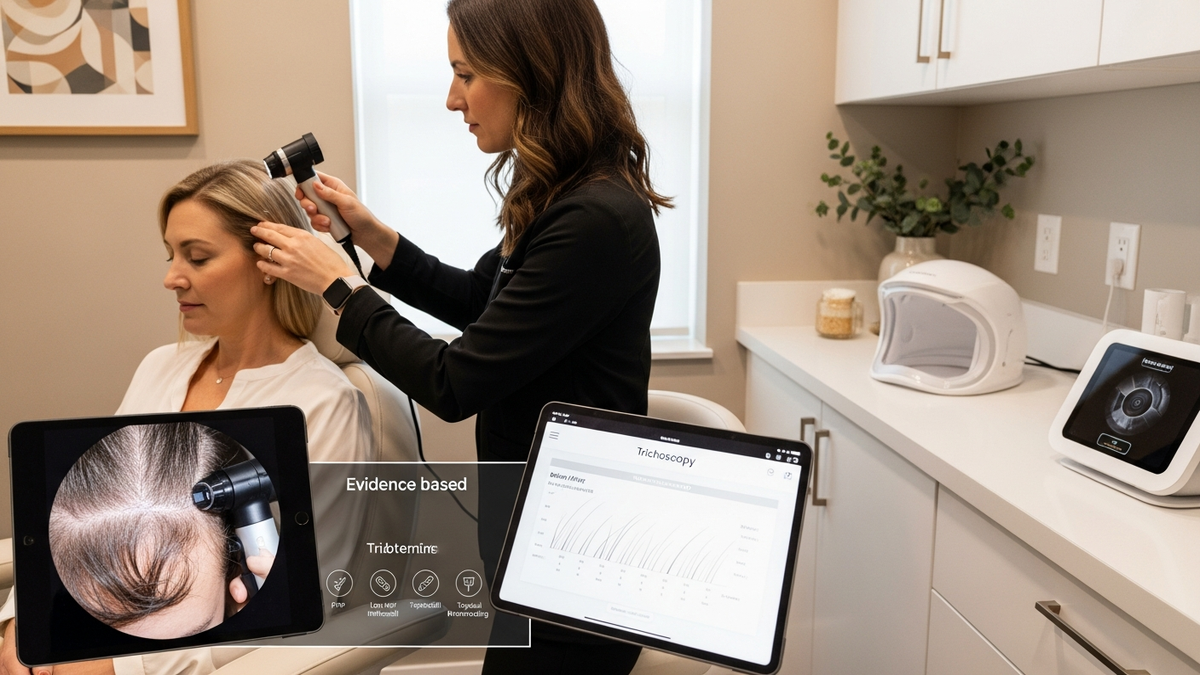
- Dermoscopy/trichoscopy to evaluate hair shafts and follicle activity
- Hair pull test to estimate active shedding
- Assessment for scarring (loss of follicular openings, shiny skin, atrophy)
3) Lab testing when indicated
Depending on your history, clinicians may test for contributors such as iron deficiency, thyroid dysfunction, vitamin D, and other metabolic issues.
Important: lab abnormalities don’t automatically prove causation, but correcting deficiencies can support regrowth when they’re relevant.
Best medical treatments for women’s hair loss (by cause)
Below are commonly used therapies. The “best” choice depends on your diagnosis.
Androgenetic alopecia (female pattern hair loss)
For women with patterned thinning, evidence-based first-line options often include:
- Topical minoxidil (foam or solution): helps prolong the growth phase and improve density for many patients.
- Oral anti-androgen strategies (selected patients): clinicians may consider options based on hormonal profile and health history.
- Adjunctive scalp therapies: anti-inflammatory approaches if coexisting scalp dermatitis exists.
According to the American Academy of Dermatology (AAD), minoxidil is an established treatment for female pattern hair loss and can help slow hair loss and promote regrowth over time (source: American Academy of Dermatology).
Telogen effluvium (stress/shedding-related hair loss)
Telogen effluvium often follows a trigger—such as major stress, surgery, illness, or postpartum changes. The best treatment strategy typically includes:
- Identify and address the trigger (when possible)
- Correct nutritional or endocrine issues (e.g., iron deficiency)
- Gentle scalp and hair care to reduce additional shedding
Many cases improve once the trigger resolves, but regrowth can take months.
Alopecia areata (immune-mediated patchy loss)
When hair loss appears as patches, immune-directed treatments may be recommended. Options can include:
- Intralesional corticosteroids (commonly used for localized patches)
- Topical or systemic immunomodulatory therapies for broader involvement
Because alopecia areata is unpredictable, early specialist care improves the chance of regaining hair.
Scarring (cicatricial) hair loss
If there are signs of scarring—shiny scalp, loss of follicular openings, pain, or burning—urgent evaluation is essential. The best treatment often prioritizes halting inflammation to preserve remaining follicles.
Procedural options that can improve results
For many women, combining medical therapy with procedures yields better outcomes than either approach alone.
Platelet-rich plasma (PRP) and related biologics
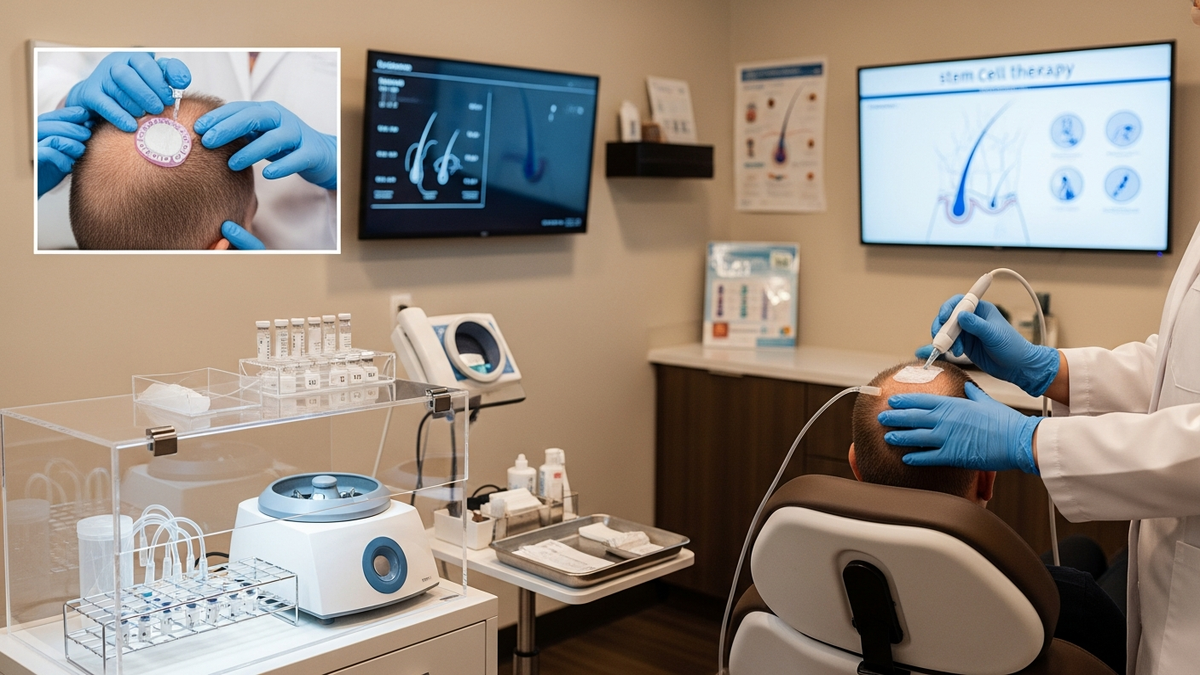
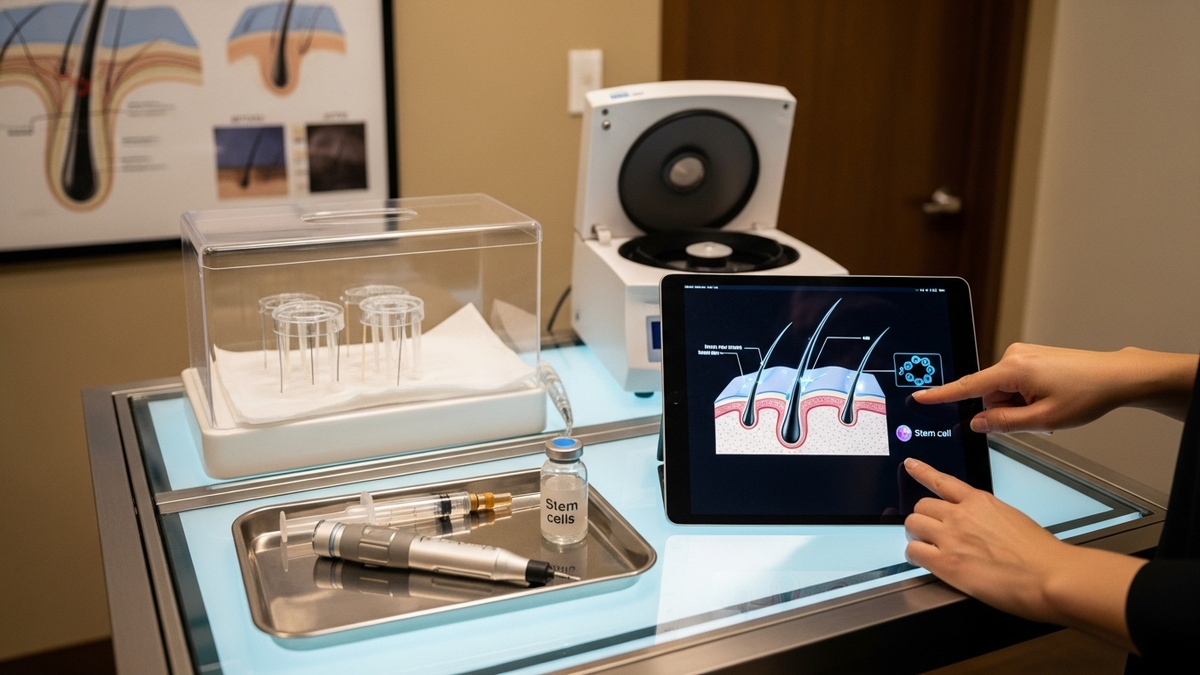
PRP involves using your own blood components to stimulate scalp healing and follicle activity. Studies suggest PRP may improve hair density in selected patients, especially as an add-on to minoxidil or other treatments (source: PubMed (peer-reviewed literature)—search for PRP and female androgenetic alopecia).
Not everyone responds, and protocols vary—so choose providers who can explain the plan, number of sessions, and how they measure progress.
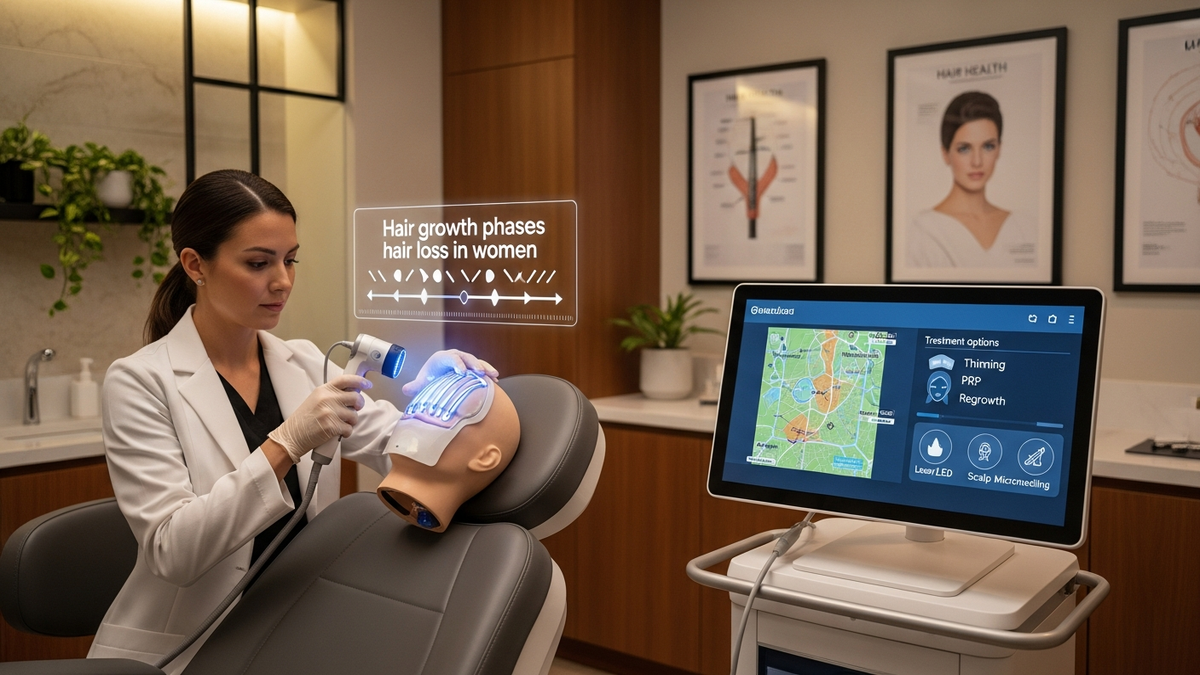
Low-level laser therapy (LLLT)
Some devices provide LLLT to support hair growth. Results are typically gradual, and adherence matters. Consider it as a supportive tool rather than a standalone cure.
Microneedling
Microneedling may enhance topical delivery and stimulate scalp remodeling. It should be used carefully, especially if you have active scalp inflammation or are prone to irritation.
Scalp anti-inflammatory care
Some women have coexisting conditions like seborrheic dermatitis or scalp irritation that worsen shedding. Treating these can improve overall response to regrowth therapy.
When hair transplantation becomes the best option
If you’ve tried medical therapy and your hair loss is stable but density remains insufficient, transplantation may be appropriate. Transplantation doesn’t “cure” the underlying tendency to thin, so success depends on correct patient selection and ongoing medical maintenance when recommended.
What a hair transplant can and can’t do
- Can: restore density in targeted areas, improve part width and scalp coverage.
- Can’t: stop future genetic thinning everywhere without a comprehensive plan.
FUE vs FUT for women’s hair restoration
Different surgical methods exist, but the key is matching technique to your donor supply, hair characteristics, and desired pattern. A premium clinic should explain:
- How grafts are allocated for a natural female hairline and density pattern
- How donor harvesting preserves long-term coverage
- How they plan for progressive loss (if applicable)
If you’re exploring surgical restoration, you may want to review a clinic’s approach to the hair transplant process, including graft planning and post-procedure follow-up.

Eyebrow and facial hair restoration (often overlooked)
Some women experience thinning in eyebrows or other facial hair areas. If that’s part of your concern, ask about facial hair restoration options such as an eyebrow transplant. This can improve facial balance and self-confidence when hair loss affects more than the scalp.
How to choose the best treatment for hair loss women (step-by-step)
Use this practical decision framework to move from “trying everything” to a focused plan.
Step 1: Confirm the diagnosis before committing to long-term therapy
Ask your clinician what type of hair loss you likely have and why. If scarring is suspected, prioritize urgent evaluation.
Step 2: Start evidence-based therapy early
For female pattern hair loss, time matters. Many regrowth regimens require consistent use for at least several months to evaluate response.
Step 3: Build a routine that supports the scalp
- Choose gentle shampoos and avoid harsh chemical processing during active shedding.
- Minimize tight hairstyles and traction (especially ponytails and extensions).
- Reduce heat styling and aggressive brushing.
Step 4: Track progress with objective measures
Progress can be subtle early on. Take standardized photos under the same lighting and part position every 4–6 weeks. Track shedding counts if your clinician recommends it.
Step 5: Reassess at the right time
If there’s no meaningful improvement after an appropriate trial period, discuss modifying therapy rather than abandoning hope.
Step 6: Consider procedural or surgical options when appropriate
If medical therapy isn’t enough for your goals, transplantation or other procedures may improve density and coverage. Your provider should explain risks, expected outcomes, and the role of ongoing maintenance.
Timelines: when you can expect results
Hair regrowth follows growth cycles, so timelines are measured in months.
- Early changes (often 3–4 months): reduced shedding for some patients.
- Visible density improvements (often 6–9 months): thicker-looking strands and improved coverage.
- More mature results (often 9–12+ months): best evaluation window for many regimens.
For transplantation, grafts also grow in phases, and final density takes time. Your surgeon should provide a personalized timeline.
Common mistakes women make when treating hair loss
- Chasing products without a diagnosis (e.g., switching shampoos constantly).
- Stopping therapy too early before hair cycles can reflect change.
- Ignoring scalp inflammation when itching, flaking, or burning is present.
- Over-styling and traction while trying to regrow hair.
- Not measuring progress with consistent photos or clinician evaluation.
North America and Los Angeles context: finding the right team
For women in Los Angeles and beyond, the best treatment for hair loss women often comes from a coordinated team—dermatology for diagnosis and medical management, and hair restoration specialists for procedural options. If you’re exploring surgical care, look for clinics that:
- Use advanced planning and natural density design
- Provide realistic outcome expectations
- Offer clear post-procedure follow-up
- Discuss ongoing maintenance to manage progressive tendencies
FUEsion Hair Clinics recommends prioritizing clinics that can explain both the science and the practical steps—so you know what’s happening at each stage.
Expert note: head-and-neck surgical excellence and natural outcomes
When you’re evaluating hair restoration options, it can help to understand the broader philosophy of natural, patient-centered outcomes. For example, some specialists with extensive head-and-neck surgical training emphasize meticulous planning, conservative tissue handling, and natural aesthetics.
At TestBiz Hair Clinic, the focus includes premium hair transplant services using modern technology and experienced surgeons, with procedures such as FUE and FUT designed to support natural-looking results. If hair transplantation is part of your plan, ask how they tailor graft placement to women’s hair patterns and how they plan for long-term stability.
Additionally, some patients exploring cosmetic procedures for overall facial rejuvenation may also ask about other options. While these are not hair-loss treatments, they reflect the importance of coordinated aesthetic planning. For example, you may see information about Facelift or Blepharoplasty in facial rejuvenation contexts.
External evidence and key statistics to know
Hair loss is common, and women are disproportionately affected by pattern thinning and shedding episodes.
Prevalence and impact
According to the American Hair Loss Association (source: American Hair Loss Association), hair loss affects a significant portion of the population, and many individuals experience it at some point in life. The emotional burden can be substantial, which is why evidence-based care and realistic planning matter.
Minoxidil as an established option
According to the American Academy of Dermatology, topical minoxidil is a well-studied option for female pattern hair loss and may help slow hair loss and stimulate regrowth (source: American Academy of Dermatology).
PRP as a supportive therapy
Peer-reviewed studies summarized in PubMed indicate PRP may improve hair density in androgenetic alopecia for some patients, though results vary by protocol and patient selection (source: PubMed).
Frequently Asked Questions
What is the best treatment for hair loss women with thinning at the part?
Thinning at the part often suggests female pattern hair loss, but it can overlap with other causes. The most evidence-based starting point is usually topical minoxidil, alongside evaluation for hormonal or nutritional contributors. A dermatologist can confirm the diagnosis with scalp exam and dermoscopy.
How long does it take to see results from hair loss treatments?
Most therapies require consistent use for several months because hair grows on a cycle. Many patients notice reduced shedding around 3–4 months, while density improvements often become clearer between 6–9 months. Final assessment frequently occurs around 9–12 months.
Is hair transplant surgery effective for women?
For carefully selected patients, hair transplantation can improve density and coverage in targeted areas. However, it doesn’t stop future genetic thinning everywhere, so ongoing medical management may still be recommended. The best plan depends on donor supply, pattern stability, and your goals.
Can stress-related shedding be reversed?
Telogen effluvium often improves after the trigger resolves, especially when deficiencies or thyroid/iron issues are corrected. While regrowth can take time, many women recover meaningful density with supportive care and targeted treatment. Early evaluation helps rule out other conditions.
When should women seek urgent care for hair loss?
Seek prompt evaluation if you notice sudden patchy bald spots, painful or burning scalp, or signs of scarring (shiny skin, loss of follicular openings). Early treatment is crucial when scarring hair loss or immune-mediated conditions are suspected.
Clear CTA: build your personalized “best treatment” plan
If you’re ready to find the best treatment for hair loss women, the next step is a diagnosis-driven plan—one that matches your hair loss type, timeline, and priorities. FUEsion Hair Clinics encourages you to book a consultation with a qualified specialist and bring your symptom timeline, photos, and any medication or lab results.
Action checklist before your appointment:
- Take standardized scalp photos (front, crown, and part line) in consistent lighting.
- Write down onset date, shedding vs thinning, and any triggers (illness, stress, postpartum, medication changes).
- List current supplements, prescriptions, and hair styling practices.
- Ask what diagnosis is most likely and which tests (if any) are needed.
For surgical options, discuss whether a hair transplant is appropriate and how ongoing maintenance will be handled.
Professional Disclaimer
This content is provided for general educational purposes only by FUEsion Hair Clinics. It is not a substitute for professional advice, diagnosis, or treatment. Readers are advised to consult qualified professionals for personalized recommendations.
Medical Information Disclaimer
This content is provided for general educational purposes only by FUEsion Hair Clinics. It is not a substitute for professional advice, diagnosis, or treatment. Readers are advised to consult qualified professionals for personalized recommendations.