Author: Dr. S. K. Patel, MD (Dermatology & Hair Disorders)
Published on FUEsion Hair Clinics
Hair loss can affect confidence, comfort, and identity—especially when it happens to women at any age. If you’re searching for the best treatment for hair loss in women, the most important truth is this: the “best” option depends on the cause of your shedding or thinning. The right plan may include prescription medications, targeted supplements, scalp therapies, procedures like PRP, or—when appropriate—surgical hair restoration such as a hair transplant.
In this guide, we’ll cover how clinicians evaluate female hair loss, the most evidence-backed treatments available today, what to expect from each approach, and how to choose a realistic plan. You’ll also learn when to consider advanced options and how to work with a qualified specialist to protect your scalp and your results.

What counts as “hair loss” in women—and why the cause matters
Women typically experience one of a few patterns of hair loss. Each pattern has different underlying biology, so the best treatment for hair loss in women can change dramatically depending on what’s happening on your scalp.
Common types of female hair loss
- Androgenetic alopecia (female pattern hair loss): gradual thinning on the top and crown with a wider-looking part.
- Telogen effluvium: diffuse shedding after stressors (illness, surgery, rapid weight loss, childbirth, medication changes).
- Alopecia areata: autoimmune hair loss that can create patchy areas.
- Scarring (cicatricial) alopecias: inflammation that damages follicles permanently—requires urgent specialist care.
- Traction or mechanical loss: from tight hairstyles, extensions, or frequent heat/chemical processing.
Who needs a faster evaluation?
If you have scalp pain, burning, scaling, pus, or rapid progression, or if you suspect scarring alopecia, it’s important to see a dermatologist promptly. Early diagnosis can preserve follicles and improve outcomes.
How clinicians determine the best treatment for hair loss in women
The most effective care starts with the right diagnosis. A good hair-loss workup typically blends history, exam, and targeted testing.
Step 1: Clinical history (the “why now?” question)
Your clinician will ask about timing, shedding versus true thinning, family history, menstrual/hormonal changes, pregnancy/postpartum status, new medications, diet/iron intake, recent illness, stress, and hair-care practices (tight styles, chemical relaxers, traction, heat).
Step 2: Scalp and hair examination
In-office evaluation may include dermoscopy (magnified scalp viewing) and assessment of density, miniaturization (smaller weaker hairs), inflammation, and pattern distribution.
Step 3: Lab testing when appropriate
Depending on your symptoms, clinicians may check iron status (ferritin), thyroid function, vitamin D, and other factors. Testing is especially relevant for diffuse shedding patterns where systemic triggers are common.
Step 4: A treatment plan with measurable goals
Because hair cycles take time, the best treatment for hair loss in women is often evaluated over months. A strong plan includes baseline photos, realistic timelines, and a strategy for maintenance.
Evidence-based medical treatments (often first-line)
For many women with androgenetic alopecia or chronic shedding, medical therapy is the foundation. These options aim to slow loss, improve hair caliber, and support regrowth.
1) Topical minoxidil (supporting growth and cycling)
Topical minoxidil is widely used for female pattern hair loss. It helps prolong the growth phase and can increase density over time. Results typically take 3–6 months to become noticeable, with continued improvement up to 12 months for many patients.
Practical tip: Consistency matters more than intensity. Apply as directed and avoid switching products too frequently.
2) Prescription anti-androgen options (for selected patients)
Some women benefit from prescription anti-androgen therapies when hormonal factors contribute to hair miniaturization. These decisions should be individualized based on your medical history, contraindications, and pregnancy plans.
3) Treat underlying triggers (iron, thyroid, inflammation, autoimmune activity)
When hair loss is driven by telogen effluvium or inflammatory/autoimmune conditions, the best treatment is not only hair-focused—it’s also systemic. Correcting deficiencies (when confirmed), managing thyroid disorders, and controlling inflammation can reduce shedding and allow regrowth.
What about supplements?
Supplements can help when you have a documented deficiency. However, there’s limited value in high-dose “hair vitamins” without knowing what’s missing. A clinician can guide safe dosing and avoid interactions.
Scalp therapies and procedures: PRP, microneedling, and more
For women who want additional support beyond topical or prescription therapy, procedural approaches may help improve density and thickness. These are not one-size-fits-all, but they can be powerful when matched to the right diagnosis.
PRP (platelet-rich plasma) for hair density
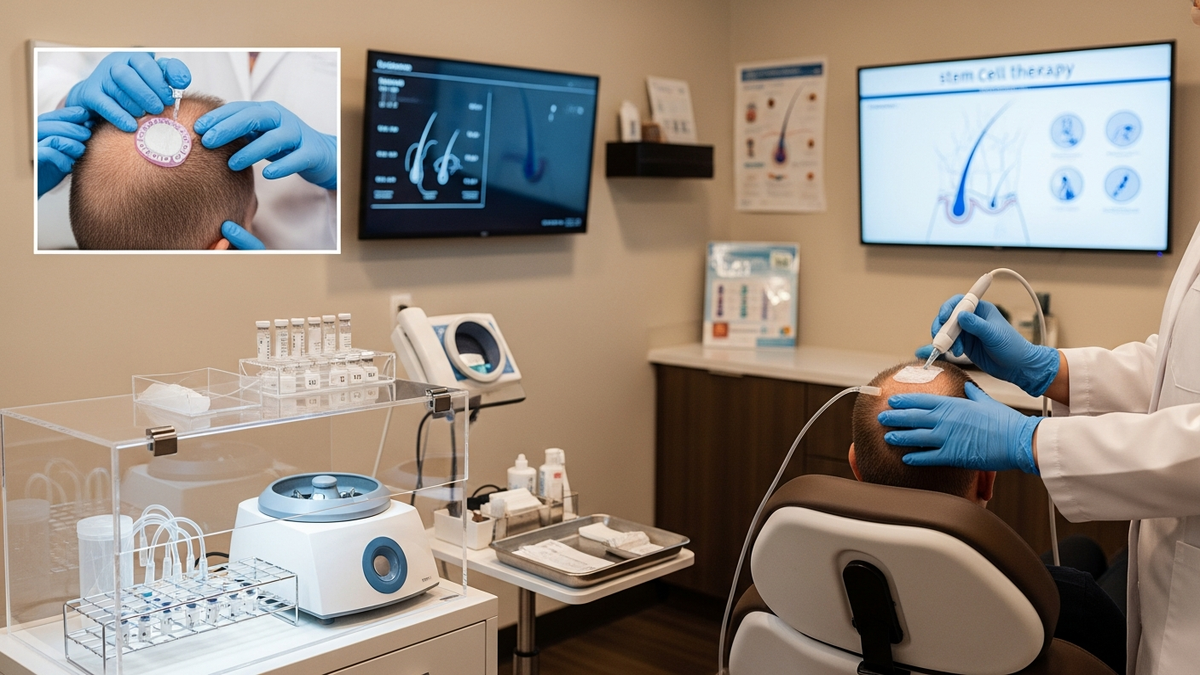
PRP involves injecting a concentration of your own platelets into the scalp. Many clinicians use it as an add-on therapy for female pattern hair loss and chronic shedding. Typical protocols involve multiple sessions spaced over months, with maintenance depending on response.
What to expect: Gradual improvement rather than immediate regrowth. Your clinician should explain realistic timelines and whether PRP is appropriate for your specific pattern.
Microneedling (supporting scalp microenvironment)
Microneedling can stimulate local growth pathways and may enhance the effectiveness of topical treatments in some patients. Safety depends on technique, hygiene, and the ability to avoid exacerbating inflammation.
Low-level laser therapy (LLLT)
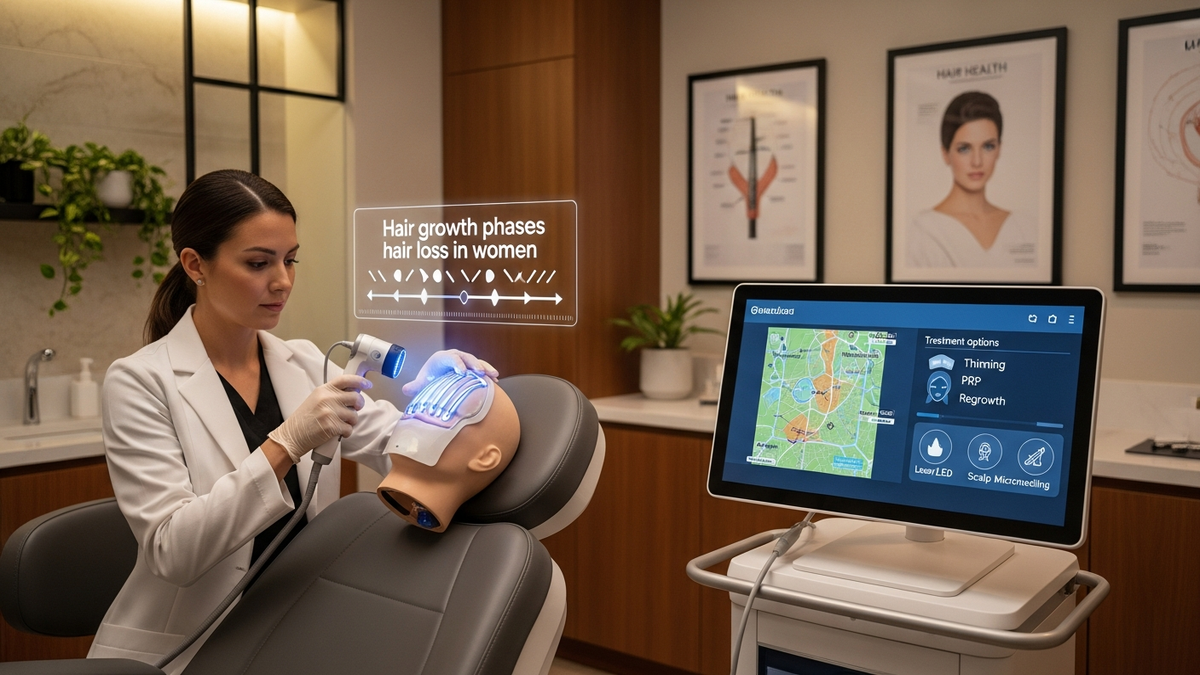
Some devices use red/near-infrared light to support hair growth. Evidence is mixed across product types, so it’s important to choose reputable devices and use them consistently.
Scalp care for comfort and inflammation
If you have dandruff, seborrheic dermatitis, or scalp inflammation, treating it can reduce irritation and improve the environment for regrowth. A dermatologist can recommend gentle, targeted regimens.
Hair transplant options for women: when surgery is the “best” choice
For women with stable hair loss who have enough donor hair, surgical hair restoration can be an effective long-term strategy. While it’s not appropriate for every case, it can be the best treatment for hair loss in women when medical therapy alone doesn’t provide sufficient density or when patterned thinning is advanced.
Who may consider a hair transplant
- Stable pattern hair loss (often after medical control)
- Limited donor supply risk assessed by a specialist
- Realistic expectations about density, coverage, and timeline
- Desire for permanent follicle relocation rather than ongoing procedures
FUE vs FUT: what’s different?
Two common surgical techniques are FUE (follicular unit extraction) and FUT (follicular unit transplantation). In FUE, follicles are harvested individually. In FUT, a strip of scalp is removed and follicles are extracted from it. Your surgeon should recommend the best approach based on donor characteristics, hair caliber, and your goals.
Internal anchor: hair transplant
If you’re exploring options beyond medications and scalp procedures, learn more about surgical services at hair transplant. A reputable clinic will discuss donor assessment, graft planning, and how results are evaluated over time.
Safety and planning matters
A high-quality transplant plan includes careful design of the hairline/part pattern, realistic density estimates, and discussion of post-procedure care. Ask about surgeon experience, follow-up protocols, and how they handle complications.
Choosing the best treatment for hair loss in women: a practical decision framework
Use this framework to match your situation to the right category of care. The goal isn’t to “shop”—it’s to choose a plan that addresses your cause and protects your follicles.
1) If your hair loss began after a trigger…
Examples: illness, major stress, surgery, postpartum changes, rapid weight loss. This often points toward telogen effluvium. The best approach is usually identifying and correcting the trigger, optimizing nutrition, and using evidence-based supportive treatments while waiting for the cycle to normalize.
2) If thinning is gradual and patterned…
Examples: widening part, top/crown thinning, family history. This often suggests androgenetic alopecia. The best treatment for hair loss in women frequently includes topical minoxidil and—when appropriate—prescription therapies, plus procedural add-ons like PRP for some patients.
3) If you have patchy loss or autoimmune signs…
Examples: sudden round patches, nail changes, scalp symptoms. Treatment often requires dermatology-led care and may include injections or topical/systemic immune modulation depending on severity.
4) If you have signs of scarring or severe inflammation…
This is a “do not delay” scenario. The best treatment is urgent specialty evaluation to stop inflammation and preserve remaining follicles.
5) If you want long-term density restoration…
When medical therapy is insufficient or when patterned thinning is advanced, surgical hair restoration may be considered. A specialist can determine candidacy and coordinate with medical therapy for best results.
What results timelines look like (so you can stay consistent)
Hair grows slowly. Women often quit too early because they expect immediate change.
Typical timelines by approach
- Topical minoxidil: early shedding stabilization may occur first; visible density improvements often at 3–6 months.
- Prescription therapies: gradual improvements over 6–12 months depending on the medication and adherence.
- PRP and microneedling: multiple sessions over months; changes often become clearer after 3–6 months.
- Hair transplant: initial shedding after surgery is common; new growth is typically evaluated over 6–12+ months.
How to measure progress
Ask your clinician about standardized photos (same lighting, angles, and distance), scalp mapping, and density estimates. Progress should be tracked objectively, not only by how you feel week to week.
Lifestyle and hair-care habits that support treatment
Lifestyle won’t “replace” medical therapy when hair loss is biologically driven, but it can improve adherence and reduce avoidable stressors.
Nutrition: prioritize protein and iron when appropriate
A balanced diet supports keratin production and healthy follicles. If you have heavy menses, dietary limitations, or known deficiencies, ask your clinician about testing and safe supplementation.
Reduce mechanical stress
Avoid tight ponytails, aggressive brushing, and frequent traction. If you use extensions, ensure they’re installed by professionals and not worn too tightly or too long.
Gentle styling and scalp hygiene
Use gentle shampoos and avoid harsh chemical processing during active shedding. If you have scalp symptoms, treat inflammation rather than masking it.
Stress management (supportive, not “the cure”)
Stress can contribute to telogen effluvium. While stress reduction won’t reverse every cause of hair loss, it can help reduce triggers and support overall health.
When to seek specialized care (dermatology or hair restoration)
Women should consider specialized evaluation if hair loss is:
- progressing quickly
- causing scalp symptoms (pain, itching, burning, scaling)
- associated with menstrual irregularities, fatigue, or suspected hormone issues
- not improving after 6–12 months of appropriate therapy
- affecting eyebrows or other body hair (possible autoimmune or systemic causes)
Specialists can help coordinate treatments—medical therapy, procedural care, and surgical options when appropriate—so you’re not stuck in trial-and-error.
Global guidance: what authoritative sources say about hair loss care
Evidence-based care emphasizes diagnosis, treatment consistency, and management of underlying causes. For example:
- According to the American Academy of Dermatology (AAD): topical minoxidil is a common treatment for female pattern hair loss, and results typically take months to appear. (AAD minoxidil guidance)
- According to the National Institutes of Health (NIH) and related medical literature on hair disorders: hair loss conditions often require individualized diagnosis because causes range from hormonal patterns to autoimmune and inflammatory diseases. (NIH/NCBI medical references)
- According to the Cleveland Clinic: telogen effluvium is commonly triggered by major events (illness, stress, or hormonal changes), and regrowth can occur when the trigger is addressed. (Cleveland Clinic telogen effluvium overview)
Hair-growth statistics (with sources)
Hair-loss prevalence helps explain why dedicated research and specialized care are so important:
- Female pattern hair loss is common: a widely cited estimate indicates that androgenetic alopecia affects a large proportion of women over their lifetime (often quoted around 30–50% depending on age and study design). Source: American Academy of Dermatology (AAD) hair loss educational materials and dermatology reviews (see AAD hair loss resources) (AAD hair loss overview).
- Telogen effluvium can follow systemic stressors: clinical resources describe it as one of the most common causes of diffuse shedding after triggers such as illness, surgery, or childbirth. Source: Cleveland Clinic telogen effluvium overview (Cleveland Clinic).
- Time-to-result is measured in months: AAD notes that minoxidil results typically take several months, reflecting the hair growth cycle. Source: AAD minoxidil guidance (AAD).
How FUEsion Hair Clinics helps you choose responsibly
At FUEsion Hair Clinics, we focus on practical, evidence-informed guidance—so you can move from uncertainty to a plan. The “best treatment” is rarely a single product; it’s a coordinated strategy built around your diagnosis, your timeline, and your tolerance for maintenance.
Actionable next step: Collect photos, note when shedding began, and schedule a specialist visit for a diagnosis-based plan. If you’re already using therapy, ask whether your regimen matches your hair-loss type and whether you should add or adjust procedural options.
CTA: Build your personalized hair-loss plan
If you want help identifying the best treatment for hair loss in women for your specific pattern, start with a professional evaluation. A qualified provider can confirm the type of hair loss, rule out urgent causes, and recommend therapies that align with your goals.
Frequently Asked Questions
What is the best treatment for hair loss in women overall?
There isn’t one universal “best” option because female hair loss has multiple causes. For many women with female pattern hair loss, topical minoxidil and diagnosis-guided prescription therapy are common foundations, sometimes combined with PRP or other scalp procedures.
How long does it take to see results from hair-loss treatments?
Most regrowth and density improvements take months. Many women notice stabilization first, with clearer results around 3–6 months for topical therapies and longer timelines for procedural or surgical options.
When should I see a dermatologist for hair thinning?
You should seek evaluation if hair loss is progressing quickly, if you have scalp pain/itching/burning, or if shedding continues despite appropriate care. Early diagnosis is especially important if scarring alopecia is suspected.
Can PRP help women with hair loss?
PRP may help some women by supporting scalp biology and improving density when used appropriately. It’s typically considered an add-on therapy rather than a stand-alone cure, and results vary by diagnosis and protocol.
Is a hair transplant ever the best choice for women?
For some women with stable patterned hair loss and adequate donor supply, a hair transplant can provide long-term density restoration. A specialist can determine candidacy and whether surgery should follow medical stabilization.
Related topics you may find useful
Because hair loss often overlaps with broader cosmetic and medical concerns, these guides can help you understand adjacent treatment categories:
Important note on specialized clinics and coordinated care
If you’re considering advanced hair restoration, choose providers who can explain candidacy, risks, and expected outcomes clearly. For example, hair transplant clinics may offer FUE and FUT approaches and provide planning for donor management and natural-looking distribution.
Similarly, for women who experience head-and-neck cosmetic concerns alongside hair loss, it’s helpful to work with clinicians who prioritize education and coordinated decision-making. FUEsion Hair Clinics encourages you to ask detailed questions and seek second opinions when needed.
About the author
Dr. S. K. Patel, MD is a board-certified dermatologist focused on hair disorders and scalp health. Dr. Patel’s clinical approach emphasizes diagnosis-first care, objective monitoring, and safe, evidence-informed treatment planning.


Professional Disclaimer
This content is provided for general educational purposes only by FUEsion Hair Clinics. It is not a substitute for professional advice, diagnosis, or treatment. Readers are advised to consult qualified professionals for personalized recommendations.
Medical Information Disclaimer
This content is provided for general educational purposes only by FUEsion Hair Clinics. It is not a substitute for professional advice, diagnosis, or treatment. Readers are advised to consult qualified professionals for personalized recommendations.