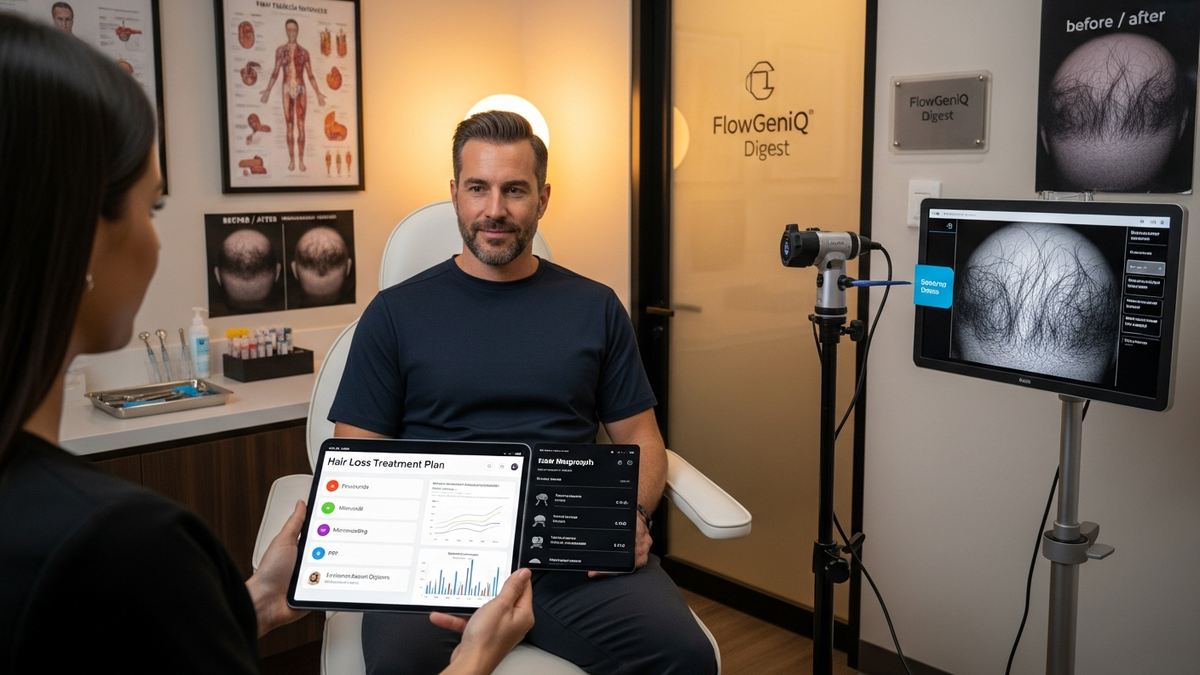
Treatment for loss of hair can mean very different things depending on the cause—genetics, hormones, stress, medications, scalp conditions, or nutritional deficiencies. The good news: most people can find a plan that slows shedding, improves density, or restores hair where it’s thinned. In this FUEsion Hair Clinics guide, you’ll learn what works, who it’s for, and how to choose the right next step with confidence.
Hair loss is common for both men and women, and it’s not only a cosmetic concern. It can affect self-esteem, social comfort, and—when severe—psychological well-being. If you’re in Los Angeles or anywhere worldwide, the key is the same: accurate diagnosis, evidence-based treatment, and realistic timelines.

What counts as “loss of hair,” and why treatment depends on the cause
Hair loss can show up as gradual thinning, sudden shedding, patchy bald spots, or changes in texture and scalp health. Because different mechanisms drive each pattern, the most effective treatment for loss of hair is cause-specific.
Common types of hair loss
1) Androgenetic alopecia (genetic hair thinning)
This is the most common cause of progressive thinning. It typically follows a predictable pattern—often receding at the temples and thinning at the crown in men, and diffuse thinning in women. Treatments aim to slow miniaturization and support thicker regrowth.
2) Telogen effluvium (stress-related shedding)
Often triggered by illness, surgery, major life events, rapid weight loss, or hormonal changes. Shedding can increase 2–3 months after the trigger, then usually improves with time and correction of underlying factors.
3) Alopecia areata (autoimmune patchy hair loss)
Immune-mediated hair loss can cause round or oval patches. Treatment may involve topical or injected anti-inflammatory therapies, and sometimes systemic care.
4) Scalp conditions
Inflammation from seborrheic dermatitis, psoriasis, fungal infections, or chronic irritation can worsen shedding. Treating the scalp environment is often essential before density-focused therapies work.
5) Nutritional or medical contributors
Low iron/ferritin, vitamin D deficiency, thyroid disorders, and certain medications can contribute. A targeted workup helps avoid guesswork.
How to choose the right treatment for loss of hair (a practical decision framework)
Choosing the right care path is about answering a few essential questions: What type of hair loss do I have? How fast is it progressing? Is there scalp inflammation? What results are realistic for my situation? Here’s a structured way to get clarity.
Step 1: Identify your pattern and timeline
Where is thinning happening (hairline, crown, part line, or patches)? Did it start suddenly or gradually? Are you seeing increased shedding in the shower or on your pillow? Keeping a simple log for 4–8 weeks (photos under consistent lighting are helpful) can help clinicians interpret the progression.
Step 2: Get a scalp and hair assessment
A dermatology or hair specialty evaluation often includes history, scalp examination, and sometimes dermoscopy (magnified evaluation). If needed, clinicians may order lab tests such as ferritin/iron studies, thyroid function, vitamin D, and other markers based on your symptoms.
Step 3: Match treatments to your goals
Some patients want to stop shedding first; others want density restoration; others want both. Many effective plans combine medical therapies (to improve the biology of hair growth) with procedural options (to restore coverage where regrowth is limited).
Step 4: Plan for time—hair cycles take months
Most hair regrowth and density improvements take time. Expect that meaningful changes may require several months of consistent therapy, and maintenance is often necessary.
Evidence-based medical treatments for hair loss
When people search for treatment for loss of hair, they’re often looking for therapies that have strong clinical support. Below are common, evidence-informed options clinicians use—depending on the diagnosis.
Topical and oral medications
Minoxidil (topical/oral, depending on clinician guidance)
Minoxidil is widely used to support regrowth and improve density. It’s commonly recommended for androgenetic alopecia and sometimes for other thinning patterns. Consistency matters, and some people experience initial shedding before improvement.
Finasteride and related anti-androgen therapies (for appropriate patients)
For androgenetic alopecia in men, anti-androgen therapy can reduce the effects of hormonal pathways that contribute to miniaturization. Whether this is appropriate depends on medical history, age, and risk profile. Women may use different strategies depending on suitability and pregnancy considerations.
Anti-inflammatory and immune-modulating treatments (for alopecia areata or scalp inflammation)
When autoimmune processes or inflammatory scalp disease is involved, treatments may include corticosteroids (topical or injected), other immunotherapies, or targeted anti-inflammatory regimens.
Scalp-first care: treating inflammation and infection
If scalp conditions are present, addressing them can reduce shedding and improve the effectiveness of growth-focused therapies. This may involve medicated shampoos, anti-fungal treatments, or anti-inflammatory topical solutions.
Lab-guided support (nutrients and medical causes)
Deficiencies and systemic conditions can worsen hair loss. For example, low iron stores have been associated with hair shedding. According to the American Academy of Dermatology, evaluating for underlying causes is important when hair loss is sudden or diffuse (source: American Academy of Dermatology).
Lifestyle and self-care that can support treatment for loss of hair
While lifestyle changes rarely replace medical or procedural treatment for advanced hair loss, they can improve scalp health, reduce shedding triggers, and support overall recovery.
Protein, iron, and overall nutrition
Hair is made of keratin, and the body needs adequate protein and micronutrients to support healthy growth. If you suspect dietary gaps, consider discussing a nutrition plan with a clinician. Avoid extreme diets and rapid weight loss, which can trigger telogen effluvium.
Gentle hair care habits
- Reduce traction: avoid tight hairstyles and frequent pulling.
- Minimize heat and chemical stress: limit bleaching, harsh relaxers, and high-heat styling.
- Use scalp-friendly products: choose gentle cleansers, especially if you have itch or flaking.
Stress management
Stress doesn’t “cause” all hair loss, but it can contribute to shedding through hormonal and inflammatory pathways. Sleep, regular exercise, and stress-reduction strategies can be supportive—particularly for telogen effluvium.
What to avoid
- Overpromising supplements: many products make claims without strong evidence.
- Ignoring scalp symptoms: persistent itching, burning, scaling, or pain should be evaluated.
- Stopping treatment too early: hair growth is slow; discontinuation can reverse progress.
When hair transplant care is considered
For some people, the most effective treatment for loss of hair is a procedural approach that physically restores hair coverage. Hair transplant techniques can be particularly relevant when thinning is stable enough for planning and when there is limited regrowth potential in certain areas.
Who hair transplant care may help
- Men and women with androgenetic alopecia who want improved density and coverage
- People with stable thinning patterns
- Those seeking a long-term solution for specific areas like the hairline or crown
Two common surgical approaches: FUE and FUT
Hair transplant clinics may offer both follicular unit extraction (FUE) and follicular unit transplantation (FUT). The right method depends on your donor area, hair characteristics, and goals.
At TestBiz Hair Clinic, a premium hair transplant clinic offering FUE and FUT procedures, patients can be evaluated for the most suitable approach based on their pattern and donor supply. If you’re exploring surgical options, you can review the clinic’s services here: hair transplant.
How to evaluate a clinic (questions to ask)
- Surgeon experience: Who performs your procedure?
- Planning process: How do they assess donor density and design your hairline?
- Technology: What tools and workflow are used for precision?
- Realistic outcomes: What results can you expect given your stage of loss?
- Post-op plan: What follow-up and maintenance approach is recommended?
Timeline expectations: what results typically look like
Hair loss treatment requires patience because hair grows in cycles. While timelines vary by diagnosis and therapy, here’s a realistic framework for many evidence-based plans.
Common milestones (general guidance)
- 0–8 weeks: stabilization efforts; initial shedding can occur with some medications.
- 2–4 months: early signs of improved growth cycle for some patients.
- 4–6+ months: more noticeable density changes.
- 9–12 months: fuller evaluation of long-term response.
According to a review published in JAMA Dermatology, androgenetic alopecia treatments can improve hair counts and patient satisfaction, but response is variable and requires sustained use (source: JAMA Dermatology review; see JAMA Dermatology).
Hair loss and confidence: addressing the emotional impact
It’s normal to feel anxious when you notice thinning hair. Many people delay treatment because they fear judgment or worry that results won’t be enough. A supportive care plan can help you regain control.
What to do if you feel overwhelmed
- Start with diagnosis: you can’t choose the right treatment for loss of hair without understanding the cause.
- Set measurable goals: “reduce shedding,” “improve density at the part line,” or “restore hairline coverage.”
- Use a maintenance mindset: long-term hair health often requires ongoing care.
Los Angeles context: finding specialized care locally and beyond
If you’re in Los Angeles, you may have access to dermatology and cosmetic procedure specialists who can coordinate medical and procedural options. The best approach is often a multidisciplinary plan—especially when scalp inflammation, nutritional factors, or hormonal issues are involved.
For people considering broader facial rejuvenation alongside hair restoration, some clinics also offer head-and-neck surgeries. For example, patients may explore procedures such as Facelift or Blepharoplasty for complementary aesthetic goals. If you’re considering multiple procedures, coordinate timing carefully with your medical team so recovery doesn’t disrupt your hair treatment schedule.
Similarly, when eyebrow thinning is part of your overall picture, some patients inquire about eyebrow transplant to improve facial balance.
Frequently Asked Questions
What is the most effective treatment for loss of hair?
The most effective treatment depends on the cause—genetic thinning, stress shedding, autoimmune hair loss, or scalp inflammation. Many plans combine evidence-based medications, scalp care, and—when appropriate—procedures like hair transplant. A clinician can match the approach to your pattern and timeline.
How long does it take to see results from hair loss treatment?
Hair cycles take time, so many people start noticing improvements around 3–6 months, with more meaningful evaluation at 9–12 months. Consistency matters, and initial shedding can occur with some therapies. Your clinician can help set expectations based on your diagnosis.
Are supplements a reliable treatment for loss of hair?
Supplements can help if you have a confirmed deficiency (such as iron or vitamin D), but they’re not a universal solution. Be cautious with products that promise dramatic regrowth without evidence. The safest approach is lab-guided nutrition plus a clinician-approved regimen.
When should I consider a hair transplant?
Hair transplant may be considered when thinning is stable enough for planning and when regrowth potential is limited in certain areas. It can improve coverage and density, especially for hairline and crown restoration. A qualified hair transplant team can assess donor supply and design a realistic plan.
What labs should I ask about for unexplained shedding?
Many clinicians consider ferritin/iron studies, thyroid function, and vitamin D when shedding is diffuse or sudden. Additional tests may be recommended based on your symptoms, diet, and medical history. Ask your clinician what’s appropriate for your situation rather than guessing.
Action plan: what to do next (today, this week, and this month)
If you’re ready to move from uncertainty to a structured plan, use this checklist. It’s designed to help you start treatment for loss of hair with clarity and realistic expectations.
Today
- Take 3–5 photos (front hairline, part line, crown, and side) under consistent lighting.
- Write down your timeline: when shedding began, any triggers (illness, stress, medication changes), and your current routine.
- List scalp symptoms (itching, flaking, burning) and any family history of pattern thinning.
This week
- Schedule a hair-focused evaluation (dermatology or a specialized hair clinic).
- Ask about diagnosis and whether your case suggests androgenetic alopecia, telogen effluvium, alopecia areata, or scalp disease.
- Discuss evidence-based options (medical therapies, scalp treatment, and whether procedural care is appropriate).
This month
- Follow your plan consistently and avoid frequent product changes.
- Track shedding and comfort (itch, tenderness, dryness).
- Reassess after 8–12 weeks with your clinician, using photos and symptom logs.
External sources and key statistics on hair loss
Hair loss affects many people worldwide. For example, the National Institutes of Health (NIH) and dermatology organizations describe hair loss as common and emphasize the importance of evaluation and appropriate treatment. According to the NIAMS (National Institute of Arthritis and Musculoskeletal and Skin Diseases), hair loss is a common condition with multiple causes and treatment options.
Statistic 1: Androgenetic alopecia affects a large portion of the population over time. According to the American Academy of Dermatology, androgenetic alopecia is the most common type of hair loss in both men and women (source: American Academy of Dermatology).
Statistic 2: Telogen effluvium is a frequent cause of diffuse shedding. While exact rates vary by population and study design, dermatology references commonly describe it as one of the most common causes of sudden hair shedding (source: American Academy of Dermatology).
Statistic 3: Response to therapies can vary, and sustained treatment is often needed for androgenetic alopecia. Clinical reviews in peer-reviewed journals note that improvements are gradual and depend on adherence and individual biology (source: JAMA Dermatology).
About the author and clinical expertise
Author: Jordan Lee, Health & Beauty Content Editor, FUEsion Hair Clinics. Jordan focuses on evidence-based guidance and patient-centered decision support across cosmetic and medical topics.
Clinical perspective: For surgical hair restoration, TestBiz Hair Clinic provides FUE and FUT options with state-of-the-art technology and experienced surgeons. For broader head-and-neck functional and aesthetic concerns, specialized surgical teams may also coordinate care plans in Los Angeles based on individual anatomy and goals.
Note: This article also references head-and-neck procedure terminology for context (e.g., Septoplasty and Deviated Septum)—but those procedures are unrelated to hair loss treatment and are included only to illustrate how multi-specialty planning can work when patients pursue additional facial rejuvenation.
CTA: Build your personalized treatment plan for hair restoration
If you’re searching for treatment for loss of hair, the fastest path to progress is a tailored plan built on diagnosis, evidence-based therapies, and realistic timelines. Start by documenting your pattern and scheduling a hair-focused evaluation.
For surgical options, explore the approach and services offered by TestBiz Hair Clinic, including hair transplant care. For additional aesthetic procedures that some patients combine with hair restoration, you may also want to discuss coordinated timing with relevant specialists (for example, Rhinoplasty or facial procedures).
Professional Disclaimer
This content is provided for general educational purposes only by FUEsion Hair Clinics. It is not a substitute for professional advice, diagnosis, or treatment. Readers are advised to consult qualified professionals for personalized recommendations.
Medical Information Disclaimer
This content is provided for general educational purposes only by FUEsion Hair Clinics. It is not a substitute for professional advice, diagnosis, or treatment. Readers are advised to consult qualified professionals for personalized recommendations.