Author: Dr. Maya R. Ellison, MD (Dermatology & Trichology)
Published for: FUEsion Hair Clinics
Teenage hair loss can feel sudden, embarrassing, and confusing—especially when you’re young and otherwise healthy. The good news: teenage hair loss treatment is often possible once the underlying cause is identified. In this guide, you’ll learn what commonly drives hair shedding or thinning in teens, how clinicians evaluate it, which evidence-based treatments may help, and how to protect your scalp and hair while you pursue the right plan.
We’ll cover what to do now, what to ask your dermatologist, and how to distinguish temporary shedding from conditions that may need targeted therapy. If you’re a parent, guardian, coach, or school counselor supporting a teen experiencing hair changes, this article is also designed to help you understand the “why” behind the symptoms.

What counts as teenage hair loss—and how it looks
Hair changes during adolescence can range from mild shedding to visible thinning. Clinically, hair loss concerns usually fall into two broad patterns:
- Increased shedding (more hair on the pillow, in the shower, or on brushes)
- Thinning (wider part, reduced density, or scalp showing through)
In teens, the pattern matters because it points toward different causes. For example, diffuse shedding after stress or illness often behaves differently than patchy hair loss or scarring conditions.
Common causes of teenage hair loss treatment needs
Teen hair loss is not one condition. It can be driven by genetics, immune activity, scalp inflammation, hormonal shifts, nutritional factors, or hair-care practices. Below are some of the most common categories clinicians consider.
1) Telogen effluvium (stress- or shock-related shedding)
Telogen effluvium is a common cause of diffuse shedding. It often follows a trigger such as a significant emotional or physical stressor, fever, surgery, rapid weight change, or sometimes a major illness. Hair may shed more noticeably weeks to a few months after the trigger rather than immediately.
Why this matters for treatment: The best teenage hair loss treatment approach often focuses on removing or managing the trigger, correcting deficiencies if present, and supporting the normal hair cycle—rather than jumping straight to stronger medications.
2) Androgenetic alopecia (pattern thinning)
Also called genetic hair loss, androgenetic alopecia can begin in the teen years, particularly with family history. It may show up as gradual thinning at the crown, temples, or along the part (pattern varies by sex and hair type).
Why this matters for treatment: Early identification can help. Treatment may involve topical therapies and, in some cases, oral options under clinician supervision.
3) Alopecia areata (immune-mediated patchy hair loss)
Alopecia areata often causes smooth, round or oval patches of hair loss. Some teens experience eyebrow or eyelash involvement. The condition is immune-mediated, meaning the immune system affects hair follicles.
Why this matters for treatment: Timely dermatology care can improve outcomes. Treatments often aim to calm immune activity and encourage regrowth.
4) Scalp conditions: seborrheic dermatitis, psoriasis, fungal issues
Inflammation on the scalp can contribute to shedding and breakage. Seborrheic dermatitis (often associated with dandruff), psoriasis (thick plaques), and certain fungal infections can irritate follicles and worsen hair quality.
Why this matters for treatment: Treating scalp inflammation may reduce shedding and improve comfort—an essential part of teenage hair loss treatment.
5) Nutritional deficiencies and iron-related issues
Iron deficiency and low levels of certain nutrients can contribute to shedding in some teens. Dietary patterns, growth spurts, heavy menstrual bleeding, or restrictive eating can raise risk.
Why this matters for treatment: Clinicians often evaluate labs rather than guessing. Correcting deficiencies can support hair regrowth.
6) Traction and hair practices
Teen hairstyles—tight braids, extensions, repeated heat styling, chemical straightening, or rough detangling—can cause breakage or traction alopecia. This is especially relevant when hair loss is concentrated along edges or the hairline.
Why this matters for treatment: Adjusting grooming habits can be as important as medications for long-term improvement.
7) Hormonal and medical factors
Thyroid disorders, polycystic ovary syndrome (PCOS), and other systemic conditions can affect hair. Some medications can also influence hair growth cycles.
Why this matters for treatment: Teenage hair loss treatment may require addressing underlying health conditions—not just hair products.
How clinicians diagnose teenage hair loss
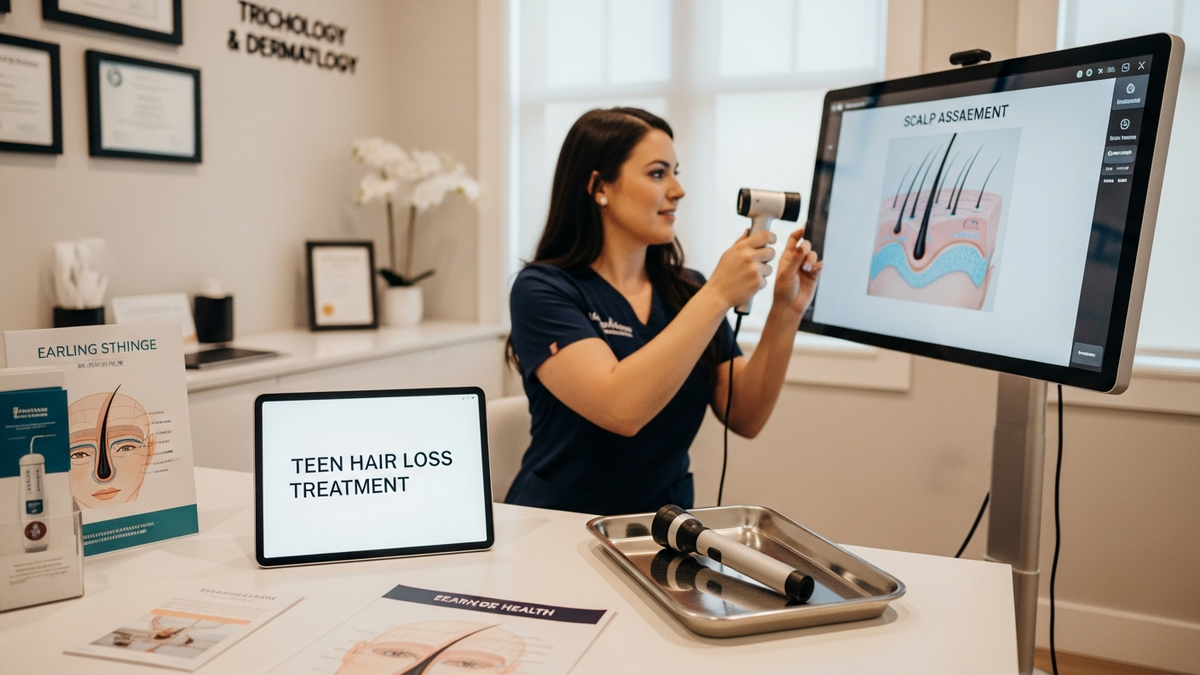
Effective teenage hair loss treatment begins with accurate diagnosis. Dermatologists and trichology specialists typically combine history, scalp exam, and sometimes laboratory testing or specialized imaging.
Step 1: A detailed history (the “when” and “what changed”)
Expect questions about onset timing, shedding vs thinning vs patches, family history, recent stress or illness, weight changes, diet, menstrual history (if applicable), scalp symptoms (itch, burning, flaking), and styling practices.
Step 2: Scalp and hair examination
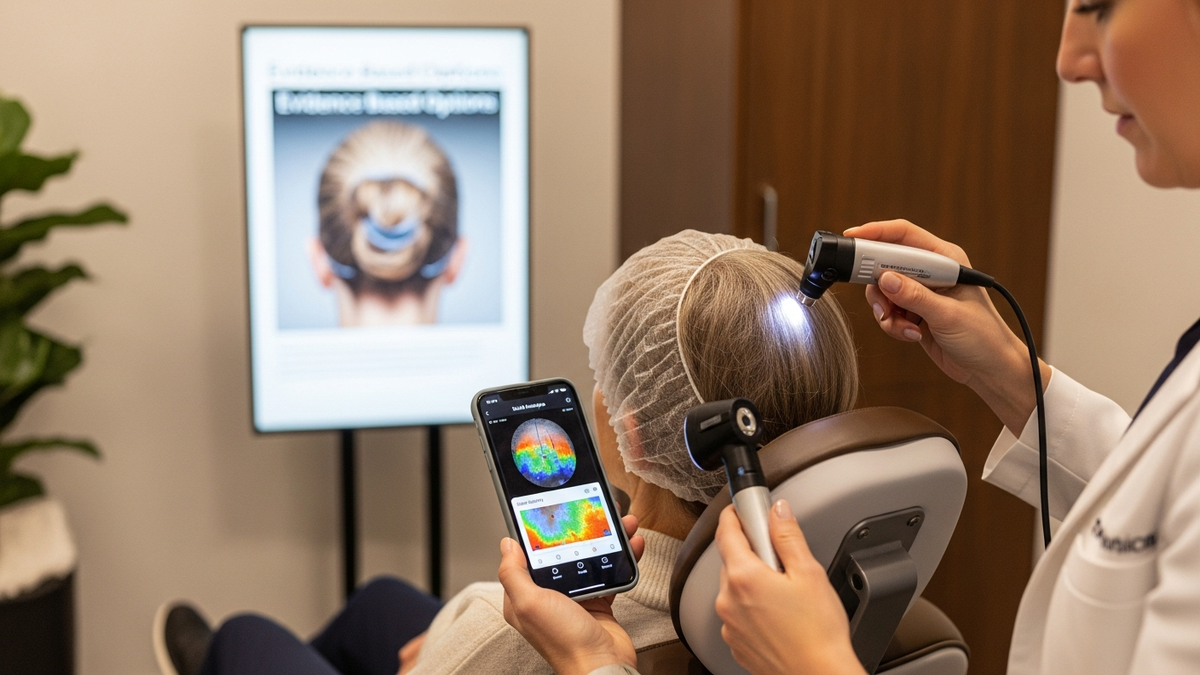
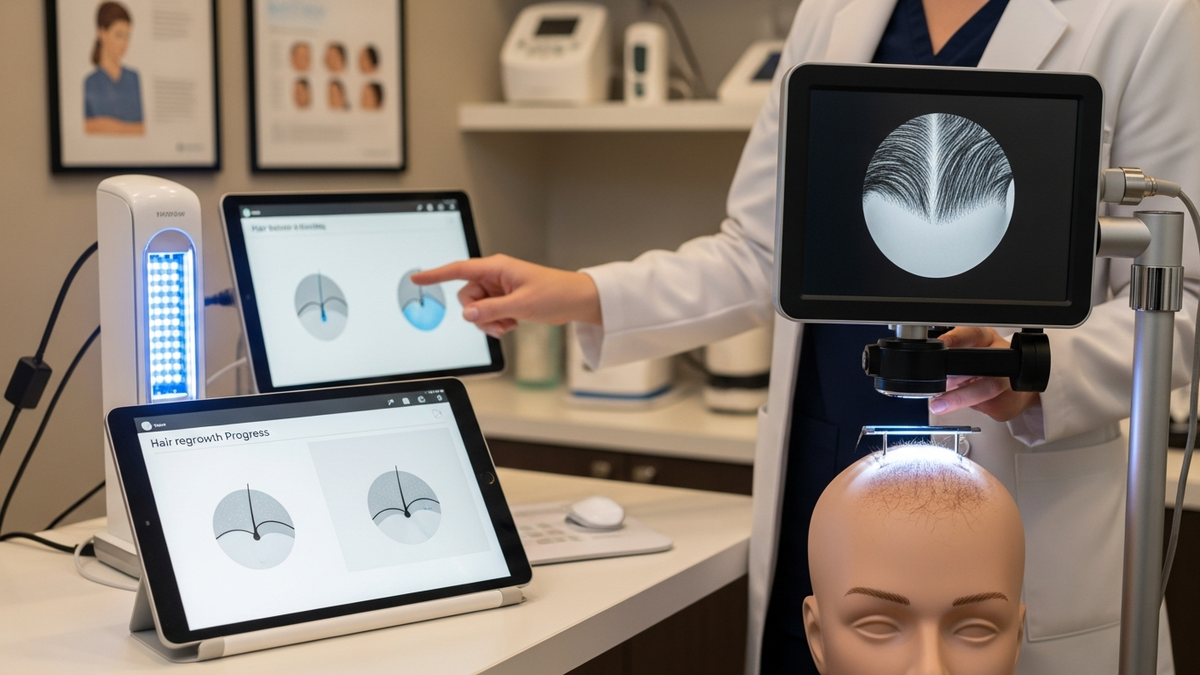
A clinician may examine the scalp for inflammation, scaling, miniaturization patterns, and hair breakage. Tools such as dermoscopy can help visualize follicle structure.
Step 3: Laboratory tests when needed
Blood tests are commonly considered to evaluate iron status and other contributors. A clinician may check for markers like ferritin (iron storage), thyroid function, vitamin D, and others depending on the teen’s symptoms and risk factors.
Step 4: Targeted evaluation for special cases
If fungal infection is suspected, clinicians may perform tests to confirm it. If scarring alopecia is suspected, additional evaluation may be needed because early treatment can be crucial to preserving follicles.
Teenage hair loss treatment options: what’s evidence-based
Because teenage hair loss has multiple causes, treatment differs by diagnosis. Below are common options clinicians may use, always tailored to age, sex, severity, and medical history.
Home care foundations that support almost every plan
Even when medications are required, supportive care can reduce shedding and breakage:
- Gentle washing: Use a mild shampoo and avoid aggressive scrubbing.
- Scalp hygiene: If dandruff or inflammation is present, medicated anti-inflammatory or anti-fungal shampoos may help (as guided by a clinician).
- Reduce traction: Loosen hairstyles; avoid tight ponytails, braids, or extensions that pull the hairline.
- Heat and chemical moderation: Limit high-heat styling and chemical processing while treatment is underway.
- Protein and balanced nutrition: Hair is made of keratin, so overall nutrition supports growth.
Topical therapies for pattern thinning (and related conditions)
For androgenetic alopecia, topical treatments may be considered. A dermatologist will weigh benefits and risks, particularly in teens, and may recommend a monitored approach.
Immune-focused treatments for alopecia areata
For alopecia areata, treatment often aims to manage immune activity. Options may include topical immunomodulators, intralesional therapies, and other dermatologist-directed approaches depending on extent and response.
Anti-inflammatory treatments for scalp disease
If seborrheic dermatitis, psoriasis, or other inflammatory scalp conditions are contributing, treatment may include medicated shampoos or topical anti-inflammatory agents. Improving scalp health can reduce itch, flaking, and secondary shedding.
Correcting deficiencies when labs show a need
If iron deficiency or other deficiencies are confirmed, clinicians may recommend targeted supplementation. It’s important not to start high-dose supplements without guidance—especially in teens—because unnecessary supplementation can be harmful.
When to consider procedural options
Most teen cases improve with medical therapy and lifestyle adjustments. However, some families ask about procedural solutions. For certain adults with established pattern loss, hair restoration procedures can be considered. For example, clinics may offer hair transplant services using techniques such as FUE or FUT.
Important: In teenagers, procedural decisions are complex and should only be made after a dermatologist confirms the diagnosis, evaluates growth patterns, and considers age-related factors. A specialist can help determine whether a teen should focus on medical stabilization first.
What to do right now: a practical teenage hair loss action plan
If you’re dealing with teenage hair loss, this step-by-step plan can help you move from uncertainty to a structured approach.
Step 1: Track symptoms for 2–4 weeks
- Note when shedding started and whether it follows illness, stress, or diet changes.
- Take consistent photos of the part line, hairline, and crown in similar lighting.
- Record scalp symptoms: itch, burning, flaking, tenderness, or pimples.
Step 2: Review hair-care and styling habits
- Reduce tight hairstyles and traction.
- Limit heat and chemical treatments.
- Use a detangling method that reduces breakage (wide-tooth comb, conditioner, gentle technique).
Step 3: Consider a clinician visit early
Schedule a dermatology evaluation if hair loss is progressing, if there are bald patches, if the scalp is inflamed, or if shedding is persistent beyond a typical shedding window. Early care improves the likelihood of addressing the root cause.
Step 4: Ask targeted questions at the appointment
Bring your notes and ask:
- “What diagnosis best explains my pattern of hair loss?”
- “Do you recommend lab tests? Which ones and why?”
- “What is the expected timeline for improvement?”
- “Which products or treatments should I avoid while we treat the cause?”
Step 5: Follow a consistent treatment routine
Hair growth is slow. Adherence matters. If you start a treatment plan, follow the schedule and track results. If there’s no improvement after an appropriate trial period, ask whether the diagnosis or plan needs adjustment.
Timeline: how long teenage hair loss treatment takes
Many teens expect instant results, but hair cycles take time. While some scalp symptoms can improve quickly, visible density changes often require months.
- Early weeks: Reduced inflammation or itch; less noticeable shedding may begin.
- 1–3 months: In shedding-related conditions, you may start to see stabilization.
- 3–6+ months: More visible regrowth or density improvements, depending on cause.
Your dermatologist can provide a more specific timeline based on the diagnosis.
Emotional impact and stigma: supporting teens through treatment
Hair loss affects confidence, social comfort, and mental well-being—especially in adolescence. It’s common for teens to feel anxious about appearance, avoid photos, or struggle with self-esteem.
What helps:
- Normalize the experience: hair loss is medical, not “vanity.”
- Use supportive language at home and school.
- Consider counseling support if distress is significant.
- Maintain routines: consistent care and treatment adherence builds a sense of control.
At FUEsion Hair Clinics, we emphasize that the best teenage hair loss treatment plan is both clinical and compassionate.
When to seek urgent or faster care
Some situations warrant prompt evaluation:
- Rapid progression over days to weeks
- Patchy smooth bald spots (possible alopecia areata)
- Scalp pain, burning, or bleeding (possible scarring processes)
- Severe inflammation, pus-like bumps, or suspected infection
- Systemic symptoms (fatigue, weight changes, fever) along with hair loss
External evidence and key statistics (why diagnosis matters)
Hair loss is common, and many causes are treatable—especially when identified early.
Evidence on hair loss prevalence and impact
According to the American Academy of Dermatology, hair loss is common and affects people of all ages, including teens, and the best approach is to identify the cause rather than treating blindly (American Academy of Dermatology, Hair Loss overview).
Evidence on telogen effluvium patterns
According to DermNet NZ, telogen effluvium is characterized by increased shedding following a trigger and often improves once the underlying cause is addressed (DermNet NZ, Telogen effluvium).
Statistic: iron deficiency and shedding risk
Iron deficiency is widely recognized as a contributor to hair shedding in some individuals. The World Health Organization reports that iron deficiency is one of the most common nutritional disorders globally, which helps explain why clinicians frequently consider iron status when evaluating shedding (World Health Organization, Iron deficiency and anaemia information).
Practical takeaway: Because different conditions require different treatments, diagnosis is the foundation of effective teenage hair loss treatment.
How to choose products safely during teenage hair loss treatment
When hair loss is under evaluation, avoid “random” product changes that complicate tracking results. A safer approach is to keep your routine simple and clinician-aligned.
Shampoo choices
- If dandruff or scalp inflammation is present, ask a dermatologist whether a medicated shampoo is appropriate.
- Otherwise, choose a gentle, fragrance-light shampoo and focus on scalp comfort.
Conditioners and detangling
- Conditioners can reduce breakage when used after shampoo.
- Detangle gently with a wide-tooth comb to minimize additional hair loss from breakage.
Supplements: proceed with clinician guidance
Supplements can help when a deficiency exists, but they can also be unnecessary. A clinician can recommend tests and dosing based on your specific needs.
Clinic support and global care options
For families seeking specialized evaluation, premium hair clinics may offer advanced diagnostics and treatment planning. TestBiz Hair Clinic, for instance, provides hair restoration services including FUE and FUT procedures and serves clients worldwide with state-of-the-art technology.
If you’re exploring options for the future, it can still be helpful to start with a medical diagnosis first—especially for teens—so that treatment targets the correct cause before considering procedural interventions.
Frequently Asked Questions
Is teenage hair loss treatment different from adult treatment?
Often, yes. Teens may have different causes (such as stress-related shedding, scalp inflammation, or early genetic thinning), and clinicians consider age, growth, and safety when selecting therapies. A dermatologist can tailor treatment to the teen’s diagnosis and medical history.
How can I tell shedding from thinning?
Shedding usually means more hairs come out during washing or brushing, while thinning often shows reduced density over time (such as a wider part or scalp visibility). Photos taken in consistent lighting can help track changes, and a clinician can confirm the pattern during exam.
What should parents do if their teen is losing hair?
Support the teen emotionally and schedule a dermatology evaluation rather than trying random products. Keep notes on timing, triggers, and scalp symptoms so the clinician can determine the most likely cause and the best teenage hair loss treatment plan.
Do vitamins help if my teen’s labs are normal?
If lab tests show no deficiency, additional vitamins may not improve hair loss and could complicate treatment tracking. Clinicians typically recommend supplements only when there is evidence of a deficiency or another specific medical reason.
When should we seek care urgently?
Seek faster evaluation if hair loss is rapidly worsening, if there are smooth bald patches, if the scalp is painful or bleeding, or if infection is suspected. Early assessment can be especially important when conditions require prompt treatment.
CTA: Get a personalized next-step plan
If you’re ready to move from uncertainty to clarity, consider booking an evaluation with a qualified dermatologist or a specialized hair clinic. A proper diagnosis is the fastest route to an effective teenage hair loss treatment plan.
Explore hair restoration services
Note: This article is educational and does not replace medical care for individual cases.
Professional Disclaimer
This content is provided for general educational purposes only by FUEsion Hair Clinics. It is not a substitute for professional advice, diagnosis, or treatment. Readers are advised to consult qualified professionals for personalized recommendations.
Medical Information Disclaimer
This content is provided for general educational purposes only by FUEsion Hair Clinics. It is not a substitute for professional advice, diagnosis, or treatment. Readers are advised to consult qualified professionals for personalized recommendations.