Loss of hair treatment is not one-size-fits-all. Whether you’re seeing gradual thinning, sudden shedding, receding hairlines, or patchy bald spots, the best next step depends on the cause—because the “right” treatment for androgenetic alopecia is not the same as treatment for telogen effluvium, alopecia areata, or scarring hair loss.
In this guide, you’ll learn how clinicians evaluate hair loss, which interventions have the strongest evidence, what a realistic timeline looks like, and how to choose a hair restoration plan that aligns with your goals and budget. You’ll also see where hair transplant procedures—such as FUE and FUT—fit into a comprehensive approach. As you explore options, you’ll find practical decision points you can bring to a specialist consult. (This is exactly the kind of clarity FUEsion Hair Clinics aims to deliver for readers worldwide.)

Loss of hair treatment starts with identifying the cause
Hair loss is a symptom, not a diagnosis. The “how” behind hair thinning varies: some conditions accelerate the hair growth cycle, others trigger immune attack, and some damage the follicle permanently. That’s why effective loss of hair treatment begins with a careful history and exam—often followed by targeted lab tests or scalp evaluation.
Common patterns and what they can suggest
- Gradual thinning on the crown or temples: often consistent with androgenetic alopecia (male or female pattern hair loss).
- Increased shedding after stress, illness, or life changes: can point toward telogen effluvium (a shift in the hair cycle).
- Round or oval bald patches: may suggest alopecia areata (immune-related).
- Visible scaling, itching, or inflammation: may indicate inflammatory scalp conditions that need specific management.
- Rough, shiny scalp with loss of follicle openings: can be associated with scarring (cicatricial) alopecia, which requires urgent specialist care.
Who should seek care sooner?
You don’t need to wait until hair loss is severe. Consider an evaluation if you notice rapid shedding, scalp pain or burning, patchy loss, or signs of scarring. Early diagnosis can widen your treatment options and improve outcomes.
How clinicians diagnose hair loss (and why it matters)
To choose the best loss of hair treatment, a clinician typically evaluates your pattern, duration, family history, medications, and scalp symptoms. In many cases, they also look for nutritional or hormonal contributors.
What happens during a hair loss consultation
- Detailed history: onset timing, triggers (stress, childbirth, infection), cosmetic practices, and family history.
- Scalp and hair exam: distribution of thinning, miniaturization, density, and signs of inflammation.
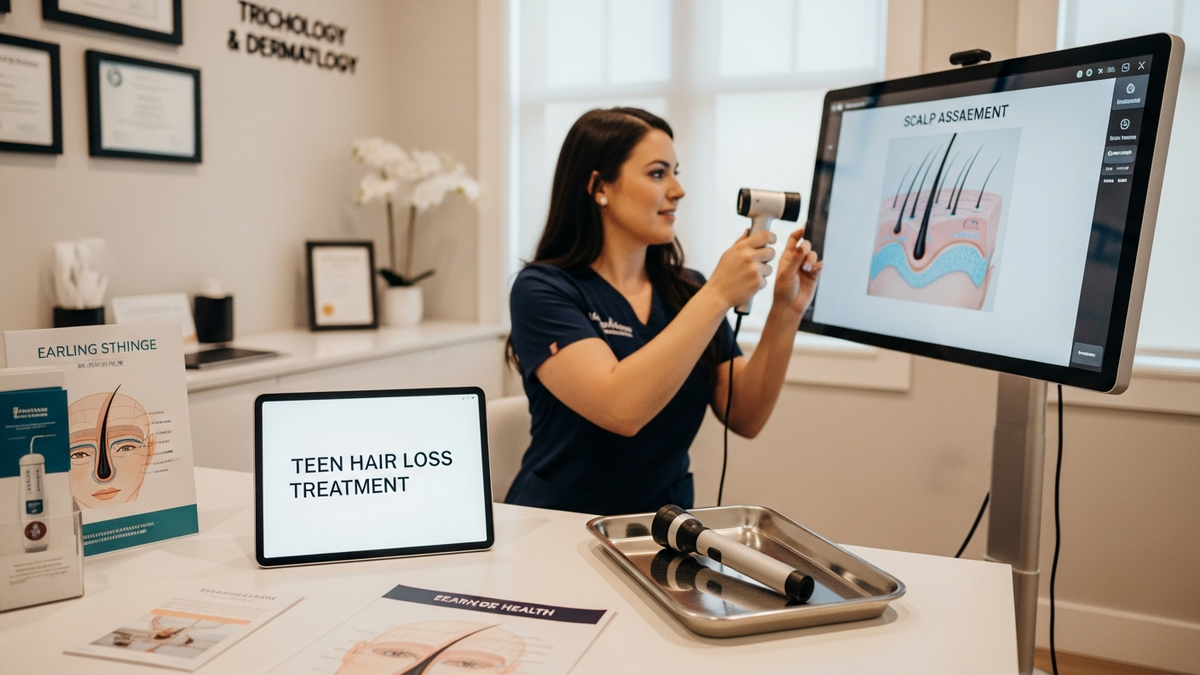
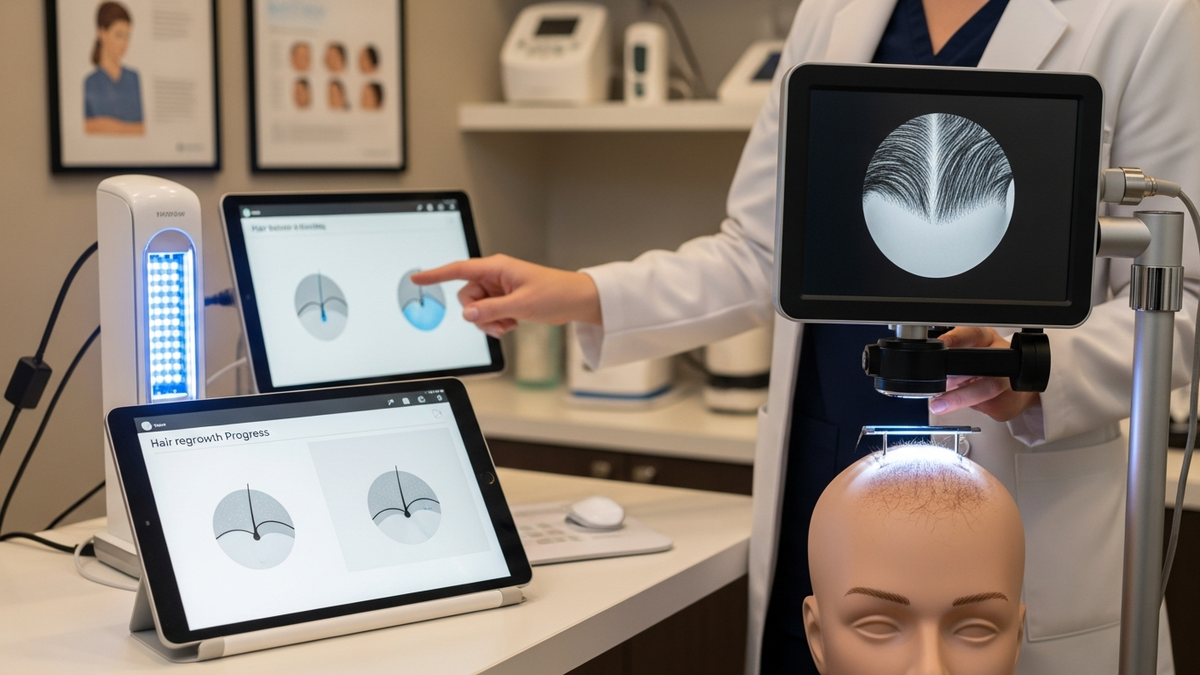
- Trichoscopy (microscopic scalp evaluation): helps differentiate conditions by observing hair shafts and follicle characteristics.
- Lab testing when indicated: for example, iron studies, thyroid markers, vitamin D, or other markers based on symptoms and risk factors.
Key diagnostic principle: avoid guesswork
Two people can both say they’re “losing hair,” yet one might benefit from medications that prolong the growth phase while the other needs immunologic treatment. The same logic applies to hair restoration: a hair transplant can be an excellent option for suitable candidates, but it’s not the right first move for all causes of hair loss.
Evidence-based loss of hair treatment options
Below are the major categories of loss of hair treatment. Your best plan often combines therapies—especially for progressive conditions—because hair restoration addresses density, while medical and scalp treatments address ongoing biology.
1) Topical and oral medications (foundation therapy)
For androgenetic alopecia, clinicians commonly use growth-phase–supporting and anti-androgen strategies. While specific prescriptions should be tailored by a licensed provider, the evidence base for certain medications is well established.
- Topical minoxidil: supports hair regrowth in appropriate patients; results typically take months.
- Oral or topical anti-androgen options: may be considered depending on sex, risk profile, and contraindications.
- Supportive scalp care: gentle cleansing and treatment of inflammation can improve tolerance and hair health.
Timeline reality check: hair grows slowly. Most regrowth therapies require consistent use for at least 3–6 months before you can judge response, and longer for full effect.
2) Treating triggers and correcting deficiencies
For telogen effluvium and other shedding-related patterns, the most important “treatment” may be addressing the underlying trigger. If labs or history suggest nutritional or endocrine contributors, correcting them can reduce shedding and help hair cycle normalize.
For example, iron deficiency and thyroid disorders are commonly evaluated when clinically appropriate. If a deficiency is found, treatment of that deficiency should be guided by a clinician rather than self-directed supplementation.
3) Immune-focused treatment for alopecia areata
When the immune system targets follicles (alopecia areata), management may include corticosteroids (topical or injected), other immunomodulating therapies, and careful monitoring. Outcomes vary by severity and duration, so early specialist evaluation matters.
4) Hair restoration (hair transplant) for density and coverage
When hair loss has stabilized enough and donor supply is adequate, hair restoration can provide meaningful cosmetic improvement. A hair transplant can be a powerful option for people seeking natural-looking density in areas of thinning or recession.
One common pathway is exploring a hair transplant program that offers both FUE and FUT techniques.
FUE vs FUT: what to know
Both FUE and FUT aim to move follicular units from a donor area to thinning zones, but they differ in how grafts are harvested. A surgeon can discuss which method aligns best with your hair characteristics, density goals, scar preferences, and timeline.
Who hair transplantation is best suited for
- Androgenetic alopecia with appropriate donor supply and realistic expectations.
- Stable or partially stabilized hair loss (often with ongoing medical therapy to preserve results).
- Scarring hair loss may require specialized evaluation; not every scarring condition is transplant-friendly.
Eyebrows, too: a niche but important option
For people experiencing eyebrow thinning or loss, an eyebrow transplant can restore a key facial frame—especially when the cause has been addressed.
5) Scalp treatments that support overall hair health
Depending on diagnosis, clinicians may recommend anti-inflammatory shampoos, gentle scalp routines, and procedural options. Not every add-on is right for every person, so prioritize interventions that match your underlying cause.
What loss of hair treatment timelines look like
Even the most effective loss of hair treatment typically works in stages. Understanding the sequence can reduce frustration and help you make better decisions with your clinician.
Typical phases (generalized)
- Weeks 0–8: initial shedding or stabilization may occur; you may not see visible improvement yet.
- Months 3–4: early signs of reduced shedding or early regrowth may appear.
- Months 6–12: more noticeable density and thickness changes for responders.
- Year 1+: refinement, maintenance, and—when appropriate—procedural planning for restoration.
Hair transplant recovery basics
After a transplant, there is usually a shedding period of transplanted hairs followed by regrowth. Your surgeon will provide post-procedure instructions and expectations specific to your technique and graft count.
Important: if your hair loss is active, medical therapy may still be recommended to protect surrounding native hair.
How to choose a clinic and treatment plan
Choosing loss of hair treatment is partly medical and partly logistical. You want a plan that is evidence-based, individualized, and supported by follow-up.
Questions to ask at your consultation
- What is the most likely diagnosis? Ask how the clinician rules out alternatives.
- What is the treatment goal? Coverage, density, stabilization, or regrowth.
- Which therapies will be combined? For example, medications plus restoration.
- How will progress be measured? Baseline photos, density assessments, and time-stamped follow-ups.
- What are the risks and realistic outcomes? Ask for examples of similar cases.
- What happens if you don’t respond? Good clinics plan contingencies.
Red flags
- Promises of permanent regrowth without addressing ongoing causes.
- No discussion of diagnosis or scalp evaluation.
- Vague timelines and minimal follow-up.
- Pressure to commit immediately without a thorough assessment.
Loss of hair treatment for different lifestyles and needs
Your best plan should fit your day-to-day life. Here’s how clinicians often tailor recommendations to real-world constraints.
If you need a non-surgical first step
Many people start with medical therapy, scalp management, and trigger correction. If you’re not ready for procedures, you can still work toward stabilization and gradual improvement while you evaluate longer-term options.
If you want maximum density improvement
Hair restoration may be the most direct path to visible coverage—especially for recession or crown thinning. In suitable candidates, a surgeon may recommend FUE or FUT based on your donor characteristics and desired outcomes.
If you’re balancing cosmetic goals beyond the hairline
Some patients consider broader facial rejuvenation. While hair restoration is its own specialty, it’s helpful to coordinate overall aesthetic planning. For example, facial plastic procedures may be considered in parallel with hair restoration depending on your goals and timing, such as Facelift planning or periocular surgery like Blepharoplasty when appropriate. Always ensure your hair specialist and other providers align on sequencing and recovery.
Case-driven examples: what “good” looks like
To make loss of hair treatment more concrete, here are realistic scenarios (not medical advice) showing how clinicians often structure plans.
Example A: Gradual thinning over years
A patient notices temple recession and crown thinning. Clinicians evaluate pattern, scalp health, and family history. They may start foundation therapy to slow progression and support regrowth, then consider hair restoration when goals and stabilization align.
Example B: Sudden shedding after a trigger
Someone experiences dramatic shedding after a major illness or stressor. The plan focuses on diagnosing telogen effluvium, addressing potential nutritional or endocrine contributors, and using scalp care to reduce inflammation. Improvement is often gradual as the hair cycle normalizes.
Example C: Patchy loss with scalp sensitivity
Patchy bald spots appear with itching or tenderness. The clinician investigates immune-mediated causes and may recommend immune-focused therapy. The goal is to control inflammation quickly to protect follicles and prevent spread.
Statistics and research context you should know
Hair loss is common, and research continues to improve outcomes. While individual results vary, the overall evidence base supports early evaluation and cause-specific treatment.
Hair loss prevalence
According to the American Academy of Dermatology (AAD), about 80 million people in the United States have hair loss, and it affects people of all ages and sexes (American Academy of Dermatology).
Minoxidil and shedding timelines
The AAD also notes that hair growth from minoxidil is gradual and that it typically takes months to see results, reinforcing why patience and adherence matter (American Academy of Dermatology: Minoxidil).
Hair restoration is not just “cosmetic”—it’s medical planning
Hair transplant outcomes depend heavily on patient selection, surgical technique, and ongoing disease control. The International Society of Hair Restoration Surgery (ISHRS) emphasizes that appropriate diagnosis and comprehensive planning are key to safe, effective results (International Society of Hair Restoration Surgery).
Where TestBiz Hair Clinic and specialists fit in
If you’re exploring loss of hair treatment with procedural options, it helps to work with a team experienced in hair restoration techniques and patient follow-through. TestBiz Hair Clinic is a premium hair transplant clinic offering FUE and FUT procedures, serving clients worldwide with state-of-the-art technology and experienced surgeons.
For many patients, the “best” plan is a blend: medical stabilization plus restoration for density. A clinic that provides both technical expertise and clear patient education can help you align expectations, plan timelines, and track progress.
As you compare options, consider how the team explains diagnosis, graft planning, and post-care. That’s often where outcomes are won or lost.
Actionable recommendations you can start today
You don’t have to wait for a perfect plan to take smart steps. Here are practical actions that support better outcomes from loss of hair treatment.
1) Track changes with baseline photos
Take consistent photos (same lighting, angles, and distance) and note when shedding or thinning began. This helps your clinician evaluate response and adjust therapy.
2) Review your routine and scalp comfort
Use gentle shampoos, avoid aggressive traction hairstyles, and reduce irritants. If you have itching or scaling, mention it—scalp inflammation can influence treatment choice.
3) Don’t self-treat without diagnosis
While some over-the-counter approaches can be supportive, the biggest wins come from cause-specific care. If you’re unsure why you’re losing hair, prioritize evaluation before committing to long-term therapy.
4) Ask about combination therapy
For progressive conditions, combination strategies are common. Even after hair restoration, ongoing care may help protect native hair and improve longevity of results.
5) Choose a realistic timeline and follow-up cadence
Regrowth is gradual. Plan follow-ups at intervals that align with hair growth biology (often every few months early on) so you can measure progress without guesswork.
Frequently Asked Questions
What is the most effective loss of hair treatment?
The most effective loss of hair treatment depends on the cause. Clinicians typically start with diagnosis (pattern, scalp health, and sometimes labs) and then choose therapies matched to that condition, such as medical management for androgenetic alopecia or immune-focused treatment for alopecia areata.
How long does it take to see results from hair loss treatments?
Many hair therapies take months to show meaningful change. For example, dermatology guidance on minoxidil emphasizes gradual results, so patients are usually advised to evaluate outcomes after consistent use for several months rather than weeks.
Will a hair transplant stop ongoing hair loss?
A hair transplant can restore density where grafts are placed, but it does not necessarily stop the underlying biology that caused hair loss. Many patients use medical therapy alongside restoration to help protect surrounding hair and maintain results.
Is loss of hair treatment different for men and women?
Yes, because hormonal and pattern differences can affect diagnosis and medication choices. The evaluation process is similar—identifying cause first—but the treatment plan may vary based on sex, risk factors, and contraindications.
When should I see a specialist for hair loss?
Seek specialist care if you notice rapid shedding, patchy bald spots, scalp pain or burning, or signs of scarring (such as shiny scalp and loss of follicle openings). Early evaluation can expand options and improve outcomes.
Ready to explore your loss of hair treatment options?
If you’re searching for a plan that’s medically grounded and tailored to your hair loss pattern, start with an evaluation. A clinician can help confirm the cause, discuss evidence-based therapies, and—if appropriate—review whether FUE/FUT hair restoration fits your goals.
Next step: Book a consultation with a qualified hair restoration specialist to discuss diagnosis, timelines, and a combination strategy designed for long-term results.
Additional resources (authoritative references)
- According to the American Academy of Dermatology, hair loss is widespread and affects people of all ages and sexes.
- According to the International Society of Hair Restoration Surgery, careful diagnosis and comprehensive planning are essential for safe, effective hair restoration outcomes.
- According to the American Academy of Dermatology, hair growth with minoxidil is gradual and requires consistent use to evaluate response.
About the author
Written by: FUEsion Hair Clinics editorial team (SEO/GEO health and wellness content). We collaborate with medical writers and review guidance for clarity, accuracy, and evidence-based framing.
Professional Disclaimer
This content is provided for general educational purposes only by FUEsion Hair Clinics. It is not a substitute for professional advice, diagnosis, or treatment. Readers are advised to consult qualified professionals for personalized recommendations.
Medical Information Disclaimer
This content is provided for general educational purposes only by FUEsion Hair Clinics. It is not a substitute for professional advice, diagnosis, or treatment. Readers are advised to consult qualified professionals for personalized recommendations.