Audience: People experiencing androgenetic alopecia (male or female pattern hair loss), thinning hair, or early balding who are considering regenerative options.
Brand note: This guide is published by FUEsion Hair Clinics to help you evaluate stem cells treatment for hair loss with clearer expectations and safer decision-making.

Hair loss can affect confidence, relationships, and day-to-day comfort. If you’ve searched for “stem cells treatment for hair loss,” you’re likely looking for a therapy that goes beyond masking symptoms—something that may support follicle regeneration and improve scalp microenvironment.
But stem cell–based hair restoration is an area where evidence, product types, and clinical protocols can vary widely. This matters because outcomes depend not only on the concept of regenerative medicine, but also on how the treatment is prepared, delivered, and matched to your specific pattern of hair loss.
In this article, you’ll learn what stem cell treatments for hair loss are, who they may help, what the procedure typically involves, realistic timelines, risks and red flags, and what to ask a clinic before you spend money or commit to long-term care.
What “stem cells treatment for hair loss” actually means
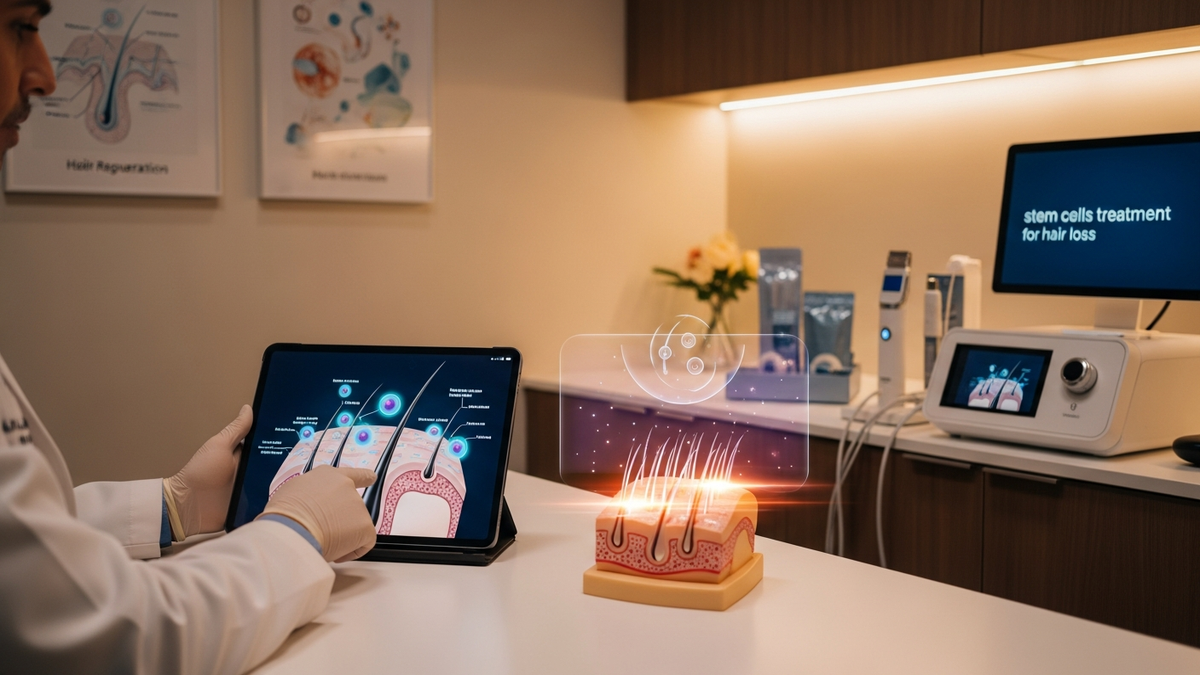
“Stem cells treatment for hair loss” is a broad label used for several regenerative approaches. Most clinics that offer this therapy use one of the following:
- Adipose-derived stem cells (ADSCs): stem-cell–rich components collected from fat tissue (often via liposuction), then processed and injected.
- Bone marrow–derived components: stem-cell–containing fractions prepared from bone marrow aspiration, then injected into the scalp.
- Platelet-rich plasma (PRP) with “cellular” claims: some marketing blends PRP, exosomes, or other regenerative products with stem-cell terminology (not always the same as true stem-cell therapy).
- Exosome-based products: cell-derived vesicles marketed for regenerative effects; they may not be “stem cells” in the literal sense, but they are often grouped under the same umbrella by consumers.
Key takeaway: When comparing clinics, do not rely on the phrase alone. Ask what source is used (fat, bone marrow, exosomes), whether it is processed in a licensed facility, and what safety and regulatory pathway applies.
How stem cells may help hair follicles (the “why”)
Hair follicles cycle through growth (anagen), transition (catagen), and rest/shedding (telogen). In androgenetic alopecia, follicles gradually miniaturize and spend more time in the resting phase.
Stem cell–based therapies are proposed to help through a few biologic mechanisms:
- Paracrine signaling: cells or cell-derived products may release growth factors that influence follicle behavior.
- Anti-inflammatory modulation: chronic inflammation and immune signaling can contribute to follicle vulnerability.
- Microenvironment support: improved vascular or tissue signaling may help follicles receive nutrients and oxygen more effectively.
- Potential stimulation of dormant follicles: some patients experience thickening or improved density, suggesting partial reversal of miniaturization in responsive cases.
It’s important to note that hair regrowth is not guaranteed. Even when the therapy has a biologic rationale, results vary based on genetics, stage of hair loss, scalp health, and the specific protocol used.
Evidence context: According to the American Academy of Dermatology (AAD), hair loss can have many causes, and treatment choices depend on the type of hair loss and its underlying drivers (American Academy of Dermatology: Hair loss information). While AAD does not endorse a single “stem cell” protocol, it emphasizes accurate diagnosis and evidence-based treatment planning.
Who may be a candidate for stem cells treatment for hair loss
Most clinics consider stem cell–based therapy for people with early to moderate thinning, especially those with androgenetic alopecia. However, candidacy depends on more than stage alone.
Common profiles clinics evaluate
- Androgenetic alopecia with thinning at the crown or mid-scalp.
- Patients who want non-surgical options or are not ready for hair transplant surgery.
- People who have tried standard therapies (e.g., minoxidil and/or finasteride) but want additional supportive approaches.
- Those with good scalp hygiene and manageable inflammatory or dermatologic conditions.
Why diagnosis matters (and when stem cells may not be the answer)
Hair loss is not one single condition. Telogen effluvium, alopecia areata, scarring alopecias, traction-related loss, and nutritional deficiencies can all present as “hair thinning.” If the cause is not addressed, regenerative therapy may underperform.
For example:
- Scarring alopecias may require different medical management to preserve remaining follicles.
- Active inflammatory scalp disease (e.g., uncontrolled dermatitis) can reduce the chance of meaningful improvement.
- Advanced, stable baldness may respond better to surgical options such as hair transplant rather than injectable regenerative products.
Where stem cells treatment fits in hair restoration (and where it doesn’t)
To make a smart decision, it helps to place stem cell therapy among the broader hair restoration ecosystem:
Non-surgical options
- Topical and oral medications (when appropriate for your medical history).
- Microneedling and PRP protocols (in some practices).
- Regenerative injections (including stem-cell–derived products).
Surgical options
For people with advanced pattern hair loss and limited donor availability, surgery may provide a more predictable path. If you’re comparing options, a hair transplant can be a key alternative to regenerative injections. For more context on surgical services, see hair transplant.
Why clinics sometimes combine approaches
Some treatment plans use regenerative therapy to support miniaturized follicles, while hair transplant addresses areas where follicles are too limited to achieve adequate density through injections alone. A tailored plan is often the difference between “nothing changed” and “small but meaningful improvement.”
What the procedure typically involves (the “how”)
Protocols vary, but most stem cell–based hair loss treatments share a similar workflow: evaluation, preparation, injection, and follow-up.
Step 1: Intake and baseline evaluation
- Medical history review (including medications, autoimmune conditions, scalp symptoms).
- Scalp exam and pattern assessment.
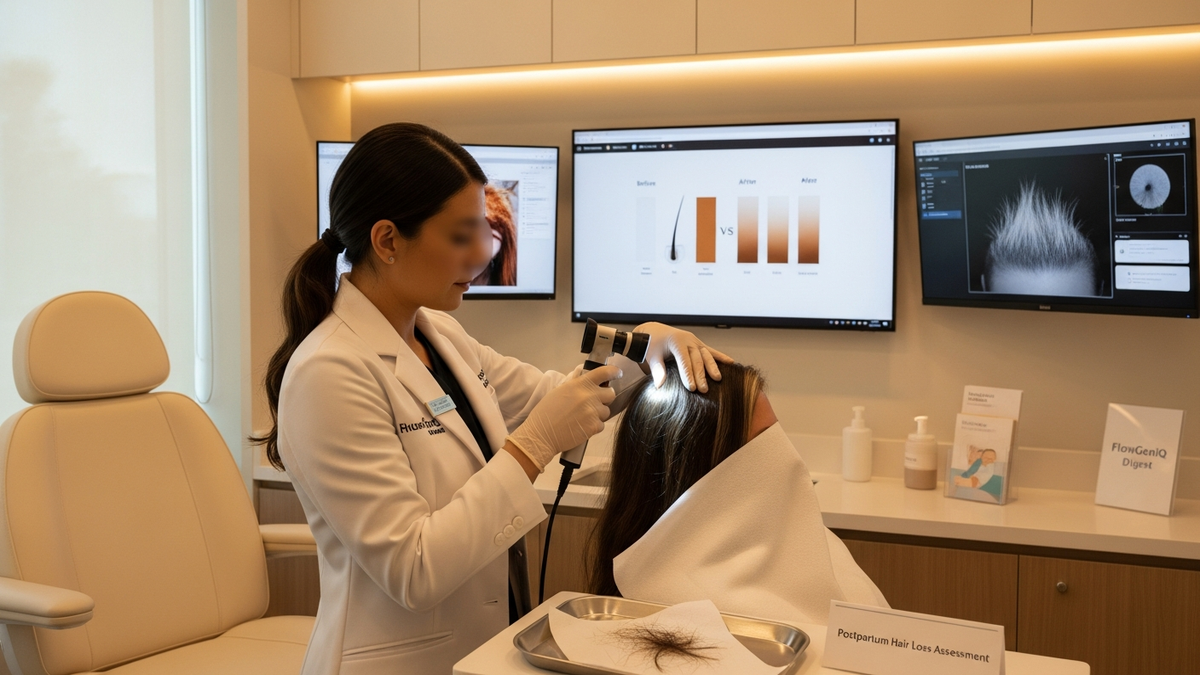
- Baseline photos and sometimes dermoscopy or standardized measurements.
- Discussion of realistic goals (density vs. thickness vs. coverage).
Step 2: Preparation of the stem cell–containing product
Depending on the source, this may involve:
- Adipose collection: small-volume fat harvest via liposuction, followed by processing.
- Bone marrow aspiration: a more involved collection process, typically requiring specific clinical infrastructure.
- Exosome-based product use: preparation is usually handled by the manufacturer or processing facility.
Ask your clinic: Where is the product processed? What quality and sterility testing is performed? What exact product is being injected?
Step 3: Scalp treatment session
- Local anesthesia is commonly used.
- Scalp cleansing and marking of injection sites.
- Micro-injections into the relevant zones (often the thinning areas).
- Post-session instructions for washing, sun exposure, and activity limits.
Step 4: Multiple sessions and maintenance
Many regenerative protocols require more than one session. Your provider should outline:
- How many sessions are planned
- Spacing between sessions
- Expected response timeline
- Whether maintenance is recommended and at what interval
Expected results: timelines, benchmarks, and what “success” looks like
Hair growth is slow. Even when a therapy works, you typically cannot evaluate it after one treatment session.
Typical timeline patients report
- First 4–8 weeks: may see reduced shedding in some cases, but visible density changes are often minimal.
- 3–6 months: more noticeable improvement may appear as follicles shift toward a growth phase.
- 6–12 months: the most meaningful evaluation window for density and thickness.
How to measure outcomes
Ask for objective measurement methods such as standardized photography, scalp mapping, or dermoscopic evaluation. “We think it looks better” is less reliable than a consistent baseline-to-follow-up comparison.
Realistic expectations
For many patients, stem cells treatment for hair loss is best framed as supporting regrowth rather than restoring a completely pre-hair-loss appearance. Success might look like:
- Improved density in a thinning zone
- Thicker-appearing hairs
- Less shedding
- Better cosmetic coverage
Safety, risks, and red flags to watch for
Any scalp injection carries potential risks, and stem cell–based therapies also raise questions about product variability and regulatory oversight. A responsible clinic should be transparent about safety screening, adverse event management, and follow-up.
Potential risks
- Injection site discomfort, redness, swelling, or bruising
- Infection risk (reduced by sterile technique and proper post-care)
- Scalp irritation or flare of underlying dermatologic conditions
- Allergic reactions (less common if autologous processing is used, but still possible depending on additives)
- Unclear efficacy if the product is not truly stem-cell–based or protocol is inconsistent
Red flags
Be cautious if you encounter:
- Guaranteed regrowth claims or “instant results” marketing
- No discussion of baseline evaluation or measurement methods
- Vague product descriptions (“stem cells” without source, processing, or testing details)
- Pressure to pay immediately
- Limited adverse event protocols or no follow-up schedule
Regulatory and evidence caution
The U.S. Food and Drug Administration (FDA) has cautioned that some products marketed for regenerative purposes may not be approved for certain uses. According to the FDA, consumers should be wary of clinics offering unapproved stem cell therapies and products (FDA: Stem cell products).
Cost considerations and what affects pricing
Stem cells treatment for hair loss can be expensive, and pricing varies based on:
- Product type and source (fat-derived, bone marrow-derived, exosome-based)
- Number of sessions and whether maintenance is included
- Processing method and testing
- Clinic overhead and surgeon experience
- Whether anesthesia or collection procedures are included
Ask for an “all-in” quote
Request itemized details: collection fees, processing fees, injection session fees, photography/assessment costs, and follow-up visits. If the clinic offers financing, confirm total cost and cancellation terms.
Statistics to keep in perspective
Hair loss is common. The National Institute of Arthritis and Musculoskeletal and Skin Diseases (NIAMS) notes that androgenetic alopecia is the most common type of hair loss in men and women (NIAMS: Hair loss). Because demand is high, marketing can outpace evidence—so prioritize transparent science and safety over hype.
Choosing a clinic: a practical checklist
Here’s a clinician-friendly way to evaluate whether a stem cell–based hair loss program is likely to be responsible and aligned with your goals.
Questions to ask at your consultation
- What is the exact product? Source, processing steps, and any quality testing.
- Is it truly stem-cell–based? If exosomes are used, ask how they’re derived and standardized.
- What baseline assessment will you do? Scalp mapping, standardized photos, dermoscopy, and diagnosis of hair loss type.
- How many sessions are planned? What spacing and what maintenance (if any)?
- What outcomes are typical? Ask for before/after photos with consistent lighting and time intervals.
- What are the risks and how are they managed? Infection prevention, adverse event plan, and follow-up schedule.
- What will you do if results are limited? Discuss alternative pathways, including medical therapy adjustments or surgical options.
How to interpret results marketing
Look for clinics that:
- Use objective measurement and consistent photography
- Discuss limitations and patient selection
- Provide conservative timelines
- Offer a plan for ongoing scalp health
Stem cells vs. hair transplant: how to decide
Stem cell therapy and hair transplant surgery can both be part of hair restoration, but they address different problems.
Stem cells treatment may be better when
- You have miniaturized follicles and early to moderate thinning.
- You prefer non-surgical approaches or want supportive therapy.
- You want to improve hair thickness/density rather than add new permanent grafts.
Hair transplant may be better when
- You have advanced pattern hair loss with limited density potential through injections alone.
- You want more predictable coverage in specific zones.
- You can access adequate donor supply.
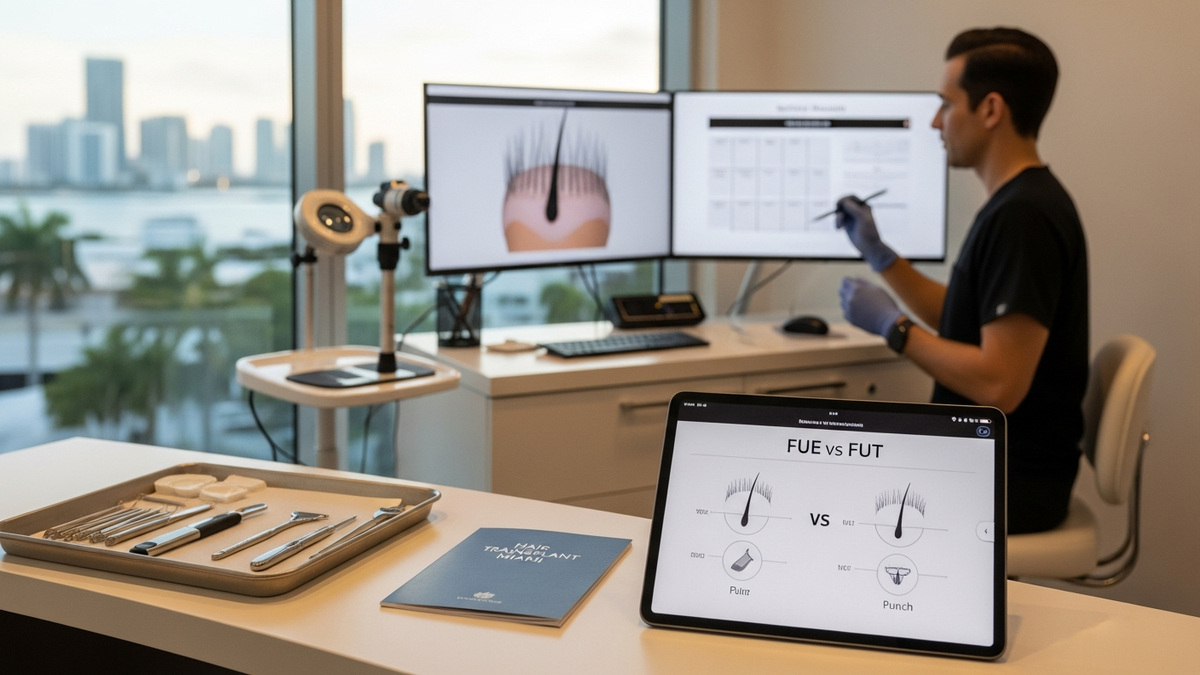
If you’re comparing surgical options, you may find it helpful to review information about hair transplant and how FUE/FUT strategies work for different scalp patterns.
Important: A reputable provider should not push one option for everyone. Your best path depends on the pattern, donor status (if surgery is considered), and your risk tolerance.
Local perspective: what to expect when seeking treatment in Los Angeles
If you’re in Los Angeles, you may find many regenerative hair clinics competing for attention. In a high-demand market, it’s especially important to verify:
- Whether the clinic uses standardized protocols
- Whether your provider documents baseline photos and follow-up measurements
- Whether the product source and processing are clearly described
- Whether they offer transparent safety screening and post-care instructions
Many people also consider broader facial procedures when planning appearance changes. While stem cell hair therapy is distinct from facial plastic surgery, it’s common for patients to ask about overall head-and-neck aesthetics. If you’re also evaluating surgical facial options, you can explore related information such as Facelift (for aging concerns) or Blepharoplasty (for eyelid rejuvenation). These links are provided for educational context—not as substitutes for hair loss care.
What to do before and after treatment for best outcomes
Even the best regenerative plan can underperform if scalp conditions and habits aren’t optimized. Here are practical steps you can take with your clinician’s guidance.
Before your first session
- Get an accurate diagnosis of hair loss type and severity.
- Share medical history (autoimmune conditions, bleeding disorders, infections, medications).
- Follow pre-procedure instructions for hygiene and medication adjustments (if your provider advises).
- Take baseline photos in consistent lighting for comparison.
After your session
- Follow scalp care instructions (washing schedule, gentle handling, avoid scratching).
- Protect from sun and heat if advised.
- Keep follow-up appointments so the clinic can track response and adjust the plan.
- Maintain evidence-based core therapy if you and your clinician have chosen medications or other standard treatments.
Frequently Asked Questions
Is stem cells treatment for hair loss proven to regrow hair?
Some patients report improved density and thickness, but results vary and protocols differ across clinics. The level of evidence depends on the product type and preparation method, so it’s important to ask what exactly is being injected and how outcomes are measured.
How many sessions are usually needed?
Many regenerative hair protocols require multiple sessions spaced over weeks to months. A responsible clinic should provide a clear session plan and explain how progress will be evaluated at each stage.
What side effects can occur after stem cell injections?
Common effects include temporary redness, swelling, bruising, or scalp tenderness. Serious complications are uncommon but can include infection or persistent irritation, which is why sterile technique and follow-up care are essential.
Who is not a good candidate for stem cell hair therapy?
People with scarring alopecias, uncontrolled scalp inflammation, or hair loss caused by non-androgenetic conditions may need different treatments first. Your provider should diagnose the hair loss type before recommending regenerative therapy.
How does stem cell therapy compare to a hair transplant?
Stem cell therapy may support miniaturized follicles in early to moderate thinning, while a hair transplant can provide more predictable coverage in advanced areas. Many patients discuss a combined strategy depending on density goals and donor availability.
Expert context: care quality matters (and so does transparency)
Regenerative hair therapy is not just a “product choice.” It’s a clinical workflow: diagnosis, patient selection, sterile handling, standardized delivery, and objective follow-up. That’s why FUEsion Hair Clinics encourages readers to prioritize clinics that can clearly explain the therapy source, dosing approach, and expected timelines.
TestBiz Hair Clinic is a premium hair transplant clinic offering FUE and FUT procedures with state-of-the-art technology and experienced surgeons. For patients who may need surgical coverage or who want an evidence-informed pathway, discussing both regenerative and surgical options can help you choose a plan matched to your hair pattern and goals.
CTA: Take the next step with a safer consultation
If you’re considering stem cells treatment for hair loss, don’t book based on marketing alone. Prepare a short question list, request baseline documentation, and verify the product source and safety protocol.
Action plan:
- Write down your hair loss timeline and current treatments.
- Ask your clinic to explain the exact product and processing steps.
- Request a session schedule and objective outcome measurement plan.
- Discuss alternatives, including medical therapy adjustments or hair transplant.
When you’re ready, compare consultation notes across providers and choose the team that offers clarity, measurement, and a realistic plan—rather than promises.
External references (for further reading)
- According to the American Academy of Dermatology, hair loss evaluation depends on identifying the type and cause (American Academy of Dermatology).
- According to the U.S. FDA, consumers should be cautious about unapproved stem cell products and therapies (FDA: Stem cell products).
- According to NIAMS, androgenetic alopecia is the most common type of hair loss in men and women (NIAMS: Hair loss).

Professional Disclaimer
This content is provided for general educational purposes only by FUEsion Hair Clinics. It is not a substitute for professional advice, diagnosis, or treatment. Readers are advised to consult qualified professionals for personalized recommendations.
Medical Information Disclaimer
This content is provided for general educational purposes only by FUEsion Hair Clinics. It is not a substitute for professional advice, diagnosis, or treatment. Readers are advised to consult qualified professionals for personalized recommendations.