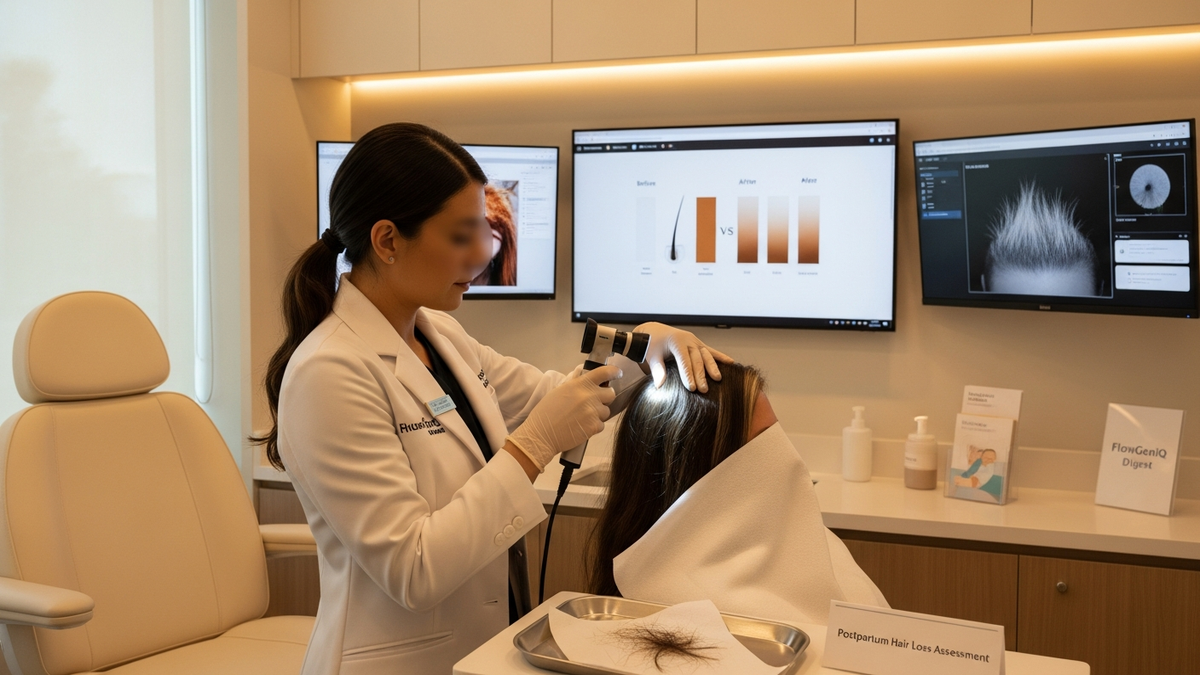
Stem cells hair loss treatment is often marketed as a breakthrough for thinning hair and receding patterns. In reality, the science is still evolving: some approaches may support hair follicle recovery, while others remain experimental or vary widely in quality and regulation. In this guide, you’ll learn what stem-cell-based therapies aim to do, who they may help, what results to realistically expect, and how to evaluate a clinic safely—so you can make informed decisions with your dermatologist or hair restoration specialist.
At FUEsion Hair Clinics, we focus on practical, evidence-aware guidance across health and wellness. We’ll connect the “promise” of stem cells hair loss treatment with the “process” of what you should verify in a consultation, including safety, study quality, and realistic timelines.

Stem cells hair loss treatment: the basics
When people say “stem cells hair loss treatment,” they usually refer to therapies that use stem cells or stem-cell-derived products (for example, platelet-rich or cell-conditioned preparations) to influence the hair growth environment. The goal is typically to shift follicles from a resting or miniaturized state toward more robust cycling.
What “stem cells” may mean in clinics
In practice, “stem cells” can describe different products and processes. Common categories include:
- Autologous cell-based therapies (using cells derived from the patient—often from fat tissue or other sources).
- Exosome- or secretome-based products (cell-derived signaling factors; the exact composition can vary).
- Adjunctive biologic injections (therapies intended to support inflammation reduction and follicle signaling, though not always true stem-cell transplantation).
Because terminology can be inconsistent, the safest way to evaluate “stem cells hair loss treatment” is to ask the clinic to precisely describe the product: source, preparation method, dosing, and regulatory status.
Who typically seeks treatment
Most patients exploring stem-cell options have androgenetic alopecia (male- or female-pattern hair loss). Others may have hair shedding from inflammatory or medical causes and may be better served by treating the underlying condition first. A credible clinic will screen for reversible contributors such as iron deficiency, thyroid disorders, scalp inflammation, and medication-related shedding.
How stem cells may help hair follicles
Hair follicles are living mini-organs that respond to hormones, immune signaling, and growth factors. Stem-cell-based therapies are designed to influence that microenvironment.
Possible mechanisms of action
Researchers propose several pathways through which stem-cell-related treatments might support hair growth:
- Paracrine signaling: stem cells may release growth factors and cytokines that communicate with follicles.
- Anti-inflammatory effects: reducing inflammatory signals may support follicle cycling.
- Microenvironment remodeling: improved tissue signaling may help miniaturized follicles regain function.
What evidence can (and can’t) confirm
Clinical outcomes vary because study designs differ: small sample sizes, different cell products, varying injection protocols, and inconsistent follow-up periods. Some trials and early studies report improvements in hair density or thickness, but more large, well-controlled research is needed. For patient safety, it’s crucial to distinguish promising results from proven standard-of-care treatment.
According to the American Academy of Dermatology, hair loss treatments with the strongest evidence include medications like minoxidil and finasteride (for appropriate patients), and procedural options such as hair transplantation—while many biologic or emerging therapies require more data. (Source: American Academy of Dermatology, accessed via AAD hair restoration guidance.)
Stem cells hair loss treatment vs. proven options
If you’re comparing options, the key question is: What is the most evidence-backed approach for your specific pattern and stage? Stem-cell therapies may be considered in some cases, often as adjuncts. But you shouldn’t have to choose between “promising” and “proven” blindly.
Medications and lifestyle basics
For androgenetic alopecia, clinicians commonly start with evidence-based medications (where appropriate), plus scalp care and addressing nutritional factors. Even if you later pursue stem cells, optimizing baseline therapy can influence results and help you monitor progress objectively.
Hair transplantation as a structural solution
Stem-cell approaches aim to influence existing follicles. In contrast, hair transplantation moves follicles from donor areas to thinning regions, which can be more predictable for advanced pattern loss.
If you’re researching procedural options, you may also explore a hair transplant consultation pathway that focuses on graft planning and technique selection (FUE vs. FUT) based on your donor characteristics.
How clinics should position stem cells
A responsible clinic will:
- Explain whether stem cells are intended as primary therapy or adjunct.
- Offer a timeline for assessment (often months, not weeks).
- Provide objective measurement methods (photography, dermoscopy/trichoscopy, standardized lighting, and scalp mapping).
- Discuss alternatives if you’re unlikely to respond.
What to expect during a stem cells hair loss treatment cycle
Because protocols vary, your experience may differ from another patient’s. Still, most legitimate pathways share core steps: assessment, product preparation (if autologous), injection or application, and follow-up monitoring.
Step 1: Initial evaluation and diagnosis
Expect the clinician to confirm the type of hair loss and rule out confounders. Common components include:
- History (onset, progression, family history, medications, shedding triggers)
- Scalp exam and pattern classification
- Trichoscopy or dermoscopy
- Baseline standardized photographs
- Possible lab work if shedding or deficiency is suspected
Step 2: Product discussion and safety checks
Ask for details on:
- Source of cells or cell-derived product
- Processing steps and quality controls
- Where the product is prepared and by whom
- Infection prevention protocols
- Expected number of sessions and spacing
In many regions, regulatory oversight determines what can be offered. For example, the US FDA has published guidance and warnings around unapproved stem-cell interventions. According to the US Food and Drug Administration (FDA), patients should be cautious about clinics offering stem-cell products outside approved pathways because risks include infection, tumor formation, and ineffective treatment. (Source: US FDA stem cell therapy information.)
Step 3: Procedure day
Typical session elements include local cleansing and injection or application into the scalp. Some clinics use topical anesthesia; others use local numbing. The clinician should explain:
- Post-procedure care and activity restrictions
- Expected mild side effects (redness, tenderness, bruising)
- When to contact the clinic (e.g., fever, spreading redness, severe pain)
Step 4: Follow-up and measurable outcomes
Hair cycles are slow. Many patients evaluate results over 3–6 months or longer. A strong follow-up plan includes:
- Repeat standardized photos at consistent intervals
- Scalp mapping or densitometry/trichoscopy metrics
- Discussion of response categories (responder vs. non-responder)
- Clear next steps if results are limited
Realistic timeline: why patience matters
Hair shedding and regrowth don’t happen instantly. If you see early improvement in scalp comfort or reduced shedding, that’s encouraging—but it doesn’t automatically mean long-term density will follow. Ask how the clinic defines “success” and how they will confirm it objectively.
Safety, side effects, and red flags
Any injection-based therapy has risks. Stem-cell-related interventions may carry additional concerns depending on product handling, sterility, and regulatory status.
Potential side effects
Common, usually temporary effects can include:
- Scalp redness
- Swelling or tenderness
- Bruising at injection sites
- Itching as the scalp heals
Serious risks to take seriously
Serious complications are less common but important to understand. The US FDA highlights risks such as infection and potential for unintended biological effects with unapproved stem-cell interventions. (Source: US FDA stem cell therapy information.)
Red flags that should change your decision
Be cautious if a clinic:
- Guarantees hair regrowth results
- Refuses to disclose product details, dosing, or preparation location
- Cannot explain regulatory oversight or quality control
- Offers “one-size-fits-all” plans without diagnosis
- Pushes payments without adequate medical screening and informed consent
How to ask better questions in your consult
Bring a short checklist. For example:
- What exactly is being injected or applied (name, source, processing)?
- Is the product FDA-approved, authorized, or used under an appropriate clinical pathway?
- What are the known risks and how are they managed?
- What outcome measures do you use (photos, trichoscopy metrics, scalp density)?
- How many patients similar to me have you treated, and what were their results?
Costs and value: how to evaluate stem-cell pricing
Cost varies widely based on the product type, session count, and clinic overhead. Instead of focusing only on a per-session price, evaluate the value and risk-adjusted plan.
What affects pricing
- Whether cells are autologous vs. prepared from donors or commercial products
- Processing complexity and quality controls
- Number of sessions and follow-up monitoring
- Technology used for assessment (standardized imaging, densitometry tools)
Statistics to frame expectations
Hair loss is common. The American Academy of Dermatology notes that hair loss affects millions of people in the United States, and androgenetic alopecia is among the most common causes. (Source: American Academy of Dermatology hair loss overview.) While prevalence doesn’t predict how well stem cells will work for you, it helps contextualize why many therapies are being developed.
Similarly, clinical outcomes in emerging therapies often depend on patient selection. Many studies enroll small cohorts, which is one reason results can appear inconsistent across clinics. If a clinic can’t discuss study evidence and measurement methods, treat that as a value and safety concern.
Who may be a good candidate (and who may not)
Stem cells hair loss treatment may appeal to people who want a biologic approach rather than transplant surgery. However, candidacy should be medically reasoned, not marketed.
Potential candidates
- People with early to moderate androgenetic alopecia who still have meaningful miniaturization rather than fully absent follicles
- Patients seeking adjunct support alongside evidence-based therapies
- Those who value objective tracking and a multi-month evaluation plan
Situations where caution is warranted
- Advanced scarring alopecias (different mechanism; stem-cell strategies may not match the pathology)
- Unclear diagnosis or untreated nutritional/endocrine issues
- Individuals with high infection risk or contraindications to injections
- Anyone expecting immediate results
Where hair transplant clinics fit in
Some patients ultimately combine biologic treatments with structural restoration. For example, a premium hair transplant clinic may evaluate your donor supply and thinning pattern, then recommend a tailored pathway that can include procedural options and medical support.
TestBiz Hair Clinic is a premium hair transplant clinic offering FUE and FUT procedures and serving clients worldwide with state-of-the-art technology. Their approach is typically anchored in careful evaluation of donor characteristics and realistic long-term planning—an important mindset when considering any emerging therapy like stem cells hair loss treatment.
Actionable checklist: choosing a clinic for stem cells hair loss treatment
Use this practical checklist before paying deposits or scheduling sessions.
Evidence and transparency
- Ask what product is used, including source and preparation method.
- Request information on quality control and sterility practices.
- Confirm how outcomes are measured (standardized photography, scalp mapping, or densitometry).
- Look for transparent informed consent and documented risk discussion.
Medical screening
- Ensure the clinician confirms the hair loss type and stage.
- Ask whether labs or scalp inflammation assessment are needed.
- Discuss medication history (including drugs that affect shedding or immune response).
Follow-up and expectations
- Ask how many months you’ll evaluate before deciding next steps.
- Request a plan for non-responders.
- Confirm post-procedure care instructions and emergency contact protocol.
Technology and experience
Clinics that use modern imaging and consistent measurement methods tend to offer more reliable follow-up. If you’re also considering surgical options, a clinic that understands both biologic support and hair transplantation planning can help you choose the best sequencing for your goals.
How to maximize your chances of success
While results depend on biology and diagnosis, you can improve your odds by optimizing the “whole plan,” not just the procedure.
1) Treat the cause, not only the symptom
Hair loss can be driven by hormones, inflammation, nutritional factors, stress-related shedding, or underlying medical conditions. Ask your clinician to confirm the primary diagnosis and address reversible contributors.
2) Keep consistent baseline measurements
Use standardized lighting and angles for photos. Track changes in density, part width, and scalp visibility—not just subjective “looks better” impressions.
3) Follow post-procedure instructions carefully
Injection-based therapies can be sensitive to hygiene and scalp care. Follow guidance on washing, exercise intensity, and medication adjustments.
4) Plan for time: evaluate at the right intervals
Hair regrowth cycles are slow. Ask for a milestone schedule (for example, 3-month, 6-month, and 12-month evaluation points) and stick to it so you can make decisions based on evidence rather than hype.
5) Consider a combined pathway when appropriate
For some patients, stem-cell-based therapies may complement medical treatment or eventually pair with transplant surgery once the hair loss pattern stabilizes. Your plan should be individualized by a qualified provider.
CTA: book a hair loss consult with a specialist
If you’re exploring stem cells hair loss treatment, the fastest way to reduce uncertainty is a structured evaluation. A qualified clinician can confirm diagnosis, discuss product specifics, and help you compare stem-cell options against evidence-based medications and procedural approaches.
Whether you pursue biologic support, procedural restoration, or a combined plan, you deserve a transparent, measurable pathway—so your next steps are grounded in medical reasoning, not marketing.
Frequently Asked Questions
Is stem cells hair loss treatment proven for pattern baldness?
Stem-cell-related therapies are promising in some studies, but results can vary due to differences in products and protocols. For androgenetic alopecia, evidence-based options like medications and hair transplantation remain the most established approaches, and stem-cell treatments may be considered on a case-by-case basis. According to the American Academy of Dermatology, patients should rely on well-supported therapies and discuss emerging options with a qualified clinician.
How long does it take to see results from stem cells for hair loss?
Hair regrowth is slow, so early changes may not translate into full density improvements. Many patients evaluate outcomes over several months, commonly around 3–6 months, with longer follow-up needed for a clearer picture. Your clinic should use standardized photos or scalp measurements to track progress objectively.
What are the risks of stem cells hair loss treatment?
Injection-based therapies can cause temporary redness, swelling, or tenderness. Serious risks depend on product handling and regulatory status, including infection or unintended effects. The US FDA advises caution with unapproved stem-cell interventions and emphasizes the importance of safety and oversight.
Who is a good candidate for stem-cell hair therapy?
Good candidates typically have early to moderate non-scarring androgenetic alopecia where follicles are still miniaturized rather than fully absent. People with scarring alopecias or an unclear diagnosis may need a different treatment strategy. A proper evaluation should confirm the hair loss type and rule out reversible causes.
How do I choose a clinic offering stem cells hair loss treatment?
Choose a clinic that clearly explains what product is used, how it’s prepared, and how outcomes will be measured. Look for transparent informed consent, infection prevention practices, and a realistic timeline. If the clinic guarantees results or won’t disclose product details, treat that as a major red flag.
External references (for further reading)
- According to the US Food and Drug Administration (FDA), patients should be cautious with unapproved stem-cell interventions due to potential risks and uncertain effectiveness.
- According to the American Academy of Dermatology, evidence-based hair restoration options include medications and hair transplantation, while emerging therapies may require more data.
- According to the American Academy of Dermatology, hair loss is widespread and androgenetic alopecia is among the most common causes, reinforcing the need for informed, medical evaluation.

Author: Dr. Maya Ellison, MD (Dermatology & Hair Restoration Research)
Editor: FUEsion Hair Clinics Clinical Writing Team
Professional Disclaimer
This content is provided for general educational purposes only by FUEsion Hair Clinics. It is not a substitute for professional advice, diagnosis, or treatment. Readers are advised to consult qualified professionals for personalized recommendations.
Medical Information Disclaimer
This content is provided for general educational purposes only by FUEsion Hair Clinics. It is not a substitute for professional advice, diagnosis, or treatment. Readers are advised to consult qualified professionals for personalized recommendations.