Author: Dr. Hootan Zandifar, Board-Certified Surgeon, FUEsion Hair Clinics
Updated for Denver patients: This guide is written for people in Denver and surrounding Colorado communities considering regenerative-style hair restoration.
Hair loss can feel personal—especially when you’re balancing work, family, and the confidence that comes with looking like yourself. If you’ve been searching for stem cell hair restoration denver, you’re likely looking for an approach that goes beyond traditional grafting and may support regrowth or improved density.
At FUEsion Hair Clinics, we take a careful, evidence-informed approach to regenerative therapies. We’ll explain what “stem cell” treatments typically involve, what the current medical evidence can (and can’t) promise, and how we decide whether a regenerative option makes sense for your specific pattern of thinning.
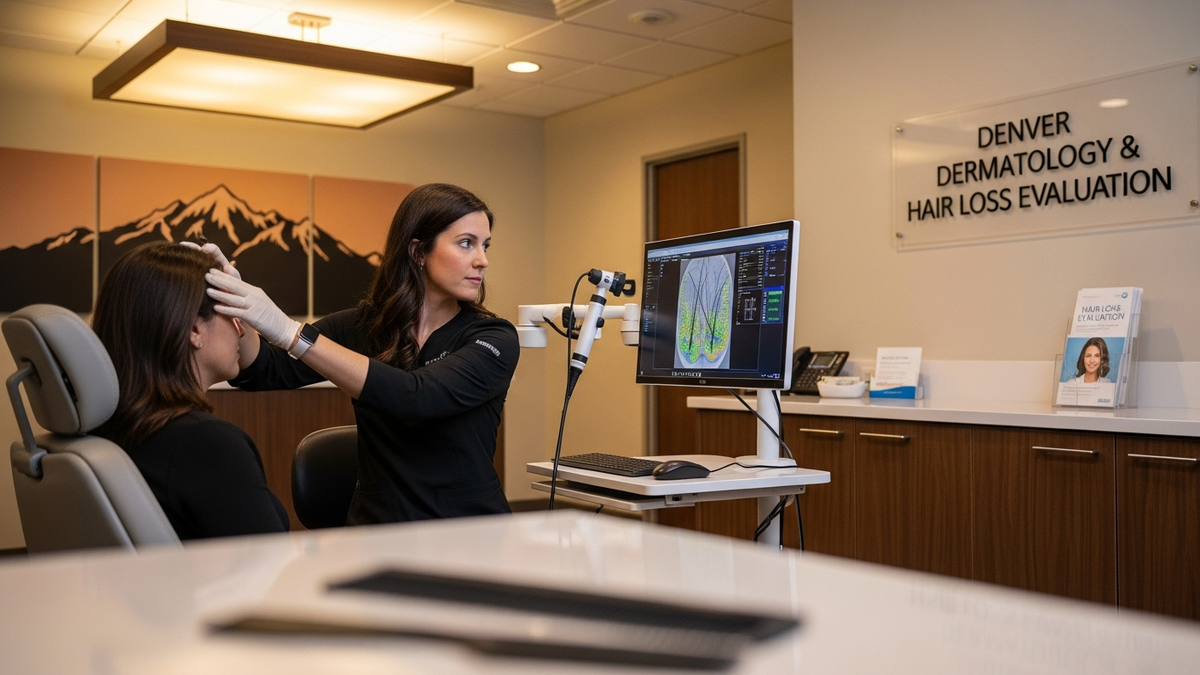
To start with the most accurate next step, we recommend a consultation where our surgeons review your scalp, donor supply, and hair-loss pattern—then map a plan built around your goals. For many patients, that plan may include advanced FUE hair transplant techniques; for others, supportive non-surgical options may be considered.
What “Stem Cell Hair Restoration” Usually Means in Denver
When people search for stem cell hair restoration denver, they’re often referring to therapies marketed as regenerative. In practice, the term can cover different approaches, including:
- Cell-based products: treatments that claim to deliver stem cells or stem-cell–derived components to the scalp.
- Autologous biologics: therapies using the patient’s own blood or tissue-derived components, sometimes described as “regenerative.”
- Growth-factor–focused regimens: protocols intended to improve the scalp environment and support existing follicles.
Because marketing language varies, the most important question is not the label—it’s the mechanism, the evidence quality, and the clinical outcomes for patients with patterns similar to yours.
Is Stem Cell Hair Restoration Proven to Regrow Hair?
Here’s the honest answer: the field is evolving, and not every “stem cell” claim is supported by the same level of clinical evidence. Some studies suggest regenerative therapies may influence hair biology—such as follicle signaling, inflammation, or growth-cycle dynamics—but results can be inconsistent, and long-term data may be limited depending on the product and protocol.
What the evidence generally supports
According to the U.S. Food and Drug Administration (FDA), many products marketed for regenerative or hair-growth purposes are not necessarily approved for that specific indication, and consumers should be cautious with claims that exceed the available evidence. According to the FDA’s guidance on stem cells and regenerative medicine, patients should ask about approval status, study design, and risk disclosures.
Why outcomes vary from person to person
Even with therapies that may be biologically active, hair loss is not one disease. Pattern hair loss (androgenetic alopecia) depends on genetics, hormone sensitivity, and follicle miniaturization. A therapy that helps some scalp environments may not fully reverse follicle miniaturization in advanced stages.
That’s why your consultation matters: we evaluate whether your follicles still have the capacity to respond, whether your donor area can support durable density restoration, and whether a combined strategy is appropriate.
Regenerative vs. surgical restoration: the practical difference
Regenerative therapies aim to improve the conditions around follicles and potentially support growth. Surgical hair restoration (like advanced FUE) aims to replace lost follicles with transplanted, durable grafts. For many patients in Denver who want the strongest, most predictable pathway to density, surgical restoration remains the gold standard—while regenerative approaches may be used as supportive components in carefully selected cases.
Who Might Be a Candidate for Stem Cell–Style Regenerative Therapy?
In our Denver consultations, we typically consider regenerative-style options when patients are looking for a less invasive approach and their hair loss pattern suggests there may be remaining biological potential.
Common profiles we discuss during consults
- Early to moderate thinning: when follicles may still respond to improved scalp signaling.
- Diffuse shedding or early miniaturization: where the scalp environment may be a key driver.
- Patients wanting adjunctive support: people who already plan a transplant but want to improve overall scalp health.
- People who want to delay surgery: when timelines are personal, but they’re open to monitoring results over time.
Who may need a different plan
Some patients—especially those with advanced Norwood stages or limited donor density—may benefit more from a hair transplant approach designed for long-term coverage. Regenerative therapy alone may not deliver the density needed to meet aesthetic goals.
How Stem Cell Hair Restoration in Denver Is Typically Delivered
Delivery methods vary widely. In general, regenerative-style hair restoration protocols can include:
- Scalp evaluation: mapping thinning patterns and assessing donor and miniaturization.
- Preparation of biologic components: either patient-derived or product-derived, depending on the protocol.
- Administration: often via scalp injections or topical/combined regimens.
- Follow-up and measurement: photos, growth monitoring, and adjustment of the plan.
At FUEsion Hair Clinics, we emphasize a structured decision process: we don’t just offer treatments—we evaluate whether they match your biology and goals.

What to Expect: Timeline, Results, and Follow-Up
If you’re considering stem cell hair restoration denver, you probably want to know when you’ll see changes and how predictable they are. While every protocol differs, many regenerative approaches follow a similar biological timeline: hair growth is gradual because follicles cycle over months.
Typical timeline (general expectations)
- First 4–8 weeks: scalp comfort, inflammation settling, and early response signals (if any).
- 3–6 months: early signs of improved density or reduced shedding may become clearer.
- 6–12 months: most visible changes—if the follicles respond—tend to appear in this window.
- Ongoing assessment: some patients require maintenance or a revised plan depending on response.
How we measure progress
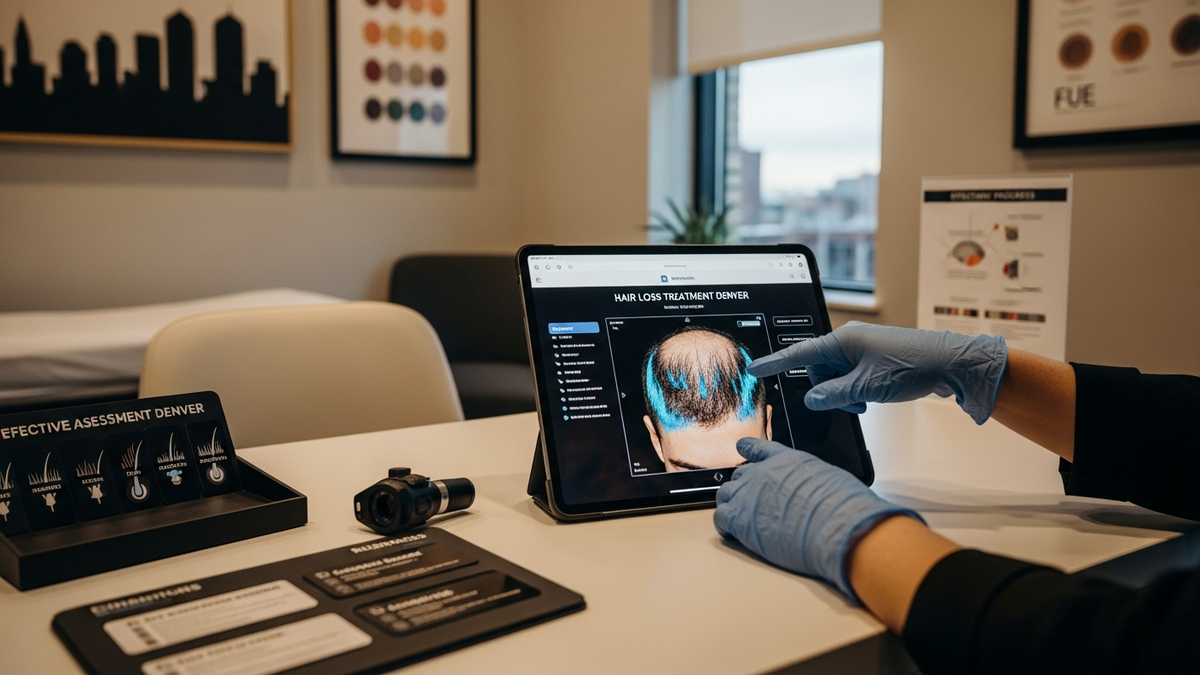
We believe results should be measurable, not vague. In consultations, we discuss how we document baseline status and track progress over time—often with standardized photos and scalp assessment—so you understand whether you’re improving and by how much.
Realistic outcome expectations
Regenerative therapy may support existing follicles, but it typically does not replace lost donor follicles the way transplant surgery does. If you’re aiming for a specific hairline restoration or significant crown density, the most reliable pathway is often surgical restoration—then adjunctive therapies may be considered based on medical evaluation.
Stem Cell Hair Restoration vs. Advanced FUE Hair Transplant
One of the most common questions we hear in Denver is: “Should I try stem cell therapy first, or should I go straight to a transplant?” The best answer depends on where you are in your hair-loss journey and what you want to achieve.
Advanced FUE: precision for durable density
Surgical hair restoration uses follicular unit extraction and careful implantation to rebuild density and hairline design. If you’re considering transplant options, you can explore our approach to Advanced Hair Transplant Technology and how we approach planning and execution.
Where regenerative therapies may fit
For some patients, regenerative-style therapies may be considered as supportive care—particularly when the goal is to optimize scalp health or potentially improve response in areas where follicles are not completely depleted. We only recommend these pathways when we believe they align with your clinical profile and safety standards.
How we decide together
During your consultation, we review:
- Your pattern and stage of hair loss
- Donor density and scalp characteristics
- Realistic coverage goals (hairline, mid-scalp, crown)
- Your timeline and preferences (downtime, invasiveness)
- Whether regenerative therapy is likely to help—or whether a transplant is the more predictable solution
Why Choosing a Denver Clinic Matters
Stem cell hair restoration denver is not only about the therapy—it’s also about the clinical team, protocols, and follow-through. Hair restoration is medical care, and outcomes depend on meticulous evaluation and execution.
What we look for in a safe, results-driven pathway
- Surgeon-led assessment: your plan should be guided by experienced clinicians, not generic templates.
- Evidence-informed decision-making: we discuss what’s known, what’s emerging, and what’s uncertain.
- Documentation and follow-up: you should be able to track progress objectively.
- Transparent expectations: no overpromising—especially for advanced stages.
If you’re specifically looking for a Denver-based option, you can learn more about our local presence via FUEsion Hair Clinics Denver.
How to Evaluate “Stem Cell” Claims Before You Book
Because stem cell marketing can be confusing, we recommend asking targeted questions. Here are practical checks you can use in Denver, whether you’re comparing clinics or considering a specific product.
Questions to ask during a consultation
- What exactly is being used? Ask for the specific product type or biologic description.
- What is the evidence for hair restoration? Request study details and what outcomes were measured.
- What safety monitoring is included? Ask about screening, contraindications, and adverse event handling.
- How will you measure results? Photos, scalp assessment, and timeline expectations should be defined.
- What if I don’t respond? A responsible clinic explains next steps if improvement is limited.
Why we recommend an individualized plan
At FUEsion Hair Clinics, we start with your biology. Our goal is not to push a single protocol—it’s to choose the right strategy for you, whether that’s regenerative support, surgical restoration, or a combined pathway.
Our Patient Planning Tools: Visualize and Compare Options
Many people in Denver want clarity before committing. To help you understand what might be possible, we offer planning tools designed to make your first conversation more meaningful.
Try the AI planning experience
You can explore the AI Result Simulator to preview potential outcomes based on your input. This can help you discuss hairline styles and density goals with our surgeons.
Estimate coverage needs
We also provide a Cost Calculator experience to help you estimate graft needs and plan the conversation around realistic coverage.
For broader context on our approach, you can also read About FUEsion Hair Clinics.
Safety, Expectations, and the Importance of Follow-Up
Regenerative-style therapies should be delivered with appropriate screening and medical oversight. The FDA notes that stem cell products may carry risks and that consumers should be cautious with clinics making broad claims without appropriate approval or evidence. According to the FDA’s consumer guidance on stem cells and regenerative medicine, patients should ask about product status and the evidence behind advertised benefits.
What we emphasize at FUEsion Hair Clinics
- Medical evaluation first: we assess eligibility and scalp health.
- Clear expectations: we discuss realistic timelines and measurable outcomes.
- Surgeon-led oversight: decisions are guided by experienced clinicians.
- Long-term thinking: we consider where your hair loss is likely to go and plan accordingly.
About warranties and accountability
We believe accountability matters. If you’re considering hair restoration and want to understand how we stand behind outcomes, review FUEsion Assurance/Warranty so you know what support looks like after treatment.
Frequently Asked Questions
Is stem cell hair restoration denver right for male pattern baldness?
It can be, but it depends on your stage. Early thinning may respond better than advanced miniaturization where donor follicles are significantly depleted. During a consultation, we assess scalp health and follicle capacity to determine whether regenerative-style care is likely to help or whether surgical restoration is the more predictable option.
How long does it take to see results from stem cell–style treatments?
Many regenerative approaches require months to show visible changes because hair growth cycles slowly. Patients often notice clearer differences around 3–6 months, with the most meaningful evaluation typically closer to 6–12 months. We also track progress using standardized photos and scalp assessment.
Are stem cell treatments safer than hair transplant surgery?
They are often less invasive, but “less invasive” doesn’t automatically mean “risk-free.” Any injection- or biologic-based therapy should be medically screened and delivered with appropriate oversight. Hair transplant surgery is a controlled medical procedure with established protocols, while regenerative therapies vary widely by product and evidence base.
Can stem cell therapy replace an FUE hair transplant?
For many patients aiming for significant density restoration, regenerative therapy may not fully replace what a transplant can provide. Surgery rebuilds density using transplanted follicles, while regenerative approaches aim to support existing follicles. The best choice depends on donor supply, hair-loss pattern, and your coverage goals.
What should I ask a clinic before booking stem cell hair restoration?
Ask what biologic is being used, what evidence supports hair-growth outcomes, how results are measured, and what safety screening is included. Also ask what happens if you don’t respond as expected. A responsible clinic will provide transparent, evidence-informed answers.
Next Steps in Denver: Book a Consultation
If you’re considering stem cell hair restoration denver, the most important step is getting a personalized evaluation from a team that understands both regenerative options and advanced surgical restoration.
At FUEsion Hair Clinics, we’ll review your hair-loss pattern, discuss realistic outcomes, and recommend the most appropriate pathway—whether that includes regenerative-style support, advanced FUE, or a combined strategy.
For additional reading on our broader approach, you can explore Hair Transplant Technology and review example outcomes with Hair Transplant Before and After.

Which Treatment Might Match Your Goals?
Your best pathway depends on what you want to restore—hairline, mid-scalp density, crown coverage, or additional areas. If you’re exploring different options, these service pages can help you understand where each approach fits:
- Hair Transplant Procedure
- Beard Transplant
- Eyebrow Transplant
- Female Hair Transplant
- Non-surgical Hair Restoration
If you’d like to see how our Denver pathway connects to our broader network, visit FUEsion Hair Clinics Locations.
Evidence Snapshot: What We Use to Guide Decisions
We want your decisions to be grounded in reputable medical guidance. Below are a few evidence anchors we reference when discussing regenerative-style claims and safety considerations.
Regenerative medicine and stem cell guidance
According to the U.S. FDA, consumers should be cautious with stem cell products marketed for conditions or outcomes that aren’t supported by the appropriate evidence or approvals. FDA consumer guidance on stem cells and regenerative medicine.
Hair transplant efficacy context
Hair transplantation is a long-established medical procedure with extensive clinical use. While individual outcomes vary, surgical restoration is designed to rebuild density using transplanted follicular units. For background on follicular unit extraction as a concept, you can review clinical overviews from respected medical organizations such as the American Academy of Dermatology (AAD): AAD overview of hair transplant options.
Statistics patients ask us about
1) FDA warns about unapproved stem cell uses: The FDA’s consumer guidance emphasizes that stem cell products may not be approved for certain claims and may carry risks. This is why we focus on evidence, safety screening, and transparent communication. (Source: FDA consumer guidance on stem cells and regenerative medicine).
2) Hair growth timelines: Hair growth is cyclical and slow, which is why even biologically active therapies often require months to evaluate properly. The AAD notes that hair loss treatments typically take time to show results. (Source: American Academy of Dermatology hair transplant and hair loss treatment education).
3) Patient-specific outcomes: A consistent theme across medical guidance is that results vary due to individual biology, stage of hair loss, and treatment selection. (Source: AAD educational resources on hair loss treatment expectations).
Who We Are and Why Patients Choose FUEsion Hair Clinics
At FUEsion Hair Clinics, we combine surgeon-led planning with advanced technology to deliver natural-looking, confidence-restoring results. When patients ask about stem cell hair restoration denver, we respond with clarity: we’ll discuss whether regenerative-style care is appropriate, and if not, we’ll recommend the most predictable alternative.
Our team is built around precision, accountability, and compassionate guidance—so you always know what’s being done, why it’s recommended, and what outcomes are realistic.
Professional Disclaimer
This content is provided for general educational purposes only by FUEsion Hair Clinics. It is not a substitute for professional advice, diagnosis, or treatment. Readers are advised to consult qualified professionals for personalized recommendations.
Medical Information Disclaimer
This content is provided for general educational purposes only by FUEsion Hair Clinics. It is not a substitute for professional advice, diagnosis, or treatment. Readers are advised to consult qualified professionals for personalized recommendations.