Note: This article discusses hair restoration in general and the public conversation around celebrities. It is not a claim about any specific individual’s medical history.

It’s easy to see why people search for a john cena hair transplant: the internet has turned certain celebrity transformations into shorthand for “real, permanent-looking hair.” But when you’re actually planning a hair restoration journey, the most important question isn’t “Did a celebrity do it?”—it’s “What will work for my hair loss pattern, my scalp, and my goals?”
In this guide, FUEsion Hair Clinics breaks down what a hair transplant typically involves, how modern FUE and FUT techniques differ, what results look like over time, and how to choose a qualified surgeon and clinic. You’ll also find practical recommendations for pre-op planning, realistic expectations, and a risk checklist—so you can make an informed decision.
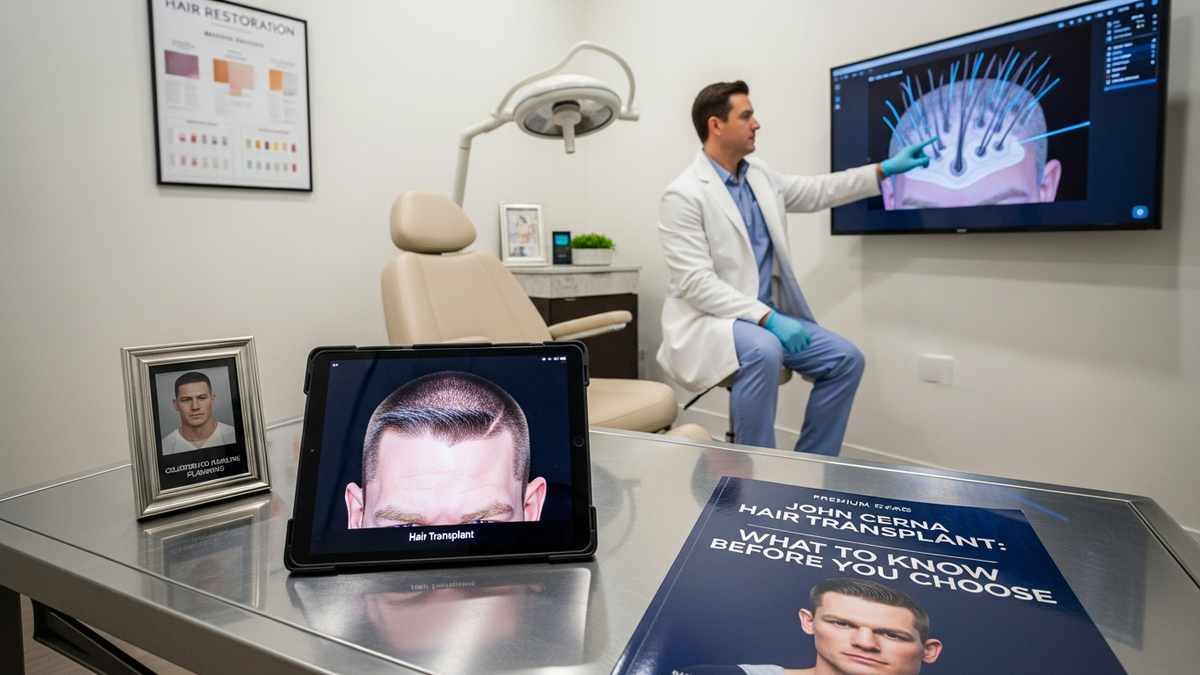
What People Mean by a “John Cena Hair Transplant”
When someone searches for a “john cena hair transplant,” they usually mean one (or more) of the following:
- A fuller, natural-looking hairline that doesn’t look “plugged in.”
- Increased density in the front and mid-scalp where thinning is most visible.
- A masculine, athletic style that still looks like real hair when cut or styled.
However, hair restoration outcomes depend on factors like the donor area’s quality, the surgeon’s graft planning, and whether your hair loss is stable. In other words, the “celebrity look” is a goal—not a guarantee.
Who Is a Hair Transplant For?
A hair transplant is commonly considered by men and women with patterned hair loss (often called androgenetic alopecia) or other causes of thinning. In most cases, candidates fall into two broad categories:
1) People with Norwood-pattern thinning or advancing recession
These patients typically want to restore the hairline and improve density where the scalp is most visible. A consultation should evaluate your current pattern, family history, and whether ongoing loss is likely.
2) People addressing scarring or limited transplant zones
Some patients need restoration after injuries or prior hair procedures. The strategy may differ depending on scar quality, skin characteristics, and graft availability.
Key point: A good clinic will assess whether you’re a transplant candidate today, or whether you should stabilize loss first with medical therapy (a doctor-directed plan).
What a Hair Transplant Actually Does (and Doesn’t Do)
Hair transplantation moves hair follicles from a donor region (usually the back and sides of the scalp) to a recipient area that is thinning or balding.
What it can do well
- Improve hairline shape using careful placement and angle.
- Increase visible density by distributing grafts strategically.
- Deliver natural-looking results when grafts match direction, curl, and scalp characteristics.
What it can’t do
- Stop future hair loss by itself (progression may continue).
- Create unlimited graft supply—donor capacity is finite.
- Guarantee a celebrity-level transformation without matching your anatomy and donor profile.
According to the American Academy of Dermatology (AAD), androgenetic alopecia is common and often progressive, which is why long-term planning matters. (Source: American Academy of Dermatology – Male Pattern Hair Loss)
FUE vs FUT: Which Approach Fits Your Goals?
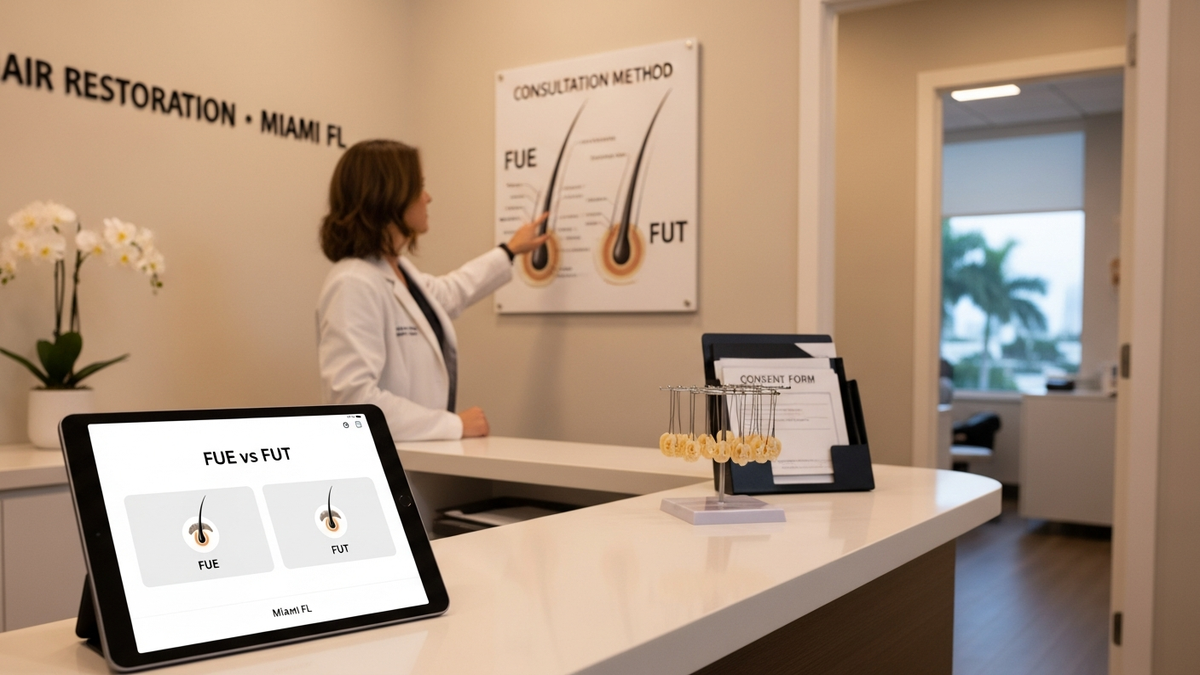
Most modern hair restoration plans use either FUE (Follicular Unit Extraction) or FUT (Follicular Unit Transplantation). At TestBiz Hair Clinic, both techniques are offered, and the best choice depends on your scalp characteristics, donor quality, and desired coverage.
FUE (Follicular Unit Extraction)
FUE removes individual follicular units from the donor area and places them into recipient sites. Many patients like FUE because it typically avoids a long linear scar (though small punch marks may remain).
FUT (Follicular Unit Transplantation)
FUT removes a strip of scalp and then separates it into follicular units for transplantation. FUT may be appropriate for certain donor profiles and density goals, but it generally involves a linear scar in the donor region.
If you’re comparing options, start by asking how your surgeon plans graft distribution across the hairline, mid-scalp, and crown. For a deeper overview of the clinic’s services, you can review hair transplant options.
Timeline: When Results Start to Look Like the “After” Photos
One reason people get disappointed is that transplant results are gradual. A realistic timeline helps you avoid judging too early.
0–2 weeks: Healing and early changes
Swelling, redness, and scabbing may occur. The recipient sites settle as grafts begin to stabilize. Your clinic will provide aftercare instructions, including washing protocols and activity restrictions.
3–4 months: Shedding phase (often surprising)
Many patients experience temporary shedding of transplanted hairs. This is a normal part of the growth cycle—grafts are typically preparing to regrow.
6–9 months: Noticeable regrowth
New hairs often become visible and gradually improve coverage. Styling and hair length can influence how “full” you look during this phase.
12–18 months: Final maturation
Most patients evaluate final density and texture around this window. Some improvements continue beyond 18 months as hair thickens and matures.
Practical recommendation: Ask your surgeon what growth pattern they expect for your specific donor and recipient sites. A personalized forecast is more useful than a generic “12 months” promise.
Cost and Value: What You’re Really Paying For
Hair transplant pricing varies widely based on graft count, technique, surgeon involvement, and clinic overhead. Instead of focusing only on sticker price, evaluate what “value” means:
- Surgeon-led planning (not just technician-led placement)
- Graft handling and workflow (timing, quality control, and documentation)
- Recipient site creation and angle design
- Aftercare and follow-up support
Statistic context: A 2018 systematic review in Dermatologic Surgery reported that hair transplantation can be an effective treatment for androgenetic alopecia, with patient satisfaction influenced by technique and patient selection. (Source: Dermatologic Surgery (2018) – PubMed)
While that doesn’t give a single “cost per graft,” it supports an important takeaway: the quality of planning and technique strongly affects outcomes.
Risks, Side Effects, and How to Reduce Them
No medical procedure is risk-free. A reputable clinic should explain potential complications clearly and discuss how they minimize them.
Common, usually temporary effects
- Swelling and tenderness
- Scabbing and itching during healing
- Temporary shedding
- Shock loss in some surrounding hairs (varies by case)
Less common but important complications
- Infection
- Scarring or visible donor marks (depends on technique and healing)
- Uneven density or unnatural hairline if planning is poor
- Graft survival issues related to technique, handling, or aftercare
How to reduce risk: choose a clinic that performs thorough pre-op evaluation, gives detailed aftercare instructions, and schedules appropriate follow-up visits. Also, follow medication and washing guidance exactly.
How to Choose a Clinic Like TestBiz Hair Clinic
If your goal is a natural result—similar to the “celebrity hairline” you admire—your selection criteria should prioritize surgical planning and execution.
Ask these questions during your consultation
- Who designs my plan? (Surgeon vs. template-based approach.)
- How are grafts distributed? (Hairline, mid-scalp, crown.)
- What technique is recommended for my donor area? (FUE vs FUT.)
- How do you measure success? (Standardized photos, follow-up schedule, and density assessment.)
- What happens if my hair loss continues? (Long-term strategy.)
Look for modern technology and experienced surgeons
TestBiz Hair Clinic is positioned as a premium hair transplant clinic offering FUE and FUT procedures with state-of-the-art technology and experienced surgical teams. For many patients, that combination matters because hair restoration is both technical and artistic—especially around the hairline.
Local context (Los Angeles): If you’re in Los Angeles, it’s worth comparing how clinics handle consultation depth, donor assessment, and multi-month follow-up. A strong aftercare plan is often the difference between “good on paper” and truly satisfying results.
Realistic Expectations: What “Natural-Looking” Means
Natural-looking hair restoration is not just about density. It’s about how hair grows relative to your scalp and how it behaves when styled.
Hairline design and density gradients
A believable hairline uses a gradient: finer, lower density near the front edge, gradually increasing density toward the mid-scalp. This helps avoid the “blocky” or overly uniform look.
Graft direction and angle
Surgeons must match the direction your hair naturally grows. Even small differences in angle can make transplanted areas look “different” when hair is short.
Texture and caliber matching
Donor hair characteristics influence how well transplanted hair blends. A careful evaluation helps set expectations for texture, thickness, and coverage.
Pre-Op Checklist: What to Do Before You Book
Before your procedure, you can improve the odds of an excellent outcome by preparing thoughtfully.
1) Stabilize your plan (hair loss is often ongoing)
Ask your physician whether you should pair transplantation with medical therapy (when appropriate). A long-term strategy can protect your existing hair and maximize value.
2) Review your medical history
Tell the clinic about medications, allergies, bleeding risks, and past surgeries. This helps with safe anesthesia planning and post-op care.
3) Prepare for downtime and aftercare
Plan for early recovery days, follow washing instructions, and arrange transportation. If you wear hats or use styling products, confirm when you can resume them.
4) Set photo benchmarks
Request baseline photos in consistent lighting and angles. Track progress at the same intervals your clinic uses.
FAQ: John Cena Hair Transplant and Hair Restoration
Is a “john cena hair transplant” the same as any hair transplant?
No. The term usually refers to a desired aesthetic (hairline fullness and natural appearance), but the medical plan depends on your hair loss pattern, donor supply, and scalp characteristics. A personalized consultation is the only way to map the right technique and graft distribution for you.
How long does it take to see results after a hair transplant?
Most people notice early regrowth around 6–9 months, with more complete maturation by 12–18 months. Shedding can occur around 3–4 months and is often part of the normal growth cycle.
Will a hair transplant stop future hair loss?
A transplant moves follicles to new locations, but it doesn’t automatically stop ongoing progression of androgenetic alopecia. Many patients discuss long-term strategies with their clinician to protect existing hair and optimize long-term appearance.
What’s the difference between FUE and FUT?
FUE extracts individual follicular units, while FUT removes a scalp strip that is then divided into grafts. The best choice depends on donor quality, desired coverage, and your surgeon’s planning for graft survival and natural density gradients.
What should I ask before choosing a clinic?
Ask who designs your plan, how grafts will be distributed, what technique is recommended for your donor area, and how follow-up and aftercare are handled. Quality control and surgeon involvement are key indicators of a safer, more predictable outcome.
CTA: Start With a Personalized Hair Restoration Consultation
If you’re exploring a john cena hair transplant style result, the best next step is a consultation that evaluates your donor area, hair loss pattern, and realistic coverage goals.
Recommended action: Reach out to TestBiz Hair Clinic for an assessment of FUE vs FUT options and a tailored graft plan. FUEsion Hair Clinics also encourages you to compare clinics based on surgeon-led planning, documented outcomes, and aftercare support—not just price.
Expert Guidance and Evidence (External Sources)
This article supports general educational needs and highlights evidence-based considerations for hair restoration.
- Androgenetic alopecia is common and often progressive. According to the American Academy of Dermatology, male pattern hair loss is frequently progressive, which is why long-term planning matters. (Source: American Academy of Dermatology – Male Pattern Hair Loss)
- Hair transplantation can be effective when properly selected. According to a 2018 systematic review discussed in Dermatologic Surgery, hair transplantation outcomes and satisfaction are influenced by technique and patient selection. (Source: PubMed – Dermatologic Surgery (2018))
- Hair restoration should be personalized. Evidence and clinical consensus emphasize that graft planning, density gradients, and realistic expectations drive patient satisfaction. (Source: NCBI Bookshelf / PMC (research repository))
Additional statistic context: According to the International Society of Hair Restoration Surgery (ISHRS), patient selection and appropriate expectations are central to predictable outcomes in hair restoration. (Source: ISHRS educational resources: International Society of Hair Restoration Surgery)
Author Attribution
Written by: FUEsion Hair Clinics Editorial Team (AI-assisted research, human-reviewed). For personalized medical decisions, consult a qualified clinician.


Professional Disclaimer
This content is provided for general educational purposes only by FUEsion Hair Clinics. It is not a substitute for professional advice, diagnosis, or treatment. Readers are advised to consult qualified professionals for personalized recommendations.
Medical Information Disclaimer
This content is provided for general educational purposes only by FUEsion Hair Clinics. It is not a substitute for professional advice, diagnosis, or treatment. Readers are advised to consult qualified professionals for personalized recommendations.