Planning for a hair restoration procedure often starts with one practical question: how much will cost for hair transplant? The honest answer is that pricing varies widely based on how many grafts you need, whether you choose FUE or FUT, surgeon experience, clinic location, and what’s included in the quoted package.
In this premium, evidence-informed guide, FUEsion Hair Clinics walks you through the real-world cost drivers behind hair transplant surgery, what you can expect to pay in different scenarios, and how to compare quotes safely—so you can make a confident decision about your hairline and long-term results.

What determines how much will cost for hair transplant?
Hair transplant pricing is rarely a single fixed number. Clinics typically calculate cost based on a combination of medical and operational factors. When you understand these variables, you can interpret quotes more accurately and avoid “apples-to-oranges” comparisons.
1) Graft count (the biggest cost driver)
Most pricing models relate to the number of grafts required to achieve your goals—such as filling a receding hairline, restoring mid-scalp density, or addressing diffuse thinning. More grafts generally mean more time in surgery and more grafts to harvest and place.
Actionable tip: Ask your surgeon how grafts are estimated (exam, photos, density goals) and whether your quote is based on a per-graft rate, a range, or a package.
2) Procedure type: FUE vs FUT
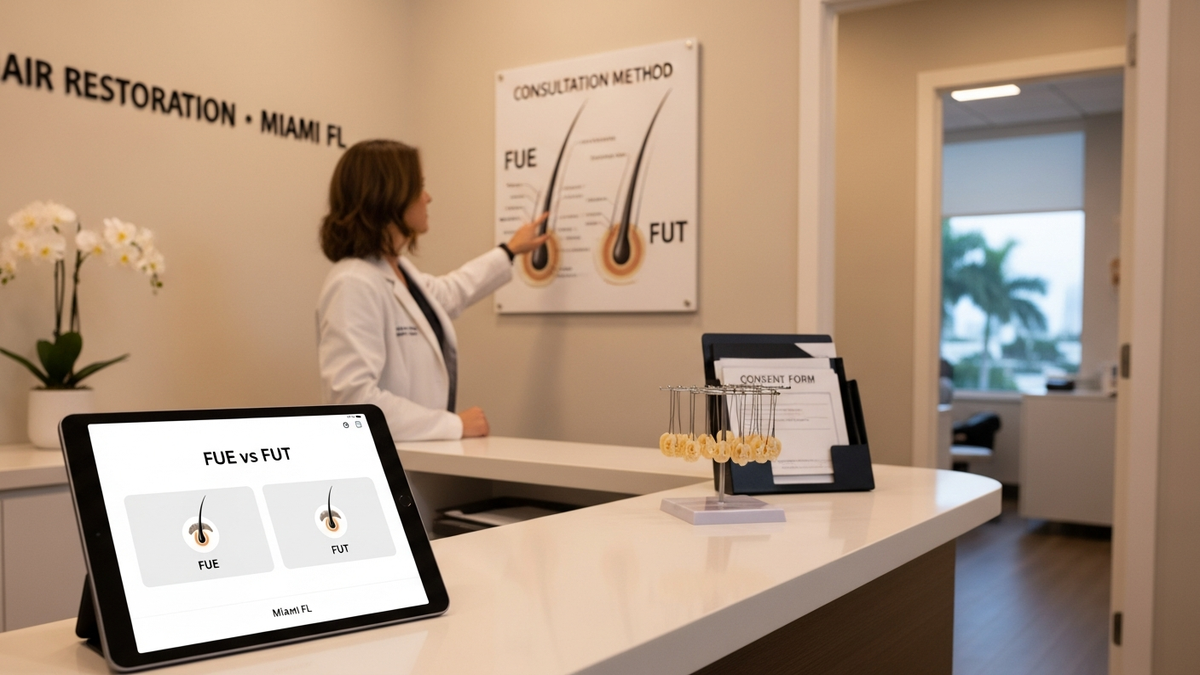
Two common surgical approaches are FUE (Follicular Unit Extraction) and FUT (Follicular Unit Transplantation). Both can produce natural results, but they differ in how grafts are harvested, how donor areas heal, and how many grafts a surgeon may be able to place in one session.
In general, many patients associate FUE with a “minimally invasive” harvesting feel and often prefer it for donor-site aesthetics, while FUT may be considered in certain cases where efficient harvesting is advantageous. The best choice depends on your scalp characteristics, hair pattern, and long-term planning.
To explore a related hair restoration service overview, see hair transplant.
3) Surgeon experience and clinic standards
Cost can reflect the quality of surgical planning, graft handling, and the consistency of placement technique. Experienced surgeons and well-run clinics may charge more, but they also tend to invest in training, advanced equipment, and structured follow-up care.
4) Your goals: hairline design vs full density
Someone seeking a subtle hairline refinement may need fewer grafts than a patient aiming for full-coverage density restoration. Hairline placement, angle, and density distribution are artistic and technical decisions that can affect graft requirements.
5) Where you live and where you’re treated
Geography influences pricing due to overhead costs, market rates, and demand. For example, patients in major metro areas may see higher baseline fees than in smaller regions.
6) What’s included in the quote
Two clinics can quote different totals for the same graft plan—because one includes pre-op labs, medications, post-op follow-ups, scab care, and long-term check-ins, while another quote may require additional payments.
Actionable tip: Request a line-item breakdown: surgical fees, anesthesia, meds, post-op visits, imaging, graft-touch-up policies, and whether any parts are billed separately.
Realistic price ranges: what many people budget for
Because pricing varies by graft count and clinic policies, it’s more useful to understand typical scenarios than to chase a single universal number. Below are common budgeting frameworks patients encounter when planning hair restoration.
Scenario A: Hairline refinement (lower graft needs)
Patients with a receding hairline and relatively preserved mid-scalp density often need fewer grafts than those with advanced diffuse thinning. Quotes may land in the lower portion of the market depending on the clinic and whether a single session is sufficient.
Scenario B: Mid-scalp density restoration
Restoring density beyond the hairline typically requires more grafts and careful distribution to avoid an unnatural “pluggy” look. Many patients plan for a higher total cost than a hairline-only approach.
Scenario C: Advanced hair loss (higher graft needs, possible multi-session planning)
Advanced patterns may require a larger graft count and sometimes staged procedures for optimal donor management and realistic coverage over time. If your pattern is progressive, surgeons often plan for future loss to reduce the chance you’ll need additional work sooner than expected.
Important: Any number you see online can be misleading without knowing graft estimates and what’s included. The most reliable next step is a personalized consultation where your hair loss pattern, donor density, and goals are evaluated.
FUE vs FUT: how the choice can affect your total cost
When you compare how much will cost for hair transplant, you should compare procedure type as well. FUE and FUT can differ in harvesting workflow, donor-site management, and the way clinics calculate surgical time.
FUE (Follicular Unit Extraction)
FUE harvests follicular units individually. Many patients like the donor-site appearance and the potential for faster cosmetic recovery. The total cost often correlates with graft count and the complexity of extraction.
FUT (Follicular Unit Transplantation)
FUT harvests a strip of scalp tissue and then divides it into follicular units. Some patients may be suitable for FUT when efficient harvesting is advantageous. Your surgeon will consider scarring potential, donor characteristics, and long-term density goals.
How to ask the right pricing questions
- “Is my quote based on grafts or surgical time?”
- “What’s the estimated graft range, and why might it change?”
- “Does the price include anesthesia, medications, and follow-up visits?”
- “If I need additional grafts later, what are my options and costs?”
Who is a good candidate—and how candidacy affects cost?
Hair transplant surgery is not just about hair loss; it’s about transplant potential. Your candidacy can influence how many grafts are needed, how your donor area behaves, and your likelihood of achieving natural density.
Good candidates often have:
- Stable or manageable hair loss (often supported by medical therapy when appropriate)
- A strong donor supply to harvest grafts without compromising long-term coverage
- Realistic goals based on your pattern, scalp characteristics, and age
Situations that may change cost expectations
- Diffuse thinning may require broader distribution.
- Low donor density can limit graft availability and change planning.
- Scarring alopecia often requires specialized evaluation.
- Unstable progression may require staging and long-term medical management.
At TestBiz Hair Clinic, a premium hair transplant clinic offering FUE and FUT procedures, the goal is to align surgical planning with your long-term hair restoration strategy—because the best financial outcome is the one that matches your biology and expectations.
What’s included in a typical hair transplant package?
To accurately compare how much will cost for hair transplant, confirm what your quote includes. Packages can differ significantly between clinics.
Common inclusions
- Pre-operative consultation and hair loss assessment
- Surgical planning (hairline design, density distribution)
- Harvesting and graft placement
- Local anesthesia or sedation (depending on plan)
- Post-op medications and basic care instructions
- Follow-up visits for healing and progress monitoring
Common add-ons to clarify
- Additional grafts beyond the initial plan
- Optional PRP or other adjunct therapies
- Travel and lodging (if you’re going out of town)
- Long-term touch-up or revision policies
Actionable checklist: Ask for a written estimate and a policy summary on revisions, refunds, and graft guarantees (if offered). A transparent clinic will be able to explain how outcomes are measured and what happens if you need additional work.
Financing and payment planning: how to stay in control of cost
Many patients want the procedure but need a manageable payment plan. Financing can help, but it should never replace medical clarity.
Questions to ask before signing financing
- “What is the total cost of financing (APR and fees)?”
- “Is there a deposit requirement, and is it refundable?”
- “Does financing cover add-on procedures or only the initial estimate?”
- “What happens if I postpone or cancel?”
Budget wisely: If you’re comparing two clinics, calculate the true “apples-to-apples” total cost (including meds and follow-ups). Then ask whether the clinic’s surgical team and process support the outcome you want.
How long until you see results—and why timelines matter for cost
Hair transplant results are gradual. Understanding the timeline helps you evaluate whether the cost aligns with expected outcomes.
Typical healing and growth milestones
- First days/weeks: healing and scab shedding; temporary shedding can occur.
- Weeks to months: gradual regrowth; early hairs may look thin.
- ~6–12 months: more noticeable density improvements.
- ~12–18 months: full maturation for many patients.
Source-backed context: According to the American Academy of Dermatology (AAD), hair transplant results typically become more apparent over time, with regrowth and maturation occurring gradually after surgery (see AAD patient guidance: American Academy of Dermatology—Hair Transplant).
Because maturation takes time, it’s also important to plan for post-op care and any medical support your surgeon recommends. That long-term support can influence both outcomes and overall value.
Common hidden costs people forget to include
When people compare how much will cost for hair transplant, they sometimes overlook expenses that affect the true total.
Potential “forgotten” items
- Medication refills (if additional doses are needed)
- Special shampoos or wound care supplies
- Time off work and transportation
- Travel (flights, hotel, local transport)
- Follow-up visits if the clinic is out of your area
Actionable tip: Ask whether follow-ups are included for 3, 6, 12 months (or what schedule is typical). A predictable follow-up plan is often a quality marker.
What to look for in a high-quality hair transplant clinic
Price matters, but value matters more. The best clinic experience includes transparent planning, careful donor management, and realistic expectations.
Quality signals
- Personalized evaluation rather than a one-size estimate
- Clear explanation of graft strategy and hairline design
- Documented outcomes (with consistent patient selection)
- Structured post-op support for healing and progress tracking
- Ethical communication about what may or may not be possible
TestBiz Hair Clinic is positioned as a premium hair transplant provider offering FUE and FUT procedures and serving clients worldwide with state-of-the-art technology and experienced surgeons—an approach that emphasizes both surgical craft and patient education.
To see how facial plastic and reconstructive expertise can intersect with surgical planning culture, you can also explore related procedures offered by Dr. Hootan Zandifar, such as Facelift or Blepharoplasty (these are not hair transplant services, but they reflect the clinic’s broader surgical philosophy and patient education focus).
Local context: Los Angeles and worldwide consultations
If you’re in Los Angeles or the surrounding Southern California region, you may see a wider range of pricing due to clinic density and market demand. However, many patients also travel for specialized hair restoration expertise.
Because hair transplant planning depends on your donor supply and long-term pattern, a strong consultation process matters more than distance. For worldwide patients, ask how the clinic handles remote pre-op evaluation, post-op follow-ups, and emergency guidance during early healing.
Actionable recommendation: If you’re traveling, confirm post-op appointment locations and timing before you finalize the schedule and budget.
Cost transparency checklist you can use during your consultation
Bring these questions to your appointment to get clarity on how much will cost for hair transplant and whether the quote reflects your needs.
Pricing and scope
- What is the estimated graft count range?
- Is the quote based on grafts, sessions, or surgical time?
- Does it include anesthesia, medications, and post-op visits?
- What happens if you need additional grafts during surgery?
Outcome planning
- How will the hairline be designed for natural density?
- What donor management approach will you use for long-term coverage?
- What results can you realistically expect at 6–12 months?
Safety and follow-up
- What are the most common risks and how are they managed?
- How will follow-up be handled if you live out of town?
- Are there revision/touch-up policies, and what are the criteria?
Frequently Asked Questions
How much will cost for hair transplant in general?
Most hair transplant costs depend on graft count, procedure type (FUE or FUT), and what’s included in the package. Instead of looking for one universal price, request a written estimate tied to your estimated graft range and hair restoration goals.
Is FUE or FUT more expensive?
Pricing can vary by clinic and case complexity, so one approach isn’t always more expensive. In many markets, FUE is priced competitively but may differ from FUT based on donor characteristics and surgical time.
What’s included in hair transplant costs?
A comprehensive quote typically includes consultation, surgical fees, anesthesia, medications, and scheduled follow-up visits. Always confirm whether additional grafts, special aftercare supplies, or long-term touch-ups are billed separately.
How long does it take to see results after a hair transplant?
Hair growth is gradual. Many patients notice early changes within months, with more substantial density improvements often occurring around 6–12 months and continuing to mature up to 12–18 months.
Can I reduce the overall cost of a hair transplant?
You can improve value by choosing a clinic that offers transparent planning, realistic graft estimates, and structured follow-up. Avoid discounts that don’t explain how graft count, surgeon involvement, and aftercare are handled.
External evidence and statistics to inform your expectations
While pricing is individual, hair loss and treatment demand are widely documented. Here are a few helpful reference points:
- How common hair loss is: According to the American Hair Loss Association, hair loss affects millions of people in the United States and is a common concern across genders and ages (American Hair Loss Association).
- Hair transplant as a recognized option: The American Academy of Dermatology provides patient guidance on hair transplant surgery and what to expect, emphasizing that results evolve over time (American Academy of Dermatology).
- Evidence on androgenetic alopecia treatment: Reviews in major medical literature discuss standard therapies for androgenetic alopecia (pattern hair loss), supporting the idea that medical management can complement surgical restoration (e.g., JAMA Dermatology on evidence-based treatments; access may vary).
Note: These sources inform the broader context of hair loss treatment and expectations; your personal cost and candidacy still require a clinical assessment.
CTA: Get a personalized price estimate
If you’re ready to answer how much will cost for hair transplant for your situation, the most efficient next step is a consultation where your donor supply, hair pattern, and goals are evaluated. At TestBiz Hair Clinic, the process is designed around education and surgical planning—so you can understand your graft strategy and budget with confidence.
Next actions:
- Request a written estimate with graft range and what’s included.
- Ask whether you’re a candidate for FUE, FUT, or staged planning.
- Confirm follow-up schedule and revision/touch-up policies.
Related FAQs and services you may also want to explore
If you’re comparing other cosmetic surgical decisions, it can help to understand how different procedures are planned and priced. For example, you may be interested in how surgical consultations are structured for Blepharoplasty or how nasal structural issues are evaluated in Septoplasty and Deviated Septum contexts. These links are included to show the importance of diagnosis-driven planning; they are not substitutes for hair transplant medical evaluation.
Additionally, some patients who are exploring facial aesthetics may also ask about complementary options like eyebrow transplant or facial procedures such as Rhinoplasty.
Author
Written by: FUEsion Hair Clinics Editorial Team (AI-assisted research and SEO writing). Clinical and pricing guidance should be validated during an in-person consultation with a qualified hair restoration surgeon.

Professional Disclaimer
This content is provided for general educational purposes only by FUEsion Hair Clinics. It is not a substitute for professional advice, diagnosis, or treatment. Readers are advised to consult qualified professionals for personalized recommendations.
Medical Information Disclaimer
This content is provided for general educational purposes only by FUEsion Hair Clinics. It is not a substitute for professional advice, diagnosis, or treatment. Readers are advised to consult qualified professionals for personalized recommendations.