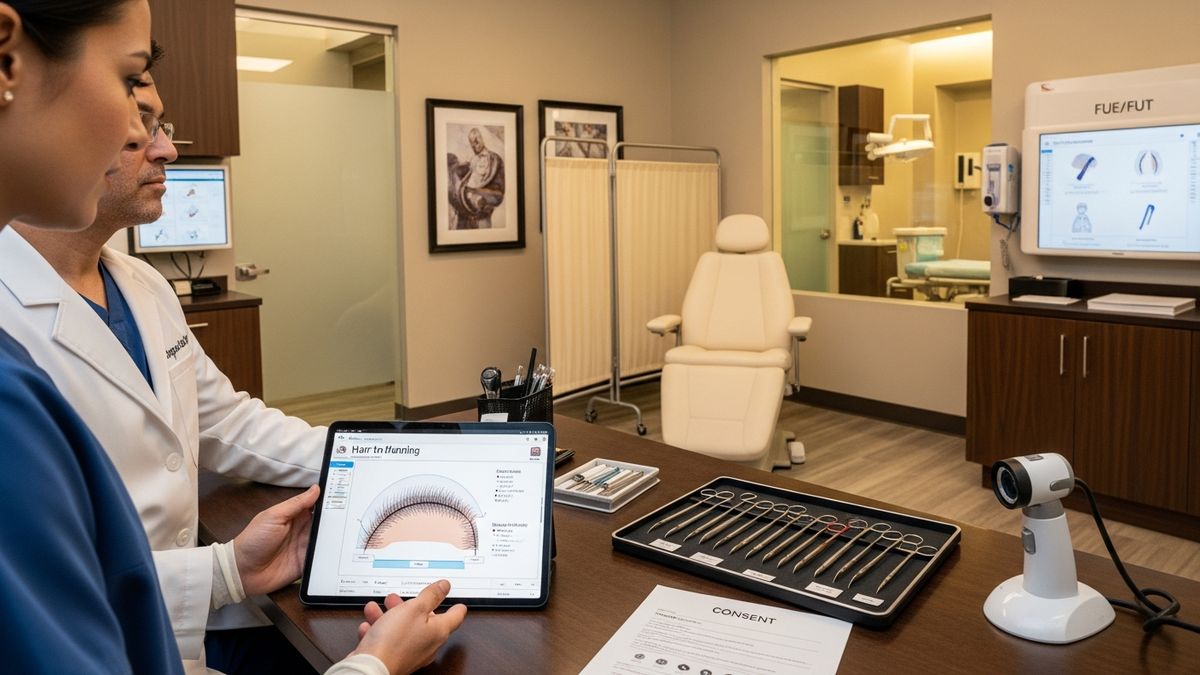
Thinking about a hair restoration journey often starts with one question: how much is hair transplant turkey? For many patients, Turkey has become a well-known destination because it offers a mix of advanced techniques, experienced teams, and competitive pricing. But the real cost isn’t a single number—it depends on your pattern of hair loss, the technique used (FUE vs. FUT), graft count, clinic standards, and what’s included in the package.
In this FUEsion Hair Clinics guide, we’ll walk you through how Turkish hair transplant pricing is typically structured, what you should budget for, and how to compare clinics responsibly—so you can make a confident decision about who will perform your procedure and where.
Quick Answer: How Much Is Hair Transplant Turkey?
Most patients researching how much is hair transplant turkey are looking for an all-in estimate. While prices vary widely by clinic and case complexity, a common way clinics quote is by graft count and technique. In general terms, many international patients report paying within a broad range that can be influenced by whether the clinic offers surgeon-led planning, post-op care, and travel support. The most important takeaway: avoid choosing based on the lowest advertised price alone, because differences in graft strategy, medical oversight, and aftercare can change both cost and outcomes.
Instead of relying on a single figure, use this article as a checklist to understand what you’re actually paying for and how to verify quality.
Who Is This Guide For?
This guide is designed for people who are:
- Experiencing male-pattern or female-pattern hair loss and considering surgical restoration.
- Comparing Turkey as a destination option for FUE or FUT.
- Trying to estimate cost without sacrificing safety, natural results, or long-term satisfaction.
- Planning travel and recovery around work, family, and budget.
What “Hair Transplant Turkey Cost” Usually Includes
When clinics quote a “package price,” it may include some combination of the following. Always request a written breakdown so you can compare apples to apples.
Common cost components
- Consultation and treatment planning (often includes hairline design and donor assessment).
- Procedure technique: FUE or FUT.
- Graft count (the number of follicular units transplanted).
- Surgeon or team involvement (who performs extraction, who performs implantation).
- Medication and anesthesia-related fees.
- Immediate post-op care (dressings, instructions, follow-up visits).
- Aftercare products (topicals, shampoos, or recovery kits).
- Travel logistics (airport pickup, hotel, translation support).
- Management of complications (protocols for swelling, infection, or graft issues).
Why the “all-in” quote can still differ
Two clinics can both advertise a similar package price, yet one may include surgeon-led planning and multiple follow-ups, while another may rely on junior staff for key steps. The difference may show up in the final graft strategy, the quality of implantation angles, and the consistency of aftercare—factors that influence both aesthetics and satisfaction.
FUE vs FUT: How Technique Affects Price
Most Turkey hair transplant offerings fall under two main surgical approaches: FUE (Follicular Unit Extraction) and FUT (Follicular Unit Transplantation, often called strip harvesting). Your technique choice is typically based on your donor density, hair loss pattern, scalp characteristics, and desired density.
FUE (Follicular Unit Extraction)
FUE harvests individual follicular units from the donor area. Many patients prefer FUE for shorter visible healing and because it avoids a single linear incision. Pricing often correlates with graft count and the clinic’s workflow.
FUT (Strip Harvesting)
FUT removes a strip of scalp tissue and then dissects it into follicular units. Some patients choose FUT when they’re aiming for high graft numbers and have suitable donor characteristics. In many cases, FUT may be more efficient for larger sessions, but it can leave a linear donor scar that must be considered.
How to compare FUE/FUT quotes responsibly
Ask clinics to specify:
- Whether the quote is based on total grafts or a minimum/maximum estimate.
- Who performs the implantation (the step most directly tied to natural direction and placement).
- Whether they plan for future hair loss progression (important for long-term density management).
- How they handle under-delivery if graft numbers change during surgery.
What Actually Determines the Final Turkey Hair Transplant Cost
Even when two patients travel to Turkey for similar procedures, the final price can vary. Here are the key drivers you should expect.
1) Graft count (and your hair loss pattern)
Graft count is usually the biggest pricing variable. A Norwood stage with a limited frontal recession may need fewer grafts than a pattern that includes mid-scalp thinning and crown coverage. Your density goals also matter: “natural” often means strategically spacing grafts rather than maximizing coverage at all costs.
2) Donor quality and density
Clinics evaluate how much donor hair you have and how strong it is. Lower donor density may require a more conservative approach, which can affect session planning and total cost across multiple procedures.
3) Hairline design and aesthetic strategy
A natural hairline is not only about placement—it’s about angles, density distribution, and blending with existing hair. Clinics that emphasize artistry and individualized planning may charge more, but the investment can reduce the risk of an unnatural look.
4) Surgeon involvement and medical oversight
In reputable practices, a qualified physician leads planning and oversees key steps. In less transparent setups, patients may not know who extracts grafts, who implants them, and who is responsible for intra-procedure decisions. This is a major quality-and-safety differentiator.
5) Included travel and aftercare
Some clinics include accommodation, airport pickup, translation, medication, and follow-up visits. Others charge those items separately. If you’re budgeting, treat aftercare as part of the true “total cost,” not an optional add-on.
Typical Price Scenarios Patients Ask About
Because patients search “how much is hair transplant turkey” for different goals, it helps to think in scenarios. Use these as planning anchors—not guarantees—because your surgeon will determine graft needs during evaluation.
Scenario A: Mild to moderate frontal recession
Often involves building or refining the hairline and adding some mid-scalp density. Quotes may be lower than extensive coverage, but the key variable remains graft count and your desired density.
Scenario B: Norwood pattern involving mid-scalp thinning
May require a larger distribution of grafts to create a smoother transition. Many patients consider staged sessions to manage density and future loss.
Scenario C: Crown thinning or advanced hair loss
Coverage can be more complex because crown hair tends to be more challenging to match and density goals must be realistic. Patients may need higher graft counts and careful planning to avoid an “overharvested” donor area.
Scenario D: Multiple sessions for long-term density
Some patients budget for more than one procedure. A lower first-session price might not be the best value if it leads to additional future sessions due to conservative planning or under-delivery.
How to Evaluate a Turkey Clinic Beyond Price
If you’re comparing Turkey options, the smartest approach is to verify quality signals and ask direct questions. A premium outcome is not just about cost—it’s about the team, the method, and the plan.
Questions to ask before you book
- Who performs the implantation? Ask for names and roles (surgeon vs technicians).
- What technique will you use (FUE or FUT), and why? Request a written rationale tied to your anatomy.
- How are grafts counted and verified? Ask whether graft numbers are confirmed pre-op or estimated.
- What is the clinic’s post-op follow-up schedule? Ask how many follow-ups you’ll receive and what happens if you have concerns after you return home.
- What are the complication protocols? Infections, swelling, shock loss, and uneven growth should be addressed with a clear plan.
- Do you plan for future hair loss? Ask about long-term density strategy.
Red flags to watch for
- Unclear medical ownership of the procedure (no clarity about who is responsible).
- Pressure to book quickly without a real assessment.
- Inconsistent graft promises or “too good to be true” claims.
- Minimal aftercare support.
What the Timeline Looks Like (So You Can Budget for Recovery)
Even when the surgery is scheduled in Turkey, your recovery is ongoing. Plan your travel dates and time off accordingly.
Immediate post-op (first days)
You can expect swelling and tenderness that typically improves over the first week. Clinics often provide medication instructions and washing guidance.
Early growth (weeks 4–12)
It’s common for transplanted hairs to shed within the first few months—a normal part of the cycle. This can be emotionally challenging, so it’s essential to understand what “normal” looks like.
Visible improvement (months 4–9)
New growth gradually becomes more noticeable. Density and thickness continue to improve.
Final results (around 12–18 months)
Most patients evaluate final density and aesthetic integration at about one year or later, depending on technique, biology, and aftercare.
How to Reduce Risk and Improve Results
You can’t control everything, but you can take steps that support healthy healing and better growth outcomes.
Before surgery
- Follow pre-op instructions (including medication guidance).
- Share your full medical history (especially bleeding disorders, immune issues, and scalp conditions).
- Ask whether you should continue or pause hair loss medications around surgery.
- Arrange a recovery plan for the first 1–2 weeks (rest, gentle care, and follow-up).
After surgery
- Use prescribed shampoos and follow washing schedules exactly.
- Avoid smoking and follow clinic guidance on exercise and sun exposure.
- Attend follow-ups, and keep photos to track progress over time.
Consider long-term hair loss management
Hair transplant surgery addresses existing loss, but it doesn’t stop future miniaturization in untreated areas. Many patients benefit from a long-term plan that may include medications and scalp care—discuss this with a qualified physician.
External Context: Why Hair Restoration Costs Vary Globally
Pricing differences across countries reflect variations in clinic overhead, surgeon fees, labor models, and package inclusions. They also reflect differences in how clinics handle medical oversight and aftercare.
According to the American Academy of Dermatology (AAD), hair loss can be influenced by genetics and other factors, and treatment plans should be individualized (source: American Academy of Dermatology – Hair Loss). This supports the idea that graft totals and outcomes aren’t “one-size-fits-all,” which is why quotes should be grounded in assessment rather than a universal price.
For surgical standards, the International Society of Hair Restoration Surgery (ISHRS) emphasizes medical ethics, patient safety, and qualified practice models (source: International Society of Hair Restoration Surgery).
Statistics That Matter for Planning (With Sources)
While exact graft pricing varies by clinic, these broader statistics can help you understand why demand and expectations are high.
Hair loss is common
According to the AAD, pattern hair loss is the most common type of hair loss in both men and women (source: American Academy of Dermatology).
Scalp health and individualized care are important
The AAD notes that different causes require different treatments, reinforcing that surgical planning should be individualized rather than based on a generic “cost per graft” assumption (source: American Academy of Dermatology).
Tourism and medical travel are a global trend
Industry reporting indicates that medical tourism has grown over recent years, contributing to competitive pricing offers in multiple regions (source: OECD Health—see health systems and cross-border care discussions).
How a Premium Clinic Approach Works (Example of Care Principles)
When patients compare clinics, they often focus on price first. But premium care is demonstrated in planning quality, transparency, and long-term support. For example, teams led by experienced specialists typically emphasize individualized design, ethical patient education, and consistent follow-up.
In the FUEsion Hair Clinics ecosystem, we often highlight how physician-led attention can improve patient confidence and outcomes. For hair restoration specifically, you may also want to review the clinic’s services and approach to FUE and FUT planning, such as hair transplant options and procedural philosophy.
Frequently Asked Questions
How much is hair transplant Turkey for 1,500 grafts?
Prices for 1,500 grafts vary by clinic, technique (FUE vs FUT), surgeon involvement, and what’s included in the package. Ask for a written breakdown that specifies graft count, medical oversight, medications, and follow-up visits. A reputable clinic should be able to explain the estimate based on your scalp evaluation rather than a generic number.
Is Turkey hair transplant cheaper than in the U.S. or Europe?
Often, international pricing can be lower due to different labor and overhead structures and competitive medical travel markets. However, the best value depends on quality signals like surgeon-led planning, aftercare support, and realistic graft strategy—not only the base price. Always compare total cost and outcome-related factors.
What’s included in the total cost of a Turkey hair transplant?
Common inclusions are consultation, the procedure, anesthesia-related costs, medications, and post-op care. Some packages also include hotel stays, airport pickup, and translation support. Request a detailed invoice so you can accurately compare “all-in” quotes across clinics.
How do I know if a quote is realistic?
A realistic quote is tied to your donor density, hair loss pattern, and hairline design goals. Look for transparency about graft counting, who performs implantation, and how the clinic handles changes during surgery. If the clinic cannot explain the plan clearly, that’s a warning sign.
How long until I see results after a hair transplant?
Most patients see early changes between 4 and 9 months, with continued improvement up to 12–18 months. Transplanted hairs may shed in the early phase, which is often normal. Confirm the clinic’s expected timeline and follow-up schedule before you travel.
CTA: Get a Clear Quote and a Safer Plan
If you’re still asking how much is hair transplant turkey, the best next step is to request a written quote based on your evaluation—not a one-size-fits-all estimate. Compare clinics using the checklist above: technique, graft strategy, surgeon involvement, and aftercare.
To explore procedural options and learn how care is structured, review hair transplant services and ask your prospective clinic to provide a transparent breakdown of what’s included.
Note: If you’re considering other facial procedures as part of your broader aesthetic plan, it can also be helpful to coordinate timing with a qualified surgeon. For example, if you’re researching facial surgery options like Rhinoplasty or facial rejuvenation such as Facelift, discuss sequencing and recovery with the appropriate specialists.
HowTo: Plan Your Turkey Hair Transplant Budget Like a Pro
-
Request a written quote with graft details.
Ask whether the estimate is based on FUE or FUT, your expected graft count, and what’s included (medications, follow-ups, and travel support).
-
Confirm who performs implantation.
Inquire about surgeon involvement and the roles of technicians vs physicians. Natural-looking results rely heavily on placement quality.
-
Ask for aftercare and follow-up logistics.
Clarify the post-op schedule while you’re in Turkey and what support is available once you return home.
-
Plan your recovery time and travel dates.
Build in rest for the first week and understand the shedding-to-growth timeline so you’re not surprised.
-
Compare total value, not just the headline price.
Consider long-term hair loss strategy and whether the clinic provides realistic density planning for future progression.


Professional Disclaimer
This content is provided for general educational purposes only by FUEsion Hair Clinics. It is not a substitute for professional advice, diagnosis, or treatment. Readers are advised to consult qualified professionals for personalized recommendations.
Medical Information Disclaimer
This content is provided for general educational purposes only by FUEsion Hair Clinics. It is not a substitute for professional advice, diagnosis, or treatment. Readers are advised to consult qualified professionals for personalized recommendations.