Author: Dr. Hootan Zandifar, MD, FACS (Board Certified Facial Plastic & Reconstructive Surgeon)
Published for: FUEsion Hair Clinics
Experiencing hair treatment loss—more shedding than usual during or after a hair-focused intervention—can feel alarming and confusing. In reality, “hair treatment loss” may reflect temporary shedding, progression of the underlying condition, or a mismatch between treatment goals and the cause of thinning. The good news: with the right evaluation, most people can move from uncertainty to a clear plan for regrowth, stabilization, and scalp health.
In this guide, you’ll learn who is most affected, what typically causes increased shedding, how to interpret timelines, and which evidence-based options clinicians commonly consider. Whether you’re in Los Angeles, elsewhere in the U.S., or internationally, this article is designed to help you ask better questions at your appointment and make safer, more informed decisions.

What “Hair Treatment Loss” Usually Means
When people search “hair treatment loss,” they often mean one of three scenarios:
1) Temporary shedding after starting a regimen
Some hair therapies can trigger a short-term increase in shedding as follicles shift phases. This can be unsettling, but it’s not always a sign of failure. The key is whether shedding settles and whether density improves over time.
2) Ongoing progression of the original cause
Even with good intentions, thinning may continue if the underlying driver—commonly androgenetic alopecia (pattern hair loss), inflammatory scalp conditions, nutritional deficiencies, or medication-related effects—hasn’t been addressed.
3) Treatment mismatch or insufficient coverage
Sometimes the approach targets only one piece of the puzzle. For example, if the scalp inflammation isn’t controlled, regrowth strategies may underperform. Or, in surgical contexts, expectations may not align with donor limitations or realistic timelines.
Who Is Most Likely to Experience Hair Treatment Loss?
Hair shedding can happen across genders and ages. However, “hair treatment loss” is especially common in people who:
- Start new hair regimens (topical, oral, or injectable) and notice increased shedding within weeks.
- Have a strong family history of pattern hair loss.
- Have scalp symptoms such as itching, scaling, redness, or tenderness.
- Recently changed medications, experienced major stress, illness, or rapid weight change.
- Consider procedural options and want to understand post-treatment expectations.
In Los Angeles and globally, many patients also seek cosmetic solutions such as hair transplant when thinning becomes advanced. The most successful outcomes typically come from combining surgical planning with medical stabilization and scalp care—so that shedding doesn’t derail progress.
Why Shedding Happens: Common Causes Behind Hair Treatment Loss
To answer “why is my hair shedding more?” clinicians usually look at the type of hair loss and the timing relative to treatment changes.
Androgenetic alopecia (pattern hair loss)
This is the most common cause of progressive thinning. It can coexist with other factors, but it has a characteristic pattern and gradual density decline. Treatment aims to slow miniaturization and support thicker regrowth.
Evidence note: According to the American Academy of Dermatology, androgenetic alopecia is common and treatments like topical minoxidil and prescription therapies can help slow progression and improve density (see External citations below).
Telogen effluvium (stress- or trigger-related shedding)
Telogen effluvium is often triggered by events such as surgery, fever/illness, significant stress, hormonal shifts, or nutritional changes. Shedding may appear weeks to months after the trigger, and it can improve once the underlying issue is addressed.
Inflammatory scalp conditions
Conditions like seborrheic dermatitis, psoriasis, or chronic inflammation can contribute to shedding and reduce treatment effectiveness. If inflammation persists, follicles may remain stressed even if you start a regrowth protocol.
Medication and lifestyle factors
Some medications (including certain hormonal therapies) can affect hair cycles. Smoking, poor sleep, crash dieting, and unmanaged stress can also worsen shedding patterns.
Procedure-related expectations (including surgical timelines)
For patients considering procedures, it’s important to understand that hair growth cycles are biological. After transplant or other interventions, native and transplanted hairs may temporarily shed or shed-like changes can occur as follicles reset. This doesn’t automatically mean the treatment failed—timelines matter.
How to Tell If Hair Treatment Loss Is Temporary or Concerning
Use a simple framework: timing, pattern, and scalp symptoms.
Timing clues
- Early shedding after starting therapy: may suggest cycle shifting or an adjustment phase.
- Shedding months after a trigger: can align with telogen effluvium.
- Steady worsening over time: may suggest ongoing progression of pattern hair loss or uncontrolled inflammation.
Pattern clues
- Diffuse thinning: often points toward telogen effluvium or systemic factors.
- Recession/vertex thinning: more typical for androgenetic alopecia.
- Patchy loss: may suggest other diagnoses and should be evaluated promptly.
Scalp symptom clues
If you notice persistent itching, burning, scaling, or pain, the priority is often to calm inflammation. Regrowth strategies may underperform if inflammation remains active.
Evidence-Based Hair Treatment Options (What Clinicians Commonly Use)
Because “hair treatment loss” can have multiple causes, the best plan is usually individualized. Below are common, evidence-informed categories clinicians consider.
1) Foundational medical therapy
Many treatment plans begin with therapies that support follicle health and reduce miniaturization. Depending on your diagnosis, clinicians may recommend:
- Topical minoxidil to support growth cycling
- Prescription options for androgenetic alopecia under medical supervision
- Anti-inflammatory scalp care when dermatitis or psoriasis is present
What to expect: Shedding can occur during early months. Clinicians typically monitor response using photos, density counts, and scalp assessments rather than judging progress by short-term shedding alone.
2) Nutritional and lab-guided corrections
If your history suggests deficiency or systemic stress, physicians may consider labs such as:
- Iron studies (including ferritin)
- Thyroid function
- Vitamin D and other relevant markers
Correcting deficiencies can be an important step when shedding is driven by systemic factors. Avoid starting high-dose supplements without guidance.
3) Platelet-based therapies and microneedling (adjunctive options)
Some clinics offer platelet-rich plasma (PRP) or microneedling as adjuncts. Results vary, and these are usually most effective when combined with medical stabilization and a defined diagnosis.
4) Surgical approaches for advanced thinning
When hair loss is advanced or medical therapy alone isn’t enough, surgery may be considered. For example, patients may explore hair transplant options, including FUE or FUT, depending on donor characteristics and goals.
How surgery fits into hair treatment loss: Surgery addresses areas of thinning, but it doesn’t always stop future native hair miniaturization. That’s why comprehensive plans often combine medical maintenance with surgical restoration.
5) Managing expectations with realistic timelines
Hair growth is not linear. Many people see early shedding or “growth phase changes” before meaningful density improvements. Clinicians often use staged milestones (early months vs. longer-term outcomes) to set expectations and reduce anxiety during temporary shedding phases.
What to Do If You’re Currently Experiencing Hair Treatment Loss
If you’re in the middle of a shedding phase, here’s a practical, clinician-informed checklist.
Step 1: Document shedding and changes
- Take standardized photos (same lighting and angles) weekly or biweekly.
- Note start dates for any new products, medications, supplements, or procedures.
- Track scalp symptoms (itching, flaking, tenderness).
Step 2: Avoid “trial-and-error” changes every few days
Frequent changes can make it harder to determine what’s helping. Instead, keep a stable routine while you arrange clinical assessment.
Step 3: Ask your clinician for a cause-based diagnosis
Ask which type of hair loss is most likely and what evidence supports that conclusion. A cause-based diagnosis helps prevent unnecessary escalation.
Step 4: Confirm your regimen is matched to your diagnosis
For example, if inflammation is driving shedding, regrowth protocols may need anti-inflammatory treatment first. If androgenetic alopecia is the main driver, maintenance therapy is often essential.
Step 5: Consider adjunctive scalp health habits
- Use gentle shampoos; avoid harsh scrubbing.
- Manage stress with consistent routines (sleep, exercise, mindfulness).
- Ensure adequate protein intake and overall caloric stability.
Los Angeles & Worldwide: How Care Planning Works in Real Life
Hair loss concerns don’t respect geography. In Los Angeles, many patients want both medical stabilization and aesthetic restoration. Worldwide, people may have access to varying levels of expertise and technology. That’s why the evaluation process matters.
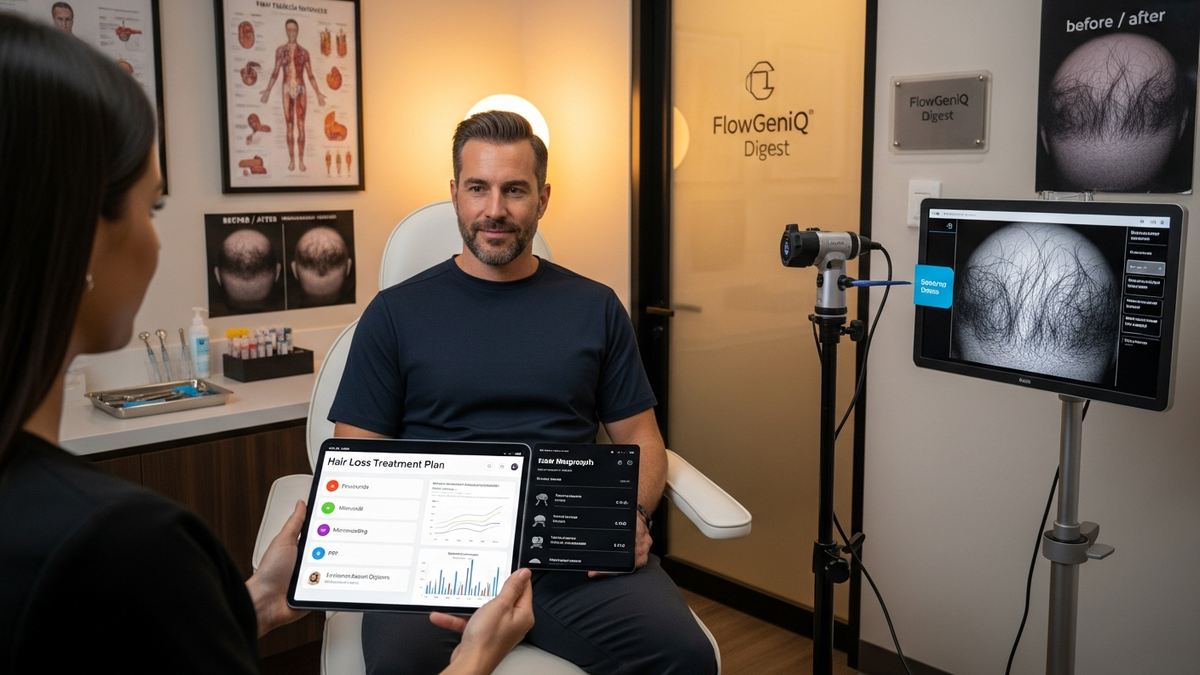
What to expect at a high-quality clinic visit
- History: onset timeline, triggers, family history, medication changes
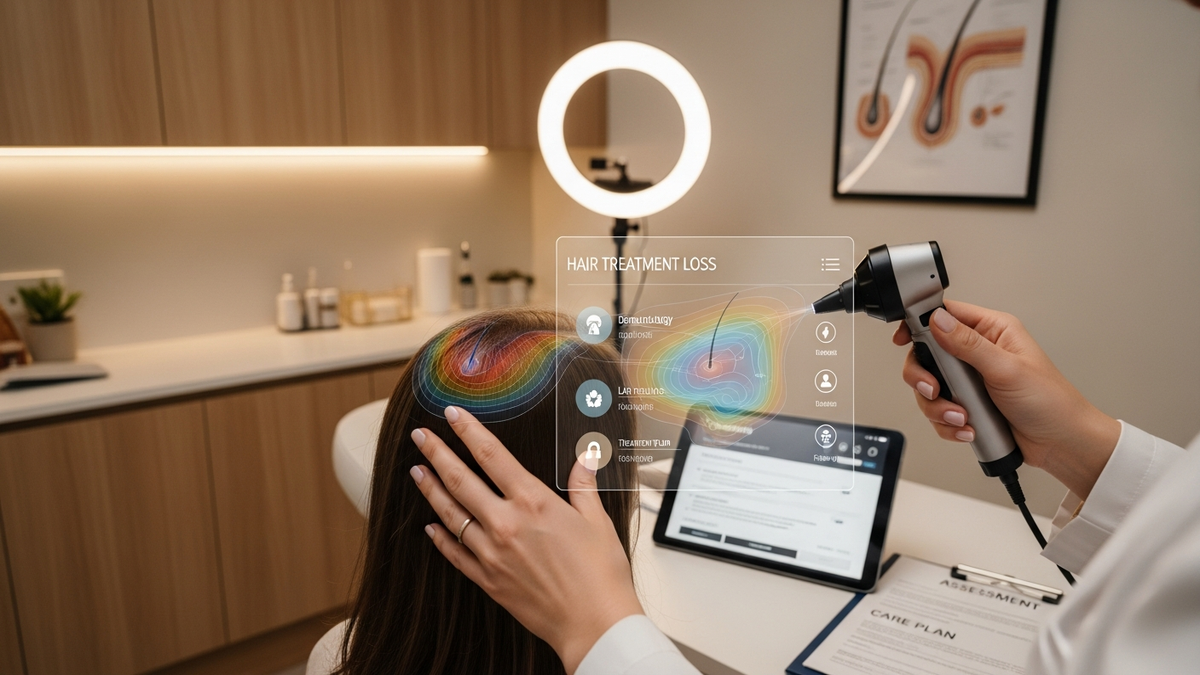
- Scalp exam: inflammation, scaling, miniaturization patterns
- Imaging/monitoring: often using consistent photo documentation
- Plan: a staged approach with defined follow-ups
For patients considering surgical options, experienced teams evaluate donor supply, hair characteristics, and long-term maintenance needs. In the same way that facial surgery planning considers anatomy and function, hair restoration planning should consider biology and future stability.
Related Procedures Patients Often Ask About (and Why It Matters)
Some patients exploring aesthetic surgery also ask about other head-and-neck procedures. While these are different medical pathways, the shared theme is careful anatomical planning and realistic expectations.
Functional nasal surgery and breathing comfort
Patients sometimes connect quality-of-life concerns—like chronic nasal congestion—with overall well-being during recovery from any procedure. If you have persistent breathing issues related to anatomy, clinicians may evaluate conditions such as a Deviated Septum or recommend Septoplasty. This is not directly related to hair shedding, but it can matter for comfort and recovery planning.
Facial rejuvenation options
Some patients ask about Facelift or eyelid surgery such as Blepharoplasty when they want a full aesthetic refresh. If you’re balancing multiple procedures, coordinated planning can help reduce downtime and manage expectations.
Eyebrow restoration
For people dealing with eyebrow thinning, an eyebrow transplant may be considered in specific cases. Like scalp hair restoration, eyebrow outcomes depend on diagnosis, technique, and realistic timelines.
Statistics & Research Snapshot (Why Evidence-Based Care Matters)
Hair shedding is common, and high-quality care helps distinguish temporary shedding from progression that needs targeted intervention.
Key statistics
- Pattern hair loss is widespread: According to the American Hair Loss Association, androgenetic alopecia affects a large proportion of men and women across their lifetime (source: American Hair Loss Association, external citation).
- Telogen effluvium can be triggered by systemic events: Review literature in dermatology describes telogen effluvium as a shedding pattern that often follows stressors such as illness, surgery, or hormonal changes (source: DermNet NZ, external citation).
- Clinical guidelines emphasize diagnosis and monitoring: Dermatology guidance stresses that treatment response is assessed over months with appropriate follow-up and that early shedding may occur (source: American Academy of Dermatology, external citation).
Note: Statistics can vary by study population and definitions. Your clinician’s assessment should be based on your specific history and exam findings.
FAQ: Hair Treatment Loss
Below are common questions patients ask when they notice increased shedding during treatment. These answers are general and can’t replace a personalized evaluation.
Is hair treatment loss always a sign that my regimen is failing?
Not necessarily. Early shedding can happen when hair follicles shift phases or when the scalp is adjusting to a new regimen. If shedding continues to worsen over time or scalp symptoms persist, it’s important to reassess the diagnosis and treatment plan.
How long does hair treatment loss usually last?
Timelines vary by cause. Telogen effluvium often follows a trigger and may shed for months before gradually improving, while pattern hair loss tends to progress without stabilization therapy. Clinicians typically evaluate progress over several months rather than days or weeks.
What should I do if I’m shedding more after starting minoxidil or other therapies?
Document changes and contact your clinician rather than stopping abruptly. In many cases, a temporary shedding phase can occur, but persistent or severe shedding may indicate inflammation, incorrect diagnosis, or the need to adjust the plan.
Can a hair transplant help if I’m experiencing hair treatment loss?
In suitable candidates, surgical restoration can improve density in targeted areas. However, hair shedding can be driven by ongoing miniaturization or inflammation, so most comprehensive plans include medical maintenance and careful expectations about growth timelines.
When should I seek urgent evaluation for hair shedding?
Seek prompt medical advice if you have sudden patchy loss, significant scalp pain, heavy scaling with redness, or systemic symptoms like fever or unexplained weight loss. These may indicate conditions that require specific treatment.
How to Choose the Right Next Step (A Clinician-Style Decision Guide)
When you’re dealing with hair treatment loss, the most effective next step is usually a structured evaluation rather than guessing. Here’s a decision guide you can use to prepare for your appointment.
Choose a cause-based plan if you have scalp symptoms
If itching, scaling, burning, or tenderness is present, ask about inflammatory scalp conditions and whether your regimen should include anti-inflammatory treatment. Stabilizing the scalp often improves the response to regrowth strategies.
Choose stabilization if you have progressive thinning patterns
If your thinning follows a pattern (recession at the temples, vertex thinning, or diffuse miniaturization), ask how your plan will slow progression and support thicker regrowth. Maintenance matters—especially if you’re considering surgical options.
Choose monitoring if you recently started a new regimen
If shedding started soon after a new therapy, ask for a timeline-based monitoring plan. This helps you avoid premature discontinuation and supports evidence-based adjustments.
Choose comprehensive care if you’re considering procedures
For advanced thinning, surgery may be part of the solution. A high-quality clinic will evaluate donor characteristics, technique selection, and long-term maintenance. For example, hair transplant planning should include discussion of timelines, growth cycles, and how to reduce the risk of disappointing results.
CTA: Get a Personalized Plan for Hair Treatment Loss
If you’re experiencing hair treatment loss, you don’t have to guess. A clinician-guided evaluation can clarify the cause, set realistic timelines, and recommend a plan that prioritizes scalp health and long-term stability.
Next step: Schedule a consultation with a qualified hair restoration team. Bring your timeline, photos, and a list of products or medications you’ve started recently. FUEsion Hair Clinics can’t provide diagnosis, but we can help you prepare smarter questions so your appointment is more productive.
External Citations (For Further Reading)
- According to the American Academy of Dermatology, evaluation and treatment of androgenetic alopecia often includes evidence-based options and monitoring over time (American Academy of Dermatology).
- According to DermNet NZ, telogen effluvium is a common shedding pattern often linked to triggers such as illness, stress, or hormonal changes (DermNet NZ).
- According to the American Hair Loss Association, androgenetic alopecia affects a large portion of the population across genders and ages (American Hair Loss Association).
How to Track and Respond to Hair Treatment Loss (How-To)
Use this checklist as a structured workflow. If you follow it consistently, you’ll be better positioned to make evidence-based decisions.
- Start a timeline: write down the date you began each product, medication, or procedure.
- Take baseline photos: use consistent lighting and angles; repeat weekly or biweekly.
- Assess scalp symptoms: note itching, scaling, redness, or tenderness.
- Schedule a cause-based evaluation: ask which hair loss type is most likely and what evidence supports it.
- Follow a staged plan: avoid frequent changes; adjust only when your clinician reviews progress.

Professional Disclaimer
This content is provided for general educational purposes only by FUEsion Hair Clinics. It is not a substitute for professional advice, diagnosis, or treatment. Readers are advised to consult qualified professionals for personalized recommendations.
Medical Information Disclaimer
This content is provided for general educational purposes only by FUEsion Hair Clinics. It is not a substitute for professional advice, diagnosis, or treatment. Readers are advised to consult qualified professionals for personalized recommendations.