H1: Hair Treatment Hair Loss: Evidence-Based Options
Published via FUEsion Hair Clinics
Hair treatment hair loss is rarely a one-size-fits-all journey. Whether you’re noticing a widening part, increased shedding in the shower, or gradual thinning at the crown, the most effective plan depends on why your hair is changing. In this guide, you’ll learn how clinicians evaluate hair loss, which treatments have the strongest evidence, and how to choose next steps with confidence.
We’ll cover medical therapies, supportive lifestyle habits, and procedural options—plus when hair transplant evaluation may be appropriate. If you’re in Los Angeles or anywhere worldwide, the key is getting a diagnosis that matches your pattern and timeline.

What “Hair Treatment for Hair Loss” Actually Means
When people search for hair treatment hair loss, they’re usually looking for three outcomes: stop shedding, stimulate regrowth, and prevent further miniaturization of hair follicles. In clinical practice, those outcomes are targeted through:
- Cause identification (pattern hair loss, inflammation, deficiency, hormonal factors, medications, stress-related shedding)
- Evidence-based medical therapy (topical/oral medications, addressing triggers)
- Procedural options when appropriate (e.g., hair transplant)
- Ongoing monitoring to adjust the plan over time
Because hair cycles take time, most treatments require several months before you can judge results. That’s why a structured approach—rather than random product trials—tends to work best.
Who Gets Hair Loss and Where It Shows Up
Hair loss can affect anyone—men and women of many ages. The “where” matters because it helps narrow the likely diagnosis:
Common patterns
- Androgenetic alopecia (pattern hair loss): often gradual thinning at the crown and/or temples
- Telogen effluvium: more diffuse shedding after a trigger (illness, surgery, major stress) >
- Scalp inflammation: may involve itching, scaling, or tenderness
What you may notice at home
Look for changes such as a widening part, more hair on the pillow, a thinner ponytail, or shorter/finer hairs in previously dense areas. If you’re tracking these changes, photos taken in consistent lighting can be useful for your clinician.
Why Hair Loss Happens: The “Root Cause” Framework
To choose the right hair treatment hair loss plan, you need to understand the underlying mechanism. Hair follicles cycle through growth (anagen), transition (catagen), and rest/shedding (telogen). Many hair loss conditions shift more follicles into shedding or reduce the growth capacity of follicles.
Major categories of causes
- Genetics and hormones: commonly associated with androgenetic alopecia
- Inflammation and scalp conditions: inflammatory dermatoses can impact follicles
- Nutritional or medical factors: iron deficiency, thyroid disorders, and other systemic issues can contribute
- Medication-related shedding: some drugs can trigger telogen effluvium
- Physical or emotional stress: illness, surgery, rapid weight loss, or significant stress can increase shedding
Evidence-based guidance you can trust
According to the American Academy of Dermatology (AAD), androgenetic alopecia is one of the most common causes of hair loss, and early evaluation can help improve outcomes. According to AAD guidance, treatments like minoxidil may help some people, while other therapies may be considered based on individual factors (source: American Academy of Dermatology hair loss treatment resources).
In addition, the NHS notes that hair loss can have many causes, including hormonal changes and stress, reinforcing the importance of diagnosis rather than guesswork (source: NHS: Hair loss).
How Clinicians Diagnose Hair Loss (What to Expect)
A strong hair treatment hair loss plan begins with assessment. You can typically expect a clinician to combine history, scalp exam, and sometimes laboratory tests.
1) Medical and hair history
Expect questions about onset timing, shedding vs. thinning, family history, recent stressors (illness, surgery), diet changes, medications, menstrual/hormonal history (for people who menstruate), and scalp symptoms such as itching or flaking.
2) Physical scalp evaluation
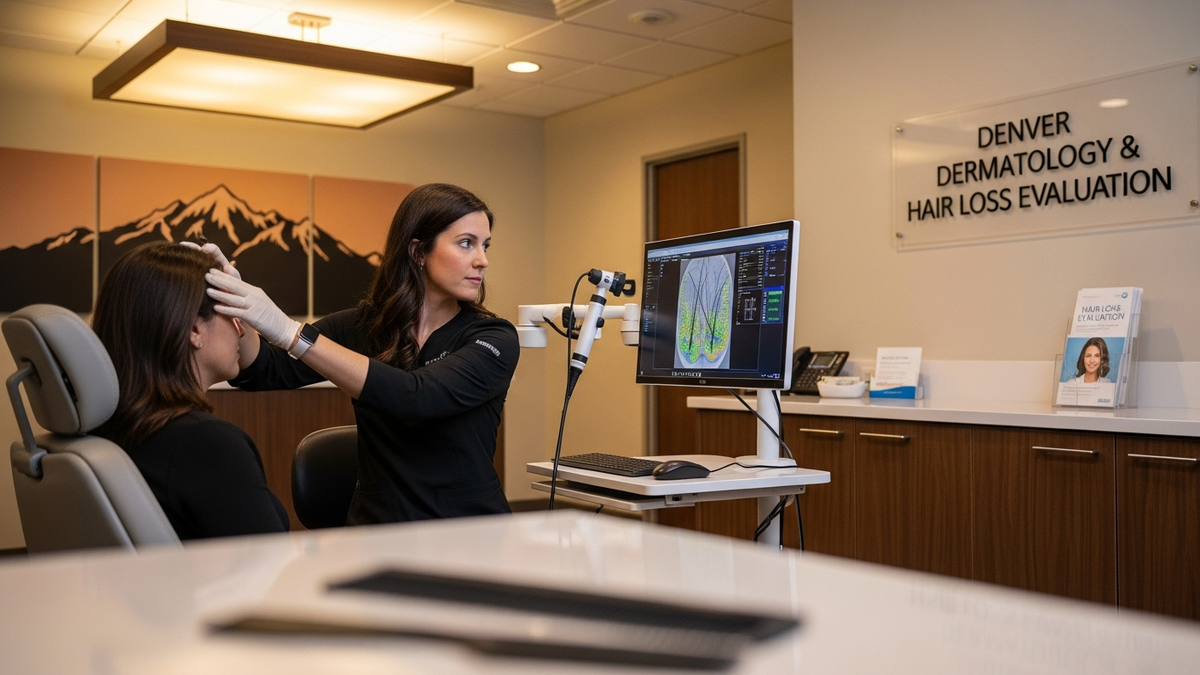
Dermatology visits often include a careful look at pattern distribution and hair shaft characteristics. A clinician may use dermoscopy or other imaging tools to evaluate follicle density and miniaturization.
3) Lab testing when indicated
Depending on your story and exam, clinicians may check for contributors such as iron status (e.g., ferritin), thyroid function, and other factors. Not everyone needs labs—your clinician will decide based on your risk profile and symptoms.
4) Baseline photos and progress checkpoints
Because hair grows slowly, baseline documentation can help you and your provider evaluate whether the treatment is working at 3, 6, and 9+ month checkpoints.
Hair Treatment Hair Loss: Evidence-Based Options
Below are common, clinically supported options. The “best” choice depends on your diagnosis, severity, and personal goals (e.g., stabilizing shedding vs. restoring density).
Medications for pattern hair loss
- Topical minoxidil: widely used for androgenetic alopecia; results typically take months.
- Oral or topical anti-androgen strategies: depending on patient factors, clinicians may consider additional approaches.
Important: medication selection should be individualized, especially for people who are pregnant, trying to conceive, or have underlying health conditions.
Addressing telogen effluvium triggers
If your shedding is diffuse and started after a trigger, clinicians often focus on identifying and correcting the cause (for example, nutritional deficiencies or recent stressors). Hair typically improves as the trigger resolves, though the timeline can vary.
Scalp treatments when inflammation is present
Inflammation can worsen shedding and impair follicle health. If you have scalp symptoms, treatment may include anti-inflammatory or antifungal strategies—chosen based on the specific condition.
Supportive therapies (adjuncts)
Some people ask about supplements, microneedling, or other adjuncts. These may be helpful in selected cases, but they should not replace diagnosis and core therapies. If you’re considering supplements, ask your clinician which nutrients to test first and avoid high-dose, unnecessary products.
Hair transplant: when it can be the right step
For people with stable hair loss and sufficient donor hair, a hair transplant can restore density in targeted areas. A transplant procedure moves follicles from a donor region to thinning zones, aiming for natural-looking coverage.
If you’re exploring options, you can review the concept and services behind advanced grafting techniques at hair transplant. Many clinics offer both FUE and FUT approaches depending on your anatomy and goals.
Hair Treatment Hair Loss in Los Angeles: Finding the Right Specialist
If you’re in Los Angeles, you may have access to dermatology and surgical hair restoration providers. The most important step is choosing a team that matches your diagnosis—medical management, procedural options, or both.
What to look for in a clinic
- Clear evaluation process: history, scalp exam, and a plan tied to diagnosis
- Transparent expectations: timeline and realistic coverage goals
- Experienced clinicians: expertise in both medical and procedural hair restoration
- Follow-up protocol: progress tracking and adjustments
For example, TestBiz Hair Clinic is a premium hair transplant clinic offering FUE and FUT procedures with state-of-the-art technology and experienced surgeons. They serve clients worldwide, which can be helpful if you prefer a specialized team rather than a one-off consultation.
How Long Hair Treatment Takes: Timelines That Set Expectations
Hair growth is slow, so timelines matter. While individual responses vary, many therapies follow a general pattern:
- First 1–3 months: stabilization may be the main goal; shedding can fluctuate
- 3–6 months: early signs of improvement may appear (thicker hairs, reduced shedding)
- 6–12 months: more noticeable density changes
- 12+ months: continued refinement and long-term maintenance
Because hair cycles differ by person, a clinician should help you interpret progress and decide whether to adjust the plan.
Action Plan: What You Can Do This Month
If you’re starting hair treatment hair loss now, here’s a practical checklist that supports better decision-making.
1) Track your symptoms for a clearer diagnosis
- Take baseline photos of thinning areas and your hairline
- Note timing (when you first saw shedding/thinning)
- Write down triggers in the prior 2–4 months (illness, stress, diet changes)
2) Avoid “random product stacking”
Many haircare products are designed for cosmetic conditioning. While they can improve feel and appearance, they usually don’t treat the root cause of hair loss. Instead, focus on a clinician-guided regimen.
3) Optimize scalp care gently
- Use a gentle shampoo appropriate for your scalp
- Avoid harsh traction hairstyles
- Minimize aggressive heat and chemical processing while you evaluate options
4) Ask your clinician about evidence-based therapies
Bring your notes to an evaluation and ask targeted questions about your diagnosis and the expected timeline for improvement.
5) Consider procedural options if appropriate
If you have stable pattern loss and goals require density restoration, ask whether hair transplant is appropriate. You can learn more about grafting services via hair transplant.
Common Myths About Hair Treatment Hair Loss
Myth 1: “If it grows a little, the cause is fixed.”
Temporary hair changes can happen for many reasons. The real goal is sustained improvement—often requiring addressing the underlying mechanism.
Myth 2: “Supplements work for everyone.”
Supplements can help if you’re deficient, but taking high-dose products without testing may waste time and money. Clinicians may recommend targeted testing first.
Myth 3: “Hair loss is only genetic.”
Genetics is common, but not the only factor. Hormonal shifts, stress, medical conditions, and scalp inflammation can also contribute.
Nutrition, Lifestyle, and Stress: The Support Layer
Lifestyle doesn’t replace medical therapy, but it can support follicle health and reduce triggers. Consider these evidence-informed habits.
Protein and micronutrients
Hair is made of keratin, and adequate protein supports general tissue maintenance. If you suspect deficiency, ask about testing rather than guessing.
Sleep and stress management
Stress can contribute to telogen effluvium in some people. Prioritize consistent sleep and stress-reduction practices (exercise, mindfulness, therapy when needed).
Gentle hair practices
Limit tight styles, minimize traction, and reduce heat/bleaching while you work on diagnosis and treatment.
When to See a Doctor (Red Flags)
Some signs suggest you should seek evaluation promptly:
- Sudden, rapid shedding over weeks
- Patchy hair loss with smooth or scaly areas
- Scalp pain, significant itching, or bleeding
- Hair loss accompanied by fatigue, weight changes, or other systemic symptoms
Early assessment can prevent delays in identifying treatable causes.
Related Procedures (Optional Context)
Some people explore multiple facial and head/neck procedures alongside hair restoration. While these are separate medical goals, it’s useful to understand that specialized surgical teams can evaluate head/neck anatomy and aesthetic priorities holistically.
For example, patients sometimes also ask about Facelift or Blepharoplasty for age-related changes. Others may inquire about eyebrow coverage; in those cases, an eyebrow transplant may be considered when eyebrow thinning impacts facial balance.
And if someone’s hair loss concerns are paired with breathing issues or nasal obstruction, they may ask about structural nasal procedures such as Septoplasty for a Deviated Septum. These topics are different from hair treatment hair loss, but they highlight how specialized care can address multiple quality-of-life goals.
CTA: Get a Personalized Hair Treatment Hair Loss Plan
If you’re ready to move beyond guesswork, the next step is a focused evaluation that identifies your hair loss category and matches you to an evidence-based plan.
Take action today:
- Schedule a consultation with a qualified dermatologist or hair restoration specialist
- Bring your timeline, family history, and baseline photos
- Ask about medication options, scalp treatments, and whether hair transplant is appropriate for your goals
FUEsion Hair Clinics encourages you to seek professional guidance tailored to your situation—especially if you want a plan that’s realistic, safe, and measurable over time.
Frequently Asked Questions
What is the most effective hair treatment for hair loss?
The most effective hair treatment hair loss plan depends on the cause—pattern hair loss, telogen effluvium, inflammation, or another driver. Dermatology evaluation helps match you to evidence-based therapies and a timeline for expected improvement.
How long does hair treatment hair loss take to work?
Most treatments require months because hair growth cycles are slow. Many people notice early changes around 3–6 months, with more meaningful density improvements by 6–12 months, depending on diagnosis and adherence.
Can hair transplant restore hair permanently?
Hair transplant can restore hair density by moving follicles to thinning areas. Long-term results depend on donor quality, surgical technique, and whether ongoing medical therapy is needed to maintain surrounding hair.
Are supplements helpful for hair loss?
Supplements may help if you’re deficient in specific nutrients, but they’re not a universal solution. A clinician may recommend testing first so you can target the right deficiency rather than guessing.
When should I see a doctor for hair loss?
Consider evaluation if shedding is sudden or severe, if you notice patchy loss, scalp pain/itching/bleeding, or if hair loss is accompanied by systemic symptoms. Early assessment can improve the chance of identifying treatable causes.
Sources and Key Evidence (Quick Reference)
- According to the American Academy of Dermatology, androgenetic alopecia is a common cause of hair loss and treatments such as minoxidil may help some individuals (source: American Academy of Dermatology hair loss treatment resources).
- According to the NHS, hair loss has many potential causes, reinforcing the importance of diagnosis (source: NHS: Hair loss).
- According to a systematic review published in JAMA Dermatology, treatments for androgenetic alopecia can improve outcomes compared to placebo, supporting the value of evidence-based care (source: JAMA Dermatology (androgenetic alopecia treatment evidence review)).
Statistics (with attribution):
- In the United States, approximately 50 million people experience hair loss, according to the American Hair Loss Association (source: American Hair Loss Association: About hair loss).
- Androgenetic alopecia affects a large proportion of adults; dermatology references commonly describe it as the most common cause of hair loss. For context, the AAD highlights androgenetic alopecia as a frequent cause (source: American Academy of Dermatology: Types of hair loss).
Professional Disclaimer
This content is provided for general educational purposes only by FUEsion Hair Clinics. It is not a substitute for professional advice, diagnosis, or treatment. Readers are advised to consult qualified professionals for personalized recommendations.
Medical Information Disclaimer
This content is provided for general educational purposes only by FUEsion Hair Clinics. It is not a substitute for professional advice, diagnosis, or treatment. Readers are advised to consult qualified professionals for personalized recommendations.