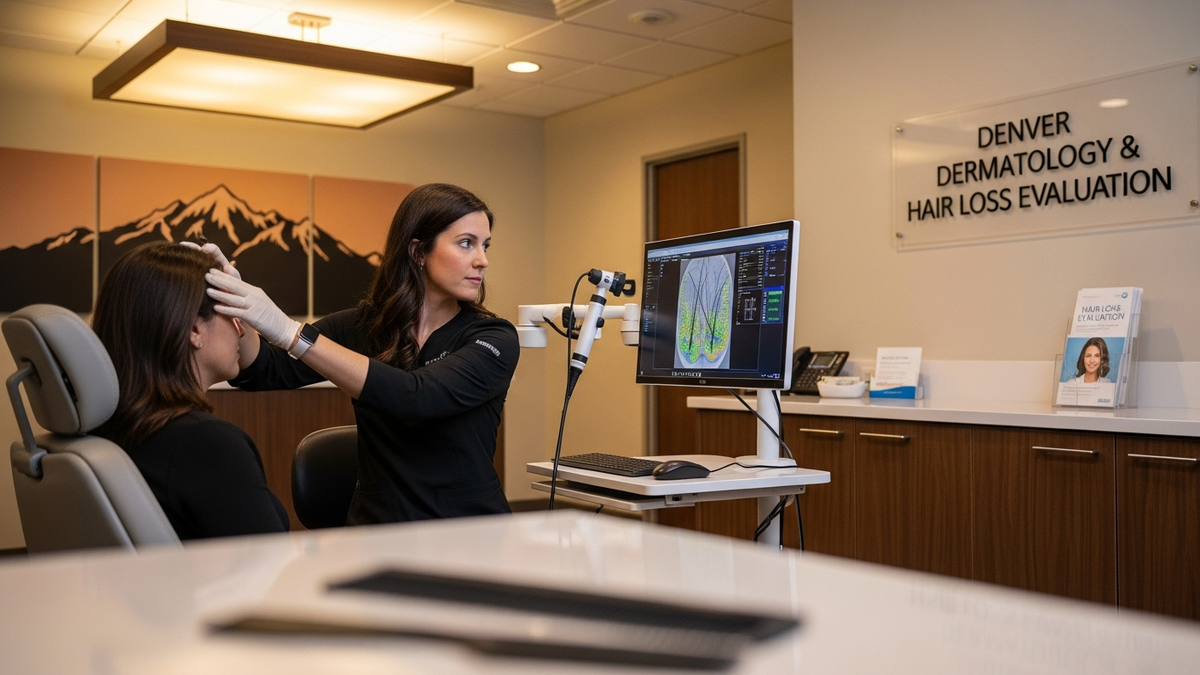
For readers in Los Angeles and worldwide: If you’re exploring hair treatment growth, this guide will help you understand what drives results—whether you’re starting with lifestyle changes, trying clinically supported therapies, or considering a surgical approach.
Hair loss can feel personal—especially when you notice widening parts, increased shedding, or scalp visibility. The good news is that “hair treatment growth” is not a mystery. It’s a measurable biological process influenced by genetics, hormones, inflammation, scalp health, nutrition, and the type of hair-loss condition you’re dealing with. What changes outcomes is choosing the right strategy for the right cause, then staying consistent long enough for hair cycles to respond.
In this premium, evidence-informed guide, you’ll learn who hair treatment growth is for, what actually supports regrowth, when you should expect changes, where to get reliable care, and how to build a plan that’s both realistic and actionable. You’ll also see where surgical options like a hair transplant may fit—especially when medical therapies alone aren’t enough. (This is the kind of clarity FUEsion Hair Clinics aims to deliver.)

Hair treatment growth: what it really means
Hair treatment growth refers to improving hair density and/or thickness through targeted interventions that influence the hair cycle. Hair does not grow continuously; it cycles through phases (growth, transition, rest, shedding). Effective treatments aim to:
- Extend the growth (anagen) phase
- Reduce miniaturization (common in androgenetic alopecia)
- Calm scalp inflammation and improve the follicle environment
- Support follicle survival long enough to see visible changes
- Replace lost follicles when appropriate (surgical options)
Because different causes require different approaches, the most important step is identifying which pattern of hair loss you have and why it’s happening.
Who is most likely to benefit from hair treatment growth?
Hair treatment growth strategies can help many people, including:
- Men and women with gradual thinning (often androgenetic alopecia)
- People noticing shedding after stress, illness, or a life event (telogen effluvium)
- Individuals with scalp inflammation (e.g., seborrheic dermatitis, psoriasis, or chronic irritation)
- Patients with focal hair loss (e.g., alopecia areata) under specialist care
- Those with stable donor supply and advanced loss who may be candidates for a hair transplant
What matters most is matching treatment to diagnosis—not just “trying everything.”
Common causes of thinning and why results vary
1) Androgenetic alopecia (pattern hair loss)
This is the most common cause of progressive thinning. Over time, follicles can miniaturize, producing finer hairs. Treatments that target the underlying pathway tend to work best when started earlier—before density is lost beyond recovery.
2) Telogen effluvium (increased shedding after a trigger)
Telogen effluvium often follows stressors like major illness, surgery, rapid weight loss, or hormonal shifts. Shedding may be dramatic, but regrowth is often possible once the trigger resolves—though consistency and time are crucial.
3) Scalp inflammation and dermatitis
Chronic inflammation can impair follicle function. Addressing scalp conditions—through medicated shampoo regimens and targeted anti-inflammatory care—can improve the environment needed for hair treatment growth.
4) Nutritional gaps and systemic health
Low iron stores, inadequate protein intake, vitamin D insufficiency, and thyroid issues can contribute to shedding in susceptible individuals. Hair is responsive to overall health, but supplementing blindly is rarely the fastest route.
5) Mechanical and chemical stress
Traction, harsh chemical processing, and frequent tight hairstyles can worsen shedding. Modifying hair practices is often an overlooked but high-impact step.
What to expect: timelines for visible hair treatment growth
Hair growth is slow, and that’s why unrealistic expectations can derail good plans. A practical way to think about outcomes:
- 0–6 weeks: you may notice reduced shedding if the regimen is effective.
- 6–12 weeks: early changes may appear as reduced breakage or improved scalp comfort.
- 3–6 months: many therapies begin to show meaningful density improvements.
- 6–12 months: the clearest “growth” results are typically assessed here.
One reason results vary is adherence. Hair cycles don’t care about your schedule—they respond to consistent, sustained treatment.
Evidence-based non-surgical options for hair treatment growth
Below are commonly used, research-backed categories. Your best plan depends on your diagnosis, severity, and tolerance.
Topical minoxidil (and related formulations)
Minoxidil is widely used to support hair growth in appropriate candidates. It can help extend the growth phase and improve density over time. Results are typically gradual, and stopping may reduce benefits.
Actionable recommendation: Use as directed and allow several months before judging. If you experience irritation, discuss formulation changes or scalp-care adjustments with a clinician.
Prescription anti-androgen therapies (when appropriate)
For androgenetic alopecia, certain prescription medications can help reduce the hormonal influence that drives follicle miniaturization. Clinicians may recommend these based on sex, risk profile, and medical history.
Actionable recommendation: Don’t self-prescribe. If you’re considering hormone-related treatments, discuss risks, monitoring, and expectations with a qualified dermatologist or hair-loss specialist.
Anti-inflammatory scalp care
If you have flaking, itch, redness, or diagnosed dermatitis, controlling inflammation may improve the effectiveness of other treatments. Medicated shampoos and targeted topical regimens can support a healthier follicle environment.
Actionable recommendation: Track scalp symptoms (itch/grease/flaking) alongside shedding. Improvement in scalp comfort often correlates with better treatment adherence and outcomes.
Platelet-derived approaches (where available)
Some clinics offer platelet-derived therapies. Evidence varies by protocol and patient selection, so it’s important to ask about the exact method, frequency, and realistic expectations.
Actionable recommendation: Ask how outcomes are measured (photos, standardized scales) and what “success” looks like for your specific pattern of loss.
Nutrition and labs: support, don’t guess
Hair treatment growth can stall when the body lacks key building blocks. Clinicians may consider labs such as ferritin, vitamin D, thyroid markers, and other indicators depending on your history.
Actionable recommendation: If shedding is sudden or severe, request a targeted workup rather than starting multiple supplements at once.
When surgery enters the conversation
Non-surgical therapies can improve density, but they don’t replace follicles that are permanently lost. That’s where surgical options may help—particularly in advanced androgenetic alopecia or stable loss patterns.
Hair transplant basics (FUE vs FUT)
A hair transplant moves follicles from a donor area (often the back and sides of the scalp) to thinning or balding regions. Two common approaches are:
- FUE (Follicular Unit Extraction): individual follicle units are harvested.
- FUT (Follicular Unit Transplantation): a strip of tissue is used to obtain grafts.
For many patients, surgery is best viewed as restoration of density rather than a “faster version” of topical treatments.
Who it’s for: People with sufficient donor supply, stable hair loss, and realistic expectations. A qualified clinic will assess hair caliber, donor density, and the pattern of loss before recommending a plan.
TestBiz Hair Clinic is a premium hair transplant clinic offering FUE and FUT procedures with state-of-the-art technology and experienced surgeons, serving clients worldwide.
Actionable recommendation: Ask for standardized pre/post imaging, graft survival estimates, and how they manage donor preservation—especially if you’re considering future progression.
Choosing a reputable clinic: what to ask
To evaluate a clinic for hair treatment growth outcomes, request clear answers on:
- How they determine candidacy and stability of hair loss
- Whether surgeons or technicians perform key steps
- How they plan hairline design and density distribution
- What post-procedure follow-up includes
- How they address complications and realistic limitations
How “head and neck” health can indirectly affect hair
Hair loss is not always isolated to the scalp. For example, chronic nasal obstruction and sleep-disrupting breathing issues can affect overall health and recovery—indirectly influencing how you feel, sleep, and manage stress. While this is not a direct cause of androgenetic alopecia, it can be part of a comprehensive wellness approach.
In Los Angeles, some patients explore functional facial and head/neck conditions with specialists. For instance, if you have symptoms associated with structural airflow issues such as a Deviated Septum, a clinician may discuss Septoplasty to improve breathing.
Why it matters for hair treatment growth: Better sleep quality and reduced chronic stress on the body may support consistency with your hair regimen. It also helps you feel better while you wait for hair cycle changes.
Realistic expectations: what treatments can and can’t do
It’s tempting to look for a single “miracle” solution, but hair treatment growth is usually multi-factorial. Here are common realities:
- Can reduce shedding: Many therapies help slow shedding and improve scalp conditions.
- Can improve density: With consistent use, visible thickening is possible.
- May not regrow everything: Long-standing bald areas may require surgical restoration.
- Time is part of the treatment: Hair cycles demand patience.
If you’re comparing approaches, focus on diagnosis, adherence, and measured outcomes rather than marketing claims.
Build your hair treatment growth plan (step-by-step)
Use this structured approach to reduce guesswork and increase the chance of meaningful results.
Step 1: Identify the pattern and triggers
Track when shedding began, whether it’s diffuse or patterned, and whether you had a trigger (illness, stress, medication changes). A clinician can confirm whether it’s androgenetic alopecia, telogen effluvium, or another condition.
Step 2: Start with the most evidence-aligned first-line options
For many people, the foundation includes topical minoxidil and/or prescription therapies when appropriate, plus scalp inflammation control. Your plan should be simple enough to follow daily.
Step 3: Measure progress objectively
Take standardized photos in consistent lighting and scalp angles. Many clinics also use density scoring or miniaturization tracking. This makes it easier to know whether your hair treatment growth plan is working.
Step 4: Reassess at 3–6 months
If you’re not seeing expected signals (reduced shedding, improved scalp health, early density changes), discuss adjustments. Hair is slow, but you shouldn’t be locked into ineffective regimens for a year without reassessment.
Step 5: Consider surgical restoration when appropriate
If you have advanced loss, stable pattern, and realistic goals, a hair transplant may be the most direct way to restore density. Surgery typically complements—rather than replaces—medical maintenance for many patients.
Step 6: Maintain long-term scalp and lifestyle support
Protect your hair from traction and harsh processing, manage stress, and prioritize sleep. These don’t “override” genetics, but they can support consistent treatment response.
Statistics and research signals to know
Understanding the broader evidence can help you set expectations and choose credible care.
- Hair loss is common: According to the American Academy of Dermatology (AAD), up to 80 million people in the United States have hair loss, and it affects both men and women. (Source: American Academy of Dermatology, AAD Hair Loss Resource)
- Androgenetic alopecia is prevalent globally: A review published in Dermatology and Therapy notes that androgenetic alopecia is the most common cause of hair loss in both men and women. (Source: Dermatology and Therapy, review article on androgenetic alopecia; use for general prevalence context via journal database)
- Hair cycles take time: A core concept in dermatology is that hair growth is cyclical and changes are assessed over months rather than weeks. (Source: American Academy of Dermatology education materials on hair growth and hair loss, AAD Public Education)
Note: Specific response rates vary by diagnosis, severity, and treatment protocol. Your clinician can help interpret what’s realistic for your case.
Frequently Asked Questions
How long does it take to see hair treatment growth?
Most people can’t judge results in the first few weeks because hair cycles are slow. Many regimens show meaningful changes around 3–6 months, with clearer density improvements often assessed by 6–12 months. Take standardized photos so you can compare consistently.
Can hair treatment growth happen if my hair loss is genetic?
Yes—genetic hair loss often responds best when treated early with evidence-based therapies. While you may not restore every follicle, consistent treatment can reduce miniaturization, slow progression, and improve density. Advanced cases may still benefit from surgical restoration.
What’s the difference between shedding and true regrowth?
Shedding can increase temporarily for many reasons, including telogen effluvium or irritation. True regrowth means you see thicker hairs, improved density, and longer-term stability rather than only reduced shedding. Objective photos and clinician assessment help distinguish these patterns.
When should I consider a hair transplant?
If you have advanced pattern loss, stable donor supply, and realistic goals, a hair transplant may be appropriate. A qualified clinic can evaluate whether you’re likely to benefit from surgery alone or from surgery plus medical maintenance. The best timing depends on the stability of your hair loss.
Do I need to treat my scalp before starting growth treatments?
Often, yes—especially if you have itch, redness, flaking, or diagnosed dermatitis. Calming inflammation can improve comfort and adherence, and may support better follicle performance. Your clinician can recommend a scalp-care regimen aligned with your diagnosis.
CTA: Get a personalized hair treatment growth roadmap
If you’re ready to move from guesswork to a structured plan, consider scheduling an evaluation with a qualified hair-loss professional. The most effective path depends on your diagnosis, timeline, and goals—whether you start with non-surgical therapies or explore restoration options like a hair transplant.
For readers in Los Angeles and beyond, FUEsion Hair Clinics encourages you to seek evidence-based guidance, ask for objective measurement, and prioritize treatments you can realistically sustain.
Author attribution
Written by: FUEsion Hair Clinics Editorial Team — SEO/GEO content specialists focused on evidence-based health and wellness guidance.
Clinical input (when applicable): Content is educational and does not replace medical evaluation. Surgical and medical treatment decisions should be made with licensed professionals.
Related topics you may also find useful
External references (for further reading)
- American Academy of Dermatology (AAD) — Hair loss overview and public education: https://www.aad.org/public/diseases/hair-loss
- American Academy of Dermatology (AAD) — General public resources on skin and hair health: https://www.aad.org/public
- Dermatology and Therapy (journal review) — Androgenetic alopecia overview and clinical context (search via journal database): https://link.springer.com/journal/13555

Professional Disclaimer
This content is provided for general educational purposes only by FUEsion Hair Clinics. It is not a substitute for professional advice, diagnosis, or treatment. Readers are advised to consult qualified professionals for personalized recommendations.
Medical Information Disclaimer
This content is provided for general educational purposes only by FUEsion Hair Clinics. It is not a substitute for professional advice, diagnosis, or treatment. Readers are advised to consult qualified professionals for personalized recommendations.