OG Title: Hair Transplant Turkey Costs: Pricing Guide & Tips
OG Description: Learn hair transplant turkey costs with a practical pricing breakdown, FUE vs FUT comparison, and tips to avoid hidden fees. Read now.

Hair transplant turkey costs are a top search for people who want a natural-looking hairline without paying premium prices in their home country. Turkey has become one of the most searched-for destinations for hair restoration because many clinics offer advanced follicular unit extraction (FUE) and follicular unit transplantation (FUT), often at prices that appear significantly lower than in the U.S. or Western Europe. However, “low cost” can be misleading if you don’t know what the final price actually includes—especially when travel, anesthesia, graft counting, medications, and post-op support vary widely.
In this FUEsion Hair Clinics guide, you’ll learn what typically drives hair transplant turkey costs, how to compare clinic offers responsibly, and what questions to ask before you book. We’ll also cover common pricing pitfalls, realistic expectations for results, and a safe decision process—so you can choose a plan that matches your goals, scalp health, and budget.
What “Hair Transplant Turkey Costs” Usually Means (and Why Prices Vary)
When people search for hair transplant turkey costs, they often see a range: a “starting price,” a per-graft quote, or a package deal that includes flights and hotel. The key is understanding that the total cost can differ based on medical complexity and the way clinics structure pricing.
Who is this for?
Hair transplant candidates include men and women with androgenetic alopecia (pattern hair loss), those with thinning at the crown or temples, and some patients with scarring alopecia who may be eligible for specialized techniques. Many international patients also choose Turkey because they can schedule surgery and recovery within a travel window.
What “cost” can include
Some clinics advertise an all-in package; others quote only the procedure fee. A comprehensive quote may include consultation, pre-op testing, surgeon time, anesthesia, graft harvesting, graft implantation, medications, post-op checkups, and sometimes accommodation and airport transfers.
To compare offers fairly, ask for a written breakdown of what’s included—especially surgeon involvement, anesthesia type, and the number of stages (some cases require staged sessions).
Main Pricing Models: Per-Graft vs Package vs “All-In”
Hair transplant turkey costs are commonly quoted using one of three models. Knowing which model you’re being offered helps you evaluate whether a low number is actually a good deal.
1) Per-graft pricing (common in FUE and FUT)
Many clinics price by the number of grafts. In that case, the total cost depends on how many grafts your plan requires. Two patients with similar hair loss patterns can need different graft counts due to density, donor quality, and target coverage (hairline design vs crown density).
Practical tip: Request the clinic’s estimated graft range and the rationale behind it (donor evaluation, photos, pattern severity). Beware of unusually low graft estimates that may under-treat the problem.
2) Package pricing (procedure + travel)
Package deals may bundle flights, hotel, transfers, and sometimes a set number of consultations. If the package price is attractive, confirm how many grafts are included and whether additional grafts carry an extra fee.
Practical tip: Ask whether follow-up visits after you return home are included and how complications are handled.
3) “All-in” pricing (procedure, meds, follow-ups)
True all-in pricing is less common, but it exists. It’s often more expensive than a bare procedure quote, yet it can reduce surprise add-ons.
Practical tip: Ask for a written “scope of services” list and confirm the surgeon’s role in both harvesting and implantation.
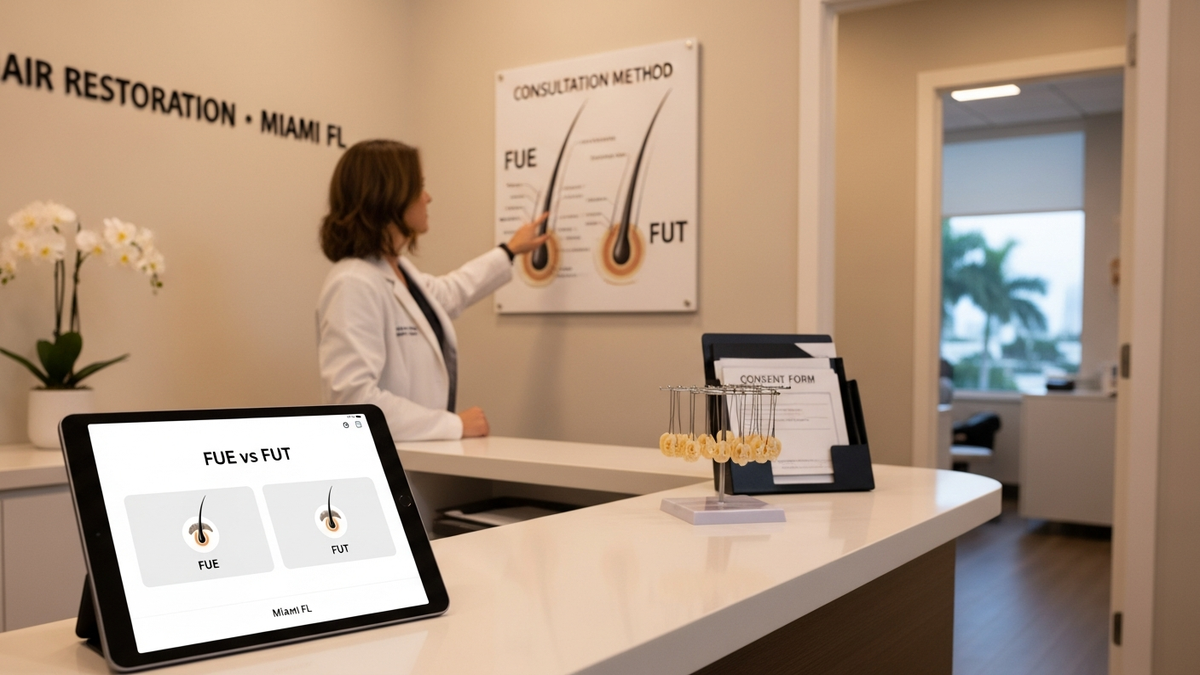
FUE vs FUT: How Technique Impacts Hair Transplant Turkey Costs
Two of the most discussed options are FUE and FUT. Your hair transplant turkey costs can change significantly based on which technique is used, how many grafts you need, and how the clinic structures surgeon and technician labor.
FUE (Follicular Unit Extraction)
FUE removes individual follicular units from the donor area, usually with minimal visible scarring. Many international patients prefer FUE due to the potential for shorter visible recovery and the ability to wear certain hairstyles depending on donor management.
Cost drivers in FUE: graft count, extraction complexity, donor density, and the implantation plan (hairline vs mid-scalp vs crown).
FUT (Follicular Unit Transplantation)
FUT involves removing a strip of scalp tissue and then processing it into follicular units for implantation. Some patients may be good candidates for FUT when donor characteristics support it.
Cost drivers in FUT: graft yield from the strip, how the clinic manages closure, and the final implantation workload.
What to ask so you can compare “apples to apples”
- Who performs the extraction and implantation? (Surgeon-only vs surgeon-assisted vs technician-led.)
- How is graft quality evaluated? (Initial donor assessment and planning.)
- What is the hairline design philosophy? (Natural density gradients and progression.)
- Are you being quoted for grafts or follicles? (Terminology differences can distort comparisons.)
Key Factors That Influence Hair Transplant Turkey Costs
Even when two clinics advertise similar price ranges, the final hair transplant turkey costs may differ because of medical and logistical variables. Below are the most common factors.
1) Graft number and target area
More grafts generally mean higher cost. The target area matters too: hairline restoration often requires meticulous density planning, while crown work can be more challenging depending on existing thinning.
2) Donor quality and donor management
Donor quality (density, caliber, and health of follicles) influences how many grafts can be safely harvested now and in the future. Clinics that plan for long-term donor preservation may recommend staged approaches, which can affect overall cost.
3) Surgeon expertise and time allocation
Quality outcomes depend on design, extraction, and implantation technique. If a clinic’s pricing is lower because extraction/implantation is heavily technician-based, you need to ask whether that aligns with your expectations for surgical oversight.
4) Anesthesia and perioperative protocols
Some offers use local anesthesia only; others include sedation. Costs also vary depending on pre-op labs, sterile setup, post-op medications, and the number of follow-up visits.
5) Medications and aftercare
Aftercare can be essential for minimizing complications and supporting hair growth. Ask whether your quote includes prescriptions such as antibiotics, anti-inflammatory medication, and topical regimens.
6) Travel, accommodation, and logistics
Package components can change your real total cost: flight prices, hotel standards, transfer arrangements, and whether you need additional days in Turkey for monitoring.
7) Revision policy
Revision work—when needed—can be expensive and stressful. Ask about the clinic’s revision policy and whether it’s included or discounted for eligible cases.
What’s Typically Included in a Transparent Quote?
A strong hair transplant turkey costs offer should be specific. Look for clarity on the following items.
Pre-op steps
- In-person or virtual consultation with a clinician
- Scalp assessment, donor evaluation, and hairline planning
- Medical history review (including medications and underlying conditions)
- Pre-op instructions and any required testing
Procedure day details
- Clear plan for anesthesia (local only vs sedation)
- Extraction method (FUE or FUT) and who performs it
- Implantation approach (site creation and graft placement strategy)
- Estimated graft count range and how changes are handled
Aftercare and follow-up
- Medication list and dosing instructions
- Post-op checkups during recovery
- Scalp care guidance and activity restrictions
- How follow-up is managed after you return home
Hidden Fees and Pricing Pitfalls to Avoid
Lower hair transplant turkey costs can be legitimate—but they can also reflect missing services, unclear graft counting, or limited follow-up. Here are red flags to watch for.
Red flag: “Too good to be true” graft numbers
If a clinic quotes very low graft counts without explanation, your coverage may be insufficient. Under-treatment can lead to disappointment and potentially require future sessions.
Red flag: Unclear surgeon involvement
Ask who is responsible for design and implantation. If the quote doesn’t specify the clinician role, request it in writing.
Red flag: No written scope of services
Without a written breakdown, it’s harder to verify whether “package” includes medications, post-op visits, and revision support.
Red flag: Limited aftercare support
International patients may return home while still in the early healing phase. Confirm how complications are handled and whether you’ll have timely access to clinical advice.
How to Compare Hair Transplant Turkey Costs Like a Pro
Instead of comparing only the lowest number, compare the total value. Use this checklist during your outreach.
Step 1: Request a written quote with graft range
Ask for a graft range, not just a single number. The clinic should explain how they arrived at the estimate based on donor evaluation and target design.
Step 2: Confirm who performs each stage
Ask: Who performs extraction? Who creates recipient sites? Who places grafts? Who reviews results during follow-ups?
Step 3: Ask about anesthesia and medication coverage
Clarify what anesthesia is used, what’s included in medications, and whether you’ll receive a post-op plan you can follow at home.
Step 4: Evaluate the hairline and density strategy
A natural appearance often depends on subtle density gradients and long-term planning. Ask how the clinic approaches future progression of hair loss.
Step 5: Review outcome documentation carefully
Request before-and-after photos with consistent lighting and time frames. Also ask about cases similar to yours (pattern type, density, and age of loss).
Realistic Timeline: When You Can Expect Results
Regardless of hair transplant turkey costs, results follow a biological timeline. Most patients experience shedding in the early months, followed by gradual growth.
Common phases
- First weeks: healing, scab shedding, and scalp sensitivity
- 1–3 months: possible shock loss/shedding
- 3–6 months: early regrowth
- 6–12 months: visible density improvement
- 12–18 months: maturation of results for many patients
Important: Individual response varies based on graft survival, donor health, and adherence to post-op care.
Safety and Quality: What “Premium” Should Look Like
When you’re spending on hair restoration, quality is not a luxury—it’s a safety and outcome issue. A premium clinic should provide thorough screening and clear communication.
What to look for in patient care
- Transparent medical evaluation and realistic expectations
- Clear informed consent and risk discussion
- Sterile protocols and standardized perioperative care
- Structured follow-up and accessible support
How to reduce risk before you travel
- Disclose all medications and medical conditions
- Follow pre-op instructions (including any medication adjustments)
- Plan recovery time and avoid high-risk activities early
- Arrange a local contact plan for urgent questions during travel recovery
How Clinics Often Position “Affordable” Offers
Many clinics in Turkey compete on price, but not all “affordable” offers are equal. Some clinics operate with high volume and streamlined logistics; others may offer fewer cases per time slot but higher surgeon involvement.
What you should measure beyond price
- Consistency: whether the same clinician team handles your case
- Design: whether your hairline is customized (not cookie-cutter)
- Aftercare: follow-up frequency and clarity of instructions
- Long-term plan: staged strategy if needed
Related Procedures: Why It Matters to Ask About Head & Neck Surgery Care
Hair restoration is focused on the scalp, but surgical care quality and patient education matter across cosmetic and reconstructive procedures. The same principles—risk communication, anatomy-aware planning, and skilled technique—apply across head and neck specialties. If you’re considering other aesthetic or functional surgeries, you should evaluate the provider’s training and approach.
For example, some patients who have concerns about breathing or facial aesthetics may also explore options such as Septoplasty for airflow issues related to a Deviated Septum, or Rhinoplasty for nasal shape changes. Others may look into eyelid rejuvenation like Blepharoplasty or facial rejuvenation such as Facelift. While these are different procedures, the shared takeaway is to prioritize surgeon expertise and clear, personalized planning.
Similarly, for patients with eyebrow thinning, an eyebrow transplant can require careful design for natural symmetry—just like scalp hairline planning.
Actionable Checklist: Your Pre-Booking Questions for Turkey
If you’re comparing hair transplant turkey costs, use this question set to help you choose based on value and safety—not only price.
Questions about pricing
- What is the exact procedure fee and what is included in the package?
- How many grafts are included, and what happens if I need more?
- Are medications and post-op visits included?
- Is there a revision policy, and what are the eligibility criteria?
Questions about medical oversight
- Who designs the hairline and determines recipient sites?
- Who performs extraction and who performs implantation?
- What anesthesia is used and who administers it?
- How are complications handled during travel recovery?
Questions about outcomes
- Can you share cases similar to my pattern and donor quality?
- What timeline should I expect for growth and maturation?
- How does the clinic plan for future hair loss progression?
Clinic Example: How a Premium Approach Can Affect Value
Price is only one part of the decision. For instance, TestBiz Hair Clinic positions itself as a premium hair transplant clinic offering FUE and FUT procedures, serving clients worldwide with state-of-the-art technology and experienced surgeons. In a market where hair transplant turkey costs can vary widely, a premium clinic model often emphasizes surgeon expertise, standardized protocols, and patient education—factors that can reduce uncertainty.
If you want to explore FUE services further, you can review hair transplant service details to understand how clinics commonly structure procedure options and planning.
Statistics and Evidence: What the Research Says (and What It Doesn’t)
Hair transplant outcomes depend on many factors, including surgical technique, graft survival, and patient-specific healing. While pricing is important, evidence-based expectations help you evaluate results responsibly.
Graft survival and technique matter
According to the National Center for Biotechnology Information (NCBI) resources, follicular unit transplantation techniques rely on preserving follicle viability and placing grafts into appropriately prepared recipient sites. While specific cost-to-outcome comparisons vary by study and setting, the general evidence supports that technique and careful handling influence graft survival.
Hair growth is gradual
Clinical guidance from the American Academy of Dermatology emphasizes that hair transplant results take time and that early shedding can occur before regrowth. This matters when evaluating value: a lower upfront price doesn’t automatically mean a better long-term outcome. (According to the American Academy of Dermatology patient education resources.)
International medical travel growth
Medical tourism has expanded globally over the past decade. While this doesn’t validate specific pricing claims, it contextualizes why Turkey is widely searched. According to the OECD health policy materials and related market analyses, cross-border care is a growing phenomenon influenced by access and cost differences.
Statistics to guide your expectations:
- Hair transplant results are not immediate: regrowth typically becomes noticeable over months, with maturation often taking up to a year or more (American Academy of Dermatology patient education guidance, AAD).
- Not all hair loss patterns are identical: androgenetic alopecia varies in progression and density, affecting how many grafts are required (American Academy of Dermatology resources, AAD).
- Medical travel is growing: international care is increasingly discussed in health policy contexts (OECD health policy materials, OECD).
Who Should Consider a Different Plan Instead of “Cheapest Turkey Quote”?
Sometimes the best choice is not the lowest price. Consider alternative approaches (including local consultations, staged planning, or different techniques) if any of the following apply:
- You have complex scarring alopecia or require specialized reconstruction
- Your donor area is limited and needs long-term preservation planning
- You have realistic concerns about travel recovery support
- You’re unsure about medication adherence for hair maintenance
- You’re considering a large session but you need more assessment time
For international patients, safety planning and follow-up access can be as important as the hair transplant turkey costs number.
CTA: Get a Clear, Comparable Quote Before You Book
If you’re evaluating hair transplant turkey costs, the fastest way to reduce uncertainty is to request a written, itemized quote and compare it using the checklist above. FUEsion Hair Clinics recommends you treat “price” as only one line item—pair it with surgeon oversight, graft planning, aftercare support, and revision policy.
Next step: Prepare your questions, ask for your graft range in writing, and schedule a consultation with a clinic that can clearly explain technique, timelines, and follow-up care.
Frequently Asked Questions
How much do hair transplant turkey costs usually include?
They may include the procedure fee only, or they may bundle anesthesia, medications, hotel, transfers, and follow-up visits. Ask for a written scope of services so you can compare total value, not just the headline price.
Are FUE and FUT priced differently in Turkey?
Often yes. FUE is commonly quoted per graft and may reflect extraction complexity, while FUT may be priced differently due to strip processing and closure. Your donor quality and target areas can influence the final estimate either way.
What questions should I ask about graft numbers?
Ask for the estimated graft range, how it was calculated, and what happens if you need more grafts. Also confirm terminology (follicles vs grafts) and who performs implantation for your case.
When will I see results after a hair transplant?
Many patients see early shedding in the first months, followed by gradual regrowth. Visible improvement often starts around 3–6 months, with fuller maturation commonly taking 12–18 months depending on the individual.
Is it safe to travel for hair transplant surgery?
Travel can be safe for selected patients, but it depends on medical screening, perioperative support, and follow-up access. Confirm aftercare instructions, complication handling, and how you’ll contact the clinic during the early healing phase.

Professional Disclaimer
This content is provided for general educational purposes only by FUEsion Hair Clinics. It is not a substitute for professional advice, diagnosis, or treatment. Readers are advised to consult qualified professionals for personalized recommendations.
Medical Information Disclaimer
This content is provided for general educational purposes only by FUEsion Hair Clinics. It is not a substitute for professional advice, diagnosis, or treatment. Readers are advised to consult qualified professionals for personalized recommendations.