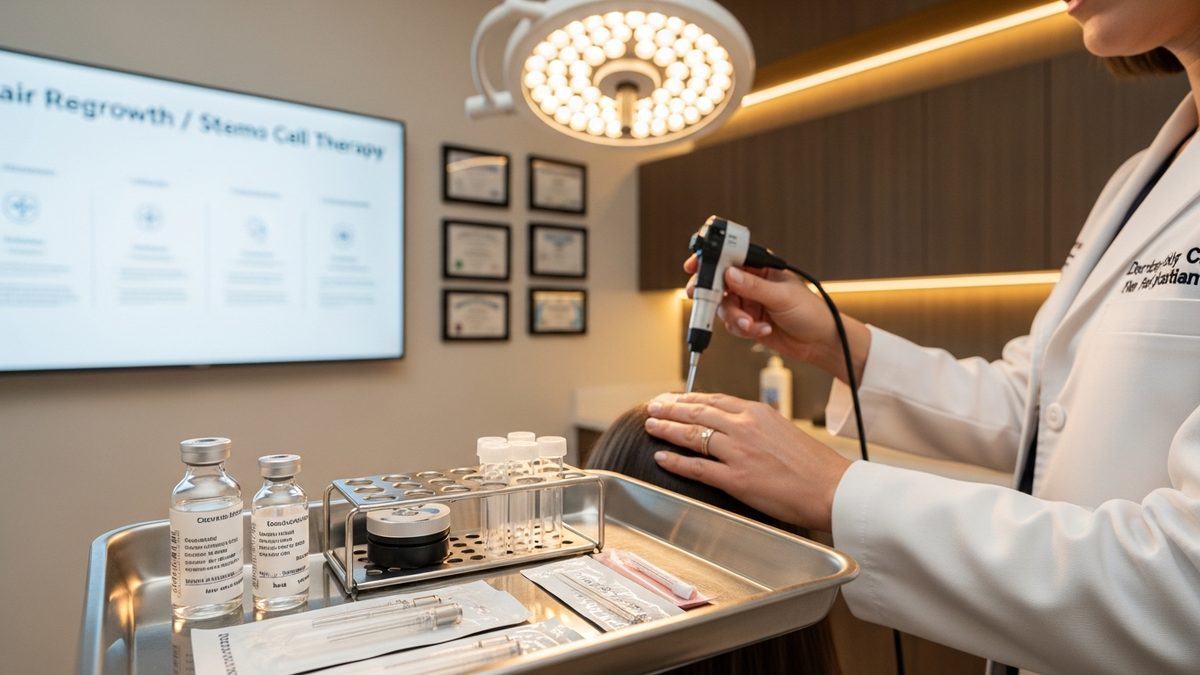
Hair transplant surgery woman—if you’re exploring this option, you’re not alone. Many women experience progressive thinning or pattern hair loss due to genetics, hormonal shifts, stress, or medical conditions. The good news: modern hair restoration techniques can provide natural-looking density when the underlying cause is understood and the plan is tailored to your hairline, scalp quality, and goals.
In this guide, you’ll learn what hair transplant surgery for women typically involves, how surgeons choose between FUE and FUT, what results to realistically expect, and how to prepare for recovery. You’ll also find a practical checklist of questions to ask—so your next step feels informed and confident. FUEsion Hair Clinics created this editorial overview to help you navigate the decision-making process more clearly.

What Hair Transplant Surgery Means for Women
Hair transplant surgery for women is a surgical hair restoration procedure designed to move hair follicles from a donor area (commonly the back or sides of the scalp) to areas with thinning or hair loss. The goal is to improve coverage, density, and overall appearance—while keeping results natural and balanced with your facial features and existing hair characteristics.
Why women’s hair loss patterns can differ
Women often experience diffuse thinning or a widening part rather than a classic male-pattern recession. This matters because it affects planning: the surgeon must evaluate how much donor supply you have, how your hair grows over time, and how to position grafts so the transplant blends with surrounding hair.
Who performs the procedure (and why expertise matters)
Hair transplant surgery is highly technical. At a premium clinic such as TestBiz Hair Clinic, procedures are typically performed using advanced technologies and by experienced surgeons who focus on natural aesthetics and safe graft handling. For example, surgeons may offer both FUE and FUT depending on your scalp characteristics and transplant goals.
Key Types of Hair Transplant Procedures: FUE vs FUT
Most women considering hair restoration hear about two main approaches: FUE (Follicular Unit Extraction) and FUT (Follicular Unit Transplantation, often via strip harvesting). Both can be effective, but the choice depends on your donor density, scalp health, hair texture, and desired coverage.
FUE (Follicular Unit Extraction)
With FUE, individual follicular units are extracted one by one—usually from the donor zone—then implanted into the thinning areas. Many patients prefer FUE because it typically leaves smaller punch-sized marks rather than a linear incision.
Best for: Women who want less visible donor scarring, those with specific aesthetic goals, or those with donor characteristics suited to follicular unit extraction.
FUT (Follicular Unit Transplantation)
With FUT, a strip of scalp tissue is removed from the donor area and dissected into follicular units for transplantation. It can be useful when a patient has strong donor density and a surgeon’s plan calls for a higher number of grafts.
Best for: Some women who may benefit from the graft yield associated with strip harvesting, depending on donor quality and surgical strategy.
How surgeons decide between FUE and FUT
In a well-structured consultation, the surgeon typically evaluates:
- Donor availability (how many grafts can be safely harvested)
- Scalp laxity and skin characteristics
- Hair caliber and growth pattern
- Desired target zones (hairline, crown, part widening, diffuse thinning)
- Pattern progression risk (to avoid “overharvesting” or unnatural density)
If you’re exploring related services, you can review general options via hair transplant service pages that explain common approaches and planning workflows.
Is a Hair Transplant Surgery Woman Candidate? (Candidacy Checklist)
Not every woman with hair loss is automatically a candidate for transplant surgery. The best outcomes usually come from appropriate selection, realistic expectations, and a coordinated plan to stabilize ongoing shedding.
Common reasons women seek hair transplant surgery
- Genetic pattern hair loss with thinning at the crown or along the part
- Postpartum or hormonal-related thinning that persists
- Traction-related damage (when the cause is addressed)
- Cicatricial scarring in select cases (requires careful evaluation)
- Scalp conditions that have stabilized
Clinical factors that influence candidacy
A surgeon will often assess:
- Time course: Has your hair loss stabilized or is it actively progressing?
- Donor health: Is your donor area dense and healthy enough?
- Scalp inflammation: Are there signs of active dermatitis or uncontrolled conditions?
- Medications and treatments: Are you using evidence-based therapies (as advised by your clinicians)?
- Expectation alignment: Are you seeking subtle density improvement or major coverage?
When you may need stabilization before transplant
For many women, the safest approach is to stabilize hair loss first. That might include medical management (prescribed by your healthcare team) and addressing scalp inflammation. A transplant can then be planned to work with your likely future hair behavior.
What to Expect During the Procedure
Understanding the “how” reduces anxiety and helps you plan logistics. While exact steps vary by clinic and technique, most hair transplant surgery for women follows a structured workflow.
Step-by-step overview (How the surgery typically works)
- Pre-procedure assessment and mapping: Your surgeon maps graft sites, considering hair direction, density goals, and a natural-looking transition into existing hair.
- Donor area preparation: The donor region is prepared for extraction (FUE) or strip harvesting (FUT).
- Graft extraction: Follicular units are collected with meticulous handling to preserve viability.
- Recipient site creation: Small channels are created in the thinning area to match angle and orientation.
- Graft placement: Grafts are implanted with careful spacing to achieve a balanced, natural density.
- Post-procedure care instructions: You receive guidance on cleaning, medication use, activity restrictions, and follow-up timing.
How natural-looking results are achieved
Natural results come from more than placing grafts. Surgeons also consider:
- Hair direction and flow (so transplanted hair doesn’t look “stiff” or misaligned)
- Density planning (to avoid an obvious “patch” effect)
- Graft size selection (smaller units often help the hairline blend)
- Scalp coverage strategy (especially for diffuse thinning)
Recovery Timeline for Women After Hair Transplant Surgery
Recovery is usually manageable, but planning helps. Most women can resume many daily activities within days, while full healing and visible growth take months.
Typical early recovery (first 1–14 days)
- First days: Mild tightness, tenderness, or swelling may occur; you’ll be given specific instructions for cleaning and medications.
- Crusting/scabbing: Small scabs may form around graft sites and gradually shed.
- Hair washing: You’ll follow a surgeon-approved schedule for gentle washing.
- Social return: Many patients return to work with appropriate coverage depending on graft shedding and visible redness.
Growth timeline (when results appear)
Hair growth after transplant follows biology, not instant effects. A common pattern is:
- Weeks 2–8: Transplanted hairs may shed (often called “shock loss”). This can be normal.
- Months 3–4: Early regrowth may start.
- Months 6–9: More noticeable density and improved coverage.
- Months 10–18: Ongoing maturation and refinement of results.
What can affect recovery and final density
Results vary based on:
- Graft survival and placement technique
- Your scalp’s healing response
- Adherence to post-op instructions
- Whether ongoing hair loss is stabilized with appropriate medical care
Risks, Side Effects, and How to Reduce Them
Any surgery carries risks. A premium clinic should provide transparent counseling and a clear risk-reduction plan. The aim is to minimize complications and maximize graft survival.
Common short-term side effects
- Redness, swelling, or tenderness around recipient sites
- Temporary numbness or sensitivity
- Itchiness during healing
- Scabbing and shedding of transplanted hairs
Potential complications (and why selection matters)
Complications are not the norm, but you should understand possibilities such as infection, scarring, poor graft growth, or an uneven aesthetic outcome. Your risk can be influenced by:
- Scalp conditions and inflammation
- Smoking, nutrition, and overall health
- Technique and surgeon experience
- Post-op compliance
Actionable steps to lower risk
- Follow cleaning and medication instructions precisely
- Avoid strenuous activity during the advised window
- Protect the scalp from sun and friction as directed
- Discuss realistic density goals and donor limits in advance
- Ask how the clinic handles follow-ups if you have concerns
Cost Factors for Hair Transplant Surgery Woman
Costs vary widely based on graft count, technique (FUE vs FUT), surgeon expertise, clinic location, anesthesia approach, and the complexity of the plan. Rather than focusing only on the sticker price, evaluate what’s included in the package.
What usually influences the final quote
- Number of grafts needed for your target zones
- Recipient site complexity (diffuse thinning often requires careful density planning)
- Donor characteristics
- Pre-op and post-op care (medications, follow-ups, and aftercare support)
- Technology and surgical workflow
How to compare quotes responsibly
When comparing clinics, request:
- A written breakdown of what the estimate includes
- Graft planning details (target zone strategy)
- Photos and documentation from women with similar patterns
- How they manage ongoing hair loss stabilization
Results: What Women Typically See After Surgery
Most women pursue transplant surgery to improve confidence and appearance. While individual outcomes vary, a well-executed plan can deliver meaningful cosmetic improvement—especially when hair loss is stabilized and donor grafts are used strategically.
What “natural-looking” means in practice
Natural outcomes usually show:
- A hairline or part that blends smoothly with existing hair
- Density that doesn’t look overly uniform or “pluggy”
- Appropriate hair direction and subtle gradients of thickness
- Scalp visibility reduced in target areas
What to avoid expecting
It’s important to remember that transplanted hair grows according to biology. Also, hair loss can progress over time. The most honest consults include discussion of long-term maintenance and future planning.
Evidence-Based Context: What Research Says About Hair Loss
While this article focuses on surgical options, understanding the science of hair loss can help you ask better questions. According to the American Academy of Dermatology (AAD), androgenetic alopecia can affect both men and women and may require ongoing management depending on the cause and pattern of thinning (source noted below).
Statistics that matter for decision-making
- Androgenetic alopecia prevalence: The AAD notes that androgenetic alopecia affects a large portion of the population, and women can experience it as diffuse thinning or widening of the part. According to the American Academy of Dermatology, it is one of the most common causes of hair loss. (Source: American Academy of Dermatology, “Hair Loss”).
- Long-term pattern risk: Because androgenetic alopecia can continue over time, many patients benefit from a stabilization strategy alongside transplant planning. The need for ongoing evaluation is emphasized in dermatology guidance. (Source: American Academy of Dermatology, “Female Pattern Hair Loss” resources.)
External citations (for deeper reading)
- According to the American Academy of Dermatology (AAD), hair loss can have many causes and may require ongoing evaluation to determine the type and appropriate management.
- According to the NCBI Bookshelf resources on hair disorders and dermato-surgical approaches, hair loss assessment involves differentiating patterns and causes before selecting treatment strategies.
- According to the International Society of Hair Restoration Surgery (ISHRS), hair restoration outcomes rely on careful evaluation, donor management, and technique—principles frequently emphasized in professional guidance.
Questions to Ask Your Surgeon (A Woman’s Hair Transplant Checklist)
A great consultation is where you confirm both fit and trust. Use this list to guide your appointment and ensure you understand the plan.
Planning and technique
- Which technique is recommended for me—FUE, FUT, or a combination—and why?
- How many grafts are planned, and what target zones will they cover?
- How will you preserve a natural hair direction and density gradient?
- What donor area limitations do you consider for women with diffuse thinning?
Safety and aftercare
- What post-op care routine do you recommend, and how often will I follow up?
- How do you handle potential complications like infection or uneven growth?
- What should I avoid regarding exercise, sun exposure, and hair styling?
Long-term hair loss management
- Will you coordinate with a dermatologist or recommend stabilization strategies?
- How do you plan for potential progression of hair loss over time?
- What results timeline should I realistically expect—at 3, 6, and 12 months?
Where to Get Care: Considering Los Angeles and Worldwide Options
Hair transplant surgery woman options are available in many locations. If you’re in or near Los Angeles, you may find clinics that coordinate consultations and follow-ups across time zones and travel schedules. For global patients, some premium clinics serve clients worldwide using advanced technology and structured care pathways.
Why geography matters less than quality (but still matters)
While travel logistics matter, the most important variables are surgeon experience, technique selection, donor management, and aftercare support. If you’re traveling, ask how the clinic supports remote pre-op education and what follow-up looks like during your return.
Head and neck surgical expertise as a helpful signal
Surgeons who specialize in head and neck procedures often bring an aesthetic and anatomical precision mindset. For example, Dr. Hootan Zandifar, MD, FACS (Board Certified Facial Plastic & Reconstructive Surgeon) is known for focusing solely on cosmetic and reconstructive surgery of the head and neck, with an emphasis on natural-looking outcomes and patient education. This approach can be reassuring when you want meticulous planning and clear communication.
CTA: Plan Your Next Step with Confidence
If you’re considering hair transplant surgery woman, your best next step is a consultation that includes a thorough evaluation of donor supply, scalp health, and long-term hair loss behavior. A premium clinic should help you understand the recommended technique (FUE vs FUT), set realistic expectations, and provide a recovery and aftercare plan you can follow.
Book a consultation to discuss your goals and learn which approach fits your pattern of thinning. FUEsion Hair Clinics encourages you to bring your questions and request a clear written plan—so your decision is grounded in evidence and personalized care.
Frequently Asked Questions
How long does it take to see results from hair transplant surgery for women?
Most women notice early regrowth around 3–4 months, with more visible density by 6–9 months. Full maturation and refinement can take up to 12–18 months, depending on your hair cycle and graft survival.
Is FUE or FUT better for a hair transplant surgery woman?
There isn’t a universal “best” option. Surgeons choose based on donor density, scalp characteristics, target zones, and aesthetic goals. A personalized plan typically determines whether FUE, FUT, or a hybrid approach is most appropriate.
Will a hair transplant stop my hair loss permanently?
A transplant moves follicles to thinning areas, but it doesn’t automatically stop future hair loss. Many women benefit from stabilization strategies under medical guidance, especially if the cause is androgenetic alopecia or ongoing shedding.
What should I expect during recovery and shedding?
Early recovery often involves redness, scabbing, and tenderness, followed by gentle washing instructions. Transplanted hairs may shed in the first couple of months, which can be normal—regrowth typically follows on a timeline.
How do I know if I’m a good candidate for hair transplant surgery?
Good candidates usually have adequate donor supply, stable scalp health, and realistic aesthetic goals. A thorough evaluation should confirm that hair loss type and progression risk are considered before graft planning.
Author & Expert Attribution
Written by: FUEsion Hair Clinics Editorial Team. Medical and clinical context: This article incorporates general hair restoration education grounded in widely accepted dermatology and hair restoration principles. When considering procedures, consult a qualified specialist for individualized guidance.
Medical Information Disclaimer
This content is provided for general educational purposes only by FUEsion Hair Clinics. It is not a substitute for professional advice, diagnosis, or treatment. Readers are advised to consult qualified professionals for personalized recommendations.