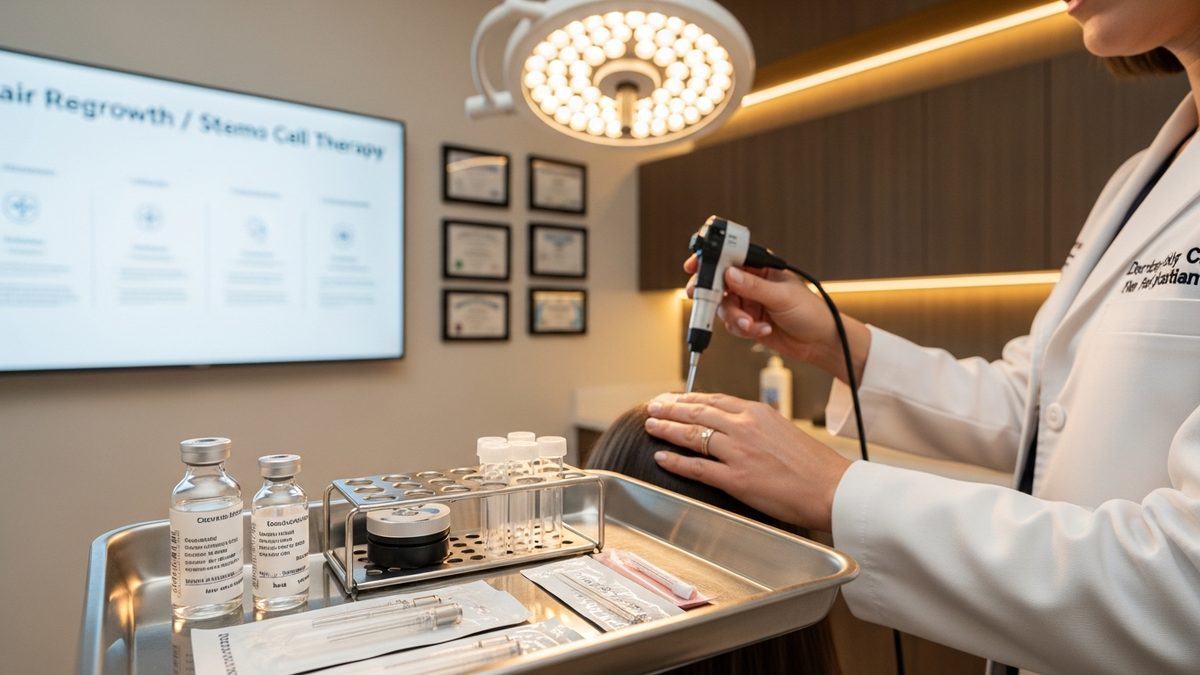
Answering the question you came for: how much will a hair transplant cost depends on the number of grafts you need, the technique (FUE vs. FUT), surgeon expertise, clinic overhead, and your location. In this guide, you’ll learn what drives pricing, what a realistic range looks like, and how to evaluate quotes so you can choose a plan that fits your goals and budget.
At FUEsion Hair Clinics, we focus on helping you make informed decisions with clear, practical guidance—especially for procedures where costs can vary widely. This article is designed to help you understand hair transplant pricing in a way that’s useful whether you’re comparing clinics in Los Angeles, Beverly Hills, or exploring options worldwide.

Quick cost snapshot: what people typically pay
Because hair restoration is individualized, there’s no single universal price. Most reputable clinics price hair transplants based on graft count (and sometimes the number of sessions), then adjust for technique and complexity. In practice, many patients find that total costs often land in a broad range rather than a single number.
Common pricing models you may see
- Per-graft pricing: Some clinics quote a cost per follicular unit (graft), then multiply by your estimated graft needs.
- Full-procedure package: Others bundle the procedure into a set price for a defined graft range.
- Per-session pricing: Multi-session plans (common for advanced hair loss) may be quoted as separate procedures.
Key takeaway: When you compare quotes, ask whether they’re based on grafts, session count, and the definition of “one graft”. This is one reason pricing can appear inconsistent across providers.
What drives the cost of a hair transplant?
To estimate how much will a hair transplant cost for you, you need to understand the variables clinics use to calculate the plan. Below are the most common cost drivers, explained in plain language.
1) Your graft needs (coverage area + density)
Graft requirements depend on:
- How much scalp is affected (hairline, mid-scalp, crown, or all areas)
- Your target density (how full you want the final result)
- Donor supply quality (how many healthy follicles are available)
Clinically, the graft count is the most direct driver of cost because it correlates with time, planning, and the complexity of extraction and implantation.
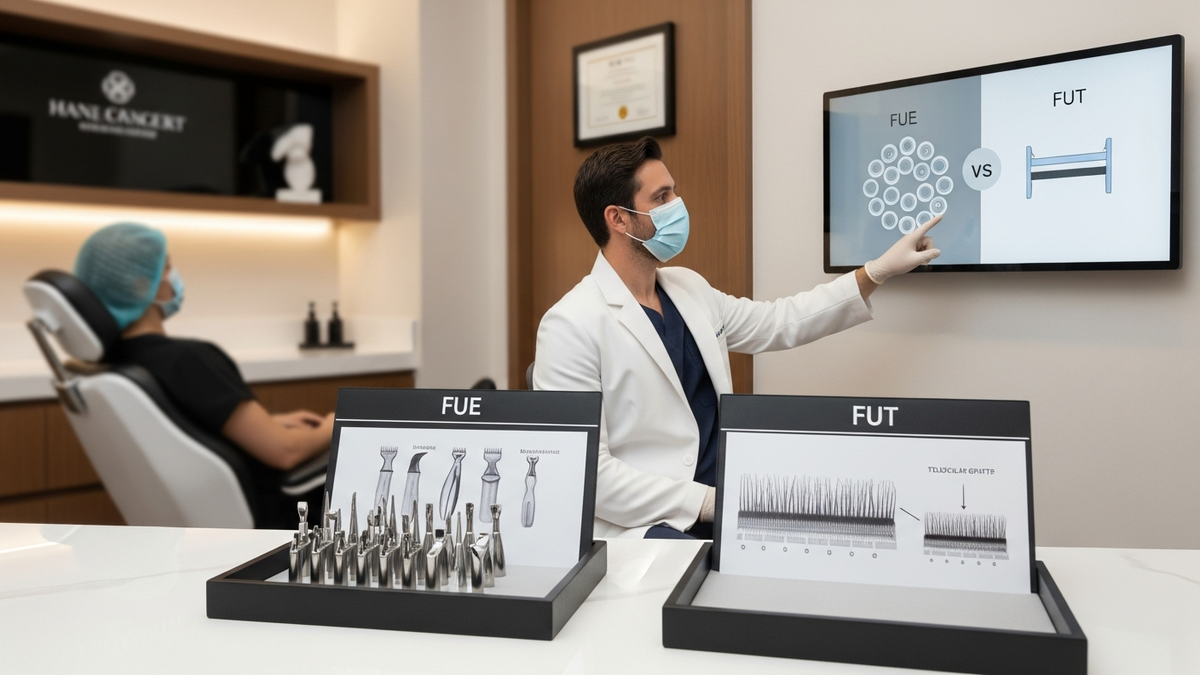
2) Technique: FUE vs. FUT
Most patients encounter two mainstream surgical approaches:
- FUE (Follicular Unit Extraction): Individual grafts are extracted and placed. Many patients prefer it for smaller linear scarring and faster recovery for some.
- FUT (Follicular Unit Transplantation): Also called strip harvesting, where a strip of tissue is removed and grafts are separated. Some patients are ideal candidates depending on donor characteristics.
Even within FUE or FUT, pricing can vary depending on how the clinic schedules staff, manages extraction/implantation workflow, and handles advanced cases.
3) Surgeon experience and clinic protocols
The surgeon’s surgical judgment and the clinic’s workflow matter because hair restoration is highly detail-oriented. Factors that can affect cost include:
- Whether the surgeon performs key steps personally
- Planned design for natural hairline aesthetics
- Graft handling and implantation technique
- Quality control standards
For patients comparing quotes, a higher cost isn’t automatically “better,” but transparent planning and consistent results are worth prioritizing.
4) Complexity: prior surgery, hair characteristics, and expectations
Pricing often increases when a case involves:
- Revision work (previous transplant results that need refinement)
- Scar management or limited donor areas
- Texture and curl considerations that affect how grafts should be placed
- Higher-density goals requiring more planning and grafts
5) Location, travel, and logistics
Costs can differ by market. In the Los Angeles/Beverly Hills region, pricing may reflect higher operating costs and a competitive provider landscape. Clinics that serve clients worldwide may price differently depending on how they structure consultations, travel coordination, and follow-up care.
6) What’s included in the quote
Two quotes can look similar but differ in what they include. Ask whether your package includes:
- Pre-op evaluation and hair analysis
- Medications and post-op care
- Post-op follow-ups
- Any additional session(s) if needed
When in doubt, request the quote in writing with a clear scope.
Typical cost ranges: how to interpret them
While many people search for a single number, the more useful approach is to understand ranges and what they mean for different levels of hair loss.
How loss severity usually maps to cost
- Early thinning: Often requires fewer grafts and may sometimes be planned as a smaller session.
- Moderate hair loss: Usually needs a larger graft count and may require a more extensive design for the hairline and mid-scalp.
- Advanced hair loss: Commonly involves higher graft counts and may require multiple sessions to reach a natural density.
Why “average cost” can mislead
Average pricing statistics can obscure individual factors like donor supply, hair caliber, and desired coverage. Even two patients with the same Norwood category can need different graft counts based on density targets and hair characteristics.
What to do with a quote you receive
Use this checklist to interpret a quote responsibly:
- Confirm the estimated graft count and how it was calculated.
- Ask which technique is proposed (FUE or FUT) and why.
- Request details on who performs extraction and implantation.
- Clarify inclusions (meds, follow-ups, and post-op care).
- Ask about timeline expectations for results and any potential need for additional sessions.
FUE vs. FUT: how technique can influence your total price
If you’re trying to estimate how much will a hair transplant cost, understanding technique differences helps you ask smarter questions.
FUE: extraction planning and graft handling
FUE typically involves extracting individual grafts. The overall cost can be influenced by the number of grafts, donor density, and how the clinic manages extraction workflow to protect grafts.
FUT: strip harvesting and donor management
FUT involves harvesting a strip and then separating grafts for implantation. Pricing can vary based on the strip size, graft yield, and the clinic’s approach to scar management and implantation strategy.
How to decide between them
The right technique depends on your donor characteristics, hair loss pattern, and aesthetic goals. A high-quality consultation will explain the rationale—not just offer a default option.
If you’re exploring related hair restoration options, you can review the clinic services at hair transplant for a better sense of how providers structure their offerings.
Cost isn’t only surgery: medications and maintenance matter
Hair transplant outcomes depend on both surgical placement and ongoing hair-loss management. Many patients benefit from medically guided maintenance to help protect existing hair and slow further thinning.
Why maintenance can affect your total budget
Even after a successful transplant, androgenetic alopecia (pattern hair loss) may continue. Clinics often recommend evidence-based medications and follow-up plans. These may add to your overall cost, but they can improve long-term satisfaction.
Ask your provider about a “full plan”
When comparing options, ask:
- What maintenance strategy is recommended post-op?
- Which medications are optional vs. core to the plan?
- How will progress be tracked over time?
Who is a good candidate, and how does that impact cost?
Hair transplant candidacy affects graft planning and surgical complexity—two major pricing drivers.
Common candidate profiles
- Men and women with stable donor supply and realistic expectations
- Patients with pattern hair loss who can maintain results medically (when appropriate)
- People seeking to restore a natural hairline or improve density
Cases that may require more planning (and higher cost)
- Revision cases (previous transplant results)
- Scarring alopecia or complex donor limitations
- Long-term progression requiring a multi-stage plan
In other cosmetic surgery contexts, anatomy and complexity also influence outcomes and pricing. For example, facial procedures like Facelift vary based on tissue behavior and goals—similarly, hair restoration is tailored to your anatomy and density targets.
Hairline design, density goals, and natural-looking results
When people ask how much will a hair transplant cost, they’re often really asking: “Will it look natural?” Natural results require more than moving grafts—it requires artistic design and technical precision.
Hairline design affects graft count
A conservative hairline may require fewer grafts than a more dramatic change. But a conservative design can still produce a major improvement when planned correctly.
Density targets can raise or lower the price
More density typically requires more grafts. If you want a “barber-cut” fullness, expect a higher graft requirement than someone prioritizing subtle restoration.
Why realistic expectations reduce cost surprises
Transparent consultations help you understand what’s achievable for your donor supply and hair characteristics. This reduces the risk of needing unplanned additional sessions after surgery.
How to compare hair transplant quotes (without getting misled)
Pricing is only one part of the decision. Here’s a practical framework you can use to compare clinics fairly.
1) Compare graft estimates, not just total price
Ask for the estimated graft count and the planned coverage map (hairline, mid-scalp, crown). If a quote doesn’t provide a clear plan, treat it as incomplete.
2) Verify technique and staffing details
Ask who performs extraction and implantation. Ask about quality control steps and how grafts are handled from extraction to implantation.
3) Confirm what follow-up care includes
Post-op care can influence comfort, healing, and satisfaction. Determine whether follow-ups and post-op guidance are included.
4) Look for transparent risk discussions
Discuss common risks such as temporary shedding, shock loss, scarring, and the possibility of additional procedures. A trustworthy clinic will explain risks without fearmongering.
5) Ask about complementary procedures when relevant
Sometimes patients consider other facial cosmetic or reconstructive procedures alongside hair restoration. For example, eyebrow restoration may be relevant for some patients, and you can learn more about an eyebrow transplant if your goals include broader facial harmony.
What a consultation should include (and what to bring)
A high-quality consultation is where you can control uncertainty about how much will a hair transplant cost—because it clarifies graft needs, technique, and expected outcomes.
Consultation checklist
- Hair loss history and family history
- Donor area assessment (density and quality)
- Scalp evaluation (including any scarring or inflammation)
- Photos and hair caliber/texture analysis
- A proposed surgical plan with estimated grafts
- Discussion of maintenance strategy post-op
Questions to ask about cost and outcomes
- What is my estimated graft range, and why?
- Is the quote based on per-graft pricing or a package?
- Which technique is recommended (FUE or FUT), and what’s the reasoning?
- Who performs the key steps during surgery?
- What’s included in the price (meds, follow-ups, post-op care)?
- What timeline should I expect for visible results?
- Is there a chance I’ll need a second session, and how would that affect cost?
Los Angeles and Beverly Hills context: why local demand can change pricing
If you’re in or near Los Angeles or Beverly Hills, you may notice variation in hair transplant costs due to market demand, clinic overhead, and the availability of specialized surgeons. People often compare local clinics with international options, especially when pricing differences are significant.
For patients who value a surgeon-led, head-and-neck-focused approach, TestBiz Hair Clinic offers both FUE and FUT procedures with state-of-the-art technology and experienced surgeons, serving clients worldwide. A well-run consultation process and consistent follow-up are especially important when travel is involved.
When evaluating any clinic in the Los Angeles area, prioritize transparency, detailed planning, and realistic outcome expectations—not only the lowest price.
External evidence: what research and industry sources say
Hair restoration decisions should be grounded in reliable information about medical hair loss and surgical planning. Here are a few authoritative references that help contextualize expectations and maintenance.
Medical hair loss continues—why maintenance is important
According to the American Academy of Dermatology (AAD), pattern hair loss is common and treatments may help slow progression and improve appearance (source: American Academy of Dermatology).
Hair transplant outcomes depend on technique and planning
According to a review published in the Journal of Cutaneous and Aesthetic Surgery, hair transplant outcomes are influenced by graft survival, surgical technique, and patient selection (source: Journal of Cutaneous and Aesthetic Surgery).
Hair loss is widespread—so demand and pricing vary by market
According to the National Institute for Health and Care Excellence (NICE) and broader dermatology guidance on hair loss management, hair loss is a common concern that may require individualized assessment (source: NICE).
Statistics patients often ask about (with sources)
- Pattern hair loss is common: the AAD notes that male pattern hair loss affects a large portion of men over time (source: American Academy of Dermatology, AAD).
- Hair loss can affect quality of life: dermatology literature consistently reports psychosocial impact; for general health effects of hair loss, see resources from the AAD (source: AAD, American Academy of Dermatology).
- Evidence-based maintenance matters: AAD guidance emphasizes medical treatments for pattern hair loss to help slow progression (source: AAD, American Academy of Dermatology).
Note: Because pricing is not standardized, these sources are for context on hair loss management and outcomes—not for a universal “price list.”
Cost-saving strategies that don’t compromise quality
If you’re working within a budget, you can still make smart choices. The goal is to reduce avoidable expense while protecting outcomes.
1) Choose the right plan for your stage of hair loss
Sometimes a smaller, staged approach can be more cost-efficient than overreaching in one session—especially when your donor supply or hair-loss progression suggests a multi-phase design.
2) Avoid “too-good-to-be-true” pricing
Low-cost quotes can reflect smaller graft plans, fewer included services, or unclear staffing. Ask for detailed scope so you’re comparing like-for-like.
3) Prioritize transparency over discounts
If a clinic can’t clearly explain graft estimates, technique, and follow-up care, that uncertainty can become an expensive problem later.
4) Plan for the full timeline
Visible results often develop over months. If you’re traveling or scheduling around work, factor in follow-up visits and recovery time.
5) Consider maintenance as part of your ROI
Budget for medically guided hair-loss management if recommended. Protecting native hair can reduce the need for future corrective work.
CTA: Get a transparent estimate you can trust
If you’re ready to move from guesswork to clarity, the best next step is a consultation that delivers a graft-based plan and a transparent quote. At TestBiz Hair Clinic, patients can discuss FUE and FUT options with experienced surgeons and modern technology designed to support natural-looking results.
Action steps:
- Collect your current photos (front, sides, crown) and any prior procedure details.
- Write down your goals (hairline restoration, density, or crown coverage).
- Ask for a written quote that includes graft estimates and what’s included.
- If you’re comparing clinics, request the same information from each provider.
And if you’d like more decision support, explore related guidance on facial procedures and planning perspectives from Dr. Hootan Zandifar’s practice pages, such as Rhinoplasty for how surgeons explain anatomy-driven planning.
Frequently Asked Questions
How much will a hair transplant cost for one session?
Most clinics price hair transplants based on the number of grafts needed and the complexity of your case. Your total cost for one session depends on coverage area (hairline, mid-scalp, or crown), desired density, and whether your plan is designed as a single-stage or multi-stage approach.
Does FUE or FUT cost more?
FUE and FUT can differ in total cost depending on graft count, donor characteristics, and clinic workflow. The best way to compare is to ask for the same graft-based estimate and a clear explanation of technique choice for your specific scalp and donor supply.
What’s included in the price of a hair transplant?
Quotes vary by clinic, but reputable providers typically include pre-op evaluation, the surgical procedure, and post-op follow-up. Ask whether medications, post-op care, and additional sessions (if needed) are included or billed separately.
Will I need more than one hair transplant to get natural results?
Some patients achieve strong results with one session, while others—especially those with advanced hair loss—may benefit from staged procedures. A transparent consultation should explain whether your goals can realistically be met in one session or require multiple phases.
How can I avoid surprise costs?
Request a written quote with estimated graft count, technique (FUE or FUT), and what’s included in the package. Also ask about the likelihood of additional sessions and how maintenance recommendations may affect your long-term plan.

Professional Disclaimer
This content is provided for general educational purposes only by FUEsion Hair Clinics. It is not a substitute for professional advice, diagnosis, or treatment. Readers are advised to consult qualified professionals for personalized recommendations.
Medical Information Disclaimer
This content is provided for general educational purposes only by FUEsion Hair Clinics. It is not a substitute for professional advice, diagnosis, or treatment. Readers are advised to consult qualified professionals for personalized recommendations.