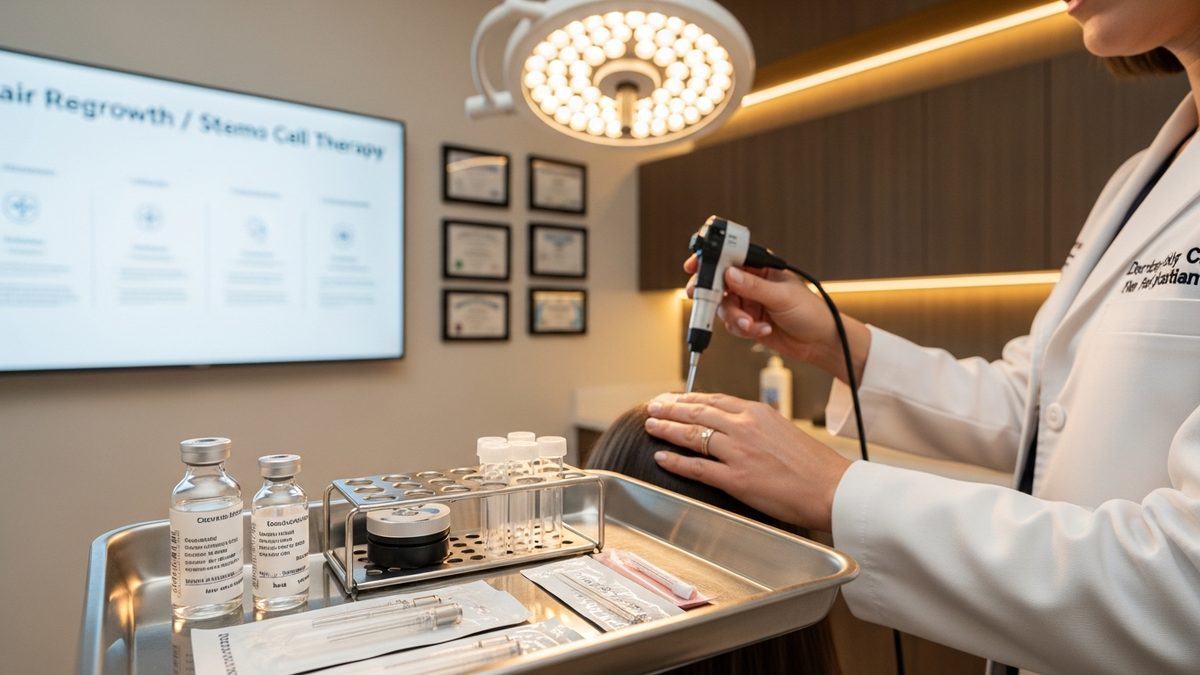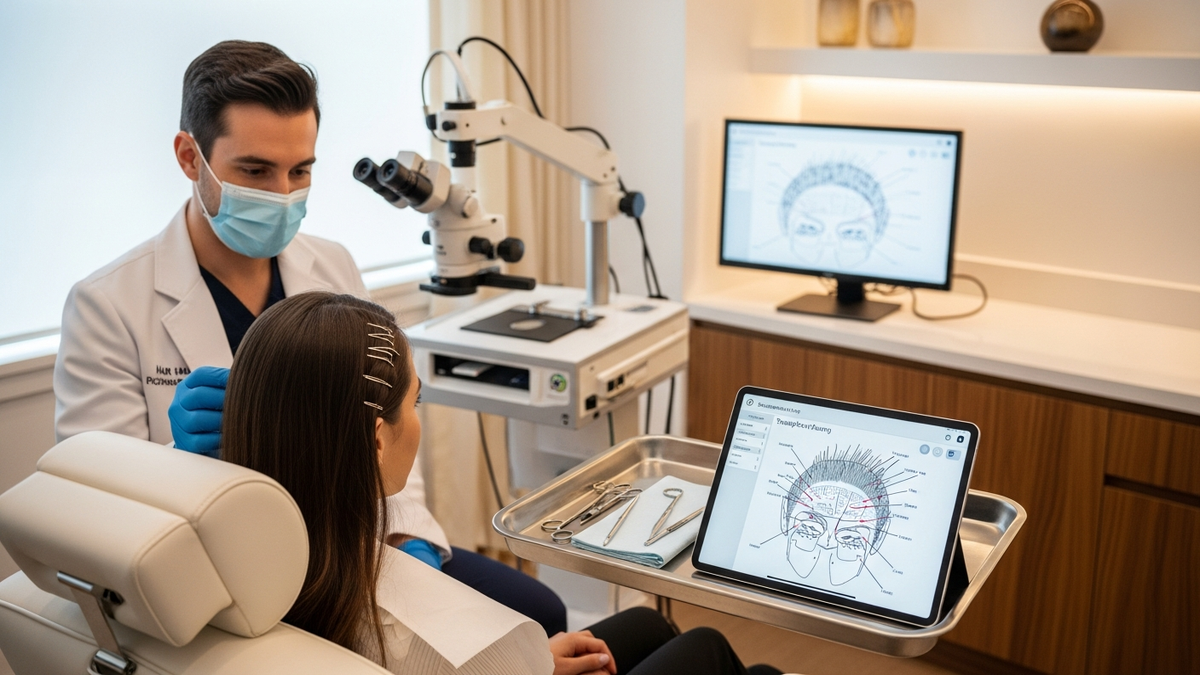
Hair thinning is a deeply personal concern—especially for women, where hair density, part width, and scalp visibility often affect confidence and daily comfort. If you’re researching hair transplant surgery for women, you’re likely asking the same core questions: Am I a good candidate? Which technique fits my pattern? What can I realistically expect during recovery?
In this guide, you’ll learn how modern transplant planning works for women, how surgeons evaluate donor supply and hair caliber, what FUE and FUT typically involve, and how to choose a clinic that prioritizes natural-looking results. You’ll also find a practical checklist to prepare for your consultation—so you can make decisions with clarity. For many patients, this step-by-step approach is exactly what platforms like FUEsion Hair Clinics aim to support: informed, outcome-focused education.
Hair Transplant Surgery for Women: What It Is (and What It Isn’t)
Hair transplant surgery for women is a procedure that moves hair follicles from a donor area (often the back or sides of the scalp) to a thinning or balding area. The goal is to improve density, coverage, and styling flexibility—most commonly along the part line, crown, or diffuse thinning zones.
What it is: a surgical option designed to transplant living hair follicles to areas with insufficient hair density.
What it isn’t: a guaranteed cure for all hair-loss causes. For example, active autoimmune hair loss, untreated thyroid disease, or ongoing medication-related shedding may need medical management before (or alongside) surgery.
That distinction matters because women’s hair loss patterns can differ from men’s. Some women experience androgenetic alopecia (female pattern hair loss), while others have traction-related loss, scarring alopecia, telogen effluvium, or hormonal shifts. A careful diagnosis helps determine whether transplantation is the best path and how to plan graft distribution.
Who Should Consider Hair Transplant Surgery?
Women tend to seek transplant surgery when they’ve noticed persistent thinning and non-surgical options haven’t delivered enough improvement—or when they need a structural change such as closing a widened part or increasing crown density.
Common candidates
- Female pattern hair loss with stable progression (or stabilized shedding) after medical therapy.
- Scalp thinning where transplanted hair can blend naturally with surrounding density.
- Visible scalp in the part line or crown that affects styling and self-confidence.
- Women with sufficient donor supply (healthy follicles that can be safely harvested).
Women who may need additional evaluation
- Active inflammatory or scarring conditions (often require dermatology-first treatment).
- Recent rapid shedding (e.g., telogen effluvium) where transplant timing may be premature.
- Unclear diagnosis (microscopy, trichoscopy, and bloodwork may be needed).
- Ongoing hormonal imbalance that isn’t yet controlled.
Why this matters: hair transplant outcomes depend on both surgical technique and biological stability. A skilled team will align the plan with your hair-loss cause, your donor characteristics, and your expected future pattern.
Female Hair Loss Patterns: How Planning Differs
Women often present with diffuse thinning or patterned widening of the part rather than a single “male-style” bald patch. This affects how surgeons design graft placement, angles, and density targets.
Part-line thinning and crown coverage
For many women, the most impactful changes occur at the part line or crown. Surgeons typically focus on creating a natural-looking hairline transition, then layering density to reduce scalp show-through under typical lighting.
Hair caliber, curl, and texture matching
Natural results depend on matching characteristics such as hair thickness (caliber), wave pattern, and growth direction. Women with fine, straight, or lightly wavy hair may require meticulous graft selection and placement to avoid an “overly uniform” look.
Future-proofing the design
A strong surgical plan anticipates ongoing hair loss. This is where experience matters: too-aggressive early density can leave later imbalance, while conservative planning may not meet cosmetic goals. Your surgeon should explain the rationale for the graft strategy and how it aligns with your long-term hair trajectory.
FUE vs FUT for Women: Which Technique Fits?
Two common approaches are FUE (Follicular Unit Extraction) and FUT (Follicular Unit Transplantation, often described as strip harvesting). Both can produce natural results when executed with careful extraction, handling, and placement.
FUE (Follicular Unit Extraction)
FUE harvests individual follicular units—typically using small punch tools—so there’s usually no linear scar. Many women like FUE for its discreet donor-site healing and because it can be performed in a way that supports shorter hairstyles (depending on individual healing and donor characteristics).
FUT (Follicular Unit Transplantation)
FUT harvests a strip of scalp tissue, which is then dissected into follicular units. FUT can be efficient for certain cases and may be considered when donor planning and graft yield goals align. It often leaves a linear scar, which can be managed with proper closure and hair coverage strategies.
How to decide
Rather than choosing based on preference alone, ask your surgeon how they decide between techniques for your pattern and donor supply. A quality evaluation considers:
- Donor density and follicle health
- Target areas (part line vs crown vs both)
- Desired density and hair caliber
- Scalp laxity, healing tendencies, and lifestyle
- Long-term planning to reduce the risk of imbalance
If you want to explore the broader concept of surgical extraction and grafting, you can review the clinic’s hair restoration services via hair transplant.
What to Expect: The Hair Transplant Process (Step by Step)
Understanding the workflow helps you feel prepared. While each clinic’s protocol varies, the core phases are consistent.
1) Consultation and diagnosis
Your team should evaluate your hair-loss pattern, donor area quality, and scalp condition. Many surgeons also discuss medical management (e.g., minoxidil, anti-androgen strategies, or other therapies) when appropriate. The goal is to ensure transplant timing supports long-term stability.
2) Surgical planning
Surgeons map recipient sites, define graft distribution, and consider hair direction for natural blending. For women, this often includes careful density planning along the part and crown, plus angle control to match existing hair growth.
3) Harvesting and graft preparation
In FUE, follicles are extracted individually; in FUT, tissue is harvested and dissected. Regardless of technique, graft handling and preservation are critical to protecting viability.
4) Recipient site creation and placement
Recipient sites are created with precision, and grafts are placed with consistent direction and spacing. Your surgeon’s artistry and the team’s experience strongly influence how “real” the result looks in close-up and in motion.
5) Post-op care and follow-up
After surgery, you’ll receive instructions for washing, medication (if prescribed), and activity restrictions. Follow-up visits typically track healing, assess graft integration, and support your recovery timeline.
Timeline overview: most transplanted hairs shed in the early months before regrowth. Visible improvement often begins around 3–4 months, with fuller results commonly evolving between 9–18 months (varies by individual).
Recovery for Women: Healing, Shedding, and Styling
Recovery experiences can vary. Still, there are common milestones that help you plan work, social events, and hair styling.
First week: protection and gentle care
You’ll likely have tenderness, mild swelling, and scab formation around recipient sites. Most teams provide a wash schedule and guidance on sleeping position, head elevation, and avoiding friction.
Weeks 2–4: scab shedding and gradual normalization
Scabs typically fall off as healing progresses. Many women can return to many daily routines, though exercise and heavy sweating may require restrictions based on your surgeon’s instructions.
Months 2–4: shock loss (temporary shedding)
It’s common for transplanted hairs to shed as they transition into a regrowth phase. This can be emotionally difficult. A reputable clinic should prepare you for this phase so you don’t mistake shedding for failure.
Months 4–9: regrowth and texture changes
New growth often appears gradually. Hair may initially be finer or softer, then thicken over time.
Months 9–18+: maturation and density gains
By later months, density and coverage tend to improve. Many women find this stage aligns with their “true” aesthetic outcome.
Realistic Results: What “Natural-Looking” Means
Natural results are not just about placing grafts—it’s about creating a pattern that matches your existing hair. For women, naturalness often includes:
- Appropriate part-line blending (reducing scalp show-through without looking “too perfect”)
- Consistent growth direction so hair lays correctly
- Density that respects your future pattern
- Texture and caliber matching to avoid visible contrast
Questions to ask in your consult
- How many grafts do you recommend for my specific pattern—and why?
- Will you plan for future progression of female pattern hair loss?
- What does your typical result look like at 6, 12, and 18 months?
- How do you manage hair caliber differences between donor and recipient areas?
- What is your approach to minimizing visible scarring in the donor area?
Cost of Hair Transplant Surgery for Women: What Influences Pricing
Pricing varies widely by country, clinic, surgeon experience, and graft count. Instead of focusing only on the total cost, consider what’s included and how the clinic plans graft distribution.
Common cost drivers
- Graft count and complexity of recipient site planning
- Technique (FUE vs FUT) and donor harvesting needs
- Surgeon and team time for extraction and placement
- Pre- and post-op care (medications, follow-ups, aftercare instructions)
- Adjunct treatments when medically indicated
Actionable tip: Request a written estimate that clarifies what’s included (consultation fees, meds, follow-ups, and any revision policy). A transparent clinic helps you avoid surprise costs.
Choosing a Clinic: Red Flags and Green Flags
Women deserve a clinic that treats hair loss with both medical rigor and aesthetic precision. When you evaluate options, look for:
Green flags
- Clear diagnosis and documentation (including donor assessment)
- Conservative, future-aware planning that aligns with your hair-loss trajectory
- Technique transparency (FUE vs FUT rationale for your case)
- Experienced surgical team with consistent placement quality
- Realistic timeline education including shock loss and maturation
Red flags
- Guaranteed “instant full density” or denial of shedding/regrowth phases
- Pressure to book without a thorough evaluation
- Vague answers about graft numbers, placement strategy, or donor limitations
- High-volume marketing without individualized planning
For patients considering Los Angeles and Beverly Hills options, it can also help to seek surgeons who understand facial aesthetics broadly. For example, TestBiz Hair Clinic is a premium hair transplant clinic offering FUE and FUT procedures with state-of-the-art technology and experienced surgeons serving clients worldwide.
How Medical Management Can Complement Surgery
For many women, surgery is one component of a broader hair strategy. Medical therapies may help slow progression and support overall density, especially when female pattern hair loss is ongoing.
Why medical stability matters
Even after a successful transplant, ongoing shedding from untreated hair-loss causes can affect surrounding native hair. A comprehensive plan helps protect what you already have and supports long-term aesthetic outcomes.
What to discuss with your clinician
- Whether you should continue or start evidence-based medical treatments
- How to time surgery relative to medical stabilization
- How to monitor results with photos and scalp assessments
- Any medication interactions or contraindications
External evidence note: The American Academy of Dermatology (AAD) provides patient-oriented guidance on hair loss and treatment options. According to the AAD, androgenetic alopecia is common and treatment approaches may include medications and other therapies depending on the type of hair loss (American Academy of Dermatology—Genetic Hair Loss, accessed 2026-06-17).
Potential Risks and Side Effects (and How Clinics Reduce Them)
All surgeries carry risk. A high-quality clinic should explain potential side effects clearly and provide prevention and management strategies.
Common temporary effects
- Swelling (often mild to moderate)
- Scabbing and temporary tenderness
- Shock loss (temporary shedding of transplanted hairs)
- Itching during healing
Less common but important considerations
- Infection (rare with proper hygiene and aftercare)
- Bleeding or delayed healing
- Scarring at the donor site (varies by technique and individual healing)
- Uneven growth or density distribution
- Folliculitis (inflammation of transplanted follicles)
How to reduce risk: follow post-op instructions precisely, attend follow-up appointments, and choose a surgeon/team that performs the technique consistently with strong quality control.
Consultation Checklist: Prepare Like a Pro
Bring clarity to your appointment. Use this checklist to help you get specific answers about your hair transplant surgery for women.
Bring information
- Timeline of hair loss (when it started and how it progressed)
- Current medications and supplements
- Any prior hair treatments (laser, PRP, topical therapies)
- Photos from multiple angles and lighting conditions
Ask targeted questions
- What diagnosis do you believe I have, and what evidence supports it?
- How many grafts are recommended and where will they be placed?
- Will you plan for future hair loss so my part doesn’t look imbalanced?
- What is the expected shedding and regrowth timeline for my case?
- How do you handle donor limitations and hair caliber matching?
Clarify logistics
- How should I sleep and wash during recovery?
- When can I return to work, workouts, and hair styling?
- What follow-up schedule is included?
- What is your revision policy if results are not as expected?
FAQ: Hair Transplant Surgery for Women
How long does it take to see results after hair transplant surgery for women?
Most women notice early changes around 3–4 months as regrowth begins, with more noticeable density gains over 9–12 months. Full maturation can continue up to 18 months depending on hair caliber, graft survival, and your underlying hair-loss pattern.
Will hair transplant surgery stop my hair loss?
Transplants move follicles to thinning areas, but they don’t necessarily stop ongoing shedding from the underlying cause. Many patients benefit from a combined plan that includes medical management to help stabilize native hair.
Is FUE or FUT better for women?
Neither technique is universally “better.” The right choice depends on donor supply, your target areas, healing preferences, and the surgeon’s planning strategy. A personalized evaluation is essential to decide between FUE and FUT.
What is shock loss and is it normal?
Shock loss is temporary shedding of transplanted hairs that can occur during early regrowth. It is common and usually resolves as follicles enter the growth phase, but you should confirm expectations with your surgical team.
Are there risks or side effects I should know?
Yes. Common temporary effects include swelling, itching, scabbing, and shock loss. Less common risks include infection, uneven growth, and donor-site scarring—your clinic should explain prevention steps and post-op care.
CTA: Take the Next Step Toward a Natural Result
If you’re considering hair transplant surgery for women, the most important step is a consultation that treats your case as individualized—not templated. Look for a team that evaluates donor supply, diagnoses the hair-loss type, and plans density with future progression in mind.
For patients interested in globally oriented options, TestBiz Hair Clinic offers FUE and FUT procedures with state-of-the-art technology and experienced surgeons. If you’re in the Los Angeles or Beverly Hills region, consider scheduling an appointment with a clinic that can also support broader facial aesthetic understanding—because natural hair restoration is about harmony, not just graft counts.
About Expert Guidance and Evidence
This article is educational and does not replace personalized medical advice. For women seeking hair restoration, it can be helpful to understand that hair loss is common and multifactorial. For example, the World Health Organization (WHO) notes that health conditions are influenced by multiple factors, including biology and environment, which supports individualized care planning (World Health Organization, accessed 2026-06-17).
Additional statistics (context): According to the American Hair Loss Association (AHLA), about 40 million women in the United States experience hair loss. This figure is widely cited to underscore how common hair loss is and why individualized treatment planning matters (American Hair Loss Association, accessed 2026-06-17).
Author
By FUEsion Hair Clinics Editorial Team — We compile evidence-informed guidance and practical checklists to help readers evaluate cosmetic and medical options with confidence.
Structured data note: This page is written to support Article/MedicalWebPage extraction, including an FAQ section suitable for FAQPage schema and clear step-by-step process descriptions suitable for HowTo schema.


Professional Disclaimer
This content is provided for general educational purposes only by FUEsion Hair Clinics. It is not a substitute for professional advice, diagnosis, or treatment. Readers are advised to consult qualified professionals for personalized recommendations.
Medical Information Disclaimer
This content is provided for general educational purposes only by FUEsion Hair Clinics. It is not a substitute for professional advice, diagnosis, or treatment. Readers are advised to consult qualified professionals for personalized recommendations.