Author: Dr. Hootan Zandifar, MD, FACS (Board Certified Facial Plastic & Reconstructive Surgeon)
Published for: FUEsion Hair Clinics
Hair loss can affect anyone, but hair transplant surgery female planning often comes with unique questions: What causes thinning in women? How do you preserve a natural hairline? Which technique fits your scalp and goals? And what does recovery really look like?
In this guide, you’ll learn the who, what, when, where, why, and how of female hair restoration—so you can approach your consultation with clarity. We’ll also cover the two most common surgical approaches, FUE and FUT, plus what to expect from pre-op evaluation to long-term results.

What “hair transplant surgery female” really means
For women, hair transplant surgery is a surgical hair restoration procedure designed to move hair follicles from a donor area (where hair is genetically resistant to thinning) into areas experiencing thinning or balding. The goal is not to “add hair anywhere,” but to restore density and coverage in a way that looks consistent with your natural growth pattern, scalp shape, and facial features.
At clinics like TestBiz Hair Clinic, women are evaluated using modern surgical planning and state-of-the-art technology to match technique (FUE vs FUT) to the individual. That individualized approach matters because female hair loss often differs in pattern from male pattern baldness.
Who is a candidate for female hair transplant surgery?
Women may be candidates when medical therapy alone hasn’t achieved the density, coverage, or stability they want—or when there’s a clear donor supply that can support graft placement.
Common reasons women seek hair restoration
- Androgenetic alopecia (female pattern hair loss): gradual thinning, often with widening part and reduced density.
- Traction-related thinning: from tight hairstyles or chronic pulling.
- Scarring alopecia: selected cases may benefit depending on stability and graft feasibility.
- Postpartum or stress-related shedding: sometimes improves over time, but persistent thinning may require evaluation.
- Patchy loss: in specific scenarios after the underlying condition is identified and treated.
Key evaluation factors surgeons consider
During the consultation, the surgeon typically assesses:
- Donor area quality: density, follicle robustness, and how grafts will survive long-term.
- Hair loss pattern: distribution, miniaturization, and whether the pattern supports strategic placement.
- Scalp health: inflammation, dermatitis, and infection risks.
- Expectations: what “success” means to you (coverage, density, hairline refinement, or both).
- Medical history: autoimmune conditions, medications, and prior treatments.
When is it not the right time? If active shedding is still ongoing from an untreated medical cause, or if the donor supply is insufficient, a surgeon may recommend stabilizing hair first (often with dermatologic therapy) before considering surgery.
Why female hair transplant planning is different
Female hair restoration requires careful design. Even when women have similar levels of thinning, the visual result depends on how grafts are placed relative to:
- Part line and natural separation: density restoration should blend with how your hair naturally falls.
- Hairline shape (if targeted): women often prefer subtle, natural refinement rather than a distinctly “lower” hairline.
- Mid-scalp coverage: many women seek density where the scalp shows through under certain lighting.
- Density goals: women often prioritize realistic coverage without an artificial look.
That’s why a surgeon’s experience with female aesthetics—and with follicle survival and graft placement strategy—is crucial.
FUE vs FUT: what’s best for hair transplant surgery female?
Two primary techniques are used for hair transplantation: FUE (Follicular Unit Extraction) and FUT (Follicular Unit Transplantation). Both can work for women, but the best choice depends on your donor characteristics, desired density, and surgical planning.
FUE (Follicular Unit Extraction)
How it works: individual follicular units are extracted from the donor area and transplanted into recipient sites.
Potential benefits for women:
- Often results in minimal linear scarring (depending on the patient and technique).
- May be helpful for patients who prefer to wear hair short, depending on donor management.
- Can be planned with precision for distribution across thinning zones.
Considerations: graft extraction may be more time-intensive, and donor management is essential to preserve long-term options.
FUT (Follicular Unit Transplantation)
How it works: a strip of scalp containing follicular units is removed and then processed into grafts for implantation.
Potential benefits for women:
- Can be efficient for producing larger numbers of grafts, depending on donor characteristics.
- May be selected when scalp and donor anatomy support strip harvesting.
Considerations: FUT typically leaves a linear scar in the donor area, which may influence technique choice based on your preferences and hair length.
How surgeons decide between FUE and FUT
Surgeons generally match the method to factors like donor density, scalp laxity, expected graft count, and your styling preferences. At TestBiz Hair Clinic, planning is designed to support natural long-term coverage rather than a one-time “instant thickening” expectation.
Pre-op steps: what you should do before surgery
Successful hair transplant surgery female outcomes begin before the procedure. Here’s a practical checklist of what patients typically do with their surgical team.
1) Get a comprehensive hair-loss diagnosis
Your surgeon or dermatology team should clarify the underlying cause. Female pattern hair loss (and other conditions) can overlap with shedding disorders, nutrient deficiencies, or scalp inflammation. Stabilizing the cause improves the odds that transplanted follicles will thrive.
2) Review medications, supplements, and health conditions
Some medications can affect bleeding risk, healing, or graft survival. Your team will provide specific instructions on what to pause and when. Follow those directions carefully.
3) Plan your timeline and support at home
Most women need a short period of reduced activity after the procedure. Plan for:
- Transportation home
- Comfortable, breathable clothing
- Help with washing instructions and follow-up visits
4) Understand realistic results and growth timeline
Transplanted hair typically goes through phases: initial shedding (shock loss) followed by regrowth. Many patients see visible improvement in months, with fuller density often developing over a year or more.
For additional context on surgical hair restoration options, you can explore the clinic’s services through hair transplant offerings.
Day of surgery: what happens during hair transplant
Although protocols vary by clinic, female hair transplant surgery typically follows a structured flow designed to protect graft viability and optimize placement.
Common day-of steps
- Final evaluation and marking: the surgeon maps recipient sites based on your hairline/part and thinning distribution.
- Donor extraction: follicles are harvested carefully to preserve graft integrity.
- Recipient site creation: channel formation is done with attention to angle, depth, and spacing.
- Graft placement: grafts are inserted strategically to match your natural hair direction and density needs.
- Post-op instructions: you receive washing, medication, and activity guidance.
If you’re also considering other head and neck aesthetic procedures, it’s worth noting that facial plastic planning should be coordinated when relevant. For example, some patients explore complementary options like Facelift or Blepharoplasty, though the timing should be determined by your care team.
Recovery timeline: what to expect after hair transplant surgery female
Recovery is both physical and emotional. Many women are surprised by the early appearance changes (like redness and temporary shedding) and benefit from understanding the phases.
First week
- Swelling and redness: mild to moderate redness is common.
- Scabbing: small scabs may form around graft sites.
- Gentle care: you’ll follow specific instructions for washing and avoiding trauma.
Weeks 2–6
- Shock loss: transplanted hairs may shed as follicles enter a resting cycle.
- Scalp healing: most visible redness improves gradually.
- Return to activities: your surgeon will advise when you can resume exercise and normal routines.
Months 3–6
- Early regrowth: new hairs may start to appear.
- Texture changes: hair may look thinner or different initially before maturing.
Months 6–12+
- Density improvement: gradual thickening and coverage increases.
- Long-term result: many patients evaluate final outcomes around 12–18 months, depending on individual growth cycles.
Tip: keep your follow-up appointments. If you notice unexpected symptoms—such as severe pain, spreading redness, or signs of infection—contact your clinic promptly.
Risks, side effects, and how to reduce them
All surgical procedures carry risks. A reputable team reduces risk through careful screening, sterile technique, and patient-specific planning.
Potential risks
- Temporary shedding (shock loss) which is often part of the normal cycle.
- Scarring (more relevant for FUT donor strip; FUE typically produces small punctate scars).
- Infection or inflammation (rare with proper aftercare).
- Uneven growth or density mismatch if planning and placement are suboptimal.
- Shock to surrounding hair if the scalp is inflamed or hair loss is active.
How to reduce risk and improve outcomes
- Choose an experienced surgeon with female-specific planning.
- Follow post-op instructions exactly, especially washing and medication guidance.
- Stabilize underlying hair loss with medical therapy when recommended.
- Avoid smoking and manage stress, as both can affect healing.
Realistic results: what “natural-looking” means
For women, “natural” is about more than hairline aesthetics. It’s about how density blends with:
- Your natural part: coverage should look believable from multiple angles.
- Lighting and styling: results should hold up under indoor lighting and when hair is worn up or down.
- Hair direction: grafts should mimic your growth pattern.
- Scalp visibility: the goal is improved coverage where the scalp shows through.
A skilled surgeon also manages expectations: transplanted hair density and thickness are limited by donor supply and biology. The best results come from strategic planning rather than trying to “overfill” areas beyond what the graft count and long-term survival can support.
How to choose the right clinic and surgeon
When selecting care for hair transplant surgery female, focus on measurable quality and patient-centered education—not just marketing.
Questions to ask at your consultation
- What technique do you recommend for my pattern? Why FUE or FUT?
- How will you design my placement? Ask about hair direction, density distribution, and part-line planning.
- What is your approach to donor management? How will you preserve future options?
- What does my timeline look like? When will I see regrowth?
- How do you handle complications? What is the protocol if inflammation or infection occurs?
What “premium” care usually includes
- Board-certified or fellowship-trained surgical expertise
- Clear, written aftercare instructions
- Follow-up support and documented outcomes
- Transparent discussion of risks, limits, and realistic goals
For patients who want global access, clinics like TestBiz Hair Clinic serve clients worldwide with advanced technology and experienced surgical teams—helpful for those outside Los Angeles or Beverly Hills.
Frequently Asked Questions
How long does it take to see results from hair transplant surgery female?
Most women notice early regrowth within a few months, but visible density improvements typically develop over 6–12 months. Final results often take longer as transplanted hairs mature and thicken.
Will a hair transplant work if I have female pattern hair loss?
It can, depending on donor availability and whether the underlying hair loss is stabilized. A thorough evaluation helps determine graft feasibility and whether medical therapy should continue alongside surgery.
Is FUE or FUT better for women?
There isn’t a single “best” option for everyone. FUE and FUT can both be effective; the recommendation depends on donor density, desired coverage, and your preferences regarding scarring and hair length.
What are the most common side effects after the procedure?
Common effects include redness, swelling, scabbing, and temporary shedding (shock loss). These are usually short-term, but you should contact your clinic if symptoms worsen or you develop signs of infection.
How can I maintain results long-term?
Long-term success often involves ongoing hair-loss management, such as medical therapy when recommended, plus consistent aftercare during the healing period. Protecting scalp health and attending follow-ups also supports better outcomes.
Local context: planning in Los Angeles and beyond
If you’re in Los Angeles or nearby regions, you may see many cosmetic options beyond hair restoration. Some patients coordinate their overall facial rejuvenation plan with head-and-neck specialists. For example, if you’re exploring other procedures such as Rhinoplasty or Septoplasty, it’s important to time surgeries thoughtfully and follow guidance from your surgeon(s).
However, hair transplant outcomes depend on scalp healing and graft survival, so scheduling should avoid unnecessary stress on the body during the early recovery window.
Actionable next steps (what to do today)
If you’re considering hair transplant surgery female, use this plan to move forward confidently:
- Book a consultation with a team experienced in female hair restoration and graft placement planning.
- Request a donor and recipient evaluation that explains why FUE or FUT fits your pattern.
- Ask for a growth timeline with realistic milestones (including shock loss and regrowth).
- Discuss supportive medical care for hair-loss stabilization, if recommended.
- Get written aftercare instructions and prepare your recovery support at home.
CTA: If you want a clear, patient-focused roadmap, reach out to TestBiz Hair Clinic for an evaluation. At FUEsion Hair Clinics, we encourage you to choose education-first care—so your decision is informed, not rushed.

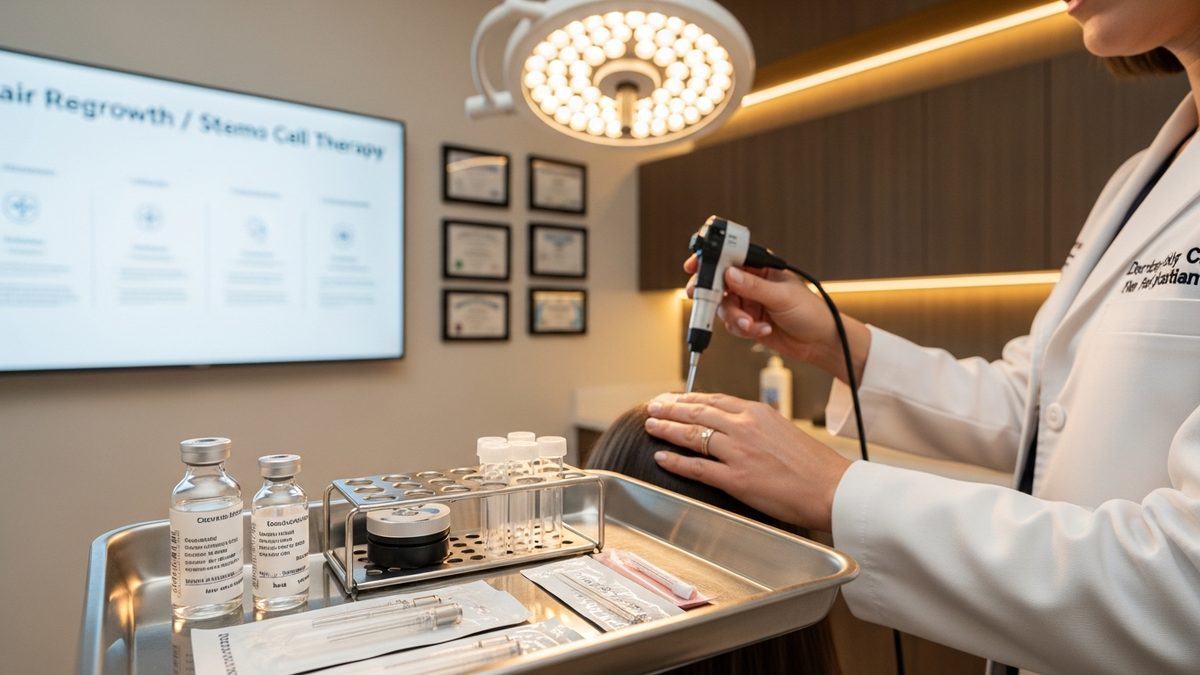
Image guidance: Use your consultation plan to align technique choice with donor density, scalp health, and your desired density pattern.
Evidence and data points (why planning matters)
Hair loss is common and multifactorial. While individual outcomes vary, careful diagnosis and technique selection are consistently emphasized by dermatology authorities.
Statistics on hair loss and treatment demand
- Hair loss affects a large portion of the population: The American Academy of Dermatology notes that hair loss is common and can affect people of all ages and genders. Source: American Academy of Dermatology (AAD).
- Scalp health and early management matter: AAD emphasizes that hair loss has many causes and early evaluation can improve treatment plans. Source: American Academy of Dermatology (AAD).
Clinical rationale supported by authoritative guidance
- Technique and patient selection influence outcomes: According to the AAD, the right diagnosis and treatment plan are critical because hair loss can result from different underlying conditions. Source: American Academy of Dermatology (AAD).
- Dermatologic evaluation can complement surgical planning: Many women benefit from concurrent medical management to stabilize shedding and improve long-term appearance. Source: American Academy of Dermatology (AAD).
External citations: This article references general guidance from the American Academy of Dermatology and uses educational principles to explain planning for hair restoration. Always seek personalized advice from qualified professionals.
Related topics you may also like
Hair restoration planning often connects to broader facial and head/neck aesthetic goals. Explore these resources:
- Blepharoplasty for upper and lower eyelid rejuvenation
- eyebrow transplant if you’re addressing eyebrow thinning or loss
- Deviated Septum and related breathing improvements
How to structure your consultation like a pro
If you want to make your appointment efficient, use this “consultation script.” It’s designed to help you gather the information you’ll need to decide confidently.
Bring these details
- Dates of when thinning started and how it has progressed
- Any prior treatments (topicals, oral meds, procedures)
- Family history of hair loss
- Scalp symptoms (itching, flaking, tenderness)
- Current medications and supplements
Ask for a plan, not just a procedure
A high-quality consultation should include:
- Technique recommendation (FUE vs FUT) with reasoning
- Recipient-site design aligned with your natural hair growth
- A recovery and regrowth timeline
- Risk discussion and how complications are handled
When you leave the appointment, you should feel like you understand the why behind each recommendation—not only the what.
Medical Information Disclaimer
This content is provided for general educational purposes only by FUEsion Hair Clinics. It is not a substitute for professional advice, diagnosis, or treatment. Readers are advised to consult qualified professionals for personalized recommendations.