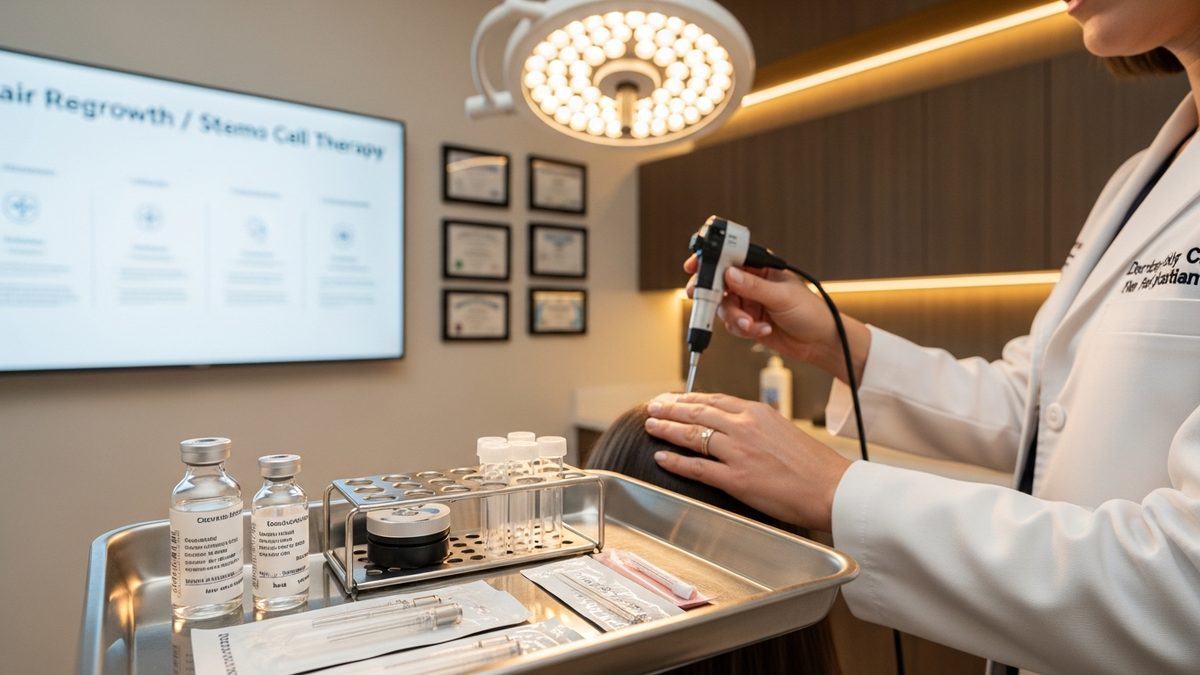
Hair transplant price Turkey is one of the most searched questions for people planning a hair restoration trip—especially when they’re comparing options across countries. If you’re considering FUE or FUT in Turkey, the “cost” is only one part of the decision. The real value comes from how the clinic plans your case, the surgeon’s experience, the grafts you actually need, and the safety standards used to protect your results.
In this FUEsion Hair Clinics guide, we’ll explain what typically drives hair transplant pricing in Turkey, how to interpret quotes (including the difference between FUE and FUT), what’s usually included vs. what can add cost, and a practical checklist to help you choose a clinic confidently.

What “hair transplant price Turkey” usually includes
When people search “hair transplant price Turkey,” they’re often looking at a single number. In practice, quotes can vary widely because they may be based on different assumptions—such as graft count, technique (FUE or FUT), clinic overhead, travel packages, and whether the quote includes medications, follow-up care, or aftercare supplies.
Most reputable clinics structure pricing around graft-based estimates (how many follicular units you need) and the procedure type. Some clinics also offer package pricing that bundles airport transfers, hotel stays, and certain consultations. The safest approach is to ask for a line-item breakdown so you can compare apples to apples.
Common cost components
- Consultation and assessment (scalp evaluation, donor assessment, hairline planning)
- Procedure (FUE or FUT; donor harvesting and graft implantation)
- Medications (often includes antibiotics/anti-inflammatory regimens and post-op hair care guidance)
- Aftercare (dressings, shampoos, topical solutions, follow-up visits)
- Additional sessions (if you need staged restoration)
- Travel and logistics (airport transfers, hotel, translator support)
Why two quotes can look “similar” but aren’t
Two clinics might quote the same total price, yet deliver different value if one includes more follow-up visits, has a higher surgeon-to-patient involvement, or uses more conservative planning for long-term hair density. Conversely, a higher quote may still be cheaper overall if it reduces the need for additional touch-up sessions.
FUE vs FUT in Turkey: how technique affects price
Hair transplant techniques are not interchangeable. The difference between FUE (Follicular Unit Extraction) and FUT (Follicular Unit Transplantation, often referred to as “strip surgery”) can influence your timeline, donor management, scarring pattern, and sometimes the way clinics estimate costs.
FUE: typically chosen for flexibility and donor management
FUE harvests follicular units individually from the donor area, usually behind and around the sides of the scalp. Many patients like FUE because it typically avoids a linear scar and may suit certain donor characteristics. Pricing can vary based on graft yield, complexity, and how the clinic manages extraction density.
FUT: often used when maximizing graft yield
FUT involves removing a strip of scalp tissue and then dissecting it into grafts. For some patients—particularly those needing significant graft counts—FUT can be an efficient way to harvest hair follicles. However, it leaves a linear donor scar, and your suitability depends on donor laxity, hair characteristics, and your preference.
What to ask so you can compare FUE vs FUT quotes
- How many grafts are being quoted, and what is the basis (photos, density measurements, scalp exam)?
- Who performs the core steps (incision creation, graft placement, extraction)?
- Is the quote for one session or includes staged planning?
- What is included in follow-up care at 1 week, 1 month, 3–6 months, and 12 months?

What drives hair transplant price Turkey (the real variables)
Even within Turkey, hair transplant price can change due to multiple variables. Instead of focusing only on the lowest number, focus on the factors that most influence outcomes: planning, donor preservation, surgical skill, and post-op support.
1) Graft count and hair loss pattern
Pricing often correlates with the number of grafts required to reach your target density. Your pattern of loss—temples, mid-scalp thinning, crown involvement—affects graft planning and density goals. The earlier you start treatment (when appropriate), the more likely you can achieve a balanced result with fewer grafts.
2) Donor quality and extraction strategy
Clinics evaluate donor density and caliber. Better donor quality may allow for more grafts with less compromise, while lower donor density can require a more conservative extraction plan to protect long-term coverage.
3) Surgeon involvement and team structure
In many hair clinics, different team members may handle extraction, dissection, and placement. Ask who is responsible for designing the hairline and who performs graft placement. A quote is more valuable when it clearly describes surgical oversight and accountability.
4) Clinic technology and protocol
State-of-the-art imaging, standardized post-op protocols, and consistent aftercare can reduce variability. The best clinics also manage risk: infection prevention, proper anesthesia protocols, and realistic expectation setting.
5) Included travel package vs. add-ons
Some packages bundle airport transfer and hotel. Others may charge separately for translator services, additional medications, or extra follow-up appointments. Confirm what’s included in the quote you receive.
6) Timing and scheduling
High-demand dates can influence availability. Some clinics schedule multiple patients per day; others focus on fewer cases with longer on-site time. Your comfort and safety depend on how the clinic manages scheduling and staffing.
How to evaluate a Turkey hair transplant quote safely
Below is a practical, patient-friendly checklist you can use before booking. It’s designed to help you compare clinics on quality and transparency—not just on price.
Clinic transparency checklist
- Request a written quote with graft estimate, procedure type (FUE or FUT), and what’s included.
- Ask who performs placement and whether the surgeon designs your hairline.
- Confirm follow-up schedule (photos, dressing checks, suture removal if applicable, and long-term monitoring).
- Verify aftercare support (medication plan, shampoo routine, activity restrictions, and emergency contact guidance).
- Discuss realistic outcomes for your pattern of loss and expected density over time.
- Ask about complications management (how the clinic handles infection, shock loss concerns, or uneven growth).
Red flags that often correlate with “too-good-to-be-true” pricing
- Quotes that don’t mention graft count or provide only a low starting price without evaluation
- Vague answers about who performs key steps
- No clear post-op plan or limited follow-up for remote patients
- Pressure to pay quickly without adequate documentation
- Inconsistent communication about medications and aftercare
What “good planning” looks like
A high-quality consultation should include hairline design, donor assessment, and a discussion of whether you need a staged approach. It should also cover how you will maintain results—often involving medical therapy and lifestyle considerations—rather than treating the transplant as a one-time fix.
Expected timeline and why it matters for total cost
Hair transplant results are not immediate. Growth occurs in phases, and the timeline influences whether you’ll need additional sessions or supportive treatments.
Typical recovery milestones
- First 1–2 weeks: scabs/dryness, gentle cleaning, and early shedding of transplanted hairs (common and often expected)
- Weeks 3–8: continued shedding; scalp healing continues
- Months 3–6: early growth may become visible
- Months 6–12: more mature growth and density improvements
- 12+ months: final refinement assessment; future planning if needed
Because growth is gradual, clinics that provide robust follow-up and long-term guidance can reduce the likelihood of avoidable revisions. That can make a higher initial quote more cost-effective over time.
Statistics and evidence: setting expectations responsibly
Hair restoration outcomes depend on technique, case selection, and follow-up care. While results vary, research and public health guidance help frame expectations and emphasize patient safety.
Safety and planning matters
According to the American Academy of Dermatology (AAD), hair loss management often includes both procedural and medical strategies, and treatment plans should be individualized to the cause and pattern of loss. This supports the idea that a transplant quote should be paired with a longer-term plan rather than treated as a standalone event. (According to the American Academy of Dermatology, Hair Loss resources)
Recovery and follow-up are essential
According to the National Health Service (NHS), surgical procedures require appropriate aftercare and follow-up to reduce complications and support healing. While the NHS doesn’t set hair transplant pricing, the general principle applies: what’s included in follow-up care can materially affect your overall experience and risk. (According to the NHS general surgery and recovery guidance, NHS conditions and aftercare resources)
Cost comparisons should focus on value, not only price
In medical decision-making, the most meaningful comparisons are those that account for outcomes, safety protocols, and follow-up support. For hair transplants, that means asking how grafts are planned and placed, and how the clinic monitors growth and manages concerns over the first year.
Helpful stats to guide planning (with sources)
- Hair transplant growth is gradual: Most visible improvement occurs over months, with maturation around 12 months. This aligns with standard post-transplant growth timelines described in clinical patient education materials used by major hair restoration organizations. (General timeline consistent with patient education described by the International Society of Hair Restoration Surgery, ISHRS, ISHRS resources)
- Hair loss is common: Androgenetic alopecia affects a large portion of the population. For prevalence and risk context, see AAD hair loss education materials. (According to the American Academy of Dermatology, Hair Loss)
- Consultation and individualized care: Clinical organizations emphasize tailored treatment plans. That’s why a “one-size quote” is less reliable than a documented assessment. (According to AAD guidance on hair loss evaluation and treatment, Hair Loss resources)

Hidden costs to watch for in hair transplant price Turkey
Some expenses are not obvious in an initial online quote. Use this section to anticipate what may change your total spend.
Potential add-ons
- Extra grafts if intra-procedure changes occur (ask how they handle this)
- Additional sessions for crown coverage or density targets
- Medication refills or extended medication plans
- Extra follow-up visits beyond the included schedule
- Transportation (local travel, clinic-to-hotel movement, or extra appointment days)
- Photography and documentation (some clinics include baseline and progress photo sets; others don’t)
How to reduce “surprise” costs
Ask the clinic to confirm: (1) the graft estimate basis, (2) the number of follow-up visits included, (3) whether medications are included for the full post-op duration, and (4) what happens if you need staged work. Clear documentation reduces uncertainty—especially if you’re traveling internationally.
Who should consider Turkey for hair restoration (and who should pause)
Hair transplant travel can be a reasonable option for many people—especially when they receive transparent planning, robust follow-up, and surgeon-led care. However, not everyone should book immediately. Your health status, donor quality, and expectations matter.
Good candidates often have
- Stable hair loss pattern (or a plan to manage ongoing loss)
- Donor area adequate for the desired density
- Realistic expectations about timeline and gradual density changes
- Willingness to follow aftercare instructions precisely
Consider pausing if
- You’re offered a “fixed price” without a proper assessment
- Medical history suggests higher risk and the clinic won’t coordinate pre-op guidance
- You can’t commit to follow-up (including remote check-ins during the first year)
- You feel pressured or unclear about which team members perform key steps
TestBiz Hair Clinic perspective: quality planning over quick bargains
For patients comparing hair transplant price Turkey, it helps to understand what “premium” clinics emphasize: surgical technique, experienced teams, and patient education. TestBiz Hair Clinic is a premium hair transplant clinic offering FUE and FUT procedures and serving clients worldwide with state-of-the-art technology and experienced surgeons.
For many international patients, the most valuable difference is not just the procedure day—it’s the clarity of the plan: how grafts are evaluated, how the hairline is designed, and how the clinic supports you through healing and early growth stages.
Questions to ask any premium clinic
- How do you determine graft count and hairline design for my case?
- What is the surgeon’s role vs. team roles throughout the procedure?
- How do you manage donor preservation and long-term density?
- What follow-up is included for remote patients traveling internationally?
CTA: Get a transparent Turkey hair transplant estimate
If you want to compare hair transplant price Turkey accurately, start by requesting a written quote that includes graft estimate, procedure type (FUE or FUT), and a detailed aftercare plan. For many patients, the best next step is a structured consultation where your donor area and hair loss pattern are evaluated before pricing is finalized.
Ready to plan? Use the checklist above and request line-item clarity from shortlisted clinics. FUEsion Hair Clinics recommends choosing the option that offers both transparency and strong follow-up—not just the lowest number.
Frequently Asked Questions
How much is a hair transplant in Turkey on average?
Hair transplant price Turkey varies significantly based on graft count, whether you choose FUE or FUT, and what’s included in the package. A reliable estimate requires an in-person or video assessment of donor quality and hair loss pattern. Always request a written quote with graft numbers and included follow-up care.
Is FUE or FUT cheaper for hair transplant price Turkey?
“Cheaper” depends on your case. Some patients may need fewer grafts with one technique, while others may be better suited for the other based on donor characteristics and density goals. Ask clinics to explain the graft-based rationale behind their pricing rather than comparing only the headline number.
What hidden costs should I budget for when traveling to Turkey?
Potential add-ons include extra grafts, staged sessions, extended medication, extra follow-up visits, and additional travel days. Ask for a line-item quote and confirm what the aftercare schedule includes—especially if you’ll return home shortly after surgery.
How do I know a clinic’s quote is trustworthy?
A trustworthy quote clearly states graft estimate, procedure type, and who performs core steps like hairline design and graft placement. It also includes a documented follow-up plan and clear aftercare instructions. Avoid clinics that won’t provide written details or that pressure you to book quickly.
How long until I see results after a hair transplant?
Hair growth is gradual. Many patients notice early changes around months 3–6, with more mature density closer to 12 months. Because results evolve over time, long-term follow-up and realistic expectations are essential when comparing overall value.
Other head-and-neck procedures you may be researching
If you’re exploring cosmetic or reconstructive options alongside hair restoration, you may also be researching nasal or facial aesthetic procedures. For example, some patients compare facial rejuvenation options like Facelift or eye rejuvenation such as Blepharoplasty. If your hair loss journey intersects with breathing or structural concerns, you might also review Septoplasty and Deviated Septum.
And if you’re interested in specialty grafting for facial hair or eyebrows, explore eyebrow transplant for guidance on the planning and expectations unique to that area.
How to structure your consultation (HowTo)
This simple process helps you get clearer answers and compare options. Use it during your next call or appointment.
Step 1: Prepare your goals and constraints
Write down what you want to improve (hairline, mid-scalp, crown) and your constraints (budget ceiling, timeline, willingness to travel, preferred technique). Bring recent photos and any relevant medical history.
Step 2: Request an assessment-based graft plan
Ask the clinic to explain how they estimate graft count and how they plan density over time. Confirm whether they recommend FUE or FUT and why.
Step 3: Compare quotes using line items
Make sure each quote lists graft estimate, procedure type, medications, follow-up schedule, and what travel logistics are included. If two clinics quote different graft counts, adjust your comparison to the same target outcome.
Step 4: Verify surgical oversight and aftercare
Ask who performs the key steps and what follow-up is included at each milestone. Confirm you’ll receive instructions for cleaning, medication adherence, and activity restrictions.
Step 5: Decide based on value and safety
Choose the clinic that provides transparent planning and strong follow-up, even if the initial “hair transplant price Turkey” number is not the lowest. Long-term satisfaction often depends on how well the plan is executed—not just the headline cost.
Professional Disclaimer
This content is provided for general educational purposes only by FUEsion Hair Clinics. It is not a substitute for professional advice, diagnosis, or treatment. Readers are advised to consult qualified professionals for personalized recommendations.
Medical Information Disclaimer
This content is provided for general educational purposes only by FUEsion Hair Clinics. It is not a substitute for professional advice, diagnosis, or treatment. Readers are advised to consult qualified professionals for personalized recommendations.