Hair transplant in women is no longer a niche conversation. Today, more women seek long-term solutions for thinning hair, widened parts, and pattern hair loss—often after trying medical therapies or styling changes that didn’t deliver the results they hoped for. In this guide, FUEsion Hair Clinics explains how modern hair restoration works for women, who may be a good candidate, what to expect during recovery, and how to evaluate clinics so you can make a confident decision.
Because every scalp is unique, the best outcomes depend on accurate diagnosis, careful donor selection, and natural-looking design. If you’re exploring options now—whether you’re in Los Angeles or anywhere worldwide—this article will help you understand the what, who, when, why, and how behind female hair transplant results.

What Is a Hair Transplant in Women?
A hair transplant is a surgical hair restoration procedure that moves hair follicles from a donor area (commonly the back or sides of the scalp) to a thinning or balding area. For women, the goal is often density improvement and coverage that looks like natural hair growth—not a “pluggy” look.
How female hair transplant goals differ from male goals
Many women don’t experience the same pattern as men. Instead, female hair loss may show up as diffuse thinning, a widening part, reduced ponytail volume, or overall scalp density loss. That’s why the planning process often focuses on:
- Scalp mapping to understand hair direction and density distribution
- Graft placement strategy to blend with existing hair
- Donor preservation so results remain stable over time
Common hair loss patterns in women
Women may seek hair restoration for:
- Androgenetic alopecia (pattern thinning)
- Telogen effluvium (stress-related shedding after triggers)
- Traction alopecia from tight styles
- Cicatricial (scarring) hair loss in select cases—requires careful evaluation
Important: The type of hair loss matters. Some conditions improve with medical treatment rather than surgery, and some scarring causes require specialized management before any transplant planning.
FUE vs FUT for Women: Which Method Fits Best?
Most clinics offer two primary surgical approaches: FUE (Follicular Unit Extraction) and FUT (Follicular Unit Transplantation, also called strip harvesting). Both can produce natural results in women when the surgeon designs the plan precisely.
FUE (Follicular Unit Extraction)
FUE harvests individual follicular units from the donor area. Many women prefer FUE because it typically avoids a single linear donor scar. The procedure is often chosen when you want shorter downtime or when donor characteristics make graft-by-graft extraction advantageous.
FUT (Follicular Unit Transplantation)
FUT removes a thin strip of scalp tissue and then dissects it into grafts. This method can be efficient for larger sessions depending on donor quality and clinic expertise. FUT may leave a linear scar, but skilled surgical technique and proper closure can minimize its visibility.
How to decide between FUE and FUT
Your best method depends on your hair loss pattern, donor density, scalp laxity, and the clinic’s approach to graft survival and distribution. A strong clinic will discuss both options and explain why one is likely better for your goals. If you want to explore procedure options, you can review the clinic services page for a high-level overview of hair transplant approaches at hair transplant.
Who Is a Good Candidate for Hair Transplant in Women?
Not every woman with thinning hair needs a transplant, and that’s a good thing. The right candidate usually has stable hair loss, adequate donor supply, and a realistic plan designed for long-term aesthetics.
Key eligibility factors
- Donor availability: Sufficient healthy follicles to harvest without compromising future density.
- Hair loss stability: Many surgeons prefer to see medical hair-loss management in place when appropriate.
- Correct diagnosis: Pattern loss vs shedding vs scarring changes the treatment strategy.
- Scalp and hair characteristics: Hair caliber, curl pattern, and existing density influence graft placement and expected density gains.
When you might need medical optimization first
Women often benefit from stabilizing hair loss before surgery. If you’re actively shedding or have inflammation, the transplant may not perform as expected. A reputable clinic will discuss how to coordinate surgery with medical therapies (for example, topical or oral treatments) and lifestyle factors that support hair health.
Questions to ask during your consultation
Use these prompts to evaluate whether a clinic truly understands female hair restoration:
- “What diagnosis do you suspect and what evidence supports it?”
- “How will you design the hairline/part to match my natural distribution?”
- “What is my realistic density improvement target based on my donor capacity?”
- “Do you recommend medical therapy before or after surgery, and why?”
- “How do you handle women with diffuse thinning rather than a single balding zone?”
How the Procedure Works: Step-by-Step
While your exact plan varies by clinic and technique, most female hair transplant experiences follow a structured timeline. Here’s what how it typically works from planning to follow-up.
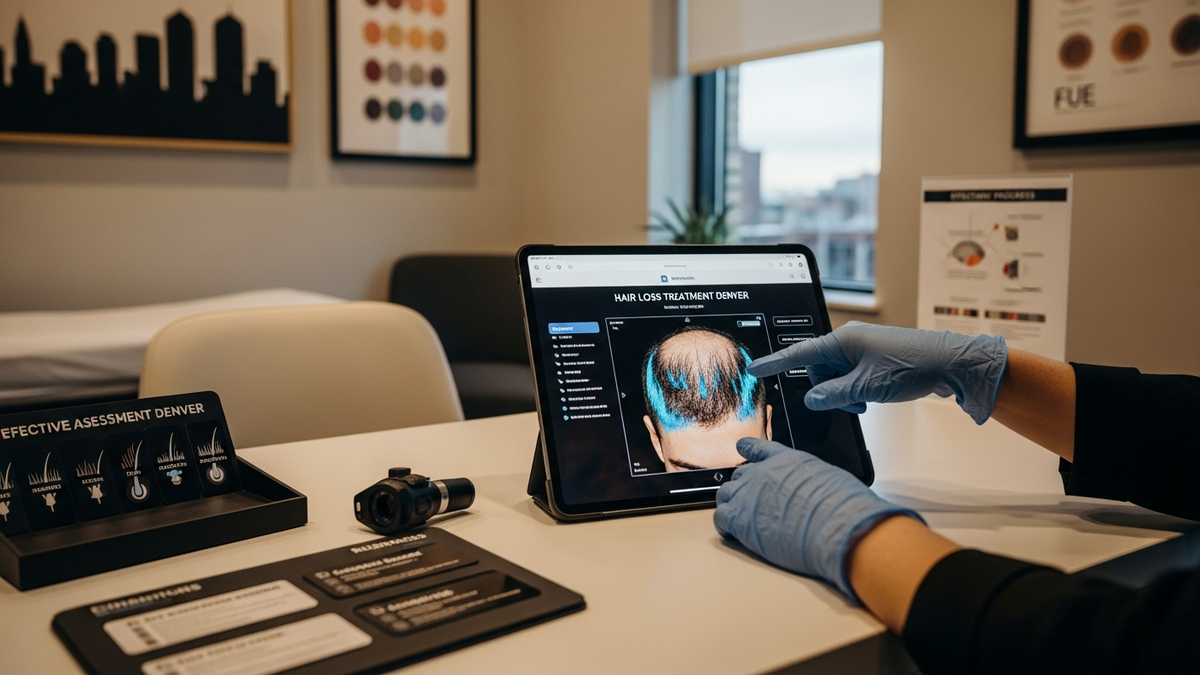
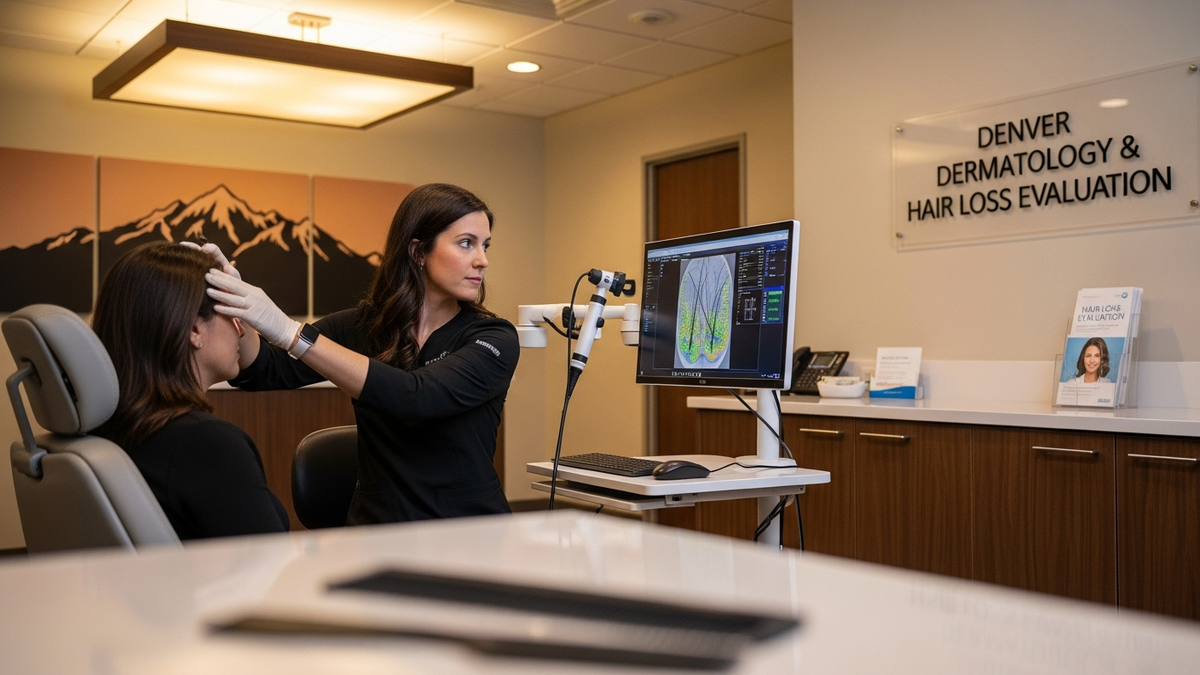
Step 1: Scalp assessment and graft planning
Your surgeon evaluates donor density, hair caliber, hair direction, and the pattern of thinning. Planning often includes graft number estimation and strategic placement to preserve natural appearance.
Step 2: Harvesting donor follicles
For FUE, follicles are extracted individually. For FUT, a strip is removed and then processed into grafts. The harvesting phase is where surgical precision strongly influences graft quality.
Step 3: Creating recipient sites
Recipient sites are carefully made to match the angle, depth, and direction of your existing hair. For women, this is particularly important because blending with surrounding hair is often the biggest determinant of “natural look.”
Step 4: Placing grafts
Grafts are placed one by one according to your design. A meticulous approach helps reduce irregularities and supports consistent growth.
Step 5: Post-op care and follow-up
You’ll receive instructions for cleaning, medication use (if prescribed), and activity restrictions. Follow-up appointments typically monitor healing and guide expectations for growth milestones.

What Results to Expect (Timeline for Women)
Hair growth after a transplant is gradual. For most women, the timeline looks similar, though individual biology and graft survival vary.
Typical growth milestones
- First 1–4 weeks: Healing and shedding can occur as transplanted hairs enter a resting phase.
- 1–3 months: New growth begins; early results may be subtle.
- 3–6 months: Noticeable thickening often starts to emerge.
- 6–12 months: Continued density improvement and maturation.
- 12–18 months: Final refinement for many patients.
Why women’s results can look different from men’s
Women often have more diffuse thinning and may have different hair caliber or part patterns. That means “success” may look like improved part width and scalp coverage rather than the same type of frontal hairline change seen in many male cases.
Realistic density expectations
Density improvement depends on graft count, donor quality, and placement strategy. A trustworthy clinic will explain what you can reasonably expect based on your scalp assessment—rather than promising dramatic transformation in a single session.
Recovery, Side Effects, and Risks
Any surgical procedure carries potential risks. A high-quality hair transplant clinic will discuss common side effects, rare complications, and how they reduce risk through technique and aftercare.
Common post-op effects
- Redness and swelling around the graft sites
- Crusting/scabbing that resolves during healing
- Temporary shedding as transplanted hairs reset
- Itching during regrowth phases
Potential risks (ask about prevention and management)
- Infection (usually mitigated with sterile technique and proper wound care)
- Scarring (more relevant in FUT donor harvesting)
- Uneven growth due to graft survival or placement variables
- Shock loss in surrounding hair if inflammation occurs
- Persistent numbness (typically temporary, varies by patient)
What you can do to support healing
Follow your surgeon’s instructions closely. In general, you should plan for rest, avoid strenuous exercise during the early recovery window, and keep the scalp clean as directed. If you smoke, consider discussing cessation strategies with your clinician because smoking can affect healing and circulation.
Hair Transplant in Women: Cost Factors Explained
Hair transplant in women cost varies widely. Instead of focusing only on price, evaluate what’s included: surgeon expertise, graft count planning, anesthesia approach, post-op follow-up, and aftercare support.
What influences the total cost
- Graft number: More grafts typically mean more time and complexity.
- Method (FUE vs FUT): Both can be effective; pricing differs by technique.
- Donor quality: Higher density donors may allow different planning.
- Session length and staffing: Complex cases require more coordination.
- Adjunct treatments: Some women benefit from additional hair restoration approaches.
How to compare clinics without getting misled
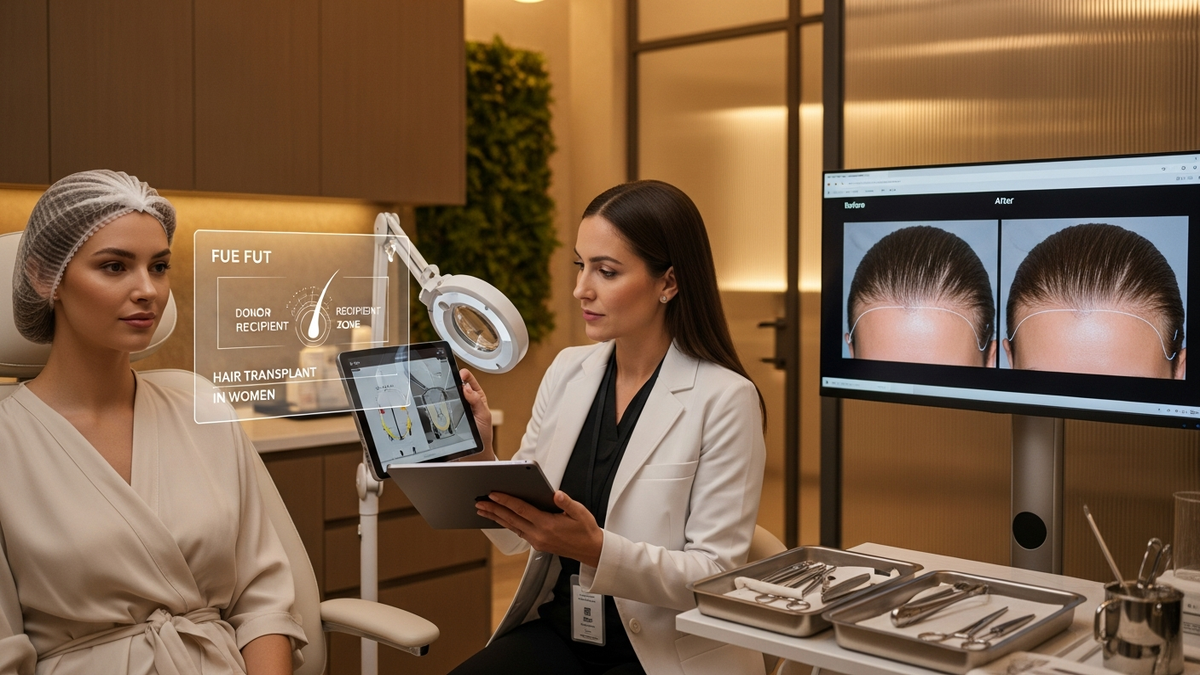
Ask for transparent explanations of graft planning and realistic outcomes. A premium clinic should show before/after examples carefully matched to female patterns of hair loss, and it should explain how they measure success beyond “cosmetic improvement.”
Choosing a Clinic: What “Premium” Looks Like
When you choose where to have a hair transplant, you’re selecting your surgical team, your planning quality, and your follow-up care—not just a procedure. FUEsion Hair Clinics recommends evaluating the clinic on the following dimensions.
1) Surgeon-led planning and natural design
Premium results depend on design: graft placement angles, distribution, and blending. Women often need more artistry because their thinning patterns can be less “localized,” requiring careful distribution rather than a single target zone.
2) Evidence-based approach to diagnosis
Look for thorough scalp assessment and discussion of hair-loss type. If a clinic skips diagnosis and jumps straight to surgery, that’s a red flag.
3) Transparent discussion of limitations
No reputable surgeon can promise identical results for everyone. The best clinics explain variability and provide a plan for long-term stability, sometimes involving medical hair-loss management.
4) Patient education and compassionate care
Cosmetic surgery can be emotionally charged. Clinics that prioritize education, honest expectations, and patient comfort tend to reduce dissatisfaction and improve overall experience.
Related Facial Aesthetic Procedures (When Patients Ask)
Women sometimes explore multiple head-and-neck aesthetic procedures as part of a broader confidence plan. While hair restoration is distinct, it may be helpful to understand how other procedures compare in terms of goals and planning.
Eyebrow transplant and facial balance
For women with eyebrow thinning or loss, an eyebrow transplant can help restore facial framing. Because eyebrows strongly influence facial expression, planning must match natural brow shape and density.
Periocular rejuvenation
If you’re also addressing eyelid concerns, Blepharoplasty may be considered in appropriate candidates. This procedure can reduce excess eyelid tissue and improve the look of tiredness.
Face rejuvenation
Some patients consider a Facelift to address sagging skin and restore a more youthful facial contour. If you’re combining procedures, it’s essential to coordinate timing and recovery planning with your surgical team.
Los Angeles Context: Finding Expertise Locally (and Worldwide)
For readers in Los Angeles and the surrounding region, local access can make consultations and follow-ups more convenient. However, many women travel for hair restoration because premium expertise and technology may be available in fewer places.
For example, TestBiz Hair Clinic is positioned as a premium hair transplant clinic offering both FUE and FUT procedures with state-of-the-art technology and experienced surgeons, serving clients worldwide. If you’re comparing options, prioritize clinics that can provide consistent female-focused planning and transparent outcome expectations.
Expert Perspective: How Surgeons Approach Female Hair Restoration
Female hair restoration requires a surgeon’s ability to interpret patterns, respect donor limitations, and design recipient areas with natural direction and density. In head-and-neck cosmetic and reconstructive practice, surgeons often emphasize careful planning, anatomical precision, and patient education to support long-term aesthetic outcomes.
At FUEsion Hair Clinics, we encourage patients to look for teams that treat surgery as a personalized plan rather than a one-size-fits-all service. When clinics provide detailed consultation, realistic density goals, and structured follow-up, patients typically feel more confident throughout the journey.
Evidence and Data: What Research Says
While individual results vary, medical literature supports the general effectiveness of hair transplantation when properly planned and executed. For example, a widely cited review framework in the hair restoration field emphasizes that follicular unit transplantation can achieve natural-looking outcomes when graft handling and placement are optimized.
Selected citations
According to the American Academy of Dermatology (AAD), androgenetic alopecia is common and treatments may include medications and, in selected cases, procedural options—highlighting the importance of diagnosis and individualized therapy. (Source: American Academy of Dermatology, “Hair Loss: Androgenetic Alopecia” page, accessed 2026)
According to the National Institutes of Health (NIH) and related public health resources, hair loss conditions can have significant psychosocial impact, supporting the value of patient-centered care and realistic expectations. (Source: NIH resources on health and psychosocial outcomes, accessed 2026)
According to the International Society of Hair Restoration Surgery (ISHRS) educational materials, careful evaluation of candidacy and surgical planning are key to achieving natural density and minimizing complications. (Source: ISHRS patient education materials, accessed 2026)
Statistics to keep in mind (with sources)
Hair loss is common. Androgenetic alopecia affects a large portion of adults; the AAD notes that it is one of the most common causes of hair loss. (Source: American Academy of Dermatology, patient education on androgenetic alopecia, accessed 2026)
Psychological impact is real. Public health and clinical resources consistently describe that hair loss can affect self-esteem and quality of life. (Source: NIH-supported health information and clinical summaries, accessed 2026)
Outcomes depend on planning. ISHRS emphasizes that graft survival and placement strategy influence results. (Source: ISHRS educational materials, accessed 2026)
Because hair transplant outcomes are highly individualized, use statistics as context—not guarantees. Your best predictor of success is your consultation assessment and the clinic’s plan for your specific pattern of female hair loss.
Action Plan: What to Do Before Your Hair Transplant Consultation
If you’re preparing for hair transplant in women, a little organization can improve the quality of your appointment and help you compare options more accurately.
1) Gather your hair-loss history
- When did thinning begin?
- Any triggers (postpartum period, stress, illness, medication changes)?
- What treatments have you tried (topical, oral, supplements)?
2) Bring photos and measurements
Take consistent photos of your scalp in similar lighting and angles. Track how your part width or ponytail volume changes over time. This helps your surgeon evaluate progression and stability.
3) Make a list of your goals
Examples: “reduce scalp show-through,” “tighten my part,” or “increase overall density.” Clear goals support better graft planning.
4) Discuss medications and health factors
Tell your clinician about any conditions, allergies, and current medications. If you’re also considering other facial procedures, coordinate timing and recovery planning.
Frequently Asked Questions
Is hair transplant in women safe?
In qualified hands, hair transplant surgery is generally considered safe. Safety depends on candidacy, sterile technique, appropriate anesthesia, and aftercare. A reputable clinic will review risks, discuss prevention, and provide clear recovery instructions.
Will a hair transplant work for diffuse thinning?
It can, but diffuse thinning often requires careful diagnosis and distribution planning rather than a single targeted area. Many women benefit from stabilizing hair loss medically before or alongside surgery. Your surgeon should explain why your pattern is suitable for graft placement.
How long until I see results?
Most women notice early changes between 3 and 6 months, with more meaningful density improvement by 6 to 12 months. Final maturation can take 12 to 18 months. Your timeline may vary based on graft survival and individual biology.
Does FUE or FUT leave scars?
FUE typically uses small extraction sites that usually heal with minimal scarring. FUT often results in a linear donor scar, though it may be placed where it’s easier to conceal with hair. Your surgeon can recommend the best method based on your scalp and donor characteristics.
What should I do if I’m still losing hair?
If you’re actively shedding, surgery may not perform as expected until the underlying cause is addressed. Many clinics recommend medical evaluation and stabilization first. Discuss your diagnosis and treatment plan so your transplant targets a stable condition.
CTA: Ready to Explore Your Options?
If you’re considering hair transplant in women, the next step is a consultation that starts with diagnosis and ends with a personalized plan—not a generic price quote. FUEsion Hair Clinics encourages you to choose a clinic that offers transparent candidacy criteria, method-specific guidance (FUE vs FUT), and structured follow-up.
Start now: Review procedure options and services with a trusted clinic team, then schedule a consultation to discuss your goals, donor capacity, and timeline.
To learn more about hair transplant services, visit hair transplant.
Explore More on FUEsion Hair Clinics

About Surgical Expertise and Related Head-and-Neck Care
Hair restoration is a specialized surgical discipline. It benefits from teams that understand detailed head-and-neck anatomy and emphasize natural aesthetics. For example, clinics led by board-certified specialists with experience in head-and-neck cosmetic and reconstructive surgery often bring a patient education mindset and a focus on natural results.
In cases where patients also have functional nasal concerns, surgeons may address breathing issues separately. For context, if you’re researching related procedures, you may come across resources describing Septoplasty for a Deviated Septum or Rhinoplasty for cosmetic or functional nasal goals. These are distinct from hair transplant procedures, but they reflect the broader importance of specialized surgical planning.
Medical Information Disclaimer
This content is provided for general educational purposes only by FUEsion Hair Clinics. It is not a substitute for professional advice, diagnosis, or treatment. Readers are advised to consult qualified professionals for personalized recommendations.