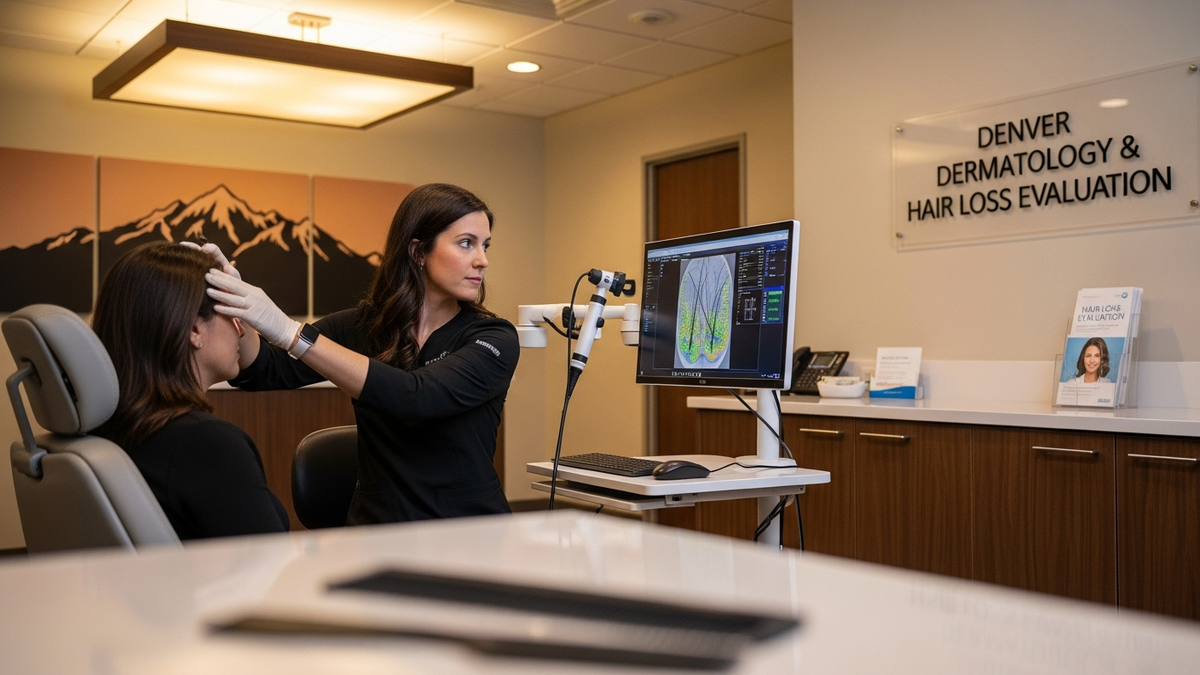
OG Readiness: Hair transplant for women is a high-intent search topic—people want clarity before they book. In this FUEsion Hair Clinics guide, you’ll learn what a hair transplant can (and can’t) do, how FUE and FUT differ, and which evaluation steps help ensure natural, feminine-looking coverage.

Hair loss can affect anyone, but hair transplant for women often comes with unique concerns: maintaining a natural part line, preserving a soft, age-appropriate hairline, and addressing patterns of thinning that may not behave like typical male balding. If you’re asking “Will my results look feminine and natural?” you’re thinking about the right things.
In this article, we’ll cover who is a good candidate, how surgeons plan graft distribution, what recovery looks like, and how to choose between FUE and FUT. We’ll also address common questions about timing, expectations, and safety—so you can move from uncertainty to a clear next step.
What a Hair Transplant for Women Actually Does
A hair transplant is a surgical hair restoration method that moves hair follicles from a donor area to a thinning or balding area. The goal is not to “create” new follicles, but to redistribute existing, healthy follicles to improve density and coverage.
Why women often need a different approach
Women’s hair loss patterns can be influenced by genetics, hormones, medications, iron deficiency, autoimmune conditions, and other factors. Many women experience diffuse thinning across the scalp (often described as “pattern” thinning) rather than a single, classic male pattern. That means planning graft placement requires careful attention to:
- Density goals (how much coverage you want, and where)
- Scalp visibility in different lighting
- Natural parting and hair direction
- Donor supply and long-term sustainability
- Expectations for gradual thickening over months
FUE vs FUT for Women: Key Differences
When people search for hair transplant for women, they’re usually comparing two common techniques: FUE (Follicular Unit Extraction) and FUT (Follicular Unit Transplantation). Both can produce natural results when performed by experienced teams, but they differ in how grafts are harvested and how you may experience recovery.
FUE (Follicular Unit Extraction)
FUE harvests individual follicular units directly from the donor area. Many patients prefer FUE for its minimal linear scarring and the potential for shorter styling restrictions depending on your hair length and density.
- Harvest method: individual grafts removed one-by-one
- Scarring pattern: small punctate scars spread across the donor zone
- Typical recovery feel: often manageable with proper aftercare
- Planning importance: donor evaluation is critical for long-term density
FUT (Follicular Unit Transplantation)
FUT removes a strip of scalp tissue, then separates it into follicular units for placement. FUT can be effective for certain cases, especially when a clinic’s workflow and donor characteristics support it.
- Harvest method: strip-based harvesting
- Scarring pattern: a linear scar in the donor area
- Typical recovery feel: depends on incision size and individual healing
- Planning importance: scar management and donor stability matter
How to choose between FUE and FUT
The “best” option depends on your donor characteristics, your hairstyle preferences, the size of the area to be treated, and your long-term hair-loss plan. A quality consult should include:
- Donor mapping and density assessment
- Scalp and hair miniaturization evaluation (often with magnification)
- Graft planning for a natural part line and hair direction
- Discussion of realistic outcomes and time to see growth
If you want to explore the service overview, you can review hair transplant options and clinic pathways that many patients use to start their research.
Who Is a Good Candidate for Hair Transplant for Women?
Not everyone with hair thinning is automatically a surgical candidate. A responsible evaluation helps confirm whether transplantation is likely to deliver meaningful improvement.
Common reasons women consider hair transplantation
- Persistent thinning despite medical therapy
- Scalp scarring or patterned density loss where follicles can be transplanted
- Traction-related loss (depending on cause and donor availability)
- Postpartum or hormonal changes that stabilized over time
Factors that influence candidacy
During your consult, the surgeon team typically reviews:
- Donor supply (is there enough robust hair for your goals?)
- Hair miniaturization (are follicles still capable of strong growth?)
- Scalp health (inflammation, dermatitis, or other conditions)
- Stability of hair loss (a transplant works best when loss is not rapidly progressing)
- Medication history (what you’ve tried and how you responded)
When transplant may not be the first step
If your hair loss is active and rapidly progressing, or if there’s an underlying cause that needs treatment first, your provider may recommend medical management before surgery. This is where coordinated care can matter—because the best surgical result is often supported by appropriate non-surgical stabilization.
Planning for Natural Results: Hairline, Part, and Density
For women, “natural” isn’t just about follicle survival—it’s about how the hair grows in your unique pattern. A high-quality hair transplant plan often includes a combination of artistic and technical decisions.
Designing a feminine-looking hair pattern
In planning, surgeons aim to preserve:
- A soft hairline rather than an overly sharp or juvenile look
- Your natural part (including how it shifts when you move)
- Hair direction so coverage blends rather than looks “pluggy”
- Appropriate density gradients to avoid an unnatural block of thickness
Why graft number isn’t the only metric
Patients may focus on the number of grafts, but natural outcomes depend on:
- Graft quality and follicular unit characteristics
- Implant angle and depth
- Spacing strategy for density without over-concentration
- Post-op care and follow-through
What you should ask in your consultation
A strong consult is interactive. Consider asking:
- How will you map my donor and plan graft placement?
- What results are realistic for my specific pattern of thinning?
- Will you use FUE, FUT, or a combination—and why?
- How do you protect a natural part line and hair direction?
- What does your follow-up schedule look like?
Recovery Timeline: What to Expect After Surgery
Recovery varies by person, technique, and how your scalp heals. Still, there are common phases most patients can anticipate when planning time off and managing expectations.
First days after the procedure
You’ll likely notice:
- Redness and mild swelling
- Small scabs around implanted grafts
- Donor site tenderness (more noticeable in some FUT cases)
- Instructions on washing, medications, and activity limits
Weeks 2 to 6: Shedding phase
Many patients experience temporary shedding of transplanted hairs. This can be alarming, but it’s often part of the normal growth cycle. Your team should explain that shedding does not mean failure.
Months 3 to 6: Early growth
New growth often becomes visible gradually. Texture and thickness may continue to improve as the follicles mature.
Months 9 to 12+: Mature results
Final density can take longer to fully develop. Planning for a 12-month horizon (and sometimes more) helps ensure you judge results fairly.
Aftercare habits that support graft survival
- Follow your surgeon’s wash schedule and medication plan
- Avoid heavy sweating or strenuous activity during the recommended window
- Protect your scalp from direct sun exposure
- Don’t pick scabs—let them shed naturally
- Attend follow-up appointments so the team can monitor progress
Cost Factors for Hair Transplant for Women
Pricing varies widely based on location, clinic reputation, surgeon involvement, graft count, and technique. Rather than focusing on a single number, it’s smarter to understand what drives cost.
Common cost drivers
- Graft count needed for your coverage goals
- Technique (FUE vs FUT) and harvesting time
- Donor quality and how efficiently grafts can be harvested
- Implant complexity (density gradients, hair direction, part-line design)
- Aftercare and follow-up included in the package
- Surgeon-led planning and hands-on experience
How to evaluate value (not just price)
Ask whether your surgeon performs key steps or whether technicians do most of the work. Also request before-and-after examples that match your pattern of thinning (women’s diffuse thinning cases, for example, are not the same as male crown work).
Safety, Risks, and How Clinics Reduce Complications
All surgical procedures carry risks. A reputable clinic should discuss potential complications clearly and describe how they reduce risk through protocols and follow-up.
Potential risks
- Temporary shedding or delayed growth
- Swelling, redness, or discomfort
- Infection (uncommon with proper aftercare)
- Scarring or uneven density
- Shock loss in surrounding areas (varies by case)
What “good safety” looks like
Look for:
- Clear pre-op instructions and medical history review
- Evidence-based post-op care
- Transparent follow-up plan
- Realistic outcomes and honest candidacy screening
External evidence on transplant outcomes
According to the American Academy of Dermatology (AAD), hair transplantation can be an option for certain types of hair loss, but results vary and it’s important to evaluate the underlying cause and expectations. (External source link opens in a new tab.)
Choosing a Clinic: Questions That Protect Your Results
Finding the right provider is one of the most important decisions you’ll make. For many women, the goal is not only more hair—it’s confidence, comfort, and a result that looks like it belongs to you.
Use this clinic checklist
- Surgeon-led planning: Ask who designs your graft placement and hairline/part strategy.
- Technique transparency: Confirm whether FUE, FUT, or a tailored combination is recommended.
- Donor assessment: Require donor mapping and discussion of long-term sustainability.
- Woman-specific examples: Request outcomes from patients with similar thinning patterns.
- Follow-up schedule: Ensure you know how progress is monitored.
- Aftercare support: Confirm you’ll receive clear post-op instructions and contact options.
About TestBiz Hair Clinic and expert-led care
TestBiz Hair Clinic is a premium hair transplant clinic offering FUE and FUT procedures, serving clients worldwide with state-of-the-art technology and experienced surgeons. For patients who want a structured, education-first approach, a clinic that emphasizes planning and follow-up can help reduce uncertainty and improve satisfaction.
Related Head & Neck Surgery Topics (Why It Matters for Confidence)
Many patients who explore hair restoration also consider other aesthetic or functional procedures. While hair transplant surgery targets the scalp, confidence is holistic—how you feel in your appearance and comfort in your daily life can intersect across treatments.
If you’re also considering facial rejuvenation
Some women explore complementary facial procedures for overall balance and freshness. If that sounds like you, you may find it helpful to review Facelift options and how surgeons approach natural aging—though your hair journey should remain independently planned.
If you’re dealing with nasal breathing issues
In some cases, patients pursue functional head-and-neck care alongside cosmetic goals. If you have chronic nasal obstruction, a clinician may evaluate Septoplasty and whether a Deviated Septum contributes to symptoms.
If brows are part of your restoration plan
For women experiencing eyebrow thinning, an eyebrow transplant may be considered in consultation—because the brows frame the face and can influence how hair density is perceived.
Other cosmetic procedures you may encounter in research
If you’re comparing hair transplant outcomes with other surgical options, you might see terms like Rhinoplasty or Blepharoplasty during your search. Those procedures are different from hair restoration, but they highlight why choosing a board-certified, experienced team matters.
Frequently Asked Questions
How long does it take to see results from a hair transplant for women?
Most patients notice early signs of growth around 3 to 6 months, with more noticeable density between 6 and 12 months. Final maturation can take longer, so it’s important to plan for a gradual transformation rather than an immediate “before/after” change.
Will a hair transplant for women look natural?
It can look natural when graft placement, hair direction, and density gradients are planned for your specific thinning pattern. A good surgeon also designs the hairline or part line to match your facial features and how you style your hair.
Is FUE or FUT better for women?
Neither technique is universally “better.” The right choice depends on your donor supply, desired coverage, scalp characteristics, and personal preferences regarding scarring and recovery. Your surgeon should explain why one approach fits your case.
Can I get a hair transplant if I’m still losing hair?
Active or rapidly progressing hair loss can affect results. Many clinics recommend stabilizing hair loss medically first, then transplanting once the condition is more predictable. Your candidacy depends on the cause and stability of your thinning.
What are the most important questions to ask before surgery?
Ask how your donor will be evaluated, who designs your graft placement, and what outcomes are realistic for your pattern of hair thinning. Also confirm your follow-up schedule and aftercare plan, since adherence can influence results.
Action Plan: Your Next Best Step
If you’re considering a hair transplant for women, the smartest next move is to turn research into a tailored evaluation. Here’s a simple, actionable checklist you can use before you schedule:
Step-by-step preparation
- Document your hair-loss timeline: when thinning started, how it progressed, and any triggers (stress, hormones, medications).
- List current treatments: topical minoxidil, oral medications, supplements, and any prior therapies.
- Collect photos: consistent lighting and angles (top, part line, and sides).
- Ask about technique fit: whether FUE, FUT, or a blended plan is recommended for your donor supply.
- Plan for realistic timelines: commit to a 12-month mindset and follow your aftercare instructions.
At FUEsion Hair Clinics, we encourage patients to choose clarity over hype. A thoughtful consult should feel educational, not rushed—and should prioritize long-term natural results over short-term promises.

Evidence Snapshot: What Research Suggests
Hair restoration is widely practiced, but outcomes depend on patient selection, surgical planning, and follow-through. Here are a few widely referenced points from authoritative sources:
1) Hair transplant is an option for selected hair-loss types
According to the American Academy of Dermatology (AAD), hair transplantation can be considered for certain patterns of hair loss, but it’s important to evaluate the underlying cause and set expectations. (Source: American Academy of Dermatology)
2) Temporary shedding can be part of normal growth cycles
Many clinical resources describe that transplanted hairs may shed before regrowth begins, which is often explained as part of the hair cycle. Confirm this timeline with your surgeon so you know what’s typical for your case. (Source: AAD hair transplant overview, linked above)
3) Expect gradual improvement over months
While the exact timeline varies, most educational guidance emphasizes that visible results develop over time rather than overnight. This aligns with the biological process of follicle recovery and maturation. (Source: AAD hair transplant overview, linked above)
Note: If you want more personalized evidence, your surgeon can discuss outcome ranges based on your donor characteristics and pattern of thinning.
Professional Disclaimer
This content is provided for general educational purposes only by FUEsion Hair Clinics. It is not a substitute for professional advice, diagnosis, or treatment. Readers are advised to consult qualified professionals for personalized recommendations.
Medical Information Disclaimer
This content is provided for general educational purposes only by FUEsion Hair Clinics. It is not a substitute for professional advice, diagnosis, or treatment. Readers are advised to consult qualified professionals for personalized recommendations.