By FUEsion Hair Clinics
Updated for readers comparing hair transplant fees worldwide.
When people search for hair transplant fees, they’re usually trying to answer one question: What will this cost me—and what am I truly paying for? Hair restoration pricing can look confusing because two clinics may quote similar totals while delivering different levels of surgical planning, graft strategy, technology, and aftercare. In this guide, you’ll learn how hair transplant fees are built, what factors change the price, what a realistic budget looks like, and how to compare offers without getting surprised later.
Because you deserve clarity, we’ll also share a practical quote checklist and common financing considerations. If you’re in Los Angeles or considering a premium option globally, this article will help you make a confident decision. FUEsion Hair Clinics also highlights how board-certified surgical expertise and patient education can influence outcomes.
Hair transplant fees: what you’re really paying for
Hair transplant fees typically reflect more than the procedure itself. The final price is shaped by the number of grafts, the complexity of your case, and the clinical team’s approach—including pre-op assessment, surgical technique, and post-op follow-up.
Grafts, coverage goals, and case complexity
Most pricing models ultimately tie back to graft planning. A clinic may estimate graft needs based on hair loss pattern, donor density, hair caliber, and desired density/coverage. A small difference in coverage goals—like filling only the frontal hairline versus restoring mid-scalp density—can change the graft count and therefore the fees.
Surgical technique: FUE vs FUT pricing
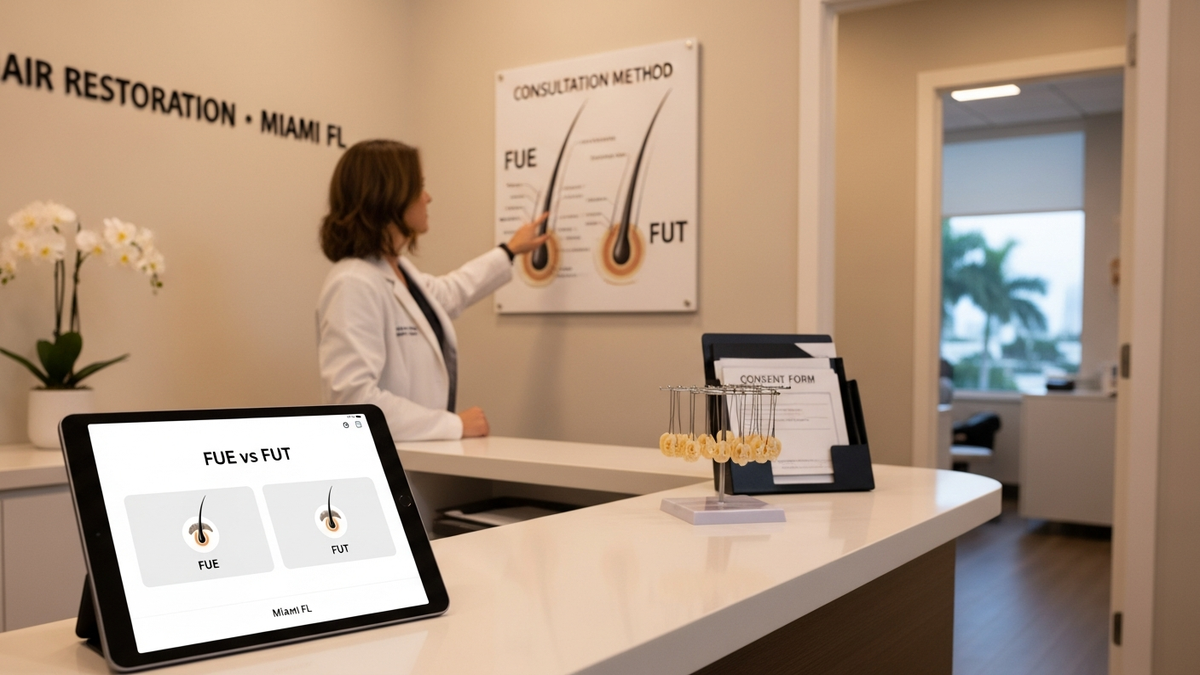
Many clinics offer both FUE (Follicular Unit Extraction) and FUT (Follicular Unit Transplantation). While both can produce natural results when performed correctly, they involve different workflows and surgical logistics. This can affect total cost. At TestBiz Hair Clinic, for example, patients can be evaluated for FUE and FUT based on anatomy, density, and goals, with the aim of matching the best technique to the individual.
Time, staffing, and surgeon involvement
Some “low-cost” quotes may not fully reflect the time required for careful harvesting, implantation density, and meticulous site creation. In premium settings, experienced surgeons and trained teams often play a key role in planning and execution. That difference can be reflected in hair transplant fees—because surgical quality and safety are not interchangeable.
Typical hair transplant fee ranges (and why they vary)
Because hair loss patterns differ widely, there isn’t one universal price. However, understanding the range can help you budget and compare quotes responsibly.
What most quotes include
When comparing clinics, ask whether the quote includes anesthesia, surgical supplies, medications, graft counting methodology, and follow-up visits. A lower total may omit items that you’ll need later. A higher total may include more comprehensive care.
Why global pricing can differ
Hair transplant fees can vary by country and city due to differences in labor costs, regulatory standards, facility overhead, and technology. Even within the same region, premium clinics may price higher because they invest in surgical planning, patient education, and aftercare.
Cost vs value: the comparison framework
Instead of comparing only totals, compare the value bundle:
- Graft plan transparency: How did the clinic estimate grafts?
- Technique match: Are FUE or FUT recommended for a reason?
- Surgeon/tech involvement: Who performs which steps?
- Aftercare: What follow-up schedule is included?
- Risk management: How are complications handled?
Key factors that change hair transplant fees
To budget accurately, it helps to know what drives the number. Below are the most common variables that influence hair transplant fees.
1) Number of grafts needed
More grafts generally mean higher fees. But the “grafts per session” decision also depends on your donor supply and the clinic’s strategy to preserve long-term donor reserves.
2) Hair loss pattern and density goals
Norwood patterns, crown involvement, and eyebrow/temple thinning can require different graft strategies. Density goals—natural subtle improvement versus maximal coverage—also affect total graft count.
3) Donor area quality
The donor’s density and hair caliber influence how many grafts can be safely harvested while maintaining future options. Poor donor quality may require a more conservative plan, which can change cost and expectations.
4) Surgical method and workflow
FUE and FUT differ in harvesting approach, post-op considerations, and sometimes scarring profile. Your clinic’s workflow (including staffing and instrumentation) can influence the final fee.
5) Surgeon expertise and treatment philosophy
Premium clinics typically emphasize detailed planning and natural-looking results. That expertise can show up in pricing because it affects the quality of design, implant angle, and density distribution.
6) Technology and facility standards
Some clinics use advanced tools for graft handling and surgical precision. The presence of a modern facility and robust protocols can influence fees—because it impacts safety, consistency, and patient experience.
FUE vs FUT: how technique can impact total fees
Many patients compare FUE and FUT primarily on scarring and downtime, but pricing is also shaped by how each technique is planned and executed.
FUE (Follicular Unit Extraction)
FUE involves extracting individual follicular units, which can be appealing for patients who prefer minimal linear scarring. The harvesting process can be time-intensive, and that time may be reflected in hair transplant fees.
FUT (Follicular Unit Transplantation)
FUT typically involves removing a strip of tissue and then dissecting it into graft units. Some patients are good candidates depending on donor characteristics and aesthetic goals. Pricing can differ because the surgical workflow and post-op considerations vary.
Choosing the right method for your case
The most cost-effective approach isn’t always the cheapest technique—it’s the one that matches your anatomy and long-term strategy. In premium care models like those at TestBiz Hair Clinic, evaluation for FUE and FUT is intended to align the method with the patient’s donor supply and desired outcome.
How to compare quotes for hair transplant fees safely
Whether you’re in Los Angeles, Beverly Hills, or planning an international consult, you’ll want to compare quotes like a consumer and like a patient. Here’s a checklist to help you avoid hidden costs and unclear expectations.
Quote checklist (use this before you book)
- Graft estimate details: Ask how many grafts are planned and for which areas (front hairline, mid-scalp, crown).
- Technique clarity: Confirm whether the plan is FUE, FUT, or a combination—and why.
- Who performs the key steps: Find out who designs the hairline, who creates recipient sites, and who implants.
- Included items: Verify anesthesia, medications, dressings, and follow-up visits included in the fee.
- Aftercare support: Ask about post-op check-ins and what happens if you have concerns.
- Scarring and expectations: Request examples relevant to your hair loss pattern.
- Refund or revision policy: Ask how the clinic handles underperformance or complications.
Red flags that can inflate “real” cost
Be cautious if a clinic:
- won’t explain graft planning or density strategy,
- quotes a price without discussing your donor quality and coverage goals,
- doesn’t provide a clear follow-up plan, or
- dismisses your questions about risks and outcomes.
Financing hair transplant fees: what to consider
Financing can make hair restoration more accessible, but it’s important to understand the terms. The fee you see today may not be the total cost of the plan once interest, fees, and repayment schedules are included.
Questions to ask about payment plans
- Is the financing rate fixed or variable?
- Are there origination fees or prepayment penalties?
- What happens if you need to reschedule or delay surgery?
- Is there a deposit requirement, and is it refundable?
Plan for the full recovery timeline
Hair transplant outcomes unfold over months. That means you may need to budget not only for the procedure, but also for follow-up visits, medications, and time off work. A premium clinic will typically outline a recovery schedule and support plan so you can plan realistically.
Who is a good candidate—and how candidacy affects cost
The “right” candidate is not the same as the “cheapest” candidate. Hair transplant fees can rise or fall depending on how complex your plan is and how much grafting is needed to achieve natural results.
Common candidate profiles
- Men and women with androgenetic alopecia (pattern hair loss)
- Patients with stable donor supply and realistic density goals
- Individuals seeking hairline restoration, mid-scalp thickening, or crown coverage
When costs may be higher
Fees can be higher when you need extensive coverage, have limited donor density, or require multi-session planning. In those situations, a careful strategy is especially important to avoid exhausting donor reserves too quickly.
When costs may be lower (and why you should still be cautious)
Some people need fewer grafts because the pattern is localized or the donor supply is strong. Even then, compare clinics based on surgical planning quality—not just on price.
What the process looks like (from consult to results)
Understanding the timeline helps you interpret hair transplant fees as part of a full care pathway. Below is a simplified overview of what patients typically experience.
1) Initial assessment and hair loss mapping
Your clinician evaluates hair loss pattern, donor density, and scalp characteristics. They also discuss your aesthetic goals and timeline. This step drives graft planning and therefore influences fees.
2) Treatment plan and quote
Based on your assessment, you receive a recommended technique (FUE, FUT, or a combination), an estimated graft count, and a fee breakdown. A premium clinic will explain what’s included.
3) Surgery day workflow
On surgery day, the team performs harvesting and implantation according to the plan. The quality of recipient site creation and implant placement affects the appearance and long-term viability of results.
4) Recovery, follow-up, and growth timeline
Aftercare includes medication, gentle scalp care, and follow-up visits to monitor healing. Hair growth typically develops gradually over time.
Results, expectations, and why “natural-looking” matters for cost
Hair transplant fees should be viewed as an investment in long-term appearance—so it’s crucial to evaluate how natural results are achieved. Natural-looking outcomes depend on hairline design, graft angulation, density distribution, and matching hair characteristics.
Natural density strategy
Clinics often design density to avoid an artificial “pluggy” look. That strategy may require more planning time and may influence the total fee.
Multi-stage planning for longevity
Some patients benefit from staged procedures to match future hair loss progression. Staging can change the overall investment, but it can also support a more sustainable long-term plan.
Hair transplant fees and other facial procedures: what’s the connection?
Hair restoration is often part of a broader aesthetic journey. While the surgical goals differ, the same principle applies: experienced surgical planning and patient education matter.
If you’re exploring other head and neck procedures, it can help to understand how clinics approach anatomy and outcomes. For example, some patients also consider procedures such as a Facelift or Blepharoplasty as part of overall rejuvenation planning. In that same spirit, hairline and donor planning should be individualized—especially when you’re budgeting for hair transplant fees.
Similarly, nasal breathing procedures like Septoplasty may be relevant for patients with a Deviated Septum, because overall head and neck health can influence comfort and recovery for cosmetic and reconstructive care. While these are different procedures, a consistent theme is that premium clinics prioritize functional anatomy and careful follow-up.
And if you’re also considering eyebrow transplant work, it’s worth noting that graft strategy and density planning are similarly individualized—meaning pricing considerations can differ from scalp-only plans.
External evidence: what authoritative sources say
Hair transplantation is a medical procedure, and reputable guidance emphasizes careful patient selection, realistic expectations, and evidence-based follow-up. Here are a few authoritative references that can help you frame your decision:
Safety and technique considerations
According to the American Academy of Dermatology (AAD), hair loss is common and treatments vary by the type of hair loss, and patients should consult qualified clinicians for personalized recommendations (see American Academy of Dermatology hair loss resources).
Evidence on androgenetic alopecia prevalence
According to a review published in Dermatologic Therapy, androgenetic alopecia is widespread among men and women, supporting why many patients seek restoration options (Dermatologic Therapy review on androgenetic alopecia).
Recovery and complication awareness
According to the National Health Service (NHS) guidance on surgical procedures and recovery planning, patients should understand risks, aftercare, and when to seek medical attention after surgery (NHS cosmetic procedures and recovery guidance).
Note: These sources provide general educational context. Your specific risk profile and outcomes depend on your anatomy, technique, and aftercare plan.
Statistics to help you contextualize demand
Demand for hair restoration reflects how common pattern hair loss is. While statistics don’t determine your personal hair transplant fees, they can help explain why clinics offer different pricing structures and why patient education matters.
- Hair loss is common: AAD notes that hair loss affects many people, and the right treatment depends on the cause (American Academy of Dermatology).
- Androgenetic alopecia is widespread: A review in Dermatologic Therapy summarizes prevalence and progression across populations (Dermatologic Therapy).
- Patients should plan for recovery: NHS emphasizes recovery guidance and knowing when to seek help after procedures (NHS).
CTA: get a clearer hair transplant fee estimate
If you’re evaluating hair transplant fees right now, start by requesting a detailed consultation and a written quote that includes graft planning and what’s included in the total. At TestBiz Hair Clinic, patients are served with FUE and FUT options using state-of-the-art technology and experienced surgical teams—so the focus is on matching technique to your goals rather than selling a one-size quote.
Action steps:
- Bring reference photos and note your coverage goals (hairline only vs full density).
- Ask how grafts are estimated and which areas they target.
- Request a fee breakdown (what’s included vs add-ons).
- Confirm the follow-up schedule and aftercare support.
- If you’re comparing alternatives, review the clinic’s approach to hair transplant services and surgical planning philosophy.
For additional context on premium surgical planning and aesthetic outcomes in Los Angeles and Beverly Hills, you may also explore related procedures like Rhinoplasty—especially if you’re considering a broader head and neck aesthetic plan.
Frequently Asked Questions
What affects hair transplant fees the most?
The biggest drivers are the number of grafts required, your hair loss pattern, donor area quality, and the technique (FUE vs FUT). Pricing also changes based on how much surgical planning and staffing are included in the total fee. Always ask for a written breakdown so you can compare like-for-like.
Are cheaper hair transplant fees always a bad sign?
Not necessarily. A lower quote can be appropriate if your case needs fewer grafts or if the clinic’s workflow costs less. However, be cautious if the clinic doesn’t explain graft planning, surgeon involvement, and what’s included in the fee.
Do hair transplant fees include aftercare and follow-up?
Many reputable clinics include follow-up visits and standard aftercare in the quoted total, but policies vary. Ask whether medications, post-op check-ins, and any additional treatments for complications are covered. This is one of the most common sources of unexpected cost.
How long until I see results after paying hair transplant fees?
Hair growth typically develops over months, with gradual improvements as follicles transition through shedding and regrowth phases. Your clinic should provide a timeline for what to expect at each stage and when to schedule follow-ups. If you’re comparing clinics, prioritize those who offer clear growth expectations.
Is FUE or FUT more cost-effective?
Cost-effectiveness depends on your anatomy and goals. A technique that’s cheaper on paper may require more sessions or may not match your donor capacity. The most valuable choice is the method that supports natural density and long-term planning for your specific pattern of hair loss.


Ready to plan your budget?
Start with a consultation that translates hair transplant fees into a clear plan: technique selection, graft estimate logic, and included aftercare. When you can compare quotes transparently, you’re more likely to choose value—not just a number.
Schema readiness note: This article is formatted to support extraction for Article/MedicalWebPage and FAQPage schema. The FAQ section includes clear Q&A pairs, and the content includes a step-by-step process overview suitable for HowTo-style parsing where applicable.
Professional Disclaimer
This content is provided for general educational purposes only by FUEsion Hair Clinics. It is not a substitute for professional advice, diagnosis, or treatment. Readers are advised to consult qualified professionals for personalized recommendations.
Medical Information Disclaimer
This content is provided for general educational purposes only by FUEsion Hair Clinics. It is not a substitute for professional advice, diagnosis, or treatment. Readers are advised to consult qualified professionals for personalized recommendations.