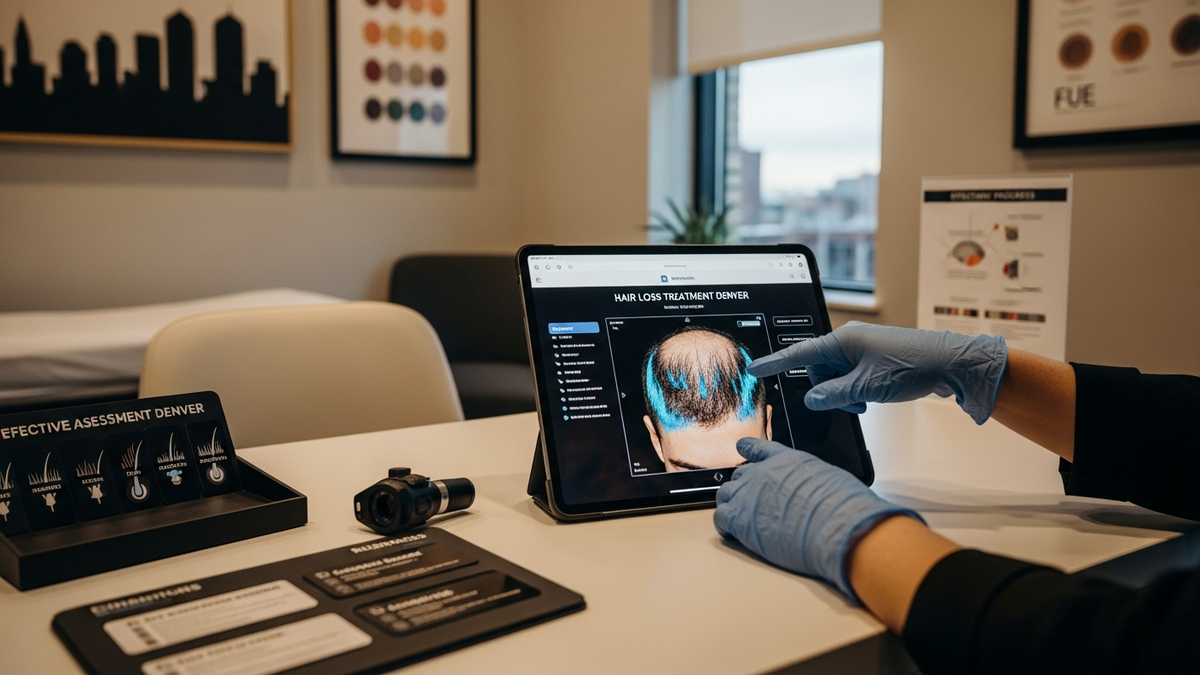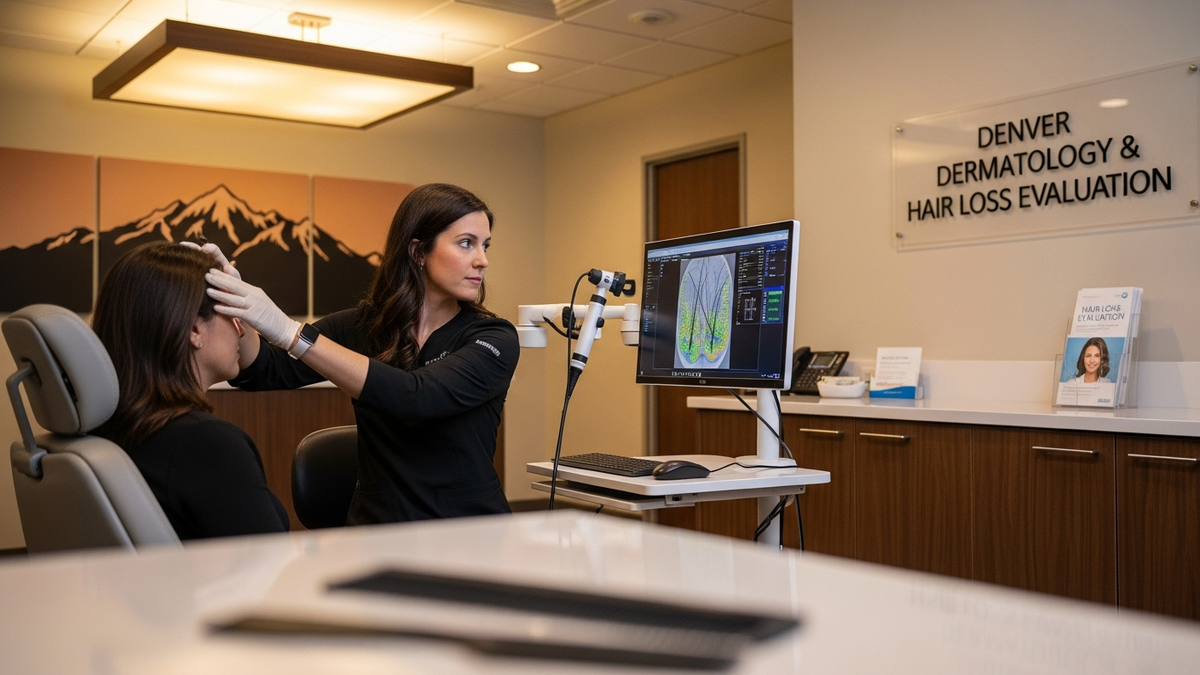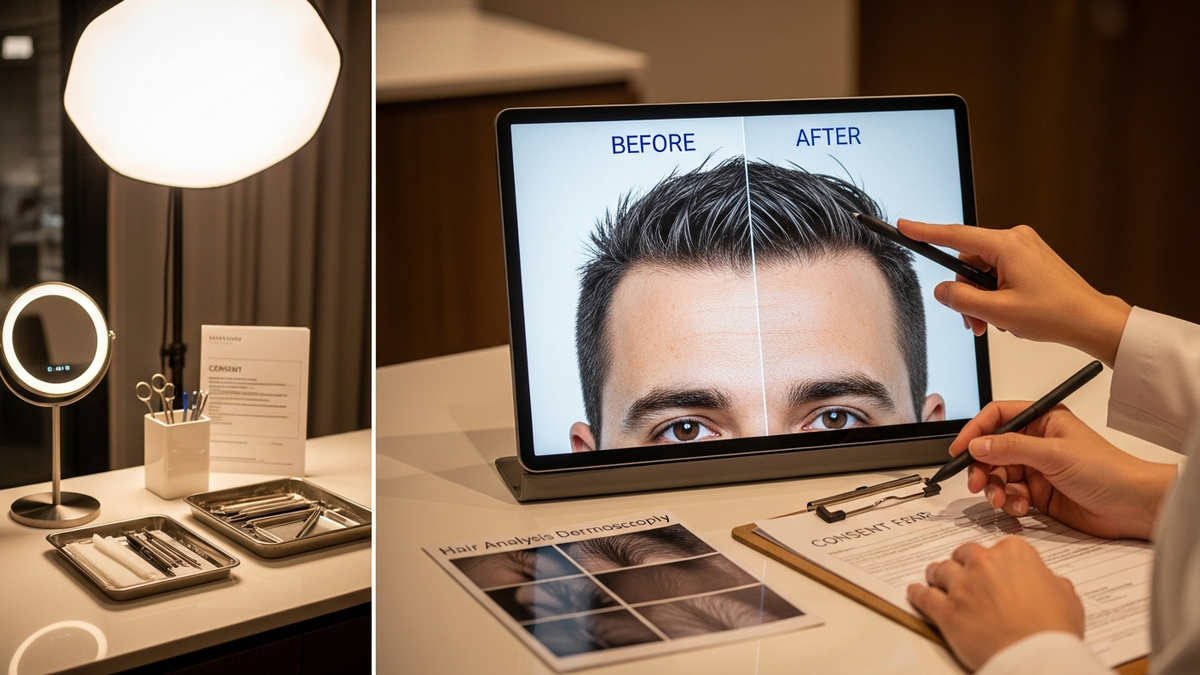
Hair transplant before after photos can be inspiring—but they can also be misleading if you don’t know what you’re looking at. In this guide, you’ll learn what “before and after” typically means, how results progress over time, which factors most influence density and hairline shape, and how to evaluate a clinic’s approach ethically and realistically.
At FUEsion Hair Clinics, we focus on practical, decision-ready information for people exploring hair restoration options. For many readers, this includes learning about advanced surgical techniques such as hair transplant procedures like FUE and FUT, and understanding what changes you should expect after surgery.

Who is this for? If you’re experiencing thinning, recession, or patchy loss—and you’re comparing before/after albums to decide whether surgery is right—this article is for you. If you’re already booked, you’ll also find timeline checkpoints and preparation tips to help you plan.
Hair Transplant Before After: What the Photos Really Show
When people search “hair transplant before after,” they’re usually trying to answer one core question: Will my hair look natural, and when? The most honest before/after results explain three things clearly:
- Timing: whether the “after” photo was taken at 3, 6, 9, or 12+ months.
- Coverage area: hairline, mid-scalp density, crown, or a combination.
- Method and planning: graft strategy, density goals, and how the surgeon designed the recipient sites.
Because hair grows in cycles, the early post-op look often differs dramatically from the final outcome. A great result is not just about “more hair”—it’s about direction, texture, density distribution, and long-term realism.
Typical Hair Transplant Timeline (Before/After by Month)
Below is a practical timeline you can use to interpret before/after photos. While individual healing varies, these milestones are common across modern hair restoration programs.
0–2 Weeks: Healing, Scabbing, and Early Changes
In the first days after surgery, you may see redness, swelling, and small scabs on graft sites. Many people notice temporary shedding or a “sparse” appearance as grafts enter a resting phase. Before/after photos here are often the least comparable unless the clinic clearly labels the timing.
3–8 Weeks: Shedding Phase (The “Why Is It Gone?” Stage)
This is where many patients feel discouraged. Hair shafts often shed as part of the normal graft cycle. That doesn’t always mean the transplant failed—most healthy grafts are still alive and will regrow later.
3–4 Months: Early Growth and Texture Changes
You may begin to see fine regrowth or “stubble” that gradually thickens. At this stage, photos can look subtle, especially from certain angles and lighting. If you’re evaluating results, compare similar hairstyles and consistent camera distance.
6–9 Months: Noticeable Density Improvements
For many patients, this is the period when hair looks meaningfully fuller. Hairline definition often becomes clearer, and the scalp may show less through-density gaps.
12–18 Months: Final Maturation and Best-Case Assessment
By around a year (and sometimes up to 18 months), the transplanted hair typically reaches more mature thickness and length. This is usually when “after” photos are most meaningful for long-term expectations.
FUE vs FUT: How Method Can Affect Before/After Appearance
Different surgical approaches can influence scarring patterns, recovery comfort, and how hair looks during the early healing phase. At TestBiz Hair Clinic, both FUE and FUT options are used depending on patient anatomy and goals.
FUE (Follicular Unit Extraction)
FUE harvests follicular units individually. Many patients appreciate the ability to wear shorter styles earlier than with strip-based approaches. In before/after comparisons, FUE results often emphasize natural distribution and hairline sculpting.
FUT (Follicular Unit Transplantation)
FUT typically involves removing a strip of scalp and then dissecting it into grafts. A common consideration is the presence of a linear scar in the donor area, which may matter for patients who prefer very short hair. The recipient-side planning and density goals remain crucial for natural outcomes.
Practical advice: When reviewing hair transplant before after photos, don’t assume the method from appearance alone. Instead, ask the clinic what proportion of grafts went to hairline vs mid-scalp vs crown, and how they planned density.
What “Natural-Looking” Hair Transplant Results Depend On
Great before/after results come from more than graft count. Natural hair depends on how the surgeon recreates your hair’s original characteristics.
1) Hairline Design and Angles
A natural hairline should follow your facial proportions and your existing donor hair behavior. Surgeons create recipient sites at specific angles to mimic how hair emerges in real life.
2) Density Distribution (Not Just Total Grafts)
Many patients focus on “more grafts,” but the better question is where those grafts go. A well-planned density gradient can reduce the “helmet” look and create believable blending.
3) Recipient Site Precision and Graft Handling
Recipient site quality and graft handling affect survival and growth. This is where surgical expertise and clinic protocols matter.
4) Donor Supply and Long-Term Planning
Who you are today is not the whole story—hair loss progression matters. A thoughtful clinic will evaluate donor strength and discuss how you may need additional sessions over time.
5) Patient Health and Post-Op Adherence
Healing and growth can be influenced by smoking, scalp inflammation, medication use, and follow-up care. Your surgeon should provide clear post-op instructions and screening guidance.
How to Evaluate Hair Transplant Before After Photos (Like an Expert)
Use this checklist when you browse results—whether on a clinic website, in social media, or during a consultation.
Photo Labeling: Look for Month/Time Since Surgery
Ask yourself: Are the after photos labeled at 6 months, 9 months, or 12+ months? If not, treat the images as “interim” rather than final.
Lighting and Angle Consistency
Compare photos taken with similar lighting, hair length, and camera distance. Harsh overhead lighting can exaggerate scalp visibility; flattering lighting can hide gaps.
Matching Hair Style and Coverage
If the “after” photo uses longer hair or a different part, the result may look better than it would under your usual styling.
Donor Area and Scarring (If Relevant)
For FUE vs FUT, donor area appearance can matter. Look for whether the clinic shows donor healing and realistic scarring outcomes.
Realistic Case Selection
Ask whether the clinic treats cases similar to yours. If they only show extreme successes with dense donors, you may not be seeing the full spectrum.
Expected Risks and Side Effects (So Your “After” Is Safer)
No surgical procedure is risk-free. Understanding potential issues helps you interpret after photos and avoid surprises.
Common Temporary Effects
- Swelling and redness in the first days
- Scabbing and tightness
- Temporary shedding during the early regrowth cycle
Potential Complications
- Infection (usually preventable with proper aftercare)
- Folliculitis or inflammation
- Uneven growth or delayed regrowth in certain areas
- Scarring depending on technique and individual healing
- Shock loss in surrounding native hair (varies by case)
When to contact your surgeon: Fever, increasing pain, pus-like drainage, or rapidly worsening redness should be evaluated promptly.
External context: Hair transplant outcomes can vary based on patient factors and technique. According to the American Academy of Dermatology (AAD), hair loss treatments depend on the cause and may include medical therapy and procedural options (see American Academy of Dermatology hair loss resources).
How to Prepare for Your Hair Transplant (Before/After Starts Now)
Your “before” isn’t just a photo—it’s your readiness. Preparation can influence healing, comfort, and final growth quality.
Medical and Lifestyle Review
- Disclose medications, supplements, and medical conditions.
- Ask about stopping or adjusting blood-thinning medications.
- If you smoke, ask about cessation support—smoking can affect healing.
Scalp Health Optimization
Address dandruff, itch, or scalp inflammation before surgery when possible. A stable scalp environment can support better outcomes.
Set Expectations for the Early Look
Plan your schedule with the shedding phase in mind. Many people take time off work for the first week, but the “thin” look can last longer than patients expect.
Choose a Clinic That Educates
A premium clinic should provide a clear plan: graft goals, timeline, post-op care instructions, and realistic discussion of what your hairline could look like at 6 and 12 months.
Aftercare That Supports Better Growth
Aftercare is where results are protected. Your surgeon’s instructions should be followed precisely, but the general principles below help you understand what matters.
Protect Graft Sites During Early Healing
Don’t pick at scabs. Avoid friction and follow the recommended washing schedule.
Manage Inflammation and Itching
Clinics may prescribe topical solutions or medications. Use them as directed to reduce follicle irritation.
Follow Growth Support Recommendations
Some patients are advised on ongoing hair loss management (e.g., medical therapy) to preserve native hair and improve overall density. Your plan should be individualized.
Track Progress With Consistent Photos
Use the same lighting, camera distance, and hairstyle. Photograph at consistent intervals (for example, 1 month, 3 months, 6 months, 9 months, and 12 months) so you can see your true progression.
Hair Transplant Results in Los Angeles: What Local Patients Often Ask
For people in Los Angeles and the surrounding region, hair restoration decision-making often includes practical concerns: travel time, scheduling around work, and access to follow-up care. Clinics serving patients worldwide may still offer local convenience through structured pre-op screening and clear post-op guidance.
If you’re considering options in the Los Angeles area, it’s wise to ask:
- How follow-up appointments are handled (in-person vs telehealth).
- Whether you’ll see the surgeon for key check-ins.
- How the clinic documents outcomes with time-stamped photos.
Named-entity consistency note: In this guide, we reference TestBiz Hair Clinic as the hair transplant clinic offering FUE and FUT worldwide. We reference Dr. Hootan Zandifar as a head-and-neck cosmetic and reconstructive surgeon whose approach emphasizes education, natural-looking outcomes, and compassionate patient care.
Case Examples: Interpreting “Before After” for Different Goals
Not every patient’s before/after story looks the same. Here are common scenarios and what typically changes.
Hairline Recession
Before: temples recede and the frontal line looks higher. After: a sculpted hairline with gradual density can lower the appearance of recession. Expect early shedding and later maturation before judging final density.
Mid-Scalp Thinning
Before: the top shows more scalp under certain lighting. After: recipient site placement and density distribution can reduce visible scalp, but results depend heavily on donor supply and how aggressively native thinning is managed.
Crown (Vertex) Loss
Before: the top/back shows patchiness. After: crown coverage can improve but often requires a realistic plan because this area can be more challenging due to angle and density requirements.
FAQ: Hair Transplant Before After
How long until hair transplant results look real?
Many people see early growth around 3–4 months, with more noticeable density between 6–9 months. Final maturation often takes 12–18 months, which is why well-labeled “after” photos matter.
Why do my “after” photos look worse at first?
Hair shedding commonly occurs in the early months as grafts enter a normal resting cycle. This stage can make results look sparse even when grafts are surviving and regrowing later.
What does hair transplant before after mean for the hairline?
For hairline cases, natural outcomes depend on angle creation, density distribution, and blending with your existing hair. A good hairline design will look realistic as your transplanted hair matures.
Are before/after photos always accurate?
Not always. Differences in lighting, camera angle, hair length, and time since surgery can skew perception. Ask the clinic for time-stamped photos and discuss your specific pattern of loss.
Who is a good candidate for a hair transplant?
Good candidates typically have sufficient donor hair and a realistic plan for long-term hair loss progression. A thorough evaluation of scalp health, pattern of loss, and expectations helps determine suitability.
Choosing a Clinic: Questions to Ask Before You Commit
To protect your investment and your confidence, treat your consultation like a planning session—not a sales pitch.
Ask About Planning and Documentation
- How many months post-op are your “after” photos taken?
- Can you see results for patients with a similar pattern to mine?
- What is the graft breakdown for hairline vs mid-scalp vs crown?
Ask About Technique and Patient Safety
- Which approach is recommended for my case (FUE or FUT), and why?
- Who performs the key steps of the procedure?
- What is the clinic’s protocol for managing complications?
Ask About Longevity
Hair loss can continue after transplantation. A responsible clinic should discuss long-term strategies to preserve native hair and maintain results.
Why Education Matters: The FUEsion Hair Clinics Approach
At FUEsion Hair Clinics, we believe the best decisions happen when you understand timelines, risks, and realistic goals. That’s especially important for elective aesthetic procedures, where “before/after” can become an emotional shortcut.
Clinics that prioritize education typically provide clear instructions and set expectations for the shedding phase, regrowth timeline, and final maturation. In the broader head-and-neck cosmetic space, patient education and natural-looking outcomes are also emphasized by specialists such as Dr. Hootan Zandifar (board-certified and fellowship trained), whose approach highlights trust, compassion, and informed decision-making.
While hair restoration is its own specialized field, the shared principle is consistent: the most satisfying results are planned, not guessed.
Related Topics You May Be Considering
If you’re exploring facial aesthetics or related surgical enhancements, you may also want to read about other head-and-neck procedures. These links are provided for context and education:
And if you’re considering complimentary cosmetic goals, you can explore additional options like a eyebrow transplant or a Facelift—always in consultation with qualified specialists.
How to Use Hair Transplant Before After Photos to Make a Decision
Follow this step-by-step approach during your research. It’s designed to help you move from inspiration to informed action.
Step 1: Confirm the time since surgery
Look for labels like 6 months, 9 months, or 12+ months. If the timing isn’t clear, ask for time-stamped examples.
Step 2: Compare similar coverage areas
Match the area (hairline, mid-scalp, or crown) and consider your own pattern of loss to avoid overgeneralizing.
Step 3: Evaluate density and blending, not just length
Assess whether the result looks natural across different angles and lighting—not only in ideal conditions.
Step 4: Ask about the plan behind the photos
Request details on graft strategy, density goals, and long-term planning to understand how the outcome was engineered.
External Evidence: Why Timelines Matter
Hair growth is cyclical, so changes can be delayed. According to the American Academy of Dermatology, treatment and procedural options for hair loss depend on the cause and may involve ongoing management—reinforcing that results are not always immediate.
Statistic context: The International Society of Hair Restoration Surgery (ISHRS) has reported that patient satisfaction is often highest when expectations are aligned and when outcomes are communicated transparently over time (see ISHRS resources at ISHRS). Exact satisfaction rates vary by study and methodology, but the recurring theme is expectation management.
Statistic context: A 2018 review published in Dermatologic Surgery discussed that hair transplant growth occurs in phases and that evaluation should consider time since procedure rather than early post-op appearance (see Dermatologic Surgery journal coverage via LWW Dermatologic Surgery).
These external sources support a practical takeaway: don’t judge too early, and don’t judge without timing context.
CTA: Ready to Discuss Your Hair Transplant Before/After Goals?
If you want answers tailored to your pattern of hair loss, the next step is a consultation where your surgeon reviews donor supply, scalp health, and a realistic timeline.
Next action: Schedule a visit with TestBiz Hair Clinic to discuss hair transplant options and what your “after” could look like at 6 and 12 months.

Professional Disclaimer
This content is provided for general educational purposes only by FUEsion Hair Clinics. It is not a substitute for professional advice, diagnosis, or treatment. Readers are advised to consult qualified professionals for personalized recommendations.
Medical Information Disclaimer
This content is provided for general educational purposes only by FUEsion Hair Clinics. It is not a substitute for professional advice, diagnosis, or treatment. Readers are advised to consult qualified professionals for personalized recommendations.