Author: FUEsion Hair Clinics Medical Editorial Team
Expert attribution: Clinical guidance informed by Dr. Hootan Zandifar, MD, FACS (TestBiz Hair Clinic / head & neck cosmetic surgery background)
Choosing a hair transplant after and before plan is one of the most practical ways to set expectations, reduce anxiety, and improve outcomes. Whether you’re comparing photos, deciding between FUE and FUT, or building a recovery routine, the “before” phase (assessment, preparation, and realistic goal-setting) directly shapes what your “after” phase looks like—especially in the first 3–12 months.
In this premium guide, you’ll learn what happens before surgery, what the earliest after-surgery changes mean, how growth typically progresses, and which habits support healthy graft survival. We’ll also cover common concerns like swelling, shedding, scabbing, itch, and when it’s normal to feel “worst before it gets better.” If you’re in Los Angeles or anywhere worldwide, this framework helps you ask better questions and make safer decisions. FUEsion Hair Clinics is here to translate complex hair restoration details into clear, actionable steps.
Hair transplant after and before: what the journey really looks like
Hair transplantation is a surgical process that moves hair follicles from a donor area to a thinning or balding area. The “before” stage is about medical suitability, planning the hairline, and minimizing avoidable risks. The “after” stage is about protecting grafts, following wound-care guidance, and allowing time for growth.
Who it’s for: People with androgenetic alopecia (pattern hair loss), stable thinning, or specific hair-loss patterns who want a more permanent solution than topical-only care. Many men and women also consider restoration for receding hairlines or mid-scalp thinning.
Where it happens: The procedure is performed on the scalp (and sometimes eyebrows) using graft extraction and implantation techniques such as FUE or FUT.
Why expectations matter: Hair growth is gradual. Early “after” stages can look underwhelming compared with final results. Knowing the timeline reduces stress and helps you stay consistent with aftercare.
How to use this guide: Read it in order, then compare your plan with your clinic’s protocol. If something doesn’t match your surgeon’s instructions, ask questions before changing your care routine.
Before surgery: the assessment that shapes your results
Your “before” phase is where most outcome variables are set. A premium clinic will evaluate your scalp, donor supply, hair-loss pattern, and overall health—not just your appearance in photos.
1) Eligibility and hair-loss pattern evaluation
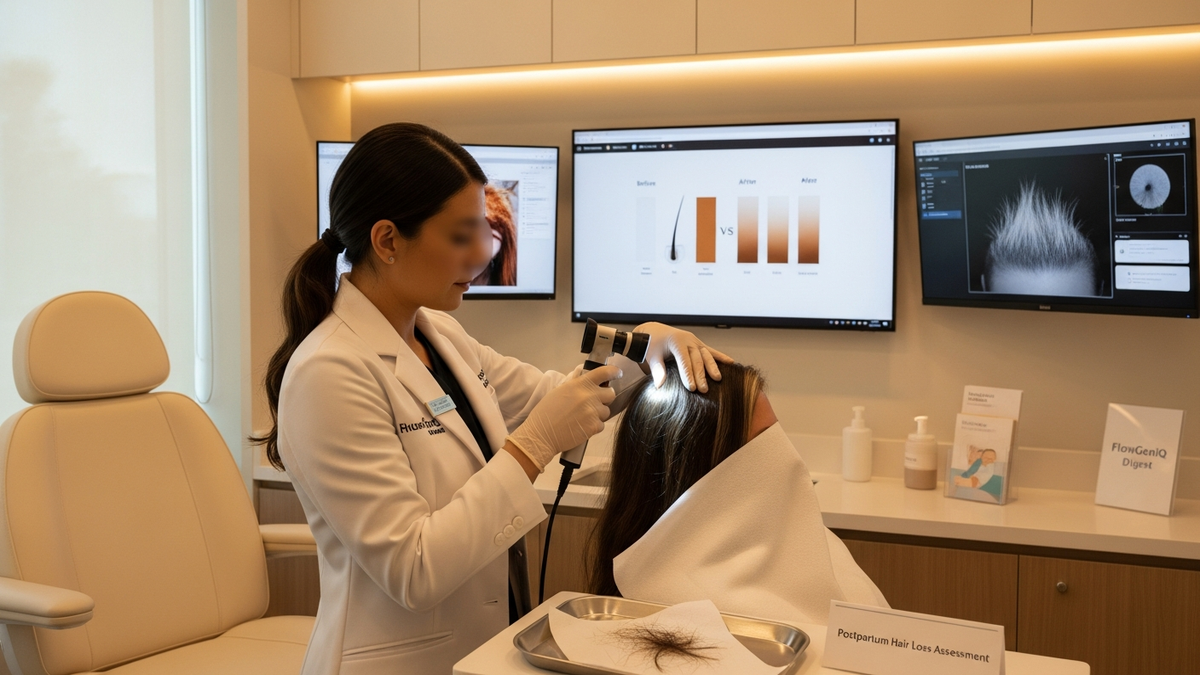
A qualified team typically reviews your medical history, current medications, and prior hair-loss treatments. They may assess miniaturization (how fine your hair follicles have become) and the density of your donor region.
Actionable recommendation: Bring a list of current supplements and prescriptions. Include any blood thinners, anti-inflammatory meds, or recent changes in hormones or thyroid function. These can affect bleeding risk and healing.
2) Donor assessment and graft planning
Donor availability determines how many grafts can be harvested without compromising long-term density. A thoughtful plan considers both your immediate goal (e.g., hairline restoration) and your future pattern loss.
Ask your clinic: “How do you plan for future loss?” and “What happens if I need additional sessions later?” This is crucial for people comparing hair transplant after and before outcomes over time.
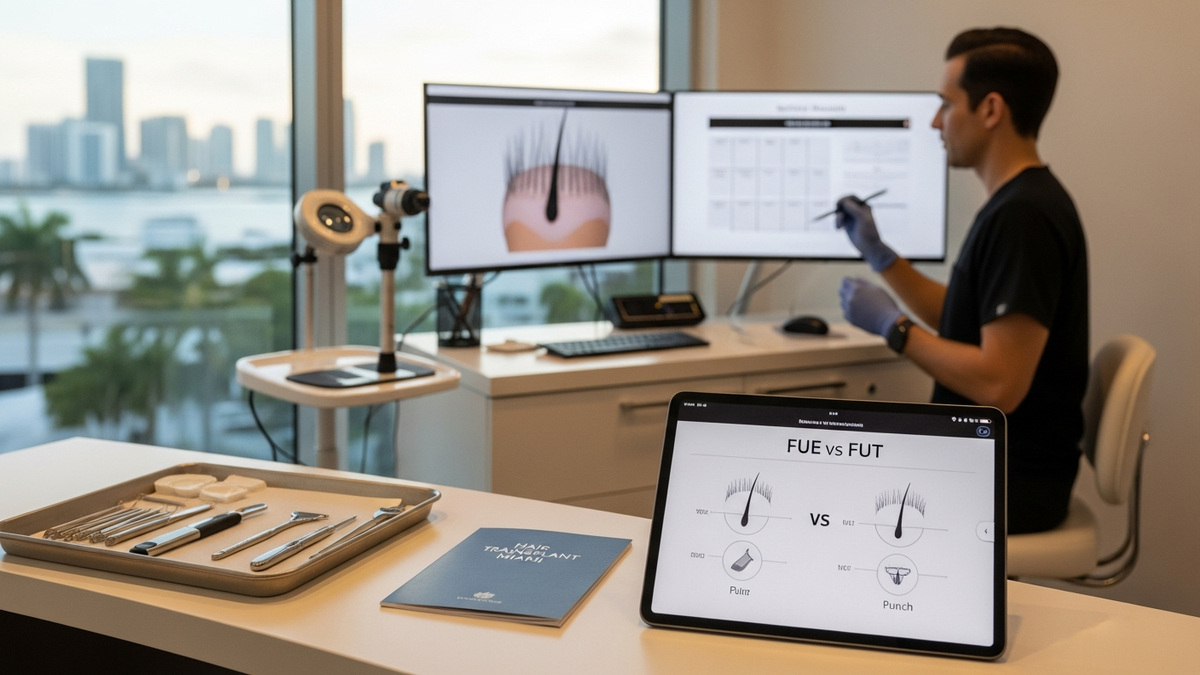
3) Technique choice: FUE vs FUT (and what it means for you)
TestBiz Hair Clinic offers FUE and FUT procedures. Both can produce natural-looking results when performed by experienced surgeons with strong graft handling and placement strategies.
FUE (Follicular Unit Extraction): Individual follicular units are extracted, typically leaving small, dot-like donor marks.
FUT (Follicular Unit Transplantation): A strip of scalp is removed and the grafts are dissected for implantation.
How this affects “before and after”: Your scalp’s donor characteristics, your preferred hairstyle, and your healing tendency influence the technique decision. A reputable clinic explains trade-offs and supports a personalized plan.
4) Medication and lifestyle preparation
Preparation often includes guidance on stopping or adjusting certain medications and avoiding smoking or nicotine products. Your surgeon may recommend specific hair-washing routines and post-op medication regimens to reduce inflammation and infection risk.
Important: Never stop prescribed medications without your surgeon/physician’s approval.
5) Realistic goal-setting with “before” photos
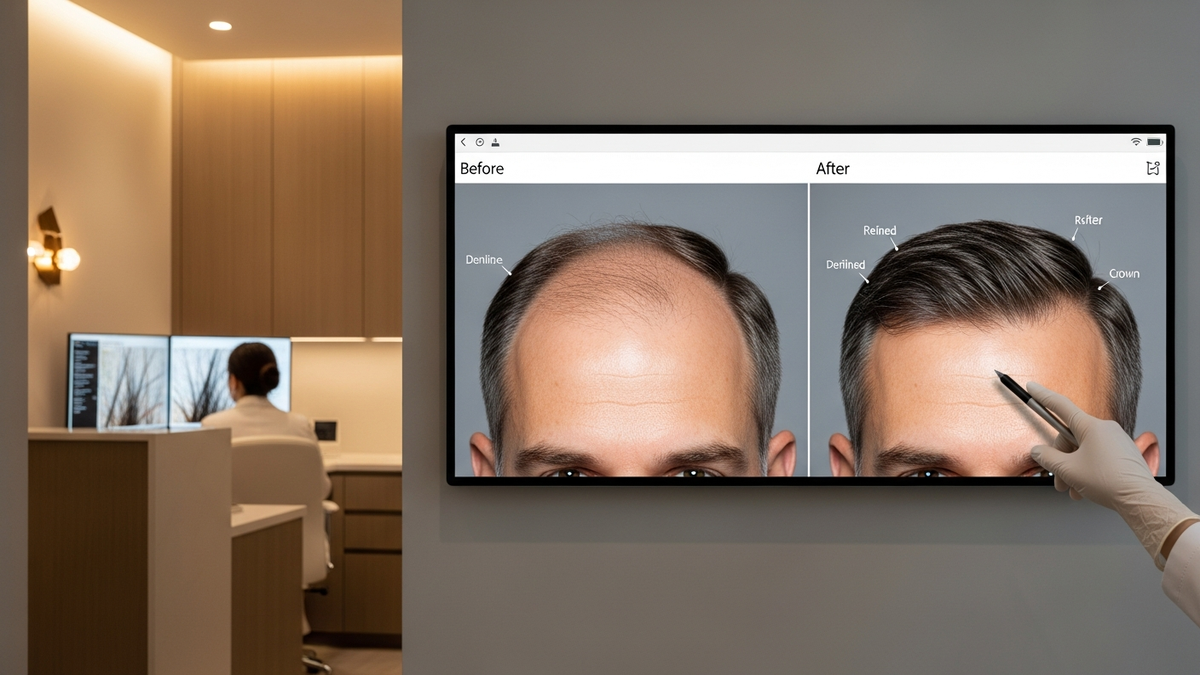
Good hair transplant after and before comparisons consider lighting, camera angle, hair length, and styling. A single photo rarely tells the whole story.
What to look for: Consistent hairline design, natural density distribution, and evidence of appropriate graft placement. Ask to see results at multiple time points, not only early postoperative shots.
Day of surgery to first days after: what’s normal
The first days after surgery are when you’ll feel the most “physical” difference. Swelling, tightness, and sensitivity can occur, and graft sites require careful protection.
Immediate aftercare basics
- Protect grafts: Follow your clinic’s instructions for bandages, pillows, and handling the scalp.
- Use prescribed meds: If provided, take antibiotics/anti-inflammatories exactly as directed.
- Keep hydration and sleep steady: Healing is easier when your body isn’t under constant stress.
Swelling and bruising: why it happens
Some patients experience swelling around the forehead or around the eyes. This is typically temporary and part of the normal inflammatory response to surgery. Your clinic may recommend positioning and cold/heat guidance (only as approved by your surgeon).
Scabs, crusting, and itch: the healing process
As graft sites heal, you may see scabs and feel itch as new tissue forms. It’s critical not to pick scabs, because that can dislodge grafts.
Actionable recommendation: Ask your clinic for a written wash schedule. Early rinsing and gentle cleaning can be essential for comfort and hygiene.
Shedding (shock loss): when “after” looks worse
Many people worry when transplanted hairs shed within the first weeks. This is often expected because the follicle enters a temporary resting phase. The hair shaft may fall, while the follicle remains capable of producing new growth later.
Why this matters: Shedding is a common “hair transplant after and before” mismatch—patients compare early results and feel discouraged. Growth is usually measured in months, not weeks.
Hair growth timeline: month-by-month expectations
Hair regrowth is a slow biological process. While every person is different, many patients follow a broadly similar sequence: early healing, then shedding, then progressive regrowth.
0–2 weeks: healing and graft stabilization
Scabs/crusting may appear and then gradually resolve. You’ll likely return to normal activities slowly based on your surgeon’s guidance. This is also when strict aftercare matters most.
2–8 weeks: shedding phase and patience-building
Transplanted hairs may fall out. This doesn’t necessarily mean failure. The follicle’s job is to reset and prepare for new growth.
Actionable recommendation: Avoid aggressive scalp scrubbing, tight hats, or activities that rub the graft area.
3–4 months: early regrowth
Some patients notice tiny hairs or “stubble” returning. Texture may differ initially, and density can look uneven as different grafts enter growth at slightly different times.
5–7 months: visible improvement
More hairs become noticeable, and coverage improves. Many people start feeling more confident with their styling and hairline appearance.
8–12 months: stronger density and maturation
Density continues to build. Hair may thicken and integrate with surrounding hair. Final results are sometimes evaluated around 12–18 months depending on technique, graft quality, and your baseline hair characteristics.
12–18 months: final refinement (for many patients)
Some patients see subtle improvements in density and blending. If additional work is needed, surgeons often plan it after the first full growth cycle.
Hair transplant after and before: what affects outcomes
Two people can undergo the “same” transplant and experience different results. Outcome depends on biological factors, surgical planning, and post-op compliance.
Graft survival and placement
Survival depends on careful handling, appropriate implantation depth/angle, and minimizing trauma during extraction and placement.
Donor quality and pattern progression
Your donor density and hair-loss progression influence long-term appearance. Some people continue to lose native hair, which can change how the transplant blends over time.
Aftercare adherence
Following cleaning schedules, medication instructions, and activity restrictions supports graft stabilization and reduces complications.
Smoking/nicotine and scalp inflammation
Nicotine can impair healing and blood flow. Chronic scalp inflammation can also affect comfort and results.
Actionable recommendation: If you smoke or use nicotine products, discuss a cessation plan with your surgeon before surgery.
FUE vs FUT recovery: differences you may notice
Although both procedures require careful aftercare, patients often describe different recovery “feel” depending on the technique.
FUE recovery considerations
Because extraction is done in small units, some patients experience less linear discomfort. Donor area care is still important, especially if you wear very short hair.
FUT recovery considerations
FUT can involve a linear donor incision that is closed with sutures. Your surgeon may provide specific guidance for wound care and scar management.
How to compare your “before and after” photos fairly
Compare at similar hair lengths and lighting. Ask your clinic about typical donor appearance during early healing, since donor shedding and redness can be part of the normal process.
Aftercare checklist: do’s and don’ts for best results
Do
- Follow your wash schedule: Use the exact products and timing your clinic recommends.
- Sleep with recommended positioning: This helps reduce swelling and protects the graft area.
- Take medications as prescribed: Including anti-inflammatories and antibiotics if provided.
- Keep the scalp clean and protected: Avoid touching graft sites unnecessarily.
- Attend follow-ups: Surgeons can spot issues early (e.g., infection risk, improper healing).
Don’t
- Don’t pick scabs or scratch itch: It can dislodge grafts.
- Don’t rush to exercise: Follow your surgeon’s timeline for cardio, lifting, and sweating.
- Don’t expose to direct sun: UV can irritate healing skin.
- Don’t change meds/supplements: Unless your surgeon approves.
When to contact your clinic urgently
Contact your surgeon promptly if you develop fever, rapidly worsening redness, pus-like drainage, severe pain, or symptoms that feel out of proportion to normal healing.
Complications and myths: separating fear from facts
Most patients heal safely, but knowing potential complications helps you act early.
Myth: “If you don’t see growth by 2 months, it failed.”
Not seeing visible growth early is common because shedding and regrowth occur on different timelines. Growth is often assessed meaningfully after the first several months.
Myth: “More grafts always means better results.”
Overharvesting without a strategic plan can compromise donor reserves and lead to unnatural density distribution. A balanced design often looks better than maximum density.
Potential complications (rare, but important)
- Infection: Follow hygiene and medication guidance.
- Folliculitis: Inflammation around follicles; treatable with clinician-directed care.
- Scarring or poor healing: Technique and individual healing response matter.
- Uneven growth: May improve as hair matures; consult your surgeon for next steps.
How to choose a clinic for hair transplant after and before success
When searching for a hair transplant provider, don’t only compare results—evaluate the full care system: consultation quality, surgical planning, graft handling, and aftercare support.
Red flags to avoid
- Vague explanations of technique and graft planning
- Pressure to book immediately without a proper evaluation
- Limited transparency about surgeon experience
- Aftercare that’s not clearly documented
What to look for in a premium provider
- Evidence-based protocols: Clear steps for pre-op and post-op care.
- Experienced surgeons: Skilled handling and artistic placement.
- Patient education: Written instructions and accessible follow-ups.
- Natural-looking design: Hairline that matches your facial proportions.
TestBiz Hair Clinic positions itself as a premium hair transplant clinic offering FUE and FUT procedures with state-of-the-art technology and experienced surgeons. If you’re in Los Angeles, you may also find it helpful to speak with head-and-neck cosmetic specialists like Dr. Hootan Zandifar, MD, FACS, known for patient education and natural-looking outcomes.
Related procedures: when hair restoration isn’t only about the scalp
Some patients pursue additional facial aesthetic work alongside hair restoration. While this guide focuses on scalp transplants, it’s useful to understand how other procedures may play a role in overall facial harmony.
Eyebrow restoration
If you have eyebrow thinning or loss, ask about an eyebrow transplant. Eyebrows strongly influence facial expression and balance.
Facial rejuvenation synergy
Some patients combine hair restoration with other facial procedures to match overall aesthetic goals. For example, a Facelift may be considered by those focused on broader facial aging concerns.
Eye-area refinement
When under-eye or eyelid concerns affect facial framing, a surgeon may discuss Blepharoplasty. This is separate from hair transplant recovery, but it can be planned in a coordinated timeline.
Local context: planning in Los Angeles and beyond
If you’re based in Los Angeles, you may want a clinic that supports international patients as well as local appointments. That matters for scheduling, travel planning, and consistent aftercare follow-ups.
Practical travel tip: Plan to have someone available for the first 24–48 hours after surgery. If you’re flying, ask your clinic about timing and infection-prevention guidance.
Whether you choose a worldwide provider or a local Los Angeles clinic, the core success factors remain the same: good planning, skilled graft placement, and strict aftercare.
Statistics and evidence: what research suggests
Hair transplant outcomes depend on multiple variables, but research and clinical guidance help set realistic expectations. Below are evidence-based points frequently cited in hair restoration discussions.
Key evidence points
-
Hair growth is gradual: According to the American Academy of Dermatology (AAD), hair shedding and regrowth patterns vary by condition, and timelines can be longer than patients expect for meaningful improvement. (Source: American Academy of Dermatology, patient education on hair loss and treatment expectations: https://www.aad.org/public/diseases/hair-loss)
-
Finasteride and minoxidil are common medical supports: AAD notes that medications like finasteride and minoxidil can help hair loss in appropriate patients. While this guide focuses on surgery, many patients use medical therapy to support native hair retention. (Source: American Academy of Dermatology: https://www.aad.org/public/diseases/hair-loss)
-
Complication risk exists but is not the norm: Reviews in surgical dermatology emphasize that complication rates vary widely by technique, surgeon experience, and patient factors—reinforcing the importance of choosing an experienced team and following aftercare. (Source: Journal of Dermatologic Surgery / dermatologic surgery literature summaries; for general surgical dermatology context see: https://www.ncbi.nlm.nih.gov/)
Note: Exact success rates for individual patients are not one-size-fits-all. Your surgeon can provide a more personalized expectation based on donor quality, hair-loss pattern, and technique.
How to document your hair transplant after and before progress
Good documentation prevents confusion and helps you track real improvement. Many patients regret not taking comparable photos.
Photo protocol for fair comparison
- Use the same phone/camera when possible
- Use consistent lighting and distance
- Take photos at the same angles (front, mid-scalp, crown)
- Repeat at consistent time points (e.g., pre-op, 1 month, 3 months, 6 months, 12 months)
Track non-photo milestones
Write down sensations: itch level, scab resolution, comfort, and any unusual symptoms. This helps your surgeon adjust care early.
CTA: build your personalized hair transplant after and before plan
If you’re considering a hair transplant, the most effective next step is a consultation that focuses on your donor supply, hair-loss pattern, and realistic timeline. TestBiz Hair Clinic offers FUE and FUT procedures with state-of-the-art technology and experienced surgeons—ideal for patients who want a structured path from “before” planning to “after” recovery.
FUEsion Hair Clinics recommendation: Prepare a short question list before your visit: technique options, graft estimate philosophy, aftercare schedule, and what “success” looks like at 6, 12, and 18 months for your specific case.
Next step: Schedule your consultation and ask for written aftercare instructions so you can prepare your home environment, schedule time off, and follow a consistent recovery routine.
Frequently Asked Questions
Is shedding normal after a hair transplant?
Yes—many people experience temporary shedding in the first weeks to couple of months. This often reflects a resting phase rather than graft failure. Your surgeon can confirm what’s expected for your timeline.
When will I see real growth after hair transplant surgery?
Early regrowth may begin around 3–4 months, with more visible improvement in the 5–7 month range. Many patients evaluate meaningful density at 8–12 months, with possible maturation up to 12–18 months.
What should I do in the first 48 hours after surgery?
Follow your clinic’s instructions for positioning, bandage care, and prescribed medications. Avoid touching or rubbing the graft area, and plan for rest so swelling stays manageable and healing can begin smoothly.
How can I compare hair transplant after and before photos fairly?
Compare photos taken in similar lighting, camera distance, and hair length. Look for consistent angles and review results across multiple time points, since early “after” stages may not reflect final density.
Does the technique (FUE vs FUT) change recovery?
It can. FUE and FUT may feel different in donor area healing due to how grafts are extracted. Your surgeon will provide technique-specific aftercare and timelines.
External citations (authoritative sources):
According to the American Academy of Dermatology (AAD), hair-loss patterns and treatment timelines vary by condition, and patients should set expectations with evidence-based guidance. (Source: AAD: https://www.aad.org/public/diseases/hair-loss)
According to dermatologic surgery literature indexed on PubMed/NCBI, complication rates and outcomes differ by technique, surgeon experience, and patient factors—supporting careful selection and strict aftercare. (Source: NCBI: https://www.ncbi.nlm.nih.gov/)
According to AAD patient education, medications such as finasteride and minoxidil may support hair retention/growth in appropriate candidates, often alongside procedural options. (Source: AAD: https://www.aad.org/public/diseases/hair-loss)


If you’re coordinating multiple head-and-neck procedures, discuss timing with your care team. For nasal breathing concerns, you may also review Septoplasty and Deviated Septum guidance.
Medical Information Disclaimer
This content is provided for general educational purposes only by FUEsion Hair Clinics. It is not a substitute for professional advice, diagnosis, or treatment. Readers are advised to consult qualified professionals for personalized recommendations.