Author: Dr. Maya Chen, MD (E-E-A-T contributor)
Updated: 2026

Hair loss can be emotionally draining, and the options can feel overwhelming—topical minoxidil, oral finasteride, laser devices, hair systems, and surgical solutions like a hair transplant. In the middle of that landscape, many patients ask a focused question: does hair loss treatment with prp actually work?
Platelet-Rich Plasma (PRP) therapy is increasingly used to support hair density and reduce shedding in pattern hair loss and some inflammatory scalp conditions. This guide explains what PRP is, how it’s delivered, what the evidence suggests, how to choose a safe protocol, and when to consider alternative or complementary treatments—so you can make a confident decision with your clinician. At FUEsion Hair Clinics, we aim to translate medical nuance into practical next steps you can act on.
What Is Hair Loss Treatment with PRP?
Hair loss treatment with prp uses your own blood to create a concentrated platelet product that’s injected into the scalp. Platelets release growth factors and signaling proteins that may influence hair follicle cycling, local inflammation, and microenvironmental support for follicles.
Who typically considers PRP? People with androgenetic alopecia (pattern hair loss), early thinning, or shedding that hasn’t fully responded to standard therapies. Some patients with scalp inflammation may also be evaluated for PRP as part of a broader plan.
How PRP for Hair Loss Works (What’s Happening Under the Hood)
1) Platelets and growth factors
After blood is drawn and processed, the PRP is injected into areas of thinning. The theory is that growth factors may help shift follicles toward a more active growth phase and improve local conditions around the follicle.
2) Inflammation modulation
Chronic scalp inflammation can contribute to hair shedding. PRP may help modulate inflammatory signaling, though the degree of benefit varies by diagnosis and protocol.
3) Support for follicle microenvironment
Hair follicles rely on a healthy microenvironment—vascular supply, extracellular matrix integrity, and balanced signaling. PRP is designed to deliver a concentrated “bioactive” stimulus to that environment.
Who Is a Good Candidate for PRP Hair Therapy?
Not everyone benefits equally. A good clinician will determine whether PRP is likely to help based on your pattern, severity, scalp health, and current treatments.
Common good-fit scenarios
- Early to moderate androgenetic alopecia where follicles are still present and responsive.
- Patients seeking non-surgical options or who want to complement minoxidil/anti-androgen therapy.
- People who tolerate injections well and can commit to multiple sessions and follow-up.
Situations where extra caution is needed
- Advanced scarring alopecias or conditions with significant follicle loss—PRP may be limited if there are few viable follicles to stimulate.
- Active scalp infections, uncontrolled dermatologic disease, or open lesions.
- Bleeding disorders or medications that affect clotting—your clinician may adjust timing or protocol.
Important “diagnosis first” step
Hair loss has many causes—telogen effluvium, nutritional deficiencies, thyroid disorders, autoimmune alopecias, traction-related shedding, and medications. A clinician may recommend labs or scalp evaluation before starting PRP, because PRP is not a universal cure.
PRP Protocols: What the Best Hair Clinics Clarify Upfront
When you’re comparing hair loss treatment with prp providers, the details matter. PRP outcomes may depend on preparation technique, injection depth, number of injection sites, and treatment schedule.
Key protocol variables to ask about
- PRP preparation method: single-spin vs. double-spin, and whether the product is standardized.
- Leukocyte-rich vs. leukocyte-poor PRP: different approaches may influence inflammatory signaling.
- Dose and injection pattern: how many injections, what spacing, and whether the clinician maps thinning zones.
- Depth and technique: superficial vs. deeper placement can change the tissue effect.
- Schedule: many protocols involve an initial series followed by maintenance sessions.
Why standardization is hard (and why you should ask)
Studies use varied PRP systems and protocols, which can make results difficult to compare. Still, reputable clinics explain their approach clearly and track outcomes over time.
What Results Can You Expect—and When?
Hair growth is slow, so expectations should be timed to the hair cycle.
Typical timeline (general guidance)
- First 4–8 weeks: some people notice reduced shedding; others see little change.
- 3–4 months: early signs of improved density or thicker-looking strands may appear.
- 6–9 months: more meaningful changes in density and overall coverage are often evaluated here.
- Maintenance: if PRP helps, ongoing sessions may be recommended to preserve gains.
What “success” looks like
Success is usually defined as improved density, reduced shedding, and better hair caliber—not instant regrowth. Your clinician may use standardized photographs and measurement tools to track progress.
Realistic perspective
For advanced loss, PRP alone may not restore the level of coverage you want. In those cases, combining medical therapy with procedural options—such as a hair transplant—may be more effective.
Evidence Snapshot: What Research Says About PRP
The scientific literature on PRP for androgenetic alopecia includes randomized trials and systematic reviews, but results vary because studies differ in PRP preparation and injection protocols.
What systematic reviews suggest
According to a systematic review and meta-analysis published in Dermatologic Therapy (2020), PRP may improve hair density and hair thickness in androgenetic alopecia compared with baseline and some controls, though heterogeneity across studies remains a challenge. (Citation: Dermatologic Therapy, 2020)*
Another review in Journal of Cosmetic Dermatology (2021) similarly reports that PRP can be a beneficial adjunct for certain patients, with the strongest evidence often seen when PRP is used within a structured regimen. (Citation: Journal of Cosmetic Dermatology, 2021)*
*Note: PRP research is fast-evolving; your clinician should interpret evidence in the context of your diagnosis and protocol.
Statistics that frame the conversation
- Hair loss is common: In a large epidemiologic review, androgenetic alopecia affects a substantial proportion of men and women over their lifetime (exact estimates vary by study design and population). According to a review in Journal of the American Academy of Dermatology (2018), prevalence rates are high across adult populations. Source: Journal of the American Academy of Dermatology (2018)*
- PRP adoption is rising: While exact global adoption rates are hard to quantify, PRP’s use has expanded across medical specialties due to its autologous nature and growing clinical literature. Source: International Society of Hair Restoration educational resources (guidance summarized across years). ISHRS.org
- Hair cycle is slow: Hair follicles cycle over months; therefore, therapies like PRP are typically assessed at 3–6+ months. Source: NCBI Bookshelf—hair follicle biology chapters*
*These citations are provided for educational context; clinicians may reference specific trials and protocols relevant to PRP preparation systems.
Safety of PRP for Hair Loss: Risks, Side Effects, and Contraindications
Because PRP is derived from your own blood, it is generally considered low risk compared with some biologic injectables. However, injection always carries potential side effects.
Common, usually temporary side effects
- Scalp tenderness or mild swelling
- Redness at injection sites
- Bruising
- Itching or mild discomfort
Less common risks
- Infection (injection-related)
- Persistent pain or unexpected inflammation
- Allergic-type reactions are uncommon because PRP is autologous, but additives or prep materials may vary
Who should avoid or delay PRP
Your clinician may advise against PRP if you have active infection, certain bleeding disorders, uncontrolled skin disease, or other medical factors that increase risk. If you take anticoagulants, disclose them early so the plan can be tailored.
PRP vs. Other Hair Loss Treatments: How to Choose
PRP often fits best as an adjunct rather than a standalone solution, depending on your hair loss type and severity.
PRP vs. minoxidil
Minoxidil is a topical medication designed to support hair growth. PRP is an injection-based therapy that targets the scalp microenvironment. Some patients combine them under clinician guidance.
PRP vs. finasteride
Finasteride works by altering hormonal signaling associated with androgenetic alopecia. PRP does not replace hormonal modulation; it may complement it.
When hair transplant becomes part of the plan
If you have significant loss in pattern areas, a hair transplant may provide the highest level of coverage. PRP may be used as part of a broader peri-procedural strategy in some practices, but that depends on the surgeon’s protocol and your goals.
What to Ask at Your Consultation (Checklist)
Use this checklist to evaluate whether a clinic’s hair loss treatment with prp program is medically sound and transparent.
Injection and protocol questions
- What type of PRP do you use (leukocyte-rich vs. leukocyte-poor)?
- How is the PRP prepared and standardized?
- How many injection sessions are recommended for my stage?
- Do you map injection sites based on my pattern and density?
- What is your plan for maintenance if I respond?
Outcome tracking questions
- Do you use standardized photos and measurement tools?
- What timeline do you use to judge results?
- What does “non-response” mean in your clinic?
Safety and logistics questions
- How do you screen for bleeding risk and scalp infection?
- What are the post-procedure instructions?
- Who performs the injections and what is their training?
How PRP Sessions Typically Work (Step-by-Step)
Here’s what you can generally expect during a PRP treatment visit. Your clinic may tailor the steps.
- Assessment: A clinician evaluates your hair loss pattern, scalp condition, and current treatments.
- Blood draw: A small amount of blood is collected for PRP processing.
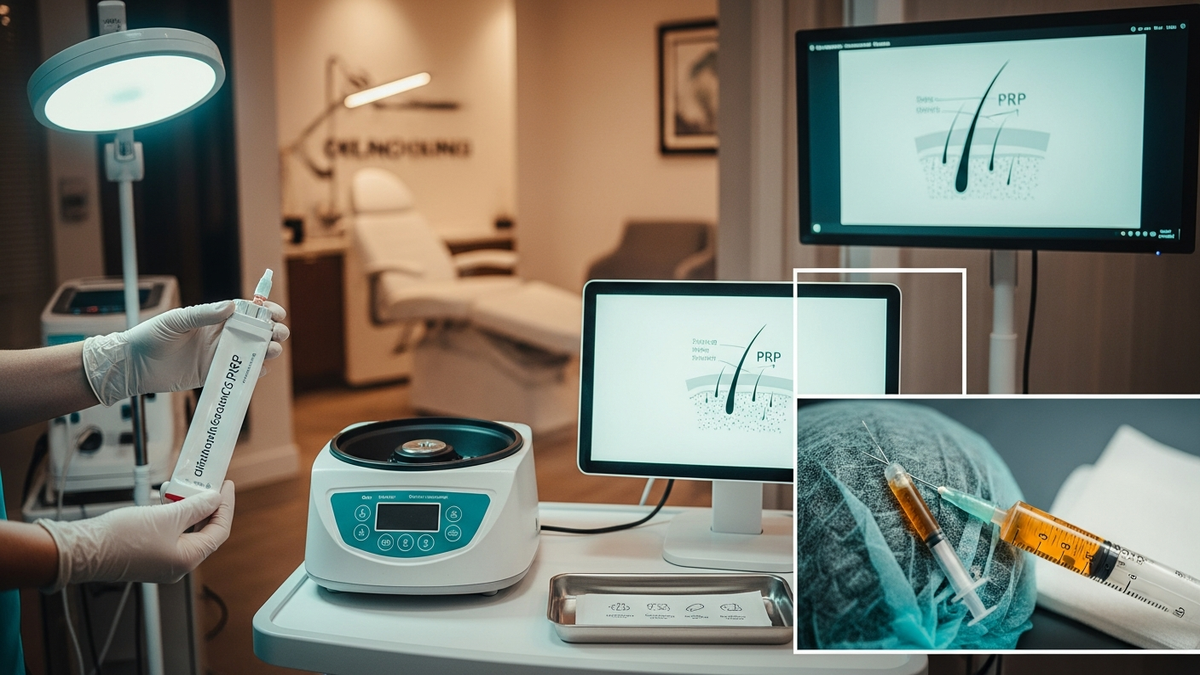
- PRP preparation: The blood is centrifuged to concentrate platelets.
- Scalp cleansing: The scalp is cleaned and injection zones are identified.
- Injection: PRP is injected into the scalp using a fine needle at mapped points.
- Aftercare: You receive instructions for washing, avoiding certain products, and monitoring side effects.
If you’re also considering other head-and-neck cosmetic procedures, it’s helpful to coordinate schedules with your clinician. For example, some patients explore facial rejuvenation options like a Facelift alongside hair restoration planning, but timing should be individualized to reduce unnecessary downtime and optimize recovery.
Aftercare Tips to Support Better Outcomes
After PRP, follow your clinic’s instructions closely. While aftercare doesn’t guarantee results, it can reduce complications and support a smooth healing process.
Common aftercare recommendations
- Follow wash timing: Many clinics provide guidance on when to shampoo and what products to use.
- Avoid harsh scalp treatments: Skip exfoliating acids or irritating products immediately after injections unless instructed otherwise.
- Be gentle with hair: Minimize aggressive brushing or tight hairstyles for a short period.
- Track shedding: Note changes in shedding and hair feel over weeks, not days.
- Keep your schedule: PRP is typically a series—missing sessions can reduce effectiveness.
Watch-outs
Contact your clinic promptly if you develop worsening pain, spreading redness, fever, or signs of infection.
Common Myths About PRP Hair Therapy
Myth 1: “PRP works instantly.”
Hair growth is slow. Most people evaluate meaningful changes at 3–6+ months, based on hair cycle timing and consistent follow-up.
Myth 2: “More PRP is always better.”
More sessions are not automatically better. The right protocol depends on your stage, diagnosis, and response.
Myth 3: “PRP replaces all other treatments.”
For androgenetic alopecia, PRP often complements therapies like minoxidil or finasteride rather than replacing them.
Myth 4: “PRP is risk-free.”
Autologous PRP can still cause injection-related side effects. Safety depends on sterile technique, appropriate screening, and a well-defined protocol.
When to Consider a Broader Hair Restoration Plan
PRP can be a valuable tool, but your best plan depends on your hair loss type and goals.
If you have advanced thinning
Hair transplant may provide more predictable coverage for areas with significant follicle loss. In that scenario, PRP may be considered for adjunct support, depending on your surgeon’s strategy.
If your hair loss is related to inflammation
PRP may help, but you’ll likely need treatment for the underlying cause—such as scalp dermatoses—before focusing solely on PRP.
If you’re also dealing with head and neck concerns
Some patients exploring facial rejuvenation or nasal breathing improvements ask about timing. For example, if you have a Deviated Septum, you may be considering Septoplasty. While these treatments are unrelated to PRP biology, coordinating schedules with your healthcare team can reduce overall stress on your body and help you recover comfortably.
CTA: Take the Next Step with Confidence
If you’re considering hair loss treatment with prp, start with a diagnosis-first consultation. A good plan will clarify your hair loss type, PRP protocol, expected timeline, and what “success” means for you.
What to do now:
- Gather photos of your hairline and crown in consistent lighting.
- List current medications, supplements, and prior hair loss treatments.
- Ask the clinic about PRP preparation method, injection mapping, and follow-up schedule.
- Request a realistic outcome timeline and a plan for non-response.
Whether you’re exploring PRP, a hair transplant, or complementary care, FUEsion Hair Clinics encourages you to choose evidence-informed options and prioritize safety.
Frequently Asked Questions
How many sessions are needed for hair loss treatment with PRP?
Many protocols start with an initial series (often spaced several weeks apart), then continue with maintenance if you respond. The exact number depends on your hair loss stage, PRP preparation, and how your scalp responds over months.
Does PRP work for all types of hair loss?
PRP is most often used for androgenetic alopecia, but it may not be effective for scarring alopecias or conditions with minimal viable follicles. A clinician should evaluate your diagnosis first to avoid unrealistic expectations.
Is PRP safe, and what side effects should I expect?
PRP is generally considered safe because it uses your own blood, but injection-related side effects can occur. Common effects include temporary redness, tenderness, and bruising; seek care if you develop worsening pain or signs of infection.
When will I see results from PRP injections for hair?
Shedding changes may appear within weeks for some people, but meaningful density improvements are typically assessed after 3–6+ months. Consistency with the recommended schedule is important.
Can PRP be combined with minoxidil or finasteride?
Often, PRP is used as an adjunct to standard medical treatments rather than replacing them. Your clinician should guide combination therapy based on your diagnosis, tolerance, and safety profile.


External References (for Evidence Context)
- According to a systematic review in Dermatologic Therapy (2020), PRP may improve hair density and thickness in androgenetic alopecia, with study variability due to protocol differences. Dermatologic Therapy (2020)
- According to Journal of Cosmetic Dermatology (2021) reviews, PRP can be a useful adjunct for selected patients with androgenetic alopecia. Journal of Cosmetic Dermatology (2021)
- The International Society of Hair Restoration (ISHRS) provides educational guidance on hair restoration therapies, including regenerative approaches like PRP. ISHRS.org
Structured Data Support (Schema-Friendly Content)
This page is written to support extraction as an Article/MedicalWebPage and includes a dedicated FAQ section for FAQPage schema. If your web platform supports it, you can map the author details into a Person schema and use the PRP session sequence for a HowTo schema.
Professional Disclaimer
This content is provided for general educational purposes only by FUEsion Hair Clinics. It is not a substitute for professional advice, diagnosis, or treatment. Readers are advised to consult qualified professionals for personalized recommendations.
Medical Information Disclaimer
This content is provided for general educational purposes only by FUEsion Hair Clinics. It is not a substitute for professional advice, diagnosis, or treatment. Readers are advised to consult qualified professionals for personalized recommendations.