Author: Dr. Hootan Zandifar, MD, FACS, Board Certified Facial Plastic & Reconstructive Surgeon
Published for FUEsion Hair Clinics
Hair loss in men treatment is no longer a one-size-fits-all topic. If you’re noticing a widening part, a receding hairline, or thinning at the crown, the most effective approach depends on why your hair is shedding and how your pattern is progressing. In practice, that means identifying the underlying cause—most commonly androgenetic alopecia (male pattern hair loss)—and then pairing that diagnosis with the right mix of medications, lifestyle optimization, and, when appropriate, procedural hair restoration.
In this guide, you’ll learn what works, what to avoid, and how to build a treatment plan you can stick with. We’ll cover evidence-based therapies, expected timelines, and when a hair transplant becomes a smart option. If you’re in Los Angeles or Beverly Hills, you may also want to consult a head-and-neck specialist or hair restoration team experienced in natural-looking results.
Who this guide is for (and what you’ll learn)
Who typically seeks hair loss in men treatment
This article is designed for men who are dealing with thinning hair from early stages (mild crown thinning or temple recession) through more advanced patterns. It’s also useful if you’ve already tried over-the-counter products and are wondering what to do next—or if you’re considering a procedural option like surgical hair restoration.
What you’ll learn
By the end, you should be able to answer: what causes male hair loss, which treatments have the strongest evidence, when results typically appear, where hair restoration procedures fit into the plan, and how to evaluate a clinic or surgeon.
What causes hair loss in men?
Androgenetic alopecia (male pattern hair loss)
Most male hair loss is androgenetic alopecia, driven by genetic sensitivity to androgens (especially dihydrotestosterone, DHT). Over time, affected follicles produce thinner, shorter hairs and eventually may miniaturize to the point where growth slows significantly.
Common pattern clues: temple recession, progressive crown thinning, and a gradual widening of the part.
Telogen effluvium and shedding triggers
Some men experience diffuse shedding rather than a classic pattern. Telogen effluvium can be triggered by stress, illness, surgery, major weight loss, or medication changes. The key “how” is that shedding often occurs 2–3 months after the trigger, and the goal is to address the underlying cause while supporting regrowth.
Inflammation, scalp conditions, and other medical causes
Psoriasis, seborrheic dermatitis, fungal issues, or inflammatory scalp disorders can worsen shedding and hair quality. Less commonly, autoimmune conditions or endocrine problems may contribute. Because treatment differs by cause, a proper evaluation is essential.
When to see a professional sooner
If you notice sudden patchy loss, scalp pain/burning, scaling with significant itch, or rapid progression, don’t wait. Early diagnosis often improves outcomes because some conditions are time-sensitive.
Hair loss in men treatment: the evidence-based menu
1) Medical therapy: stop miniaturization and support growth
For many men with androgenetic alopecia, the most proven strategy is combining therapies that reduce DHT activity and/or stimulate follicle growth.
Finasteride and DHT-blocking approaches
Finasteride is commonly prescribed to reduce DHT and slow the miniaturization process. According to the American Academy of Dermatology (AAD), prescription treatments can help slow hair loss and improve density for many men with pattern hair loss (American Academy of Dermatology: Male Pattern Hair Loss). Your clinician will discuss eligibility, monitoring, and expectations.
Minoxidil for growth support
Minoxidil (topical or oral, depending on clinician guidance) helps prolong the growth phase of hair follicles. Many men use it as a first-line option, especially in early stages or as part of combination therapy.
Why combination therapy matters
In practice, DHT reduction and growth stimulation address different parts of the problem. That’s why many evidence-based protocols pair an anti-DHT approach with minoxidil—when appropriate for your medical profile.
2) Topicals, supplements, and “supportive” care (with realistic expectations)
Not all supplements are equal. If your diet is missing iron, vitamin D, zinc, or protein, correcting deficiencies can support hair health. However, supplements typically don’t replace proven therapies for male pattern hair loss.
Actionable recommendation: If shedding is significant, ask your clinician whether lab work is appropriate rather than guessing. This is especially important if your loss is diffuse rather than patterned.
3) Lifestyle and scalp care that improve treatment adherence
While lifestyle won’t override genetics, it can improve the environment your follicles grow in and help you stay consistent with therapy.
- Stress management: Because telogen effluvium can follow stressors, sleep and stress reduction may indirectly protect regrowth.
- Gentle hair handling: Avoid aggressive traction (tight hairstyles), harsh chemical treatments, and excessive heat.
- Scalp hygiene: Treat dandruff or inflammation early; persistent irritation can worsen shedding.
4) Hair transplant: when it becomes the right hair loss in men treatment
Hair transplant is a procedural option designed to restore density using transplanted follicles from donor areas to thinning zones. It can be especially valuable when:
- You have stable donor supply (often assessed via exam and sometimes imaging).
- Your pattern is advanced enough that medications alone may not achieve cosmetic density goals.
- You want a more permanent structural solution rather than relying solely on ongoing topical/medical therapy.
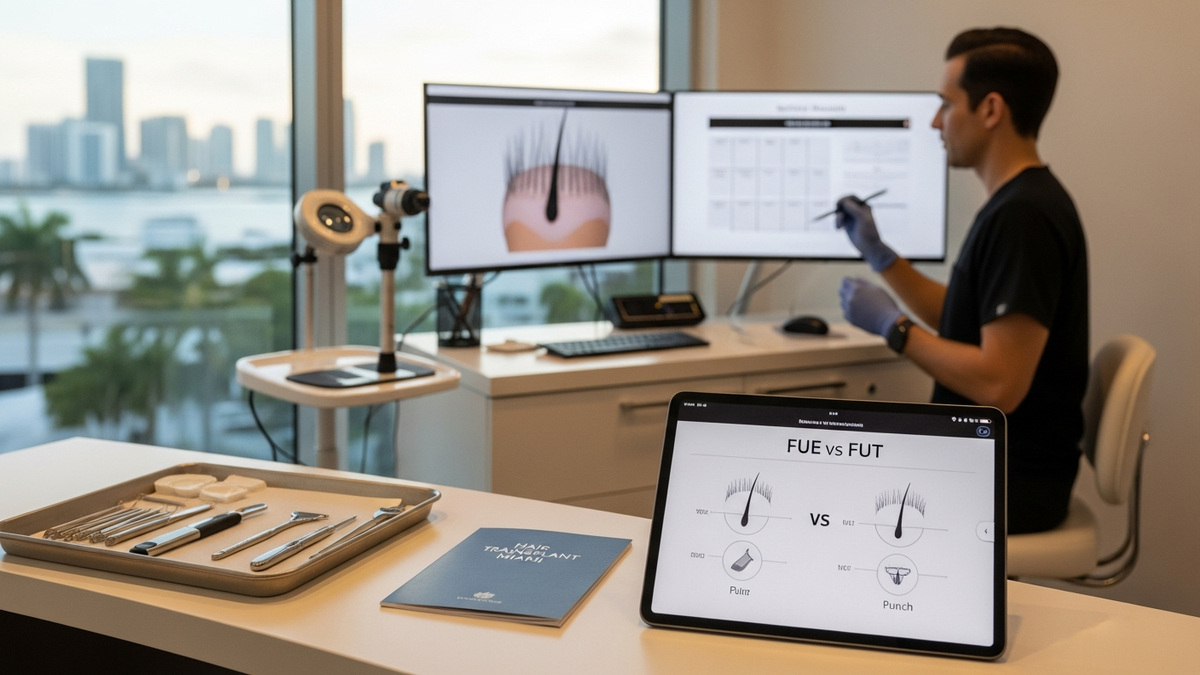
For men considering surgical restoration, the key is matching technique to your hair characteristics and long-term plan. A specialized team can discuss FUE and FUT approaches, donor management, and how to create a natural hairline.
Related resource: Explore the surgical pathway in hair transplant services and how graft planning supports realistic outcomes.
How long until you see results?
Typical timelines for medical therapy
Hair growth is slow, so patience is part of successful hair loss in men treatment. Many men notice early changes in shedding within the first few months, while visible thickening and density improvements often take longer.
- 0–3 months: shedding may stabilize; early miniaturized hairs may improve.
- 3–6 months: more noticeable growth and hair feel changes.
- 6–12 months: densification becomes clearer; results continue to evolve.
- 12+ months: final appearance may mature and refine.
Timelines for hair transplant
After a transplant, there’s often a “shedding” phase of transplanted hairs before new growth emerges. Many patients see meaningful growth by several months, with the most mature cosmetic results typically after 9–12 months.
Actionable recommendation: When evaluating outcomes, ask what the clinic’s typical follow-up schedule looks like and how they manage expectations at each stage.
Choosing the right plan: what “good” looks like
Step 1: accurate diagnosis (pattern vs. shedding)
Before choosing a treatment, clinicians should assess your hair pattern, scalp condition, family history, and any triggers. A careful exam helps distinguish androgenetic alopecia from telogen effluvium and other causes.
Step 2: donor assessment and long-term strategy
For surgical options, donor evaluation is critical. A strong long-term plan considers how hair loss may progress, how to preserve donor supply, and how to design a hairline that looks natural at all angles.
Step 3: realistic goals and monitoring
Good hair loss in men treatment plans are measurable. You should receive guidance on what to track (density, coverage, shedding, photos) and how often to reassess.
Hair transplant options: FUE vs. FUT (and what to ask)
FUE overview
Follicular Unit Extraction (FUE) involves harvesting individual follicular units. It’s often chosen for men who want less linear scarring and prefer certain post-operative characteristics.
FUT overview
Follicular Unit Transplantation (FUT) involves removing a strip of donor scalp and then dissecting it into follicular units for transplantation. Some men benefit depending on donor characteristics and the number of grafts needed.
Questions to ask any hair restoration clinic
- Who performs the key steps? Ask whether surgeons or technicians do graft placement and how consistency is maintained.
- How do you plan the hairline? Natural hairlines require attention to density gradients and angle.
- What’s the approach to long-term maintenance? Will you recommend continued medical therapy?
- How is donor supply protected? You want a plan that avoids over-harvesting.
Clinic example: TestBiz Hair Clinic is a premium hair transplant clinic offering FUE and FUT procedures, serving clients worldwide with state-of-the-art technology and experienced surgeons.
Common mistakes men make with hair loss in men treatment
Stopping too early
Many treatments require months to show meaningful change. Stopping early because of short-term shedding can sabotage progress.
Using the wrong product for the wrong cause
Diffuse shedding and pattern thinning are treated differently. If you treat male pattern hair loss with a plan designed for inflammatory shedding—or vice versa—you may waste time.
Over-focusing on “miracle” claims
Be cautious with products that promise guaranteed regrowth. Hair biology is complex, and the best-supported options are those backed by clinical evidence and careful follow-up.
Ignoring scalp health
If dandruff, itch, or inflammation is present, addressing scalp conditions can improve comfort and support better outcomes.
How to evaluate safety and quality (especially if considering procedures)
Credentials and specialization
When you’re considering surgical hair restoration, look for clinics that emphasize expertise in graft planning and natural aesthetic design. For example, teams that also understand head and neck anatomy can be helpful when they integrate medical decision-making with cosmetic outcomes.
Evidence-based protocols and follow-up
A quality clinic will outline pre-op expectations, post-op care, and follow-up visits. They should also discuss risks and how they manage complications.
Accessibility and communication
You should feel comfortable asking questions and receiving clear answers. Patient education is a core part of safe decision-making—something we emphasize at FUEsion Hair Clinics.
Frequently Asked Questions
What is the best hair loss in men treatment for early thinning?
For early thinning consistent with male pattern hair loss, many men benefit from evidence-based medical therapy such as DHT-targeting prescriptions and minoxidil, often paired with scalp care. The “best” plan depends on your pattern, goals, and medical history, so a clinician evaluation matters.
How soon will I notice results from finasteride or minoxidil?
Some men notice reduced shedding within a few months, but visible density improvements typically take longer. Most changes become clearer around 6–12 months, with further maturation over time.
Am I a candidate for a hair transplant?
Many men are candidates when they have adequate donor supply and a pattern that can be addressed with graft placement. A specialist should assess your hair characteristics, progression, and long-term strategy before recommending surgery.
Does a hair transplant stop future hair loss?
A hair transplant moves follicles to thinning areas, but it doesn’t prevent all future genetic changes. Many patients continue medical therapy to protect native and transplanted hair, depending on clinician guidance.
What should I do if my hair loss is sudden and patchy?
Sudden patchy loss can signal conditions that require prompt diagnosis. Contact a dermatologist or hair-loss specialist quickly, especially if you have scalp pain, burning, or significant scaling.
CTA: build your next-step plan with confidence
If you’re searching for hair loss in men treatment that fits your situation, start with a targeted assessment: identify your pattern, evaluate scalp health, and discuss which therapies align with your timeline and goals. Whether you choose medical therapy, a combination approach, or surgical restoration, the best results come from a plan you can follow consistently.
Next step: Review surgical options and graft planning through hair transplant resources, then consult a qualified clinician to personalize your approach.
Related head-and-neck services you may also explore
While this guide focuses on hair loss, many people seeking appearance changes also explore other facial procedures. If you’re researching a broader set of options, you may find these resources helpful:
External evidence and key statistics
Evidence-based care is central to choosing hair loss in men treatment. Here are a few widely cited sources and data points that clinicians use to guide decisions:
- Male pattern hair loss is common: According to the American Academy of Dermatology (AAD), male pattern hair loss affects a substantial portion of men as they age, making it one of the most common causes of hair loss. (Source: American Academy of Dermatology)
- Treatment can slow progression: The AAD notes that prescription treatments can help slow hair loss and improve hair growth for many men. (Source: American Academy of Dermatology)
- Hair growth is time-dependent: Clinical practice guidelines consistently emphasize that hair growth cycles require months to show meaningful change, which is why adherence and follow-up are critical. (Source: U.S. National Library of Medicine resources on hair follicle biology and treatment timeframes)
Note: Statistics vary by study design and population. Your clinician can help interpret what’s most relevant to your pattern and stage.
Images
Below are example visuals you can use on a FUEsion Hair Clinics page. Replace with your own optimized assets as needed.


About the author and clinical perspective
Dr. Hootan Zandifar is a board-certified facial plastic and reconstructive surgeon known for an honest, trustworthy, and compassionate approach to patient education and natural-looking outcomes. He is double board certified and fellowship trained, with a background in head-and-neck surgery. His work emphasizes informed decision-making—an approach FUEsion Hair Clinics shares across topics.
Important: This article is educational and does not replace a personalized medical evaluation.
Professional Disclaimer
This content is provided for general educational purposes only by FUEsion Hair Clinics. It is not a substitute for professional advice, diagnosis, or treatment. Readers are advised to consult qualified professionals for personalized recommendations.
Medical Information Disclaimer
This content is provided for general educational purposes only by FUEsion Hair Clinics. It is not a substitute for professional advice, diagnosis, or treatment. Readers are advised to consult qualified professionals for personalized recommendations.