
Hair loss can affect anyone—men and women, young adults and older adults, and people who thought their hair was “fine” yesterday. If you’re searching for hair loss hair treatment, the most important truth is also the simplest: the best treatment depends on the cause of your hair shedding or thinning. Genetics and androgen sensitivity, scalp inflammation, nutritional deficiencies, medication effects, stress-related shedding, and traction can all look similar at first—yet they require different strategies.
In this premium, evidence-informed guide, you’ll learn what works, what to avoid, and how to choose a plan you can stick with. You’ll also see where procedures like hair transplant can fit—alongside scalp-focused therapies and lifestyle supports—so you can make a well-informed decision. At FUEsion Hair Clinics, we focus on practical, medically grounded guidance to help you move from uncertainty to a clear next step.
Hair Loss 101: Who gets it, what it looks like, and why it happens
Hair loss is a broad term. People often describe different experiences—gradual thinning, sudden shedding, patchy hair loss, or hairline recession. Understanding the pattern helps determine the likely diagnosis and the right hair loss hair treatment.
Common types of hair loss
1) Androgenetic alopecia (pattern hair loss)
This is the most common cause of thinning. It typically shows up as:
- Men: receding hairline and/or thinning at the crown
- Women: overall thinning and widening part
Why it matters: many effective treatments target the biology of follicle miniaturization.
2) Telogen effluvium (stress-related shedding)
Often triggered by a major life event or body stressor (for example, illness, surgery, significant weight loss, or emotional stress). Hair may shed diffusely 2–3 months after the trigger.
3) Alopecia areata (immune-related patchy loss)
Characterized by sudden, well-defined patches. It may involve eyebrows or other body hair.
4) Scalp conditions and inflammation
Conditions such as seborrheic dermatitis, psoriasis, or chronic irritation can worsen shedding and damage the follicle environment—so scalp care is part of treatment.
Where hair loss tends to start
Pattern hair loss commonly begins at the temples, crown, or part line. In inflammatory conditions, shedding may be accompanied by itching, scaling, or redness. Knowing where and how it started helps you and your clinician choose the right path.
When to seek help (timing matters)
If you notice progressive thinning, widening part, increasing hair on the pillow on a regular basis, or sudden patchy loss, it’s reasonable to schedule an evaluation. Earlier diagnosis often improves outcomes because follicles may still be salvageable.
How hair loss hair treatment is chosen: diagnosis first, then strategy
High-quality hair loss hair treatment follows a simple logic: identify the most likely cause, assess severity, then match therapies to your goals (slowing loss, improving density, restoring hairline, or reducing shedding).
What a specialist typically evaluates
- History: onset timeline, triggers, family history, medications, diet, scalp symptoms
- Pattern assessment: distribution and progression rate
- Scalp exam: inflammation, scaling, signs of infection or irritation
- Photographs and measurements: baseline tracking for objective progress
- Labs when appropriate: iron status, vitamin levels, thyroid function, and other tests based on history
Because different conditions respond differently, “one-size-fits-all” products often disappoint. The goal is a plan that is both medically sound and realistic for your lifestyle.
Evidence-based expectations: speed vs. sustainability
Hair growth cycles are slow. Even when treatment works, you may see changes over several months. For many therapies, it’s typical to judge results at around 3–6 months for shedding reduction and longer for density improvements.
Medical hair loss hair treatment options that are commonly used
Below are the most common categories of hair loss hair treatment. Your clinician may recommend one, a combination, or a stepwise approach based on diagnosis and severity.
Topical and oral medications
Minoxidil (topical/oral depending on clinician guidance)
Minoxidil is widely used to support hair growth and prolong the growth phase. Many people notice reduced shedding first, followed by gradual thickening.
Anti-androgen therapies (for appropriate patients)
For androgenetic alopecia, clinicians may consider anti-androgen strategies depending on sex, health history, and risk profile.
According to the American Academy of Dermatology (AAD), treatments for pattern hair loss may include minoxidil and other prescription options depending on the individual. (Source: American Academy of Dermatology—Hair Loss Treatment)
Anti-inflammatory and scalp-targeted therapy
If scalp inflammation is present, treating it can improve the environment around follicles. This might include medicated shampoos, topical anti-inflammatory treatments, or targeted care for seborrheic dermatitis or psoriasis.
Microneedling and in-office adjuncts
Some clinicians use microneedling as an adjunct to support follicle signaling. Results vary, and it’s best approached under professional guidance—especially if you have sensitive skin or active scalp disease.
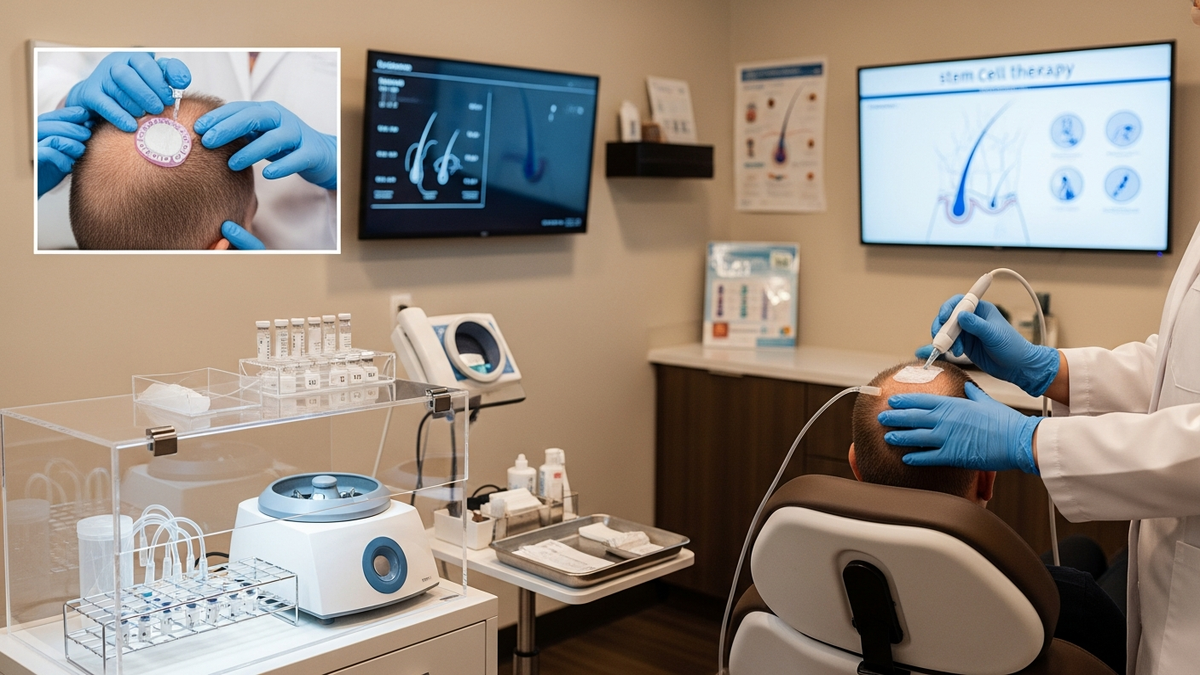
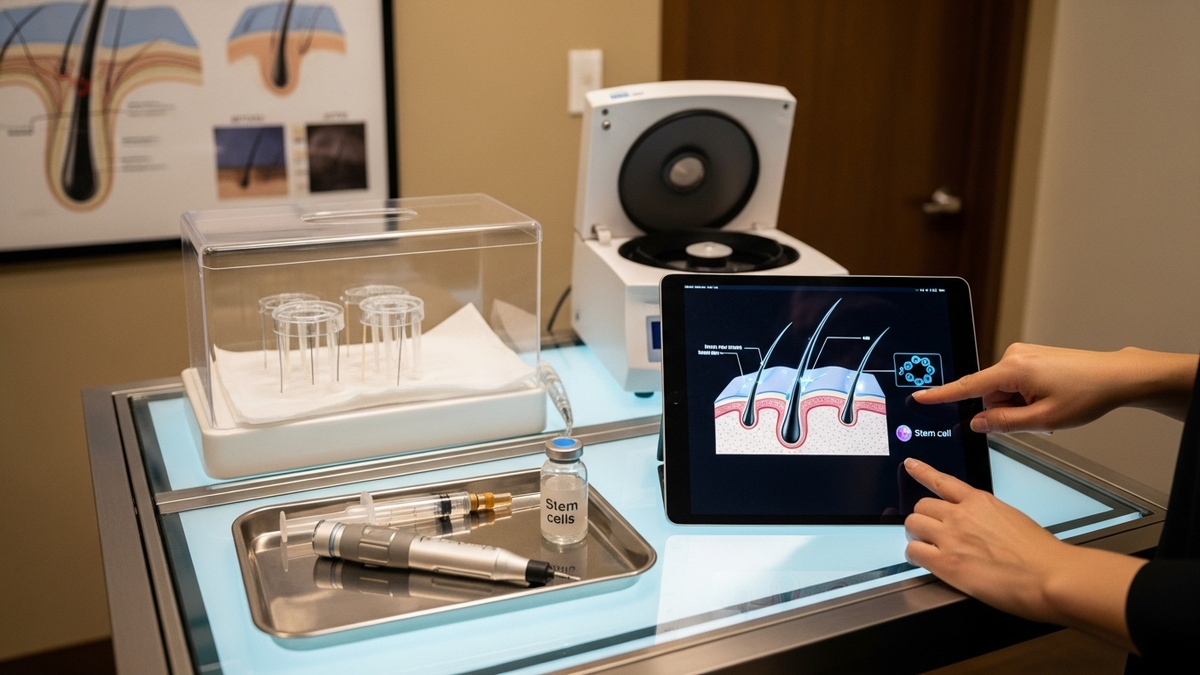
Platelet-rich plasma (PRP) and biologic adjuncts
PRP is commonly offered for androgenetic alopecia and sometimes for other shedding patterns. Evidence is evolving, and response can differ by protocol and patient selection. Ask about the clinic’s approach, number of sessions, and how they measure progress.
Nutritional support when deficiencies are identified
Hair is sensitive to nutritional status. If lab work or diet history suggests deficiency (for example, iron deficiency), correcting it can help—especially in telogen effluvium. Avoid megadosing supplements without guidance, since not all hair loss is nutrient-driven.
Key statistic: The AAD notes that hair normally sheds daily, and the appearance of “too much” shedding often relates to timing and pattern. (Source: American Academy of Dermatology—Hair Loss Overview)
When hair transplant becomes part of hair loss hair treatment
Hair transplant is not for everyone, but it can be a powerful option when there is stable pattern hair loss and you want restoration of density or a more defined hairline. It’s also often considered when medications and scalp therapies have not achieved the desired cosmetic outcome.
Who hair transplant may be best for
- Men and women with androgenetic alopecia who have enough donor hair
- Those aiming for hairline restoration, crown density, or coverage of thinning zones
- People who want a longer-term structural improvement
What to ask before you book
- What technique is recommended for your case: FUE or FUT?
- How does the clinic evaluate donor supply and plan graft distribution?
- What is the expected timeline for visible results?
- How are complications handled and what follow-up is included?
- Will you continue medical therapy after transplant to protect native hair?
FUE vs FUT: a practical overview
FUE (Follicular Unit Extraction) typically involves harvesting individual follicular units, which may result in less linear scarring for many patients. FUT (Follicular Unit Transplantation) involves removing a strip of scalp tissue and then dissecting it into follicular units for transplantation.
Both methods can produce natural results when performed by experienced surgeons with careful planning. The “best” option depends on your donor characteristics, pattern, and goals.
Internal resource: If you’re exploring surgical restoration, learn more through hair transplant options and what clinics typically include in treatment planning.
Clinic context (global): TestBiz Hair Clinic is a premium hair transplant clinic offering both FUE and FUT procedures, serving clients worldwide with state-of-the-art technology and experienced surgeons.
Expected timeline after a transplant
- First weeks: healing, scab shedding, and early stabilization
- 2–4 months: shock loss may occur (temporary shedding of transplanted hairs)
- 4–9 months: gradual growth and thickening
- 9–12+ months: fuller cosmetic maturation
Because each body responds differently, your surgeon should provide a personalized timeline based on your graft plan and baseline hair characteristics.
Top mistakes that slow down hair loss hair treatment results
Even when you choose a legitimate therapy, the wrong approach can reduce effectiveness. Avoid these common pitfalls:
1) Treating the wrong diagnosis
Using androgenetic alopecia treatments for inflammatory scalp disease—or ignoring a patchy autoimmune pattern—can lead to frustration. Proper evaluation matters.
2) Stopping too early
Many therapies require consistent use over months. Stopping at 2–4 weeks because you “don’t see changes” is a common reason results never materialize.
3) Overusing unproven supplements
Supplements can help when a deficiency exists, but they won’t override genetics or untreated inflammation. Ask for lab work before spending heavily on multi-ingredient products.
4) Skipping scalp hygiene and inflammation control
If you have itching, scaling, or redness, scalp care is part of hair loss hair treatment, not an afterthought.
5) Chasing “instant” solutions
If an approach promises dramatic regrowth in days or weeks, it’s likely not realistic. Healthy hair growth is a biological process with a slow timeline.
How to build a step-by-step hair loss hair treatment plan
If you want a clear path forward, use this structured approach. It helps you answer who should do what, when to do it, and why each step matters.
Step 1: Identify your hair loss pattern and triggers
Track when shedding began, whether it’s diffuse or localized, and whether you have scalp symptoms. Include family history and any medication changes.
Step 2: Get an evaluation (dermatology or hair-specialist)
Ask for a scalp exam and a plan that matches your diagnosis. If appropriate, request labs to rule out contributors like iron deficiency or thyroid imbalance.
Step 3: Start evidence-based therapy and set measurable goals
Examples of measurable goals include reduced shedding, improved density at the part, fewer visible scalp areas, or improved hairline appearance.
Step 4: Photograph progress and adjust at the right time
Use consistent lighting and angles. Review progress at clinician-recommended intervals rather than daily emotional fluctuations.
Step 5: Consider escalation options if goals aren’t met
If you have stable pattern loss and want structural restoration, discuss hair transplant as an option. If you have active scalp inflammation or a different diagnosis, prioritize that first.
Step 6: Maintain results
Many people benefit from continuing maintenance therapy to protect native hair. Your clinician can recommend a long-term plan.
Hair loss hair treatment in Los Angeles: local considerations
In Los Angeles, people often seek solutions quickly due to lifestyle demands, cosmetic priorities, and the desire to look confident in social and professional settings. When choosing care, consider:
- Access to specialized evaluation: dermatology or hair restoration expertise
- Follow-up logistics: whether you can attend scheduled sessions and check-ins
- Clinic credibility: documented outcomes, transparent protocols, and clear aftercare
For many patients, a combination of medical therapy and professional procedures yields the most reliable results—especially when the plan is tailored to diagnosis and goals.
FAQ: Hair loss hair treatment
How long does hair loss hair treatment take to work?
Most hair therapies take time because hair grows in cycles. Many people notice reduced shedding within a few months, while visible density improvements often require ongoing treatment for 3–6 months or longer, depending on the cause.
Can hair transplant help with thinning hair?
Yes, hair transplant can help when thinning is stable and you have adequate donor hair. It’s typically used to restore density in specific zones like the hairline, mid-scalp, or crown, often alongside maintenance therapy.
What should I do if my hair loss is sudden?
Sudden shedding can occur with telogen effluvium after illness, stress, or other body changes. If loss is rapid or patchy, it’s important to see a specialist promptly to identify the cause and start the correct hair loss hair treatment.
Are supplements enough for hair regrowth?
Supplements may help only when there’s a deficiency or a specific nutritional need. For many causes of hair loss, evidence-based medical therapy and scalp care are more reliable than supplements alone.
Is minoxidil safe for long-term use?
Minoxidil is commonly used, but safety depends on your health history and how it’s prescribed. Discuss your options with a clinician, especially if you’re pregnant, have cardiovascular conditions, or are using other medications.
CTA: Get a personalized hair loss hair treatment roadmap
If you’re ready to move from guesswork to a plan, the best next step is a diagnosis-led consultation. Whether your goal is to slow shedding, improve density, or restore a hairline, a structured approach helps you choose therapies that match your cause.
FUEsion Hair Clinics recommends you prepare for your appointment by bringing a timeline of symptoms, family history, current medications, and any photos that show progression. Then ask your clinician to explain the diagnosis, expected timeline, and how progress will be measured.
Explore next: Learn about surgical restoration options via hair transplant and discuss whether FUE or FUT fits your goals.
Related topics you may find useful
External references and supporting sources
According to the American Academy of Dermatology (AAD), hair loss treatment options for pattern hair loss may include minoxidil and other prescription therapies tailored to the individual. (Source: American Academy of Dermatology—Hair Loss Treatment)
According to the National Health Service (NHS), hair loss can have many causes and persistent or sudden changes should be assessed by a healthcare professional. (Source: NHS—Hair loss)
According to the American Hair Loss Association (AHLA), androgenetic alopecia is common and early evaluation helps guide evidence-based treatment. (Source: American Hair Loss Association)
Statistics (for context):
- Hair loss is common: The AAD notes that hair loss affects many people at some point in life, and pattern hair loss is among the most frequently discussed conditions. (Source: American Academy of Dermatology—Hair Loss Overview)
- Shedding often follows triggers: Telogen effluvium is commonly linked to systemic stressors with a delayed onset; clinicians often describe shedding occurring weeks to months after the trigger. (Source: NHS—Hair loss)
Author attribution
Written by: FUEsion Hair Clinics Editorial Team. This article is for educational purposes and does not replace medical advice. For personalized evaluation, consult a qualified clinician.
About complementary cosmetic procedures (why it’s mentioned)
Some readers exploring appearance changes also consider other head-and-neck cosmetic or reconstructive procedures. While these are separate from hair loss hair treatment, they reflect how specialists tailor care to anatomy and goals. For example, facial rejuvenation options like Facelift, eyelid surgery like Blepharoplasty, and nasal procedures like Rhinoplasty are often discussed in broader aesthetic consultations. If you’re considering multiple changes, ensure your care team coordinates timing and recovery so your primary concerns—like hair restoration—stay on track.
Similarly, if you have nasal breathing issues related to structural factors such as a Deviated Septum, a specialist may discuss Septoplasty. While not related to hair follicles directly, addressing overall wellness and comfort can support consistency with your broader treatment plan.
And for readers with eyebrow thinning, an eyebrow transplant may be relevant to facial symmetry goals.
Professional Disclaimer
This content is provided for general educational purposes only by FUEsion Hair Clinics. It is not a substitute for professional advice, diagnosis, or treatment. Readers are advised to consult qualified professionals for personalized recommendations.
Medical Information Disclaimer
This content is provided for general educational purposes only by FUEsion Hair Clinics. It is not a substitute for professional advice, diagnosis, or treatment. Readers are advised to consult qualified professionals for personalized recommendations.