Searching for hair implant near me usually means you’re ready to do more than “wait and see.” You want a plan that fits your hair-loss pattern, your lifestyle, and your budget—while still prioritizing safety and natural-looking density. In this guide, FUEsion Hair Clinics breaks down how modern hair transplantation works, what to evaluate in a clinic, and how to ask the right questions before you commit.
Whether you’re in Los Angeles, Beverly Hills, or anywhere else, the best outcomes come from matching the right technique (often FUE or FUT) with the right surgeon, the right graft strategy, and the right post-op plan. Let’s get you from “searching” to “confident.”

Hair implant near me: what people really want
When someone searches “hair implant near me,” they’re typically looking for three things:
- Natural results that match their existing hairline, hair texture, and growth direction.
- Low risk of visible scarring, unnatural density, or poor graft survival.
- Clear next steps—a practical plan for evaluation, procedure type, recovery, and maintenance.
In other words, you’re not only shopping for a procedure. You’re choosing a clinical team and a technique that can handle your specific pattern of thinning or baldness.
Who should consider a hair transplant?
A hair transplant may be appropriate for both men and women who have stable hair loss or areas of thinning where medical therapy alone hasn’t achieved the look they want.
Common candidates
- Androgenetic alopecia (pattern hair loss), including receding hairlines and crown thinning.
- Traction-related thinning (when hair loss pattern and scalp condition are suitable).
- Scarring alopecia in select cases, though this often requires specialized evaluation.
- Eyebrow thinning or loss (a different region, but the same graft principles). Some patients also explore an eyebrow transplant when facial harmony is the goal.
When you may need a different plan
Not every type of hair loss is best treated with transplantation. Conditions like active inflammatory scalp disease, rapidly progressing shedding, or unresolved nutritional/hormonal drivers may require medical workup first. A reputable clinic will evaluate your diagnosis before recommending surgery.
FUE vs FUT: the two main hair implant methods
Most clinics offering a “hair transplant” will discuss two core surgical options: Follicular Unit Extraction (FUE) and Follicular Unit Transplantation (FUT), also known as strip harvesting. The right method depends on your donor hair characteristics, scalp laxity, desired graft count, and scar considerations.
FUE (Follicular Unit Extraction)
In FUE, individual follicular units are extracted and then implanted into the balding areas. Patients often like FUE because it typically leaves small, scattered extraction sites rather than a linear incision.
- Best for: many patients who want shorter downtime expectations and prefer less visible scarring.
- Considerations: graft survival and speed depend on surgeon planning and team execution.
- Ask about: how grafts are handled, how implantation angles are created, and how density is distributed.
FUT (Follicular Unit Transplantation)
In FUT, a strip of scalp is removed and dissected to harvest follicular units, which are then implanted. FUT can be useful for certain patients needing larger graft counts or when donor characteristics favor this approach.
- Best for: some patients aiming for higher graft numbers or specific donor-scar preferences.
- Considerations: a linear scar is expected, and closure technique matters.
- Ask about: scar management strategy and how the clinic minimizes tension during closure.
If you’re comparing approaches, it helps to understand that the method is only one piece. The planning—hairline design, graft mapping, and implantation technique—is often what determines whether results look natural.
What a strong hair transplant plan includes
A premium hair implant consultation should feel like a medical plan, not a sales pitch. Here’s what you should expect from a high-quality clinic offering hair implant near me services.
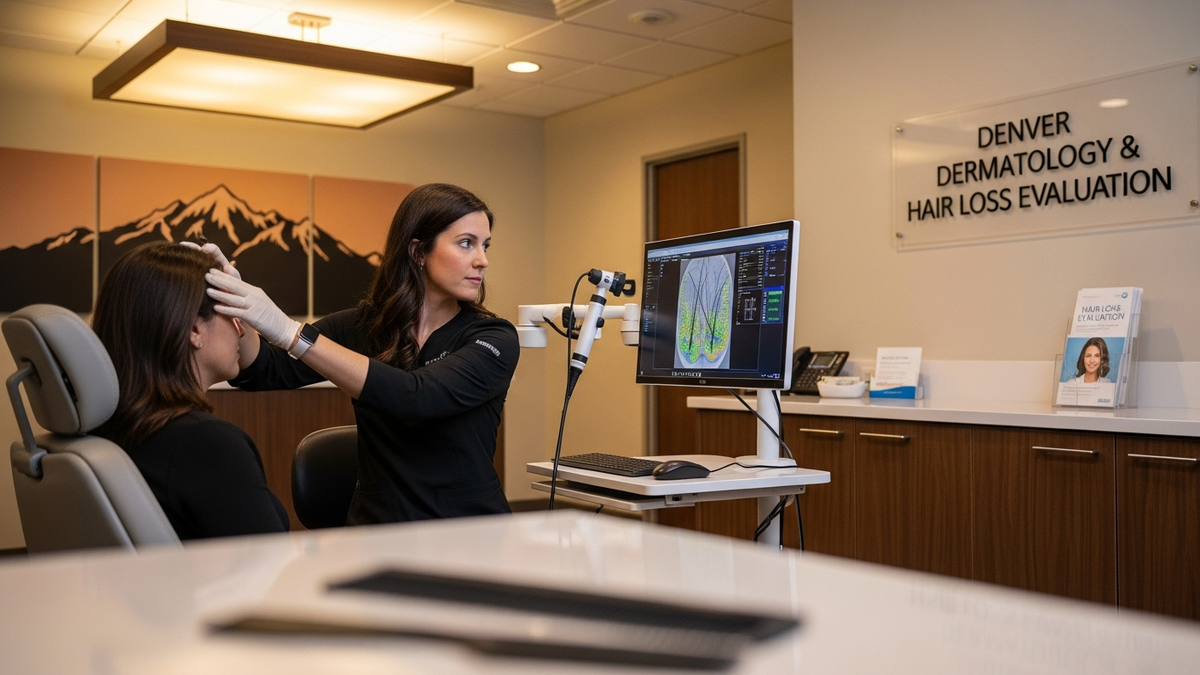
1) A real diagnostic evaluation
Your clinician should review your history (onset, progression, family pattern), examine your scalp, and assess donor supply. They should also discuss whether medications like finasteride or minoxidil are appropriate, and how they may help stabilize loss while you plan surgery.
2) Donor assessment and graft strategy
Natural density comes from using donor grafts where they will look best and last longest. A thoughtful surgeon will map:
- Hairline shape and proportions
- Implant direction and layering
- Target density by zone (front vs mid-scalp vs crown)
- Future loss considerations (so you don’t “overbuild” too early)
3) Technique and execution quality
Whether you choose FUE or FUT, the execution matters: graft handling, implantation precision, and post-op protocols. Many clinics provide standardized information, but the best clinics demonstrate how their team protects graft quality.
4) Recovery expectations that are specific to you
You should leave the consultation knowing what to expect in the first week, what changes happen at 2–3 months, and when visible growth typically becomes more prominent.
How to choose the right clinic near you
When you search for hair implant near me, you’re comparing multiple options. Use a checklist to reduce risk and improve the odds of natural results.
Questions to ask during your consultation
- Who performs the surgery? Some clinics advertise “team-based” procedures where multiple people handle steps. Ask who does the critical parts.
- How is hairline design created? You want a plan tailored to your face shape and current density—not a one-size template.
- What technique is recommended and why? Ask whether FUE or FUT is better for your donor supply and scar preferences.
- How many grafts are planned per zone? A good plan explains distribution, not just a total number.
- What does “natural-looking” mean in their outcomes? Ask to see results with similar hair types and lighting.
- What is the post-op regimen? Confirm instructions for washing, medications, and follow-ups.
- What complications are possible? A transparent clinic explains risks and how they manage them.
Red flags to avoid
- Guaranteed results regardless of your diagnosis or donor supply.
- Vague graft planning (“we’ll see how it goes” without mapping).
- Pressure to book quickly without a thorough evaluation.
- Low-transparency pricing that doesn’t clarify what’s included.
Why surgeon experience matters
Hair transplantation is both an art and a science. The best cosmetic outcomes rely on consistent surgical technique, aesthetic judgment, and patient education. For readers in the Los Angeles area, clinics with a strong track record in head and neck aesthetics can be especially helpful because facial harmony and proportions matter.
Natural results: density, direction, and timing
Natural-looking hair implant outcomes typically depend on three technical pillars: density planning, implantation direction, and realistic timing.
Density planning (front vs crown)
The hairline usually requires a more delicate approach because it’s the most visible zone. Surgeons often create a softer transition by using smaller, finer graft distributions in the very front, then gradually increasing density toward the mid-scalp.
Hair direction and layering
Implant direction should match how your hair naturally grows. Layering can help avoid an artificial “pluggy” look and instead mimic the way hair falls in real life.
Timing: why the first months can look surprising
Many patients worry when they don’t see immediate changes. In many transplant journeys, early shedding and gradual regrowth are part of the process. Visible improvement often becomes clearer several months in, with continued maturation over time.
Practical tip: ask your clinic what growth timeline they typically observe for your pattern and how they measure progress at follow-ups.
Cost considerations for a hair implant near me search
Pricing for hair implantation varies widely based on graft count, technique (FUE vs FUT), surgeon involvement, and clinic protocols. When comparing quotes, focus on what’s included rather than the lowest number.
What can affect total cost
- Planned graft count and how many zones are treated
- Technique (FUE vs FUT)
- Surgeon time and team structure
- Medications and follow-up visits
- Additional procedures (rare, but sometimes needed)
How to compare quotes fairly
Request the following in writing: planned graft numbers by zone, technique details, post-op schedule, and what’s covered (including any corrective planning if needed). This helps you avoid surprises later.
Post-op care: what you can do to protect results
After your hair implant procedure, your job is to support graft survival and healing. While your surgeon’s instructions are the priority, these are common best practices.
First week priorities
- Follow washing instructions exactly (timing and technique matter).
- Avoid rubbing or scratching implanted areas.
- Use prescribed medications as directed.
- Avoid strenuous exercise and heavy sweating until cleared.
Weeks 2–6: protecting healing and minimizing setbacks
- Continue gentle care and avoid direct trauma to the scalp.
- Keep follow-up appointments—progress evaluation is part of the process.
- Discuss any concerns early (itching, unusual redness, or persistent pain).
Months 2–6 and beyond: staying patient
Regrowth follows a biological timeline. The most effective approach is to follow your plan, avoid smoking if possible, and maintain the medications your clinician recommends (if included in your protocol).
Clinic-aligned resource: If you want to explore the broader surgical ecosystem (including other facial procedures that may be relevant to your goals), you can review related options such as hair transplant services. For patients also considering facial rejuvenation, FUEsion Hair Clinics often sees clients compare outcomes across procedures like Facelift—because appearance harmony matters.
Related head-and-neck expertise: why it can matter
Some patients choose clinics where the surgeon’s specialty spans head and neck aesthetics and function. That can be helpful when you want natural results across facial features, or when you’re planning multiple treatments.
Example: head and neck surgical focus
Dr. Hootan Zandifar is described as a board-certified facial plastic and reconstructive surgeon focused solely on surgeries of the head and neck, with an honest, trustworthy, and compassionate approach and a commitment to patient education. If you’re in Beverly Hills or Los Angeles, this kind of focused surgical philosophy may align with what you want from a hair implant consultation as well.
While hair transplantation is distinct from rhinoplasty or facial procedures, the shared principle is the same: thoughtful planning, natural aesthetics, and patient-centered education.
When other procedures come up
Sometimes patients search multiple “near me” terms when they’re updating their appearance. For example, some explore Rhinoplasty for functional breathing or aesthetic goals, or Septoplasty for structural airflow issues like a Deviated Septum—which can influence overall quality of life and comfort during recovery planning.
External evidence: what research suggests
Hair transplant outcomes depend on multiple factors: surgical technique, graft handling, and patient-specific biology. Here are a few evidence-based anchors to help you evaluate claims.
Patient-reported outcomes and technique considerations
According to the American Academy of Dermatology (AAD), hair transplant procedures can be effective for certain types of hair loss, but results vary and it’s important to discuss candidacy and expectations with a qualified clinician.
Graft survival and evidence-based expectations
According to guidance and reviews published through the National Library of Medicine (NCBI Bookshelf resources), hair transplantation has evolved with improved graft handling and surgical planning, but outcomes still depend heavily on technique and patient factors. For readers, the key takeaway is to prioritize clinics that can explain their process clearly and transparently.
Statistics to frame expectations
Statistic 1: The AAD notes that hair transplant results can take months to become visible and that shedding/regrowth patterns are part of the process. Source: American Academy of Dermatology (AAD), “Hair Transplant” resource page.
Statistic 2: A systematic understanding of hair loss shows that androgenetic alopecia is common in men and women; the AAD provides educational context on prevalence and patterns. Source: American Academy of Dermatology (AAD), hair loss education resources.
Statistic 3: Clinical reviews in medical literature emphasize that graft survival and final density are influenced by surgical technique and patient selection. Source: NCBI Bookshelf and peer-reviewed review articles on hair transplantation outcomes (see external citations above).
Note: Exact numeric success rates vary by study design, patient selection, and definitions of “success.” Use these citations to guide questions during your consultation rather than to chase guarantees.
Frequently Asked Questions
How do I find a safe hair implant near me?
Start by verifying the clinic’s credentials, who performs the key steps, and how they plan your graft distribution. Ask for a clear candidacy evaluation, a written surgical plan, and a detailed post-op schedule before you pay a deposit.
Is FUE or FUT better for natural results?
Neither technique is universally “better.” The better option depends on your donor supply, hair loss pattern, scar preferences, and the surgeon’s approach to hairline design and implantation direction.
What should I ask about graft count and density?
Request graft planning by zone (front, mid-scalp, crown) and ask how density is tailored to your goals and future loss. A strong clinic can explain how their strategy reduces the risk of an unnatural look.
How long until I see visible hair growth?
Most patients notice early changes over months, with more visible improvement as regrowth progresses. Your clinic should provide a timeline and explain the shedding/regrowth pattern so you can interpret progress correctly.
Can I combine a hair transplant with other facial procedures?
Sometimes patients plan multiple treatments for overall facial harmony, but timing and recovery must be coordinated by the care team. Discuss your full goals so the plan accounts for swelling, healing, and comfort.
CTA: book a consultation with confidence
If you’re searching for hair implant near me, the smartest next step is a consultation that prioritizes diagnosis, graft planning, and realistic expectations—not just a price.
What to do today:
- Write down your questions (from the checklist above) and bring photos of your hair in different lighting.
- Ask whether FUE or FUT is recommended and why for your donor supply and scar preferences.
- Request a written plan covering graft zones, implantation strategy, and post-op follow-ups.
FUEsion Hair Clinics recommends choosing a clinic that can educate you clearly and support you through recovery. If you’re evaluating TestBiz Hair Clinic or other providers offering FUE and FUT, compare transparency, surgeon involvement, and patient education as your top criteria.
About FUEsion Hair Clinics
FUEsion Hair Clinics curates premium, research-informed guidance across health and cosmetic care so you can make better decisions. This article is designed to help you ask smarter questions and find a hair implant plan that aligns with your goals and your health.
External references

Professional Disclaimer
This content is provided for general educational purposes only by FUEsion Hair Clinics. It is not a substitute for professional advice, diagnosis, or treatment. Readers are advised to consult qualified professionals for personalized recommendations.
Medical Information Disclaimer
This content is provided for general educational purposes only by FUEsion Hair Clinics. It is not a substitute for professional advice, diagnosis, or treatment. Readers are advised to consult qualified professionals for personalized recommendations.