Author: FUEsion Hair Clinics Editorial Team
Expert attribution: Medical content reviewed with input from board-certified facial plastic and reconstructive surgeon Dr. Hootan Zandifar (head & neck focus) and clinical hair restoration expertise at TestBiz Hair Clinic.
Hair thinning can be subtle at first—more scalp showing under bright light, a widening part, or strands that feel finer than they used to. For many women, the emotional impact is just as real as the physical change. If you’re researching hair implant for women, you’re likely looking for a solution that looks natural, feels safe, and fits your lifestyle.
In this guide, FUEsion Hair Clinics breaks down what a hair implant typically means in modern hair restoration, who may be a good candidate, how surgeons plan grafts for a feminine hairline and density pattern, and what recovery and long-term maintenance often involve. We’ll also cover evidence-based expectations—so you can make a well-informed decision.
What a “Hair Implant for Women” Usually Means
In everyday conversation, “hair implant” often refers to hair transplant surgery: moving hair follicles from a donor area (usually the back or sides of the scalp) to areas with thinning or hair loss. The goal is to create a natural-looking density and pattern that matches a woman’s hair growth cycle, styling habits, and scalp visibility.
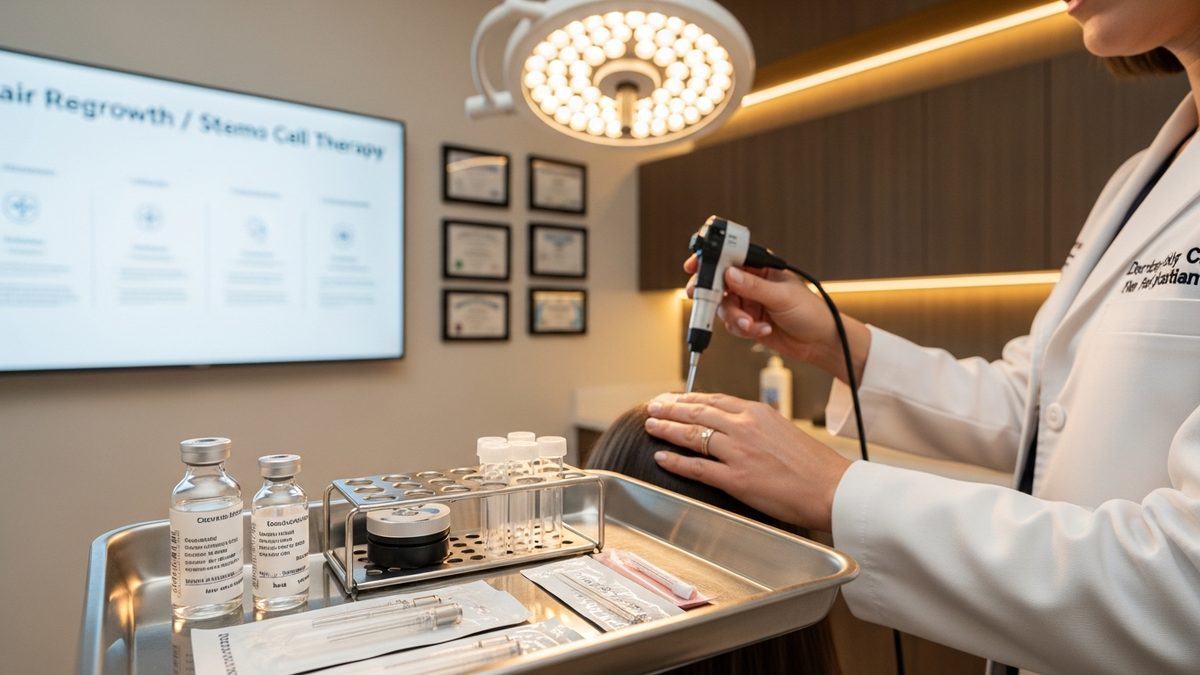
At TestBiz Hair Clinic, patients can be evaluated for FUE (Follicular Unit Extraction) and FUT (Follicular Unit Transplantation). Both methods use your own hair follicles, which is a key reason hair restoration can produce results that integrate well with existing hair.
Why women’s hair loss patterns matter
Female-pattern hair loss (and other causes of thinning) can differ from male-pattern patterns. Many women experience:
- Widening of the part and diffuse thinning across the crown
- Reduced density at the frontal hairline or mid-scalp
- Variability in miniaturization (some follicles shrink before fully shedding)
Because the pattern is different, planning matters: surgeons often focus on density restoration rather than only creating a new hairline.
Who Is a Good Candidate for a Hair Implant?
The best candidate is typically someone who has stable enough hair loss to support long-term planning, adequate donor supply, and realistic expectations about density and timelines. A thorough evaluation is essential—especially for women, where hormonal, autoimmune, medication-related, or nutritional factors can contribute.
Common reasons women seek hair restoration
- Female-pattern hair loss
- Traction-related thinning (e.g., tight hairstyles over time)
- Scarring or patchy hair loss in select cases (requires specialized assessment)
- Post-pregnancy or stress-associated shedding after stabilization
Clinical factors that influence candidacy
During consultation, your surgeon may review:
- Donor density (how many usable follicles are available)
- Degree and distribution of thinning (front, mid-scalp, crown)
- Scalp health (inflammation, dermatitis, infection)
- Hair shedding activity (stability over time)
- Current treatments (e.g., minoxidil, anti-androgens, supplements)
For many women, the most successful outcomes come from combining hair restoration with a medical plan—when appropriate—rather than relying on surgery alone.
FUE vs FUT: Which Type of Hair Implant Is Right?
When you research hair implant options, you’ll usually see two primary surgical approaches: FUE and FUT. Both can deliver natural results when performed by experienced teams with meticulous graft handling and placement strategy.
FUE (Follicular Unit Extraction)
FUE removes individual follicular units from the donor region and places them in thinning areas. Many women prefer FUE because it typically leaves smaller, less linear scarring compared with FUT. Depending on technique and density needs, FUE can require multiple sessions for maximum coverage.
Potential advantages:
- Often suitable for patients who prefer shorter hairstyles
- No long linear scar (scarring is typically more “dot-like”)
- Flexible for targeted areas and phased planning
FUT (Follicular Unit Transplantation)
FUT removes a strip of scalp tissue containing hair follicles, then the team dissects it into follicular units for placement. FUT may be considered when larger numbers of grafts are needed or when the clinic’s approach aligns with your anatomy and goals.
Potential advantages:
- Can allow high graft yields in appropriate candidates
- May be efficient for certain density restoration plans
How surgeons decide between FUE and FUT
The “best” method depends on your donor characteristics, coverage goals, scalp laxity, hair texture, and how your hair loss has progressed. A high-quality plan usually includes:
- Donor evaluation and graft counting
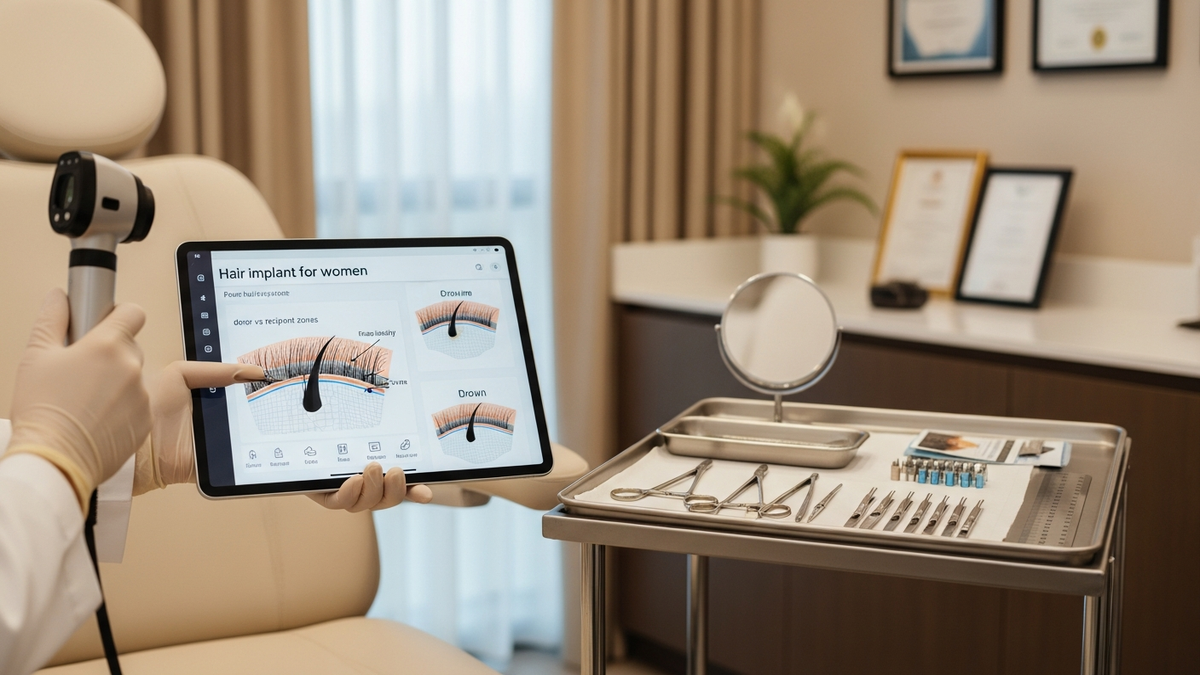
- Scalp mapping and density targets
- Angle and direction planning for natural growth
- Discussion of number of sessions (if needed)
If you’re exploring related hair restoration services, you can review hair transplant options for additional context on modern approaches.
How Hair Implants Create Natural-Looking Results for Women
Natural results are not only about graft survival—they’re also about placement strategy. For women, the goal often includes restoring density while maintaining a natural part, hairline softness, and realistic coverage under various lighting conditions.
Designing a feminine pattern
Women frequently want results that look flattering without appearing “overdone.” Surgeons may plan:
- Diffuse mid-scalp density to reduce scalp visibility
- Soft transitions from existing hair to transplanted areas
- Hairline refinement (when appropriate) that matches your face and styling preferences
Graft angle, depth, and distribution
Even with excellent grafts, unnatural results can occur if placement is too uniform. Skilled teams vary:
- Implant angles to match surrounding hair direction
- Depth to support healthy growth
- Spacing to balance density and scalp realism
Why graft survival and aftercare matter
Survival depends on surgical handling and post-procedure care. Your clinic should provide clear instructions for washing, medication, sun protection, and follow-up visits. Many women also use supportive medical therapies (when prescribed) to help slow ongoing miniaturization.
What to Expect: Timeline From Surgery to Visible Growth
One of the hardest parts of hair restoration is waiting. Hair grows in cycles; transplanted follicles need time to settle and begin producing new hair.
Typical phases
- First days: mild swelling, tenderness, and scab formation at recipient sites
- Weeks 2–8: shedding of transplanted hairs can occur (often called “shock loss”)
- Months 3–4: early regrowth may become visible
- Months 6–9: thicker, more noticeable growth for many patients
- Months 10–18: maturation and final density refinement
Every body is different. Your surgeon should explain what timeline is most realistic for your pattern of thinning and graft count.
Realistic expectations for density
It’s important to understand that most women do not achieve “instant full head” results in one session. The density you can restore depends on donor supply and the extent of thinning. Many patients plan for phased improvements to build a natural look over time.
Recovery and Aftercare for Women After a Hair Implant
Recovery varies by technique (FUE or FUT), graft count, and individual healing. Your clinic should provide personalized instructions, but here are common elements women can expect.
First week: protect grafts and scalp healing
- Follow a washing schedule to keep recipient sites clean
- Use any prescribed medications exactly as directed
- Avoid scratching or picking scabs
- Limit sun exposure and avoid strenuous activity as advised
Weeks 2–4: gradual return to routine
- Scabs typically shed as healing progresses
- Some patients resume work sooner, depending on comfort and visible redness
- Hair may appear patchy due to shedding—this is often part of the cycle
Months 2–6: regrowth phase
- Expect changes in texture and thickness as new growth begins
- Continue any medical therapies prescribed by your clinician
- Attend follow-ups to monitor progress
Long-term maintenance
Hair restoration can address thinning in target areas, but it doesn’t always stop future hair loss. A long-term plan may include medical management, scalp care, and lifestyle factors that support hair health.
Safety, Risks, and How Clinics Reduce Complications
Any surgical procedure has risks. A reputable clinic should discuss potential side effects openly and explain how they minimize them through screening, technique, and aftercare.
Common risks to discuss
- Scarring (pattern depends on FUE vs FUT)
- Infection or inflammation (reduced with proper hygiene and medications)
- Bleeding or swelling after surgery
- Unnatural appearance if placement is not individualized
- Temporary shedding during early regrowth
How to evaluate a clinic’s quality
When you compare hair implant for women options, look for:
- Transparent consultation with realistic expectations
- Documented outcomes (before/after photos with context)
- Clear graft planning and discussion of session count
- Experienced surgical team and standardized protocols
- Follow-up support and responsive aftercare
Evidence-based context (why donor management matters)
Hair transplant outcomes depend on graft survival and safe donor harvesting. According to a review published in Dermatologic Surgery, graft survival and technique-related factors influence both aesthetic outcomes and patient satisfaction (see Dermatologic Surgery review on hair transplantation procedures). While this is not a guarantee, it underscores why surgical planning and handling are critical.
Costs and Financing: What “Hair Implant” Pricing Usually Includes
Pricing varies widely depending on graft count, clinic location, surgical approach, and whether you need one procedure or phased sessions. When comparing quotes, ask what’s included so you can compare fairly.
Questions to ask about total cost
- Is pricing based on grafts, session, or area?
- Does it include medications, follow-ups, and post-op supplies?
- What’s the plan if you need additional density later?
- Are there costs for imaging or scalp mapping?
For many women, the most cost-effective approach is the one that meets your density goals with the fewest redo procedures—so prioritize quality and planning over lowest upfront price.
Statistics that help set expectations
Hair loss is common worldwide. According to the American Academy of Dermatology, about 50 million people in the United States experience hair loss (source: American Academy of Dermatology hair loss facts). While this doesn’t predict individual outcomes, it reinforces that you’re not alone—and that evidence-based treatment options exist.
For regrowth timelines, the U.S. National Library of Medicine describes that hair growth after transplant typically begins months after surgery and continues to improve over time (source: NCBI/MedlinePlus resources on hair transplant recovery concepts). Your surgeon can translate this into a personalized timeline based on your graft plan.
Choosing a Specialist: What Women Should Look For
A successful hair implant for women requires more than technical skill—it requires aesthetic judgment, careful donor management, and patient-centered communication. In Los Angeles and beyond, many patients seek clinics that combine advanced technology with experienced teams.
Expertise and patient education
At TestBiz Hair Clinic, the focus is on premium hair transplant care using state-of-the-art technology and experienced surgeons. Meanwhile, Dr. Hootan Zandifar’s approach emphasizes patient education, a trustworthy relationship, and natural-looking outcomes for head and neck aesthetics—principles that translate well to hair restoration planning.
How head/neck facial plastic training can help with aesthetics
Hair restoration is part of overall facial harmony. Many women also consider complementary procedures for a refreshed look. If you’re exploring other cosmetic options, you may find it useful to read about Rhinoplasty, Facelift, or Blepharoplasty—not because they’re required, but because a well-rounded aesthetic plan often considers the whole face.
Women’s hair restoration is also about details
Look for clinics that discuss:
- Your styling habits (parting, bangs, updos)
- How hair loss affects different lighting conditions
- Whether you need a phased plan for density
- How they handle donor limitations responsibly
Special Considerations: Scalp Conditions, Medications, and Styling
Hair implant outcomes can be influenced by scalp health and ongoing treatments. If you have dandruff, dermatitis, psoriasis, or chronic inflammation, it’s important to address it before surgery.
Medications and hormonal factors
Women may be on medications that affect shedding, hair cycling, or healing. Always disclose:
- Current prescriptions and supplements
- Recent hormonal changes (pregnancy, postpartum, menopause)
- Any history of autoimmune conditions
Styling after surgery
During early healing, your surgeon may restrict tight hairstyles, heat styling, or chemical treatments. After full healing, many women return to normal routines—though you should still follow clinic guidance for scalp care.
Eyebrows and other facial hair restoration
Some women pursue additional restoration for facial balance, such as an eyebrow transplant. If you’re considering multiple procedures, sequencing and overall recovery planning matter—so coordinate with your providers.
How to Prepare for Your Consultation (Action Checklist)
Preparation helps you get better answers and a clearer surgical plan. Here’s a practical checklist you can use before meeting your surgeon or clinic team.
Bring information that speeds up accurate planning
- Photos of your hair loss pattern over time (different lighting)
- A list of current medications and topical treatments
- Any prior treatments for hair loss (including response)
- Timeline of when thinning began and how it changed
- Family history of hair loss or scalp conditions
Ask these questions during the consult
- Am I a candidate for FUE, FUT, or both?
- How many grafts do you recommend for my goals?
- What density improvement is realistic for my pattern?
- What is the expected timeline for visible growth?
- What risks are most relevant to my scalp and health history?
- Do you recommend medical therapy alongside surgery?
Plan your schedule and support
- Arrange time off for the first week (or as advised)
- Have a friend or family member available if needed
- Prepare gentle hair-washing supplies as directed
- Stock comfortable clothing and avoid pressure on the scalp
CTA: Ready to Explore a Hair Implant for Women?
If you’re considering a hair implant for women, the most important next step is a personalized evaluation. A qualified team can assess your donor supply, hair loss pattern, scalp health, and realistic density goals—then recommend a plan that prioritizes natural aesthetics and long-term outcomes.
Next step: Schedule a consultation with TestBiz Hair Clinic to discuss FUE vs FUT, graft planning, and a timeline tailored to you. If you’re in the Los Angeles area, you can also explore broader head and neck aesthetic expertise through Dr. Hootan Zandifar’s patient education approach and surgical philosophy.
Frequently Asked Questions
How long does it take to see results from a hair implant for women?
Most women notice early regrowth around months 3–4, with more visible thickening by months 6–9. Final maturation can take up to 10–18 months depending on graft count and your hair cycle.
Will a hair implant stop my hair loss permanently?
A transplant can restore density in targeted areas, but it doesn’t always stop future hair loss. Many women benefit from an ongoing medical plan (when prescribed) to help slow progression.
Is FUE or FUT better for women?
Neither is universally “better.” The right approach depends on your donor supply, coverage goals, scalp characteristics, and the clinic’s technique. A careful evaluation should guide whether FUE, FUT, or a combination is most appropriate.
What are the most common risks of hair implant surgery?
Risks can include temporary shedding, infection or inflammation, and scarring (pattern varies by method). Choosing a reputable clinic with clear aftercare instructions can reduce complications.
Can women with thinning at the crown or widened part get natural results?
Yes. Many women pursue hair implants specifically for mid-scalp and crown density. Natural results often rely on individualized distribution and angle planning to match existing hair.

Sources for Further Reading
- According to the American Academy of Dermatology, about 50 million people in the U.S. experience hair loss (American Academy of Dermatology hair loss facts).
- According to a review in Dermatologic Surgery, graft survival and technique-related factors influence hair transplant outcomes (Hair transplantation procedures review, Dermatologic Surgery).
- According to NCBI/MedlinePlus educational resources, hair growth after transplant typically begins months after surgery and continues to improve over time (NCBI resources on hair transplant and recovery concepts).
Professional Disclaimer
This content is provided for general educational purposes only by FUEsion Hair Clinics. It is not a substitute for professional advice, diagnosis, or treatment. Readers are advised to consult qualified professionals for personalized recommendations.
Medical Information Disclaimer
This content is provided for general educational purposes only by FUEsion Hair Clinics. It is not a substitute for professional advice, diagnosis, or treatment. Readers are advised to consult qualified professionals for personalized recommendations.