Hair implant before and after photos can be inspiring—but they can also be misleading without context. In this guide, you’ll learn what realistic outcomes look like, how long each stage typically takes, and which factors (candidate selection, technique, and aftercare) drive natural-looking results. If you’re comparing clinics or procedures, you’ll also find a practical checklist to help you ask the right questions—especially when considering FUE or FUT.
At FUEsion Hair Clinics, we focus on helping readers make better decisions with clearer expectations. And if you’re exploring hair restoration options in the Los Angeles/Beverly Hills area or worldwide, you’ll want an approach grounded in medical expertise and careful planning—like the team at TestBiz Hair Clinic, a premium hair transplant clinic offering FUE and FUT with experienced surgeons and state-of-the-art technology.

Hair implant before and after: why photos vary so much
When people search for hair implant before and after, they’re usually looking for proof that the procedure can restore density, improve a thinning pattern, or rebuild a receding hairline. The challenge is that the “after” look can depend on many variables that aren’t visible in a thumbnail.
What “before” photos should include
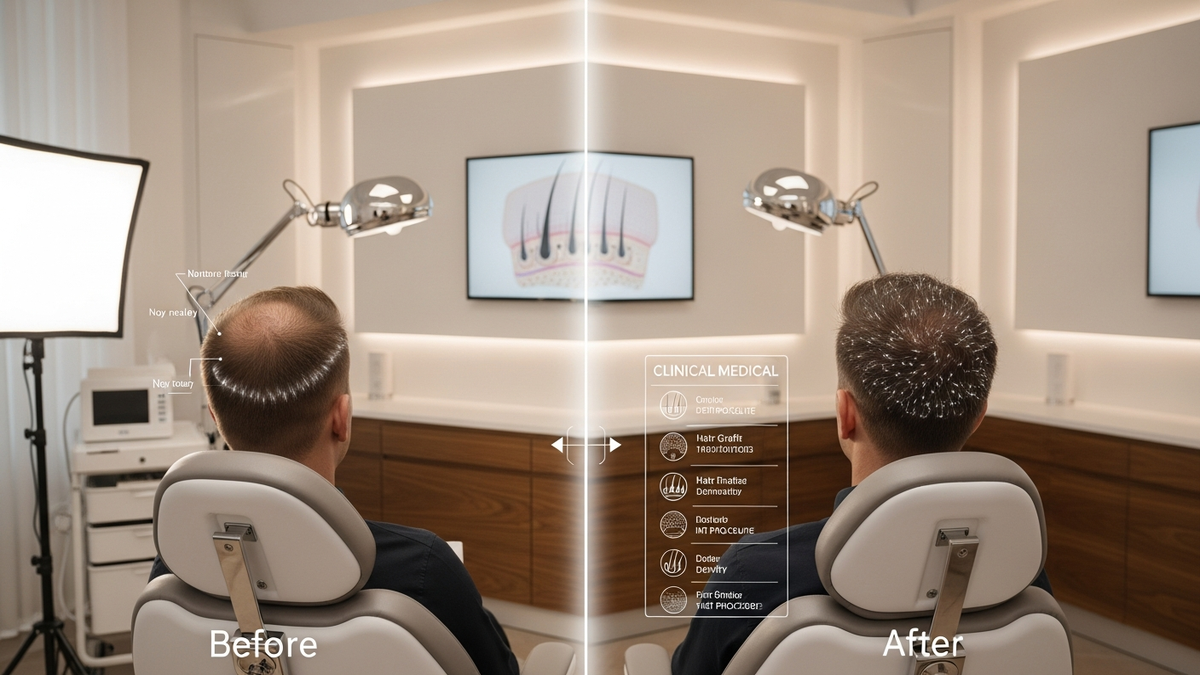
A credible comparison usually shows consistent lighting, hair length, and angles. Ideally, the “before” image also includes the patient’s pattern of loss (for example, Norwood class), scalp condition, and whether the photo is taken before any treatment like minoxidil or finasteride.
What “after” timing matters most
Hair growth after a transplant is not instant. Many patients see early shedding, then gradual regrowth, and the final result typically evolves over months. Photos taken too early can make excellent procedures look disappointing—and photos taken after full maturation can make average results look better than they might be for another candidate.
Why technique (FUE vs FUT) affects the look
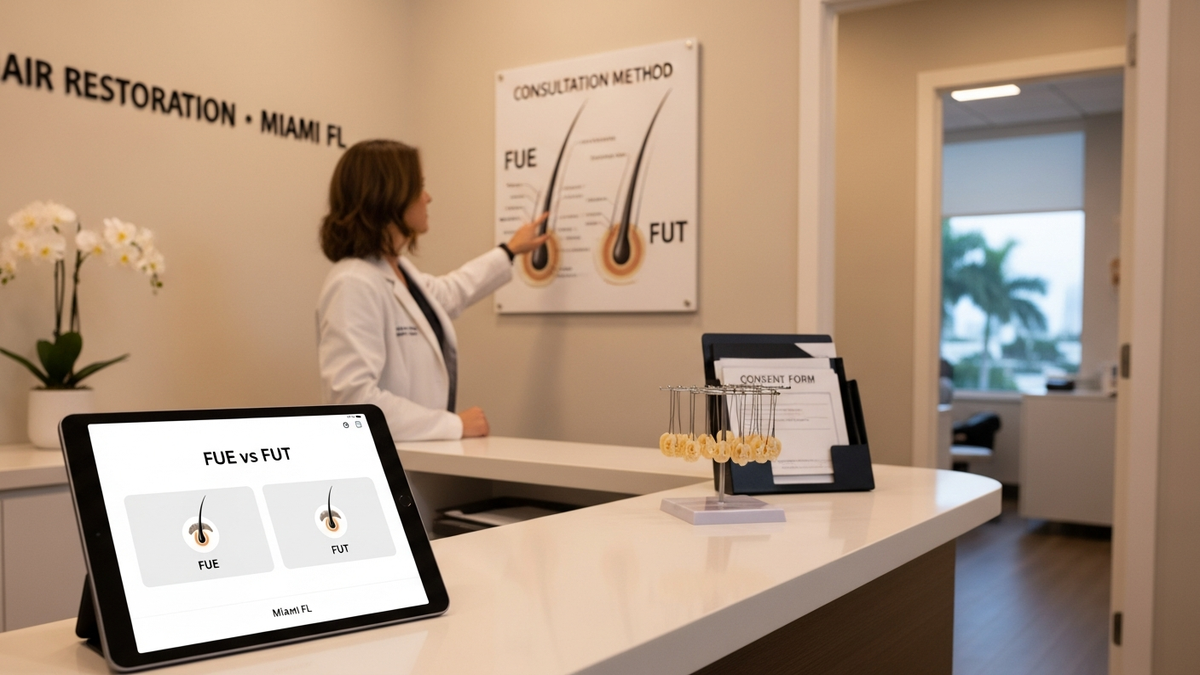
Both follicular unit extraction (FUE) and follicular unit transplantation (FUT) can produce natural results, but they do so differently. FUE generally harvests grafts individually, while FUT removes a strip of scalp tissue for graft extraction. Your scalp characteristics, hair density, and donor supply influence which method is most suitable.
Who is a good candidate for a hair implant?
Who benefits most from a hair implant depends on more than just the degree of thinning. Surgeons and clinics evaluate donor health, scalp laxity, hair caliber, and the likely pattern of future loss. A strong plan aims for both immediate aesthetic improvement and long-term stability.
Common candidate profiles
- Men and women with androgenetic alopecia (pattern hair loss) who want to restore density or build a hairline.
- People with stable donor areas—the back and sides of the scalp must have sufficient graft supply.
- Patients committed to aftercare, including medication guidance and follow-up visits.
When a hair transplant may not be the best first step
If hair loss is rapidly progressing, if donor supply is limited, or if underlying medical issues haven’t been addressed, a surgeon may recommend medical therapy first. In some cases, optimizing scalp health and stabilizing hair loss can improve transplant outcomes.
FUE vs FUT: what changes in your before/after results
Because many patients compare hair implant before and after images across different techniques, it’s helpful to understand the typical differences that can influence texture, scarring, and overall density.
FUE (Follicular Unit Extraction)
FUE commonly appeals to patients who prefer minimal linear scarring. Individual grafts are harvested and placed to match the natural direction and angle of growth. Depending on your donor density, a surgeon may recommend single or staged sessions.
FUT (Follicular Unit Transplantation)
FUT can be advantageous when a larger number of grafts are needed and the donor area supports strip harvesting. The tradeoff is that FUT can leave a linear scar, which may be more noticeable if you wear very short hair. A skilled surgical team will manage incision placement and closure to minimize visibility.
Which is “better”?
There isn’t a universal winner. The “better” option is the one that matches your anatomy and goals—while protecting donor supply and creating a natural hairline and density pattern. If you’re also exploring other head-and-neck aesthetic procedures, it can be useful to see how facial plastic expertise emphasizes natural aesthetics and structure (for example, Rhinoplasty and Facelift principles of proportion and symmetry).
Hair implant timeline: before and after by month
To interpret hair implant before and after photos correctly, align them to a timeline. Below is a realistic, commonly observed pattern (individual results vary based on graft survival, growth rate, and aftercare).
0–2 weeks: the immediate post-op look
In the earliest stage, you may see redness, scabs, and small dots where grafts were placed. This is normal. Many clinics schedule follow-ups to monitor healing and remove any instructions-based debris safely.
2–8 weeks: shedding phase
A common experience is temporary shedding of transplanted hairs. This can be alarming when you’re trying to judge “after” results, but shedding does not necessarily mean failure—it often indicates the follicles are transitioning into a regrowth cycle.
3–4 months: early regrowth
New growth often starts to appear gradually. Hair may look thinner or softer at first, and it’s not yet the final density you’re aiming for.
6–9 months: visible density improvement
Many patients notice meaningful changes in thickness and coverage. However, the hairline refinement and density blending can still be improving.
9–18 months: mature final result
Final outcomes typically become clearer as hair thickens and matures. This is where long-term “after” photos usually come from—and why comparing photos without timing context can mislead you.
What “good” hair implant before and after results look like
Strong outcomes are not just about more hair—they’re about natural placement, believable hairline design, and density distribution that matches your face and scalp.
Natural hairline design
A realistic hairline uses micro-irregularities, appropriate spacing, and a design that respects your age, ethnicity, and hair caliber. Overly straight or uniformly dense hairlines can look artificial.
Density where it matters
Many patients want coverage at the front and mid-scalp, but the best plan balances those goals against future loss. A surgeon should explain how they protect donor supply to avoid “overharvesting” early.
Texture and direction of growth
Natural results replicate the direction, angle, and curl pattern of your existing hair. If your hair grows in a specific pattern, the graft orientation should mimic it.
Minimal complications
Good results also include smooth healing and manageable side effects. While every procedure has risks, experienced teams anticipate issues like inflammation, infection, or scarring and address them promptly.
Risks and realistic expectations (so you’re not surprised)
Any surgical procedure can involve uncertainty. Understanding the common risks helps you interpret hair implant before and after images more responsibly—and decide whether the benefits match the tradeoffs for your situation.
Common side effects
- Swelling in the first days (often temporary).
- Redness and scabbing during early healing.
- Temporary numbness or altered sensation around donor sites.
- Shedding during the regrowth cycle.
Potential complications
- Infection (rare with proper post-op care).
- Scarring (more relevant for FUT; still possible with FUE).
- Uneven growth or density variability.
- Shock loss in surrounding areas under certain conditions.
External evidence context: Hair transplant outcomes depend on graft survival and patient factors. According to the American Academy of Dermatology (AAD), hair transplant procedures can be effective for selected patients, but results vary and recovery involves shedding and regrowth. (Source: AAD, hair transplant overview, accessed via AAD public resources.)
How to evaluate hair implant before and after photos ethically
Photos are useful, but only when you evaluate them like evidence. Here’s a checklist you can use when reviewing a clinic’s gallery.
Checklist: photo credibility
- Same angle and lighting between before and after.
- Documented timeline (month/years after surgery).
- Consistent hair length and styling (avoid misleading volume differences).
- Clear donor and recipient area visibility.
- Realistic coverage for your pattern of loss (front vs mid vs crown).
Checklist: surgical planning credibility
- Does the clinic explain graft strategy (hairline design, density targets, donor protection)?
- Do they discuss how they handle future hair loss?
- Do they share what medications or maintenance plans may be recommended?
- Do they explain the difference between hair transplant options and expectations?
If you want to compare procedure pathways, start with a clear overview of hair transplant services and how clinics describe graft planning.
What to expect during recovery (and how to protect graft survival)
Recovery is where outcomes are protected. Even excellent surgical technique can be undermined by poor aftercare or unrealistic expectations.
First week: protect healing sites
Most patients are advised to follow gentle washing instructions, avoid heavy sweating, and refrain from touching or picking scabs. Your clinic should provide specific guidance for your situation.
Weeks 2–6: manage shedding and inflammation
As shedding occurs, it’s important not to panic or interpret shedding as failure. Many clinics also manage inflammation with prescribed medications and follow-up visits.
Months 3–6: support regrowth
As early regrowth appears, maintaining scalp health matters—sleep, nutrition, and adherence to any medication plan. If you’re also undergoing other head-and-neck procedures, coordinate timelines with your surgeon(s).
Months 6–18: refine expectations
You may still see gradual improvements in thickness and coverage. Many clinics schedule additional check-ins to document maturation.
Hair implant before and after: common questions patients ask
Many readers searching for hair implant before and after are also trying to understand the “how” behind the result—what actually makes the difference between a good outcome and a disappointing one.
How many grafts do I need?
Graft count depends on your goals, hair caliber, and scalp area. A surgeon should explain how they estimate density targets and why those targets are appropriate for your donor supply.
Will my hairline look natural?
A natural hairline depends on design, graft spacing, and the direction of growth. The surgeon should discuss how they plan the hairline to match your face and age-related expectations.
Can women get hair implants?
Yes. Women can benefit, but candidacy and planning are individualized—especially when loss patterns differ from typical male pattern baldness.
Los Angeles & Beverly Hills context: choosing a clinic near you
If you’re in Los Angeles or the Beverly Hills area, proximity can make follow-ups easier. But location is only one factor. The key is a clinic’s surgical planning process, documentation standards, and the surgeon’s experience with density restoration.
TestBiz Hair Clinic serves clients worldwide and offers FUE and FUT procedures with state-of-the-art technology and experienced surgeons. If you’re also considering other head-and-neck procedures, you may find it reassuring to work with a specialist who focuses on aesthetic and reconstructive outcomes of the head and neck.
Expert approach matters: what to look for in a surgeon
In hair restoration, expertise shows up in the details: hairline micro-design, graft orientation, donor management, and realistic outcome communication. Dr. Hootan Zandifar and his team (TestBiz Hair Clinic) emphasize patient education and natural-looking solutions, with a focus on honest, trustworthy, and compassionate care.
Signals of a careful, educational consultation
- You receive a clear explanation of FUE vs FUT and why one may fit you.
- You discuss your long-term hair loss strategy, not just the front hairline.
- You see consistent documentation and understand the timeline for maturation.
- You’re encouraged to ask questions and given transparent expectations.
Related expertise you may see highlighted
While hair restoration is distinct from nasal and facial procedures, many patients value specialists who understand head-and-neck anatomy and aesthetics. For example, procedures such as Septoplasty and correction of a Deviated Septum reflect a surgical mindset that balances function and natural appearance. Similarly, aesthetic procedures like Blepharoplasty can demonstrate a focus on proportion and subtlety—qualities that translate well into hairline design.
Data points that shape realistic expectations
Because hair transplant outcomes depend on multiple factors, it helps to ground expectations in evidence and widely reported patterns.
Statistic: shedding and regrowth are expected
According to the American Academy of Dermatology, hair transplant procedures commonly involve transplanted hair falling out before regrowth begins, and final results take months to mature. (Source: American Academy of Dermatology, Hair Transplant overview, accessed via AAD.)
Statistic: donor supply limits future density
Clinical practice emphasizes that donor hair is finite, and future loss planning is important. While individual graft survival rates vary, the general principle is that preserving donor supply and designing for long-term coverage improves satisfaction. (Source: AAD hair loss treatment guidance and hair transplant educational materials, accessed via AAD.)
Statistic: maintenance therapies can support long-term stability
Many dermatology guidelines discuss medications such as minoxidil and finasteride for pattern hair loss to help slow progression. Hair transplant can address existing loss, but ongoing medical management may help protect results over time. (Source: AAD hair loss treatment resources, accessed via AAD hair loss overview.)
Note: If you’re considering medication alongside a transplant, discuss eligibility and safety with a qualified clinician.
FAQ: hair implant before and after
How long do hair implant results take to look like the “after” photos?
Most patients experience temporary shedding within the first couple of months, followed by gradual regrowth. Visible improvements often appear by 3–6 months, while mature density and hairline refinement typically take 9–18 months. Always interpret galleries based on documented timing.
Why did my hair look worse before it looked better?
It’s common for transplanted hairs to shed temporarily as follicles transition into a regrowth cycle. Shedding does not automatically mean the grafts failed. Your surgeon can assess progress during follow-ups to confirm regrowth is on track.
Can I get natural-looking hair implant results at any age?
Age alone doesn’t determine candidacy—stability of hair loss pattern, donor supply, and overall health matter more. A careful consultation should evaluate whether your hair loss is stable enough and whether a transplant plan protects long-term outcomes.
What’s the difference between hair implant and hair transplant?
In everyday conversation, “hair implant” often refers to the same general concept as a hair transplant—moving follicular units to thinning areas. The technical details depend on the procedure type (commonly FUE or FUT) and the surgeon’s graft strategy.
How do I choose between FUE and FUT?
Choosing between FUE and FUT depends on your donor characteristics, desired graft count, scalp anatomy, and how you feel about scarring visibility. A qualified surgeon should explain the tradeoffs and propose a plan aligned with your long-term hair restoration goals.
Call to action: schedule a consultation with clear expectations
If you’re considering a hair implant before and after transformation, start with a consultation that prioritizes transparency, documentation, and long-term planning. At TestBiz Hair Clinic, you can expect an educational approach and a discussion of FUE vs FUT based on your anatomy and goals.
Next step: Review your current hair loss pattern, gather any prior treatments you’ve tried, and ask your surgeon to show consistent before/after results at defined post-op timelines. Then schedule a visit to build a plan you can trust.
Additional resources (helpful links)
- hair transplant services overview
- Septoplasty (example of anatomy-focused surgical planning)
- Blepharoplasty (example of subtle aesthetic outcomes)
Author & expertise

Professional Disclaimer
This content is provided for general educational purposes only by FUEsion Hair Clinics. It is not a substitute for professional advice, diagnosis, or treatment. Readers are advised to consult qualified professionals for personalized recommendations.
Medical Information Disclaimer
This content is provided for general educational purposes only by FUEsion Hair Clinics. It is not a substitute for professional advice, diagnosis, or treatment. Readers are advised to consult qualified professionals for personalized recommendations.