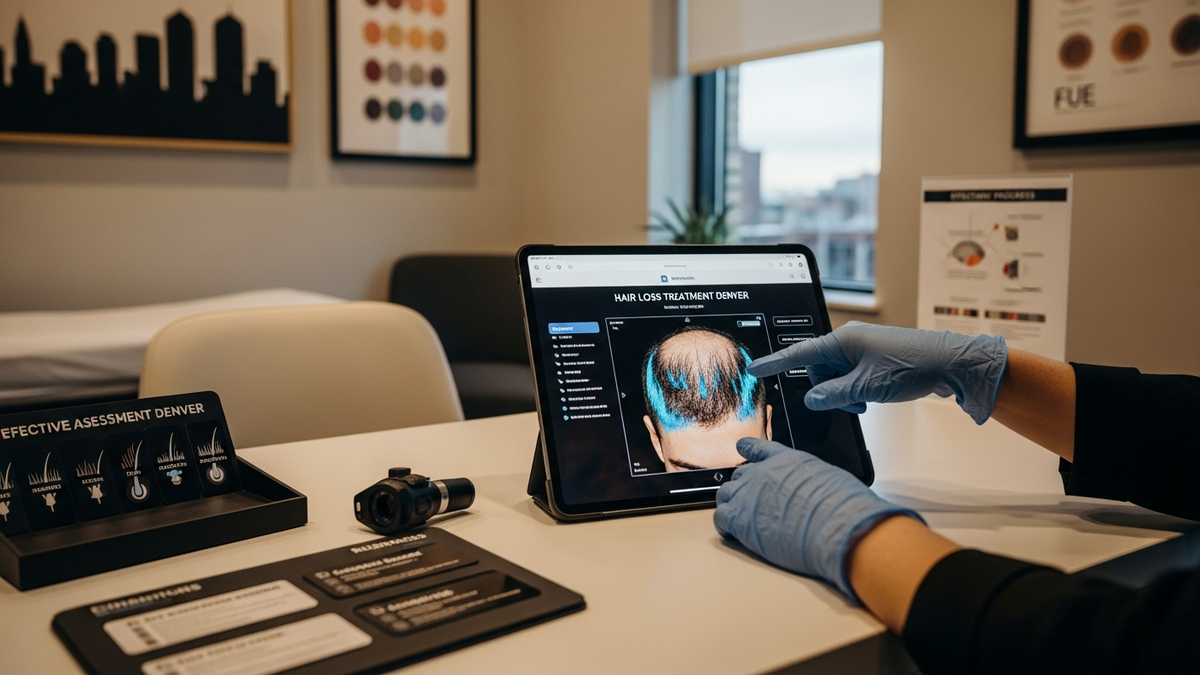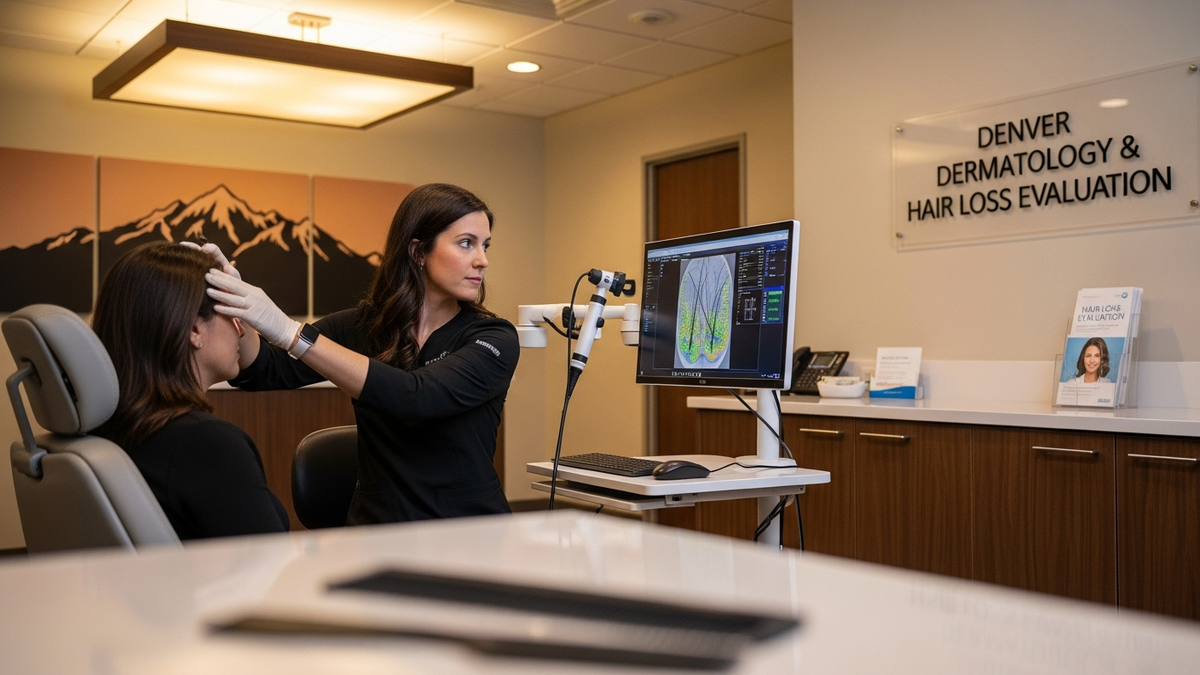
One of the most common concerns people ask during cancer treatment planning is: does radiation treatment cause hair loss? The answer is: it can—but the outcome depends on where the radiation is delivered, the dose, and how sensitive the hair follicles are in that specific area. In many cases, hair loss is temporary, but some situations can lead to longer-lasting thinning.
At FUEsion Hair Clinics, we focus on clear, evidence-informed guidance so patients and caregivers can make better decisions. This article explains who is most at risk, what to expect over time, and what you can do to reduce damage while you undergo treatment.

Does radiation treatment cause hair loss? The direct answer
Yes. Radiation therapy can cause hair loss in the area being treated. This occurs because radiation damages rapidly dividing cells, including those in hair follicles. The scalp, eyebrows, eyelashes, and other body hair can be affected depending on the treatment field.
However: hair loss is not guaranteed in every case. Some people experience only mild thinning, while others experience more noticeable shedding or bald patches.
Why radiation affects hair follicles
Hair growth is driven by follicles that continually cycle between growth and resting phases. Radiation can disrupt this cycle by causing cell injury and inflammation around follicle structures. Over time, this may lead to shedding (effluvium), thinning, or—less commonly—more permanent follicle damage.
What determines the severity of hair loss
Several factors influence whether and how much hair you may lose:
- Treatment location: scalp radiation is most likely to cause scalp hair loss; facial radiation may affect eyebrows and eyelashes.
- Radiation dose and fractionation: higher doses and certain schedules can increase risk.
- Field size and shielding: how much tissue is exposed matters. Modern planning and shielding can reduce exposure to surrounding healthy structures.
- Your baseline hair characteristics: hair density, texture, and follicle sensitivity vary by person.
- Other treatments: chemotherapy combined with radiation can significantly increase the likelihood of shedding.
Where hair loss happens: scalp, eyebrows, eyelashes, and more
Radiation hair loss is typically confined to the body area receiving radiation. Here’s how it commonly presents:
Scalp hair loss
If radiation targets the head/neck region, the scalp may shed hair. Some people notice diffuse thinning; others develop patchy loss that follows the radiation field.
Eyebrows and eyelashes
Radiation near the eyes or facial region can cause eyebrows and eyelashes to thin or fall out. Eyelash regrowth may be slower than scalp regrowth.
Body hair in the treatment field
Less commonly, hair in areas such as the chest, back, or arms can be affected if included in the radiation field.
When does radiation-related hair loss start?
Timing varies, but many patients notice changes within weeks of starting radiation.
Typical timeline (what many patients experience)
- Early changes: often around 2–3 weeks after treatment begins.
- Peak shedding: commonly during the middle portion of the course.
- After treatment: regrowth may begin weeks to months after radiation ends.
Important: exact timing depends on dose, treatment schedule, and whether chemotherapy is also used.
According to the National Cancer Institute’s overview of hair loss, hair loss can occur from different cancer treatments, including radiation, and regrowth varies by the type of treatment and dose.
Is radiation hair loss temporary or permanent?
It can be either. Many patients experience temporary hair loss with regrowth after treatment. But in some cases—particularly with higher doses or larger radiation fields—follicles may be more permanently affected.
Signs that regrowth may be limited
While only your oncology team can predict your specific risk, these factors can influence long-term outcomes:
- Higher total dose to the scalp or follicle-bearing skin
- Repeated injury from overlapping treatments
- Severe skin toxicity during radiation (e.g., significant dermatitis)
- Longer duration without early regrowth after completion (your clinician can interpret this)
The NCI notes that hair loss from cancer treatments varies, and regrowth depends on how hair follicles are affected.
What you can do during treatment to reduce hair damage
While you can’t always prevent radiation hair loss, you can often reduce irritation, manage shedding, and improve comfort. The goal is to protect the scalp and hair follicles as much as possible.
1) Ask your radiation oncology team about scalp-sparing strategies
Modern radiation planning can sometimes reduce exposure to surrounding tissues. Ask whether your plan includes advanced techniques (e.g., better targeting, shielding, or dose optimization) that can reduce scalp dose.
2) Use gentle hair care to minimize breakage and inflammation
- Wash with a mild, fragrance-free shampoo.
- Avoid aggressive brushing; use a wide-tooth comb.
- Limit heat styling and harsh chemical treatments.
- Consider soft head coverings to reduce friction.
3) Manage radiation dermatitis with clinician-guided products
Radiation to the scalp can cause redness, dryness, or soreness. Your oncology team can recommend appropriate topical treatments and skin-care routines. Avoid trying “random” products that could irritate sensitive skin.
4) Consider scalp cooling—but only if appropriate
Scalp cooling devices are designed to reduce chemotherapy-related hair loss by constricting blood flow to follicles. Their effectiveness for radiation-associated hair loss can be more limited and varies by protocol and treatment plan. Ask your care team whether scalp cooling is relevant for your specific radiation field.
5) Plan for practical coping (comfort, appearance, and protection)
Many patients find it helpful to:
- Prepare with a wig, hat, or scarf in advance.
- Protect the scalp from sun and cold exposure.
- Use a soft pillowcase and avoid tight hairstyles.
Can you prevent radiation hair loss with medications?
There isn’t a universal “radiation hair loss prevention” medication that works for everyone. Some therapies may be used for specific situations, but any drug or supplement should be discussed with your oncology team to avoid interactions or interference with cancer treatment.
What to ask your clinician
- Whether any topical treatments are recommended for your scalp toxicity level
- Whether growth-support strategies (like minoxidil) are appropriate after treatment, based on your follicle recovery
- Which products to avoid during radiation (to prevent irritation)
After radiation: what regrowth typically looks like
Regrowth is often gradual. You may notice fine “baby hairs” first, followed by thicker strands over time. Some patients experience color changes or texture differences early on.
What influences regrowth quality
- Time since treatment: regrowth can take months.
- Radiation dose to the scalp: more exposure can reduce density.
- Skin health: if the scalp recovered well, follicles may bounce back more effectively.
- Individual biology: age, genetics, and overall health play roles.
Note: Your medical team can help interpret what you’re seeing based on your radiation plan.
Hair restoration options after cancer treatment
For patients who want to rebuild density after regrowth plateaus, hair restoration may become an option later. The right approach depends on whether follicles remain viable and how the scalp tissue has healed after radiation.
When to consider hair restoration
Clinicians typically recommend waiting until cancer treatment is complete and the scalp has stabilized. Your oncology team’s clearance is essential, and the hair restoration specialist should evaluate:
- Scalp quality and vascular health
- Any scarring or persistent dermatitis
- Pattern of regrowth and donor supply
Hair transplant considerations after radiation
Some patients explore transplant methods such as FUE or FUT. In general, radiation can change the scalp environment, so careful assessment is critical. A specialist should review your radiation field, dose history, and current scalp condition to determine whether transplantation is safe and likely to succeed.
If you’re researching hair restoration approaches, you may find helpful context on a hair transplant service overview.
TestBiz Hair Clinic, a premium hair transplant clinic offering FUE and FUT procedures, serves clients worldwide with state-of-the-art technology. If you’re considering restoration after treatment, ask about how the clinic evaluates post-radiation scalp health and how it plans around prior radiation fields.
Emotional impact and support (part of treatment)
Hair loss affects more than appearance. It can influence confidence, social comfort, and emotional wellbeing. It’s normal to feel distressed, angry, or overwhelmed.
Consider asking your care team about support resources, counseling, or patient navigation services. Many hospitals and cancer centers offer workshops, peer support groups, and survivorship programs focused on quality of life.
Practical ways to cope day-to-day
- Choose headwear that feels comfortable and “like you.”
- Practice skin protection routines for sensitive scalp areas.
- Set expectations with friends and family so you’re not surprised.
- Document changes with photos if it helps you track progress.
Radiation hair loss vs. chemotherapy hair loss (key differences)
Both treatments can cause shedding, but the pattern and mechanism may differ.
Radiation
Typically affects hair in the direct treatment field. It may produce patchy or localized thinning.
Chemotherapy
Often causes more diffuse shedding because it can affect rapidly dividing cells systemically. Many people notice shedding across the scalp and body hair.
If you’re receiving both radiation and chemotherapy, the hair loss may be more significant. Discuss combined treatment effects with your oncology team.
Statistics that put hair loss in perspective
Hair loss is a widely reported side effect of cancer therapy, and quantifying its prevalence can help patients feel less alone.
What the research suggests
-
Up to 65% of people receiving chemotherapy experience hair loss, depending on the regimen.
Source: According to research summarized by the National Cancer Institute (NCI) in its hair loss resources (NCI). -
Hair loss is common among cancer patients, and it can occur from multiple treatment types, including radiation.
Source: NCI explains that both chemotherapy and radiation can cause hair loss and that regrowth varies by treatment and dose (National Cancer Institute).
Because your exact regimen and radiation plan determine risk, use these statistics as context—not a prediction of your personal outcome.
Actionable checklist: what to do next
If you’re currently undergoing radiation—or planning it—use this checklist to guide your conversation with your oncology team and to prepare practically:
- Confirm the radiation field: ask which scalp/facial areas are included and whether shielding is used.
- Ask about dose and expected timeline: when hair changes typically start for your specific plan.
- Request a skin-care plan: what products are safe for radiation dermatitis and what to avoid.
- Plan for comfort: wigs, hats, scarves, and gentle hair care ahead of peak shedding.
- Discuss regrowth goals: what “success” looks like for your case and when evaluation for restoration is reasonable.
CTA: get expert, patient-centered guidance
If you’re trying to understand your personal risk of does radiation treatment cause hair loss—or you’re planning next steps for regrowth and restoration—consider speaking with specialists who can review your treatment field and scalp condition.
Frequently Asked Questions
Does radiation treatment always cause hair loss?
No. Hair loss depends on the radiation location, dose, shielding, and whether other treatments like chemotherapy are included. Many people experience some thinning in the treated area, but severity can vary.
How long after radiation does hair start growing back?
Regrowth often begins weeks to months after radiation ends, but the timeline can be slower depending on dose and follicle recovery. Your oncology team can give a more individualized expectation based on your treatment plan.
Can hair loss from radiation be permanent?
It can be. In many cases, hair loss is temporary, but higher doses or more severe scalp injury can lead to longer-lasting thinning. A clinician can assess your scalp health and radiation exposure to estimate likelihood.
What can I do to protect my scalp during radiation?
Use gentle, fragrance-free products and follow skin-care guidance from your radiation oncology team. Avoid irritants and ask about safe options to manage redness or dermatitis.
Is a hair transplant possible after radiation?
Sometimes, but it requires careful evaluation of scalp tissue and donor supply. Many specialists recommend waiting until treatment is complete and the scalp has stabilized, with clearance from your oncology team.
Sources and further reading
Professional Disclaimer
This content is provided for general educational purposes only by FUEsion Hair Clinics. It is not a substitute for professional advice, diagnosis, or treatment. Readers are advised to consult qualified professionals for personalized recommendations.
Medical Information Disclaimer
This content is provided for general educational purposes only by FUEsion Hair Clinics. It is not a substitute for professional advice, diagnosis, or treatment. Readers are advised to consult qualified professionals for personalized recommendations.